Hiking and Climbing in Picos de Europa: Altitude and Rescue Clauses
The raw, untamed beauty of Spain’s Picos de Europa National Park is undeniably captivating, drawing in adventurers from all corners of the globe. But let me tell you, as someone who’s seen a few trails and heard a few tales, that breathtaking beauty comes with a hearty dose of respect for its challenges. The Picos are not a gentle stroll, and if you're planning on hiking or, even more so, climbing in these stunning mountains, you absolutely need to understand the realities of its altitude and, crucially, how rescue operations work, and more importantly, how you’re covered. This guide will walk you through these vital considerations, ensuring your adventure is as safe as it is unforgettable.
Disclosure: This post may contain affiliate links. We may earn a commission at no extra cost to you if you make a purchase through these links. Read full disclosure.
Understanding the Picos de Europa Terrain and Challenges
The Picos de Europa, spanning Asturias, Cantabria, and Castilla y León, are a magnificent limestone range, a wild heartland often shrouded in mist and dramatic peaks. But don't let the postcard-perfect images fool you; this isn't a walk in the park. It's a serious mountain environment with its own unique set of hazards that you need to be acutely aware of.
The Majesty and the Menace: Altitude and Exposure
Many of the most popular treks in the Picos, like the Ruta del Cares or ascents to peaks such as Naranjo de Bulnes (Picu Urriellu), involve significant elevation changes and high-altitude exposure. While the highest peak, Torre Cerredo, stands at 2,648 meters (8,688 feet), it’s not just about the absolute height. It's about how quickly you gain it, the sustained effort, and the sudden drops in temperature. For those accustomed to sea-level living, even these "moderate" altitudes can bring on symptoms of altitude sickness – headaches, nausea, dizziness, and fatigue. These aren't just uncomfortable; they can impair judgment, turning a tricky section of trail into a dangerous one.
Beyond altitude, the exposure to the elements is immense. You're often above the tree line, with little to no shelter from sudden storms, intense sun, or biting winds. The limestone can be incredibly sharp, creating a labyrinth of karstic terrain that's easy to get lost in, even for experienced navigators. There are sheer drops, narrow paths, and sections that require scrambling, often on loose rock. This isn't just a place for sturdy boots; it's a place for a clear head and a deep understanding of your own limits.
Weather Whims and Rapid Changes
If there’s one thing the Picos are famous for, it’s their unpredictable weather. You can start a hike under clear, brilliant sunshine, and within an hour, be enveloped in a thick fog or battered by a torrential downpour. These conditions drastically reduce visibility, making navigation incredibly difficult, even on well-marked paths. The temperature can plummet rapidly, turning a pleasant hike into a hypothermia risk if you’re not prepared.
It’s not uncommon for hikers to get disoriented in the fog, lose the trail, and find themselves in dangerous situations, stuck on ledges or cliffs. Rivers can swell rapidly after heavy rain, making crossings hazardous or impossible. Always check the forecast from multiple reliable sources (AEMET is your friend here in Spain!) before you set out, but be prepared for anything, because the mountains have their own agenda. I've personally been caught in a hailstorm in July that felt like being pelted with rocks – it really brings home how quickly things can change.
Essential Gear and Preparation for Picos Treks
Heading into the Picos without proper preparation is like trying to cross the ocean in a rowboat – you might make it, but you’re tempting fate. This is a wilderness area, and you need to be self-sufficient and ready for anything.
Beyond the Basics: What to Pack for the Picos
Forget your city attire. For the Picos, you need high-quality, weather-appropriate gear. This isn't just about comfort; it's about survival.
Here’s a practical checklist:
- Layered Clothing: Think wicking base layers, insulating mid-layers (fleece or down), and a waterproof, windproof outer shell. Even in summer, pack a warm hat and gloves.
- Sturdy Hiking Boots: Ankle support is crucial on the uneven, rocky terrain. Make sure they're waterproof and well broken-in.
- Navigation Tools: Don't rely solely on your phone. Bring a physical map (e.g., from Editorial Alpina or Adrados) and a compass, and know how to use them. A GPS device or a reliable app with downloaded offline maps (like Wikiloc) is also highly recommended.
- Headlamp/Torch: Essential for early starts, late finishes, or unexpected detours.
- First-Aid Kit: Comprehensive, including blister treatment, pain relievers, antiseptic wipes, bandages, and any personal medications.
- Enough Water and Food: There are few, if any, places to refill water in some sections. Pack more than you think you’ll need. High-energy snacks are a must.
- Sun Protection: High-SPF sunscreen, sunglasses, and a wide-brimmed hat. The sun at altitude is intense, even on cloudy days.
- Whistle: For signaling in an emergency.
- Power Bank: To keep your phone charged for emergencies, but remember it shouldn't be your primary navigation.
- Emergency Shelter/Bivy Bag: A lightweight emergency blanket or bivy can be a lifesaver if you get stuck overnight.
If you're planning on more technical climbing, then all the usual climbing gear (ropes, harness, helmet, belay device, quickdraws, etc.) is non-negotiable, and you should only attempt such routes with proper training and experience.
Physical Preparedness and Route Planning
The Picos demand good physical fitness. Before you even think about tackling a multi-day trek or a challenging climb, ensure you're in decent shape. Regular cardio, strength training, and endurance hikes will serve you well. Don't underestimate the impact of carrying a heavy pack over steep, rough terrain for hours on end.
Crucially, plan your route meticulously.
- Research: Consult guidebooks, online forums, and local tourist offices for up-to-date trail conditions. Are there any recent closures? Landslides?
- Difficulty: Be realistic about your capabilities. The Picos use a system of difficulty ratings, but these can still be subjective. Err on the side of caution.
- Timing: Factor in daylight hours, potential weather delays, and your group's slowest member. It's not a race.
- Leave a Plan: Always tell someone reliable (a hotel, a friend, family) your exact route, expected return time, and what to do if you don't check in. This sounds overly cautious, but it’s standard practice for good reason.
- Know Your Emergency Numbers: While 112 is the primary emergency number in Spain, having local park information or refuge numbers can also be helpful. Knowing how to call 112 in Spain is critical.
The Critical Importance of Rescue Coverage
Here's where many foreigners (and even some locals) get caught out in Spain. When you venture into the mountains, especially somewhere as wild as the Picos, you need to understand that if something goes wrong, the cost of rescue can be astronomical. This isn't just about a broken ankle; it's about helicopter evacuations, search parties, and potentially days of medical care.
Why Standard Travel Insurance Might Not Be Enough
Most basic travel insurance policies are great for lost luggage or a tummy bug on the beach, but they often have significant exclusions for "high-risk" activities. Hiking at altitude, rock climbing, or even just trekking on unmarked trails can easily fall into these categories. Many policies specifically exclude:
- Activities above a certain altitude: Often anything over 2,500m, which can be hit in the Picos (Torre Cerredo reaches 2,648m), particularly if you're attempting peak ascents.
- Off-piste or unmarked trail activities: If you stray from the well-trodden path, your coverage might be void.
- Search and Rescue operations: This is a huge one. While medical treatment might be covered after rescue, the actual cost of finding you and getting you off the mountain might not be. And let me tell you, helicopter rescues in Spain are not cheap.
Imagine suffering a serious injury on a remote Picos trail. The Spanish search and rescue teams, often involving the Guardia Civil's mountain rescue unit (GREIM), are incredibly professional and effective. They will come for you. But unlike in some countries, if negligence is deemed a factor (e.g., ignoring warnings, going ill-equipped), or if you simply don't have the right insurance, you could be left with a bill that would make your eyes water. I know of a case where a rescue bill topped €10,000 for a relatively simple operation. This is where you don't want to cut corners.
Understanding Altitude and Rescue Clauses (and why SafetyWing shines here)
This is precisely why you need specialized travel insurance. You need a policy that explicitly covers high-altitude trekking, climbing (up to your skill level and the policy's limits), and, most importantly, search and rescue.
This is where a plan like SafetyWing truly stands out for adventurers heading to places like the Picos de Europa. SafetyWing's Nomad Insurance is designed with digital nomads and adventurers in mind, offering coverage that often goes beyond what typical holiday insurance provides. For those venturing into the Picos, their policies frequently include:
- Search and Rescue Coverage: This is a non-negotiable for mountain activities. SafetyWing often includes provisions for search and rescue efforts, which is a lifesaver (literally and financially) if you find yourself in a bind.
- Adventure Sports Coverage: Many standard adventure activities, including hiking and trekking (often up to a certain altitude, typically 4,500m which is more than enough for the Picos), are included, meaning you won't be denied coverage just for enjoying the great outdoors. Always check the specific policy details, of course, but their approach is generally much more inclusive.
- Medical Emergencies and Evacuation: Should you get hurt, SafetyWing covers emergency medical expenses and, critically, emergency medical evacuation if you need to be transported to a more suitable medical facility. This can be a huge relief if you're airlifted off a mountain.
When you're comparing policies, don't just look at the overall cost. Dive into the fine print. Ask these specific questions:
- Does it cover search and rescue operations, including helicopter evacuation?
- What are the altitude limits for trekking/hiking?
- Are "adventure sports" like climbing or via ferrata included, and are there specific exclusions?
- What is the deductible for emergency medical treatment?
Choosing the right insurance, like SafetyWing, means you can explore the Picos with peace of mind, knowing that if the unforeseen happens, you won't be facing crushing financial burdens on top of your physical recovery. Don't let a small oversight in your insurance choice ruin your Spanish adventure or your future finances. Many policies for Spain visas, like the Digital Nomad Visa, require specific health insurance, but that often means basic coverage, not adventure sports. So, you might need to top up with a specialized policy like SafetyWing.
Here's a quick comparison of what to look for:
| Feature | Basic Travel Insurance (Typical) | Specialized Adventure Insurance (e.g., SafetyWing) |
|---|---|---|
| Altitude Limit | Often <2,500m or specific exclusions | Often up to 4,500m+ for trekking/hiking |
| Search & Rescue | Often excluded or limited | Explicitly included for covered activities |
| Emergency Evacuation | May cover medical transport after rescue | Covers transport from point of incident to medical facility |
| Adventure Sports | Often excluded for "high-risk" (climbing, etc.) | Includes many adventure sports, check specifics |
| Medical Expenses | Covers illness/injury (check exclusions) | Covers illness/injury (wider activity scope) |
| Cost | Generally lower premium | Slightly higher premium, but crucial specialized coverage |
Navigating Emergencies and Local Rescue Services
Despite all your preparation, accidents can happen. Knowing what to do in an emergency and understanding how Spain's rescue services operate can literally save your life.
Calling for Help: The 112 Protocol
The universal emergency number in Spain is 112. This single number connects you to all emergency services: police, fire, and medical. When you call 112, here's what to expect and what you should be prepared to provide:
- Location, Location, Location: This is the single most important piece of information. Be as precise as possible. Use GPS coordinates if you have them, or describe landmarks, the trail you're on, and your direction of travel. If you have a map, try to pinpoint your location. "Somewhere near the path to Refugio Vega de Urriellu" is better than nothing, but "Lat: 43.XX, Long: -4.YY, on the PR-PNPE-3 trail, approximately 2km past the cabin" is ideal.
- Nature of the Emergency: Clearly state what has happened. Is someone injured? How severe is the injury? Are you lost? Is the weather rapidly deteriorating?
- Number of People Involved: How many people are in your group, and how many are affected?
- Condition of the Injured: If someone is hurt, describe their symptoms, conscious level, breathing, and any visible injuries.
- Contact Information: Provide your name and phone number. Keep your phone charged and available for follow-up calls.
- Language Barrier: If you don't speak Spanish, say "English, please" (or your language) immediately. 112 operators usually have access to interpreters, but it might take a moment. Have some basic Spanish medical terminology handy for a smooth doctor's visit in Spain.
Stay calm, speak clearly, and follow their instructions. They will guide you through the process. Once you've made the call, stay put unless directed otherwise, and try to conserve your phone battery. Knowing what to do if you need care on a weekend in Spain or how to use Emergency Healthcare in Spain: 112, Urgent Care, and What to Expect can be a huge stress reliever if you face an urgent situation.
What to Expect from Picos de Europa Rescue
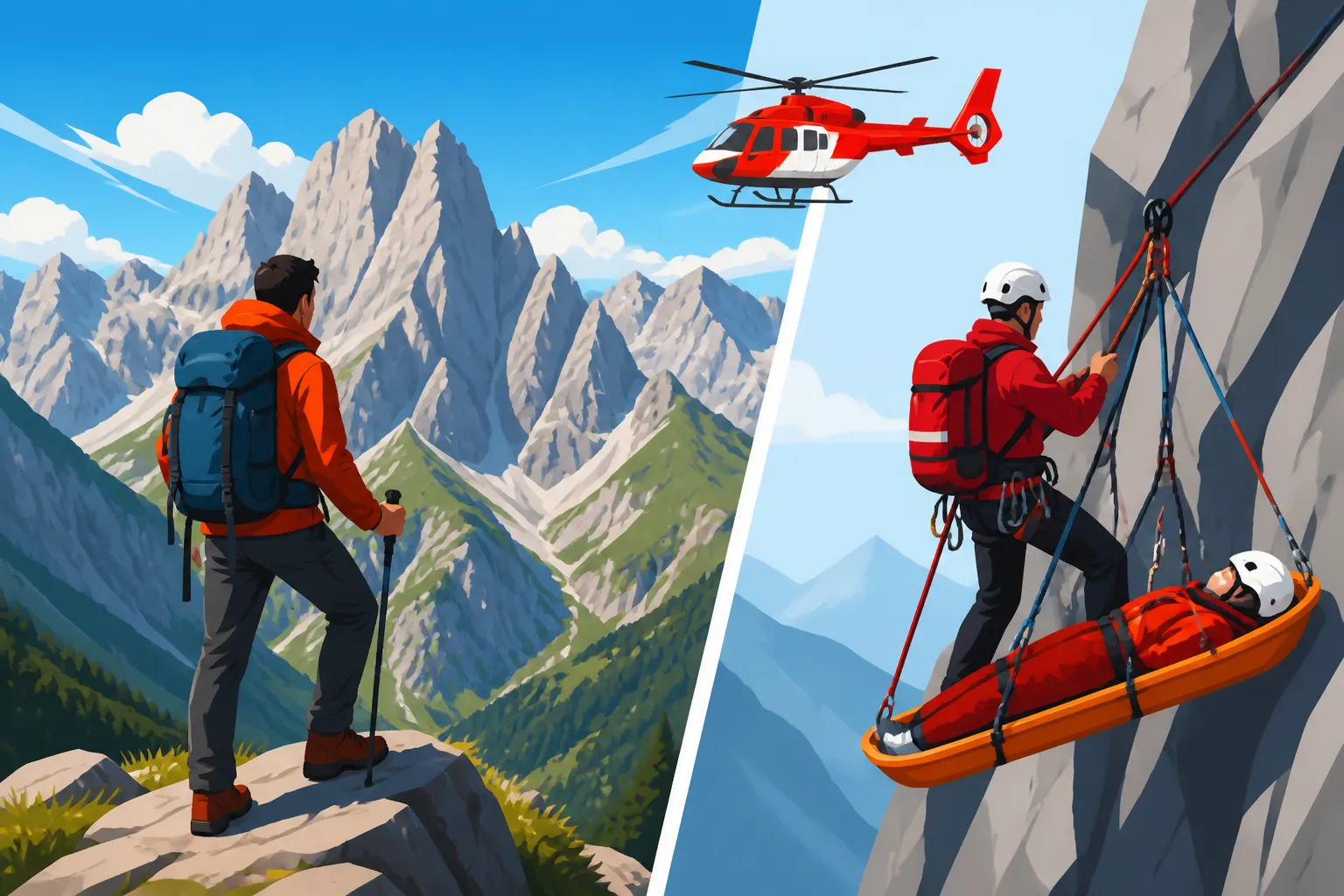
The mountain rescue unit of the Guardia Civil (GREIM – Grupo de Rescate e Intervención en Montaña) is the primary force for mountain rescues in the Picos. They are highly trained professionals, equipped for all types of mountain emergencies, from technical climbing rescues to searching for lost hikers in challenging conditions.
- Response Time: While they are incredibly efficient, response times in the Picos can vary greatly depending on your location, weather conditions, and the severity of the incident. Remote locations, dense fog, or high winds can significantly delay helicopter deployment or ground team access. You might have to wait for several hours, or even overnight, in extreme circumstances.
- Methods of Rescue: Depending on the situation, rescue might involve a ground team on foot, specialized mountaineers, search dogs, or, most commonly, a helicopter. Helicopter rescues are a specialized and dangerous operation, requiring specific weather conditions.
- Your Role: Once rescue teams arrive, cooperate fully. Follow their instructions without question. They are the experts in this environment. If you're injured, they will stabilize you and prepare you for evacuation. If you're lost, they will guide you to safety.
- Post-Rescue Care: After being rescued, you will typically be taken to the nearest appropriate medical facility, which could be a local health center (centro de salud) or a hospital for more serious injuries. You'll want to have your What to Bring to a Hospital in Spain: Practical Packing List ready, even if someone else has to grab it for you. This is where your SafetyWing insurance comes into play, covering your medical expenses and transport.
Ultimately, while the Picos de Europa offers some of the most spectacular hiking and climbing experiences in Spain, it's an environment that demands respect, thorough preparation, and the right safety net. Don't let the allure of adventure overshadow the critical need for appropriate insurance coverage, especially when it comes to altitude and potential rescue operations. Ensure you're covered with a robust plan like SafetyWing, so your focus can remain on the majestic mountains and not on potential financial catastrophe. For more general Staying Safe in Spain: Practical Safety Tips for New Residents, remember the same vigilance applies, even when you're just exploring new cities.
Disclaimer
This article is for general informational purposes only and does not constitute professional advice. Laws, prices and regulations vary by location and change over time. Consult a qualified professional for guidance on your specific situation.