Buying Property in Spain: Offer, Deposit, Notary, and Registry Steps
Purchasing real estate in Spain involves making offers, paying deposits, signing notary documents, and registering title deeds.

Purchasing real estate in Spain involves making offers, paying deposits, signing notary documents, and registering title deeds.

Rental inspections in Spain evaluate structural integrity, utility capacity, legal ownership, and contract terms to protect your deposit before signing.

Licensed Spanish gestores handle property paperwork, tax filings, and utility transfers while providing professional support for foreign property buyers.
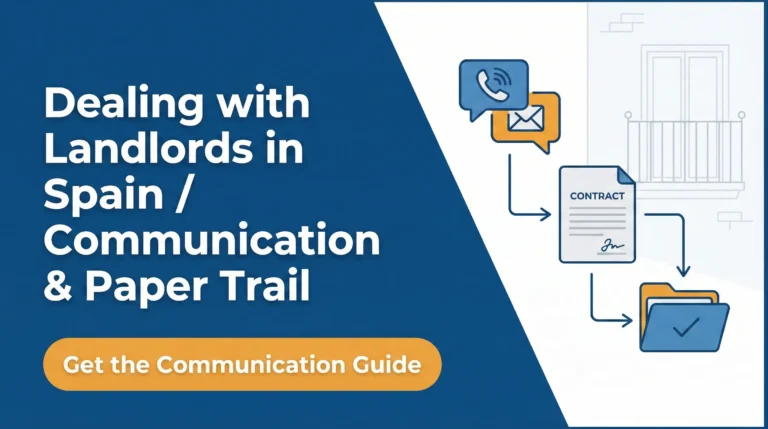
Tenant communication practices, official postal notifications, and maintenance documentation help renters protect their rental deposits in Spain.
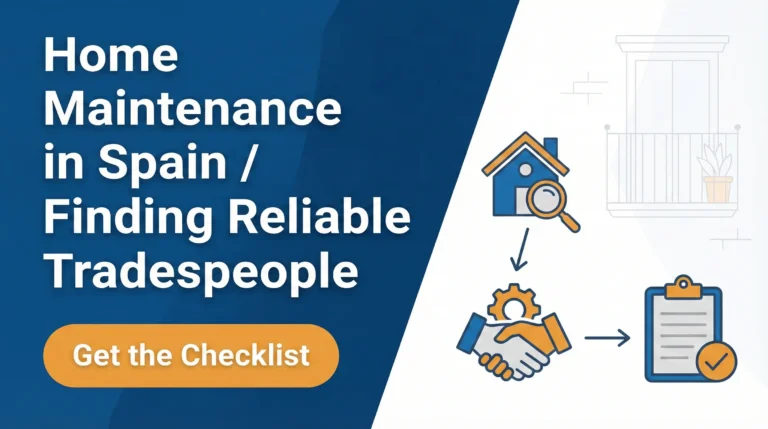
Finding reliable tradespeople in Spain requires knowing the correct trade vocabulary, local referral networks, and common payment pitfalls.

The emergency number 112 in Spain connects callers to dispatchers, police forces, medical services, and specialized hotlines.

Spanish public holidays for 2026 outline national, regional, and local closures to help plan errands, groceries, and administrative appointments.

Spanish cultural etiquette for expats covers greetings, late dining hours, tipping customs, home invitations, and public behavior norms.

Spanish Social Security deductions cover common contingencies, unemployment contributions, the Intergenerational Equity Mechanism, and the solidarity tax.
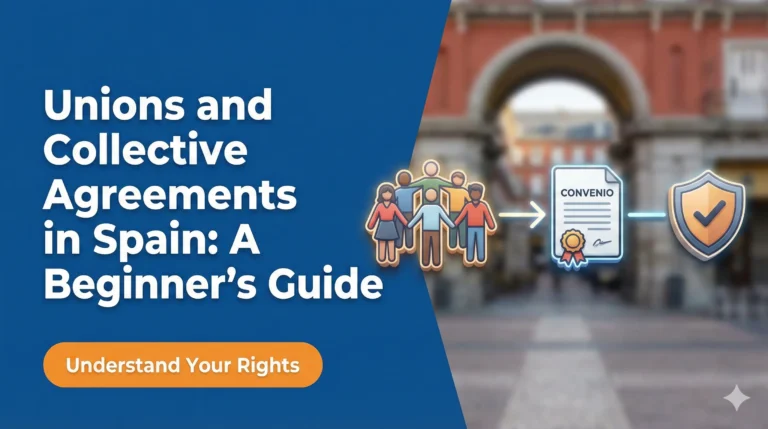
Spanish trade unions and collective bargaining agreements dictate wages, working hours, and employment rights across the national labor market.