Teaching English in Spain: Requirements, Programs, and Visas
Teaching English in Spain requires TEFL certification, university degrees, student visas, assistant programs, and private academies with monthly stipends.
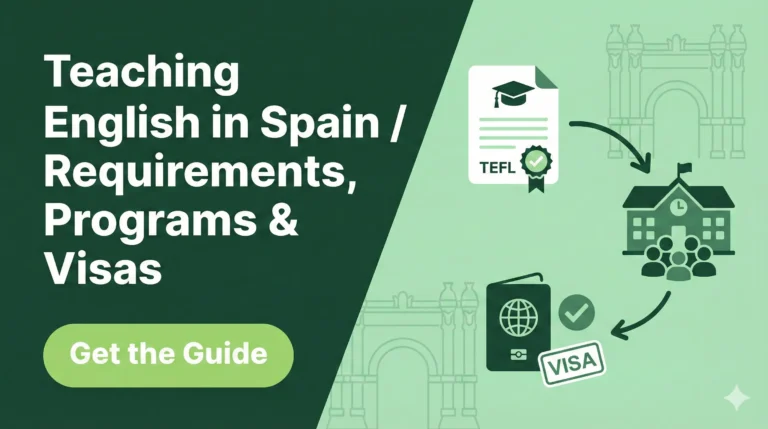
Teaching English in Spain requires TEFL certification, university degrees, student visas, assistant programs, and private academies with monthly stipends.
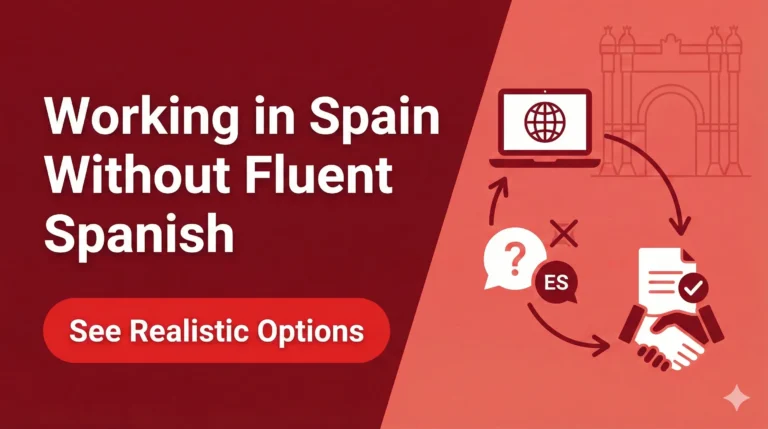
Working in Spain without speaking Spanish is possible through teaching English, technology jobs, tourism roles, and remote work opportunities.
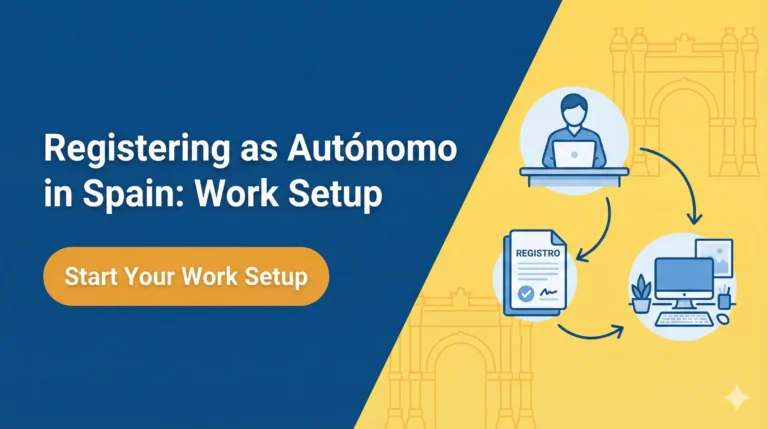
The registration process for independent workers in Spain details tax forms, digital certificates, and the progressive social security system.
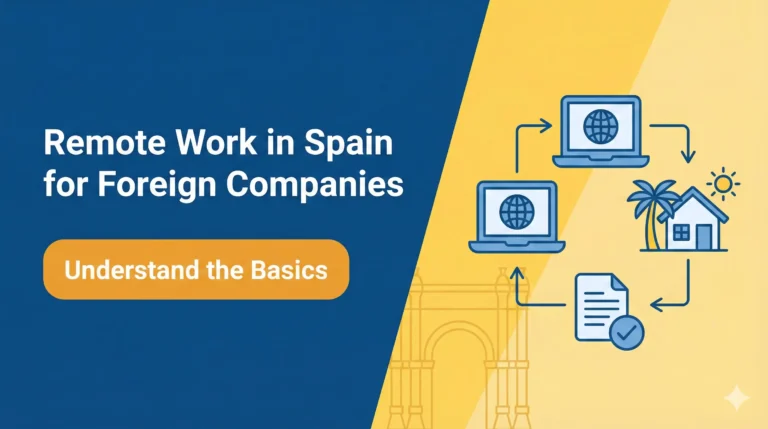
Spanish remote work regulations, visa requirements, freelancer registration, employer of record options, and tax obligations for foreign company employees.
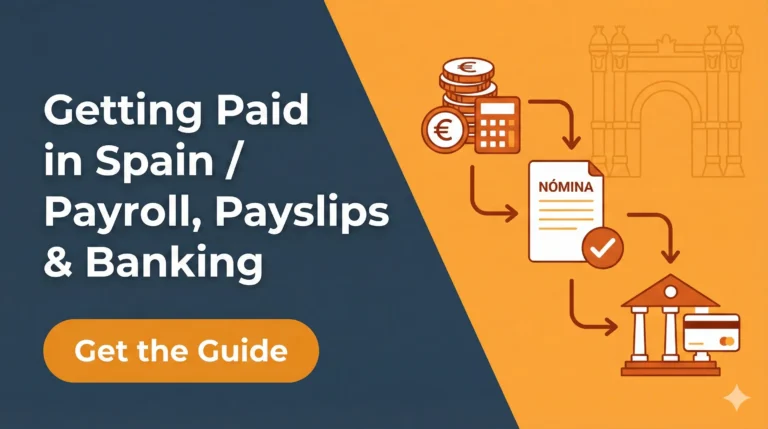
Spanish payroll structures, payslip components, mandatory tax deductions, and expat bank account setup options for foreign professionals.

Freelance invoicing in Spain involves mandatory elements, VAT rates, IRPF withholdings, cross-border regulations, and payment methods for autónomos.

Choosing an autónomo or a sociedad limitada involves comparing personal liability, setup costs, corporate tax benefits, and social security obligations.

Language exchanges, language clubs, and sports like padel offer practical strategies for building a strong social circle in Spain.
Spanish safety infrastructure, police jurisdictions, pickpocketing scams, and home security guidelines help new residents navigate daily life securely.

Spanish supermarket chains, municipal markets, and budget strategies help shoppers navigate grocery stores and save money in Spain.