Over-the-Counter Medicines in Spain: What You Can Buy Without a Prescription
Moving to Spain means adjusting to new healthcare rules. This comprehensive guide explains which over-the-counter medicines you can buy without a prescription, how dosage limits work for common painkillers, and what to expect when visiting a local Spanish pharmacy.
Disclosure: This post may contain affiliate links. We may earn a commission at no extra cost to you if you make a purchase through these links. Read full disclosure.
The Spanish Pharmacy Monopoly
To understand how to buy medicine in Spain, you must first understand the landscape of Spanish pharmacies. You cannot buy medication in a supermarket. The only place authorized to dispense pharmaceutical drugs is a legally registered farmacia.
You can easily identify these establishments by the large, illuminated green crosses mounted on the exterior of the buildings. These crosses often flash or display the current time and temperature. By law, a pharmacy in Spain must be owned and operated by a licensed pharmacist. This professional is not merely a retail cashier; they are a highly trained medical expert who serves as the first line of defense in the Spanish healthcare system.
It is also important to distinguish a true pharmacy from a parafarmacia. A para-pharmacy, which often displays a blue cross instead of a green one, sells health and wellness products, including vitamins, dietary supplements, specialized dermatological creams, and baby formula. However, they are legally prohibited from selling any product classified as a medicine. If a product contains an active pharmaceutical ingredient designed to treat an illness or relieve pain, you will only find it at the traditional green-cross pharmacy. If you want a deeper dive into the inner workings of these essential neighborhood hubs, you should review our broader overview on Pharmacies in Spain: Prescriptions, Over-the-Counter Meds, and Practical Tips.
The Role of the Spanish Pharmacist
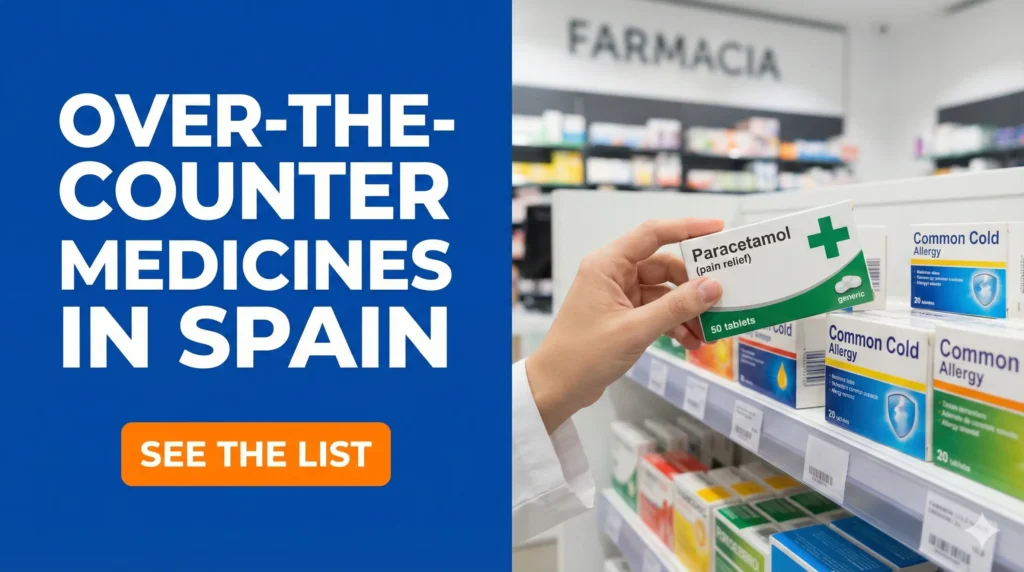
When you enter a Spanish pharmacy to buy an over-the-counter medication, you do not simply browse the aisles, put a box in your basket, and head to a self-checkout lane. All medications are kept behind the counter. You must speak directly to the pharmacist or the pharmacy technician to request what you need.
This interaction is a fundamental part of Spanish healthcare culture. The pharmacist will almost always ask you a few qualifying questions before handing over the medication. If you ask for cough syrup, they will ask if your cough is dry or productive. If you ask for pain relief, they will ask who the medication is for and what type of pain is being experienced.
This is not meant to be intrusive; it is their professional duty to ensure you are purchasing the correct treatment and that there are no contraindications with other medications you might be taking. Many Spaniards rely heavily on their local pharmacist to diagnose and treat minor ailments, saving them a trip to the local health center.
Pain Relief and Fever Reducers
The most common over-the-counter requests are for analgesics (pain relievers) and antipyretics (fever reducers). While the active ingredients in Spain are the exact same as those used globally, the rules regarding dosages changed significantly a few years ago, catching many expats off guard.
The Rules on Ibuprofen and Paracetamol
For decades, it was common practice in Spain to buy high-dose painkillers over the counter. However, to align with European safety directives and combat the risks of cardiovascular issues and liver toxicity associated with overuse, the Spanish Agency of Medicines and Medical Devices implemented strict dispensing rules.
Today, you cannot buy 600mg Ibuprofen or 1g Paracetamol without a valid medical prescription. If you ask the pharmacist for these specific doses without a doctor’s authorization, they are legally required to refuse the sale.
Instead, you can easily purchase the lower-dose versions over the counter:
- Ibuprofen (Ibuprofeno): You can buy packets containing 400mg tablets. This is generally sufficient for standard headaches, menstrual cramps, and minor muscular pain. Popular OTC brand names include Neobrufen and Espidifen (which often comes in a fast-acting, mint-flavored powder sachet).
- Paracetamol: You can buy packets containing 500mg or 650mg tablets. This is the go-to recommendation for fever reduction and mild pain. Gelocatil and Termalgin are widely recognized brand names, though the generic version is equally effective.
Aspirin and Other Alternatives
Aspirin is readily available over the counter in Spain, sold under the global brand name Aspirina. It is available in various formats, including effervescent tablets that dissolve in water.
If you suffer from migraines or severe muscular pain that does not respond to 400mg of ibuprofen, you will need to schedule a visit with a doctor to secure a prescription for stronger medication. If you are integrated into the public healthcare network and need to understand how these authorizations are logged, you can read our breakdown of the Prescription System in Spain: How ePrescriptions Work.
Cold, Flu, and Allergy Relief
When the winter months arrive or the spring pollen counts peak, pharmacies see a massive influx of patients looking for relief from respiratory symptoms. The approach to cold and flu medication in Spain often involves multi-symptom powders rather than the liquid syrups popular in North America.
Cold and Flu Medications
If you complain of body aches, a fever, and severe congestion, the pharmacist will likely recommend a multi-symptom relief packet. These are typically effervescent powders that you dissolve in hot water, functioning similarly to products like Lemsip or Theraflu.
- Frenadol: This is arguably the most famous cold and flu brand in Spain. It contains a mix of paracetamol (for pain and fever), dextromethorphan (a cough suppressant), and chlorphenamine (an antihistamine to dry up a runny nose). It comes in various formulas, including a “Complex” version with added vitamin C.
- Couldina: Another highly popular dissolvable tablet that combines paracetamol, chlorphenamine, and phenylephrine (a nasal decongestant).
For a simple sore throat, you can purchase medicated lozenges such as Lizipaina or Strepsils right off the counter without any restrictions.
Allergy Medications (Antihistamines)
Spain can be a challenging environment for allergy sufferers, particularly during the olive tree pollination season in the southern regions. Fortunately, standard, second-generation antihistamines are available without a prescription.
You can easily purchase medications containing active ingredients like Cetirizine (Cetirizina) or Loratadine (Loratadina). These are non-drowsy options that provide 24-hour relief from sneezing, itching, and watery eyes. Brand names like Alergical or Cetirol are common, but asking for the generic active ingredient is usually the most cost-effective route. If you suffer from severe asthma or require prescription-grade inhalers or epinephrine auto-injectors, you will absolutely need to secure a prescription from a local Spanish doctor.
Digestion, Heartburn, and Stomach Issues
The Spanish lifestyle heavily revolves around rich food, late dinners, and social drinking, which means pharmacies are well-stocked with digestive aids. Whether you are dealing with a bout of traveler’s diarrhea or severe acid reflux from too many tapas, relief is easily accessible.
Heartburn and Acid Reflux
For occasional heartburn, antacids are widely available. The undisputed king of antacids in Spain is Almax. It contains almagate and is sold in chewable tablets or convenient liquid sachets that neutralize stomach acid almost instantly.
If you require a proton pump inhibitor for more persistent acid reflux, you can buy lower doses of Omeprazole (Omeprazol) over the counter, usually in packs of 14 or 28 capsules of 20mg. However, if you need a higher dosage or a continuous, long-term supply, the pharmacist will require a doctor’s prescription.
Anti-Diarrheals and Laxatives
If you are suffering from diarrhea, the standard over-the-counter treatment is Loperamide, commonly sold under the brand name Fortasec. Pharmacists will also strongly recommend purchasing oral rehydration salts (suero oral) to prevent dehydration.
Conversely, for constipation, mild laxatives containing senna, bisacodyl (Dulcolaxo), or glycerin suppositories are readily available. The pharmacist can guide you toward the gentlest option based on your specific symptoms.
Topical Treatments, First Aid, and Skincare
Minor cuts, scrapes, burns, and localized rashes can usually be treated with a quick trip to the pharmacy. Because these items do not require systemic ingestion, the regulations are slightly more relaxed, though strong steroid creams still require medical oversight.
Antiseptics and Wound Care
If you need to clean a minor wound, the standard brown iodine solution sold globally as Betadine is widely used in Spain under the exact same name. However, many Spanish doctors and pharmacists now prefer recommending Cristalmina (chlorhexidine), a clear antiseptic spray that does not stain the skin or clothing and is excellent for preventing infection in minor cuts and scrapes.
Cortisone and Anti-Itch Creams
For insect bites, mild eczema, or localized allergic skin reactions, you can purchase low-dose hydrocortisone creams over the counter. A common brand is Calmiox. However, if your rash is severe, spreading, or requires a potent topical corticosteroid, you will hit a regulatory wall. Strong cortisone creams are strictly prescription-only to prevent skin thinning and other adverse side effects caused by misuse.
Muscle Rubs and Anti-Inflammatory Gels
If you pull a muscle while hiking or experience a mild sports injury, topical anti-inflammatory gels are an excellent alternative to oral medication. Gels containing diclofenac, such as Voltarén Emulgel, are available over the counter and are highly effective for localized joint pain and muscular inflammation.
Women’s Health and Contraception
The landscape for women’s health products in Spanish pharmacies is highly accessible, though certain long-term medications still require a doctor’s intervention.
You can purchase over-the-counter treatments for vaginal yeast infections, typically involving clotrimazole creams or suppositories (often sold under the brand name Gine-Canestén). Menstrual pain can be managed with the standard 400mg ibuprofen discussed earlier.
Regarding contraception, condoms are available without restriction in all pharmacies, and you can also find them in supermarkets. The emergency contraceptive pill, commonly known as the morning-after pill (la píldora del día después), is legally available over the counter without a prescription to anyone of any age. You simply need to request it from the pharmacist.
However, standard daily birth control pills, contraceptive patches, and vaginal rings absolutely require a medical prescription from a gynecologist or a primary care doctor. You cannot initiate or maintain hormonal contraception purely through over-the-counter pharmacy visits. If you are a new resident needing to schedule these types of preventative health visits, you might find our guide on Routine Health Checkups in Spain: What’s Typical for Adults useful for navigating the appointment process.
Strictly Prescription-Only Medications
While it is helpful to know what you can buy, it is equally important to understand the hard limits of the Spanish pharmacy system to avoid frustration. The following categories of medication are strictly regulated and will never be dispensed without a valid electronic or paper prescription from a licensed medical professional:
- Antibiotics: Spain has strict protocols to combat antibiotic resistance. You cannot buy amoxicillin, azithromycin, or any other antibiotic over the counter. Do not try to argue with the pharmacist about this; it is illegal for them to dispense it without a doctor’s order.
- High-Dose Painkillers: As mentioned, 600mg Ibuprofen, 1g Paracetamol, and any opioid-based painkiller (like Tramadol or Codeine) are strictly controlled.
- Psychiatric Medication: Antidepressants, anti-anxiety medications (like Diazepam/Valium), and sleep aids stronger than natural melatonin or mild antihistamines require a prescription.
- Blood Pressure and Heart Medication: All cardiovascular treatments are heavily regulated.
If you find yourself facing an acute medical issue that requires one of these restricted medications after normal clinic hours, you will need to seek immediate medical attention. To understand where to go when the local clinic is closed, review our breakdown of Emergency Healthcare in Spain: 112, Urgent Care, and What to Expect.
Comparing Brands: What to Ask For
To make your transition easier, this table translates common Anglo-Saxon brand names into their active ingredients and the typical Spanish equivalent you can find over the counter.
| Purpose | Common US/UK Brand | Active Ingredient | Spanish OTC Equivalent |
| Pain / Fever | Tylenol / Panadol | Paracetamol | Gelocatil, Termalgin (max 650mg) |
| Inflammation | Advil / Nurofen | Ibuprofen | Neobrufen, Espidifen (max 400mg) |
| Cold & Flu | DayQuil / Lemsip | Paracetamol + Decongestant | Frenadol, Couldina |
| Allergies | Zyrtec / Claritin | Cetirizine / Loratadine | Alergical, Cetirol, Clarityne |
| Heartburn | Tums / Rolaids | Almagate / Antacid | Almax |
| Diarrhea | Imodium | Loperamide | Fortasec |
| Wound Care | Neosporin / Polysporin | (Topical Antibiotic) | Not OTC. Use Cristalmina (Antiseptic) |
The Power of the Generic (EFG)
When you ask for a medication by a commercial brand name like Frenadol or Gelocatil, you are paying a premium for the marketing and the packaging.
If you want to save money, you should always ask the pharmacist for the generic version. In Spain, generic medications are of exceptionally high quality and are strictly regulated by the government. You can identify a generic medication by looking for the acronym EFG printed on the box, which stands for Equivalente Farmacéutico Genérico (Generic Pharmaceutical Equivalent).
To ask for a generic version, you simply use the name of the active ingredient and add the word genérico. For example, instead of asking for Almax, you can ask for “almagato genérico.” Instead of Neobrufen, ask for “ibuprofeno genérico de 400 miligramos.” The pharmacist will happily provide the cheaper alternative, which often costs less than half the price of the branded product.
Navigating the Language Barrier
If you do not speak fluent Spanish, visiting the pharmacy can feel intimidating. However, pharmacists are generally very patient and accustomed to helping tourists and expats.
Using a translation app on your smartphone to translate your symptoms or the active ingredient you are looking for is highly effective. Do not try to translate the commercial brand name from your home country, as the app will likely fail; always translate the medical symptom or the active chemical ingredient. If you want to build your vocabulary before your visit, studying our list of Spanish Medical Terminology: Common Words Expats Should Know will give you a significant advantage.
Night Pharmacies (Farmacias de Guardia)
Medical needs do not always arise during convenient business hours. If you wake up in the middle of the night with a terrible stomach bug or your child develops a sudden fever on a Sunday afternoon, you will need an on-call pharmacy.
In Spain, these are known as Farmacias de Guardia. By law, a rotating roster of pharmacies must stay open overnight, on weekends, and during public holidays to ensure continuous access to medication for the community. You can usually find the schedule for the nearest open pharmacy posted on the door of any closed pharmacy in your neighborhood. If you want to understand how to locate these essential services digitally or what to expect when you arrive at a closed storefront at 3:00 AM, read our guide on Pharmacies in Spain: Opening Hours and Night Pharmacies (Farmacia de Guardia).
Conclusion
The Spanish pharmacy system, with its strict regulations and highly trained professionals, is designed to protect the health and safety of the public. While it may require a slight cultural adjustment for those accustomed to buying painkillers alongside their groceries, the system is incredibly efficient and accessible once you understand the basic rules.
By familiarizing yourself with the available over-the-counter options, respecting the dosage limits for analgesics, and viewing the local pharmacist as a valuable healthcare consultant rather than just a retail cashier, you can easily manage minor illnesses and maintain your health while enjoying everything Spain has to offer.
References
Primary sources (official)
- Agencia Española de Medicamentos y Productos Sanitarios (AEMPS): https://www.aemps.gob.es/
- Ministerio de Sanidad (Ministry of Health): https://www.sanidad.gob.es/
Other helpful sources
- Consejo General de Colegios Oficiales de Farmacéuticos (General Council of Official Pharmacists): https://www.farmaceuticos.com/
- OCU (Organization of Consumers and Users – Health Section): https://www.ocu.org/salud
Disclaimer
The information provided in this article is for general informational and educational purposes only and does not constitute formal medical advice. Pharmaceutical regulations, medication availability, and dosage laws in Spain are subject to change by national health authorities. Always consult with a licensed healthcare professional or a registered Spanish pharmacist regarding specific symptoms, medical conditions, or potential drug interactions before taking any new medication. In the event of a severe or life-threatening medical emergency, dial 112 immediately.