How to Plan a Stress-Free Family Trip to Spain
Planning a trip to Spain with children often feels like a balancing act between the romanticized image of Mediterranean sunsets and the reality of a toddler having a meltdown because dinner doesn't start until 9:00 PM. The primary challenge families face is the stark difference in daily rhythms and logistics compared to North America or Northern Europe. This guide provides a veteran expat’s roadmap to navigating Spanish culture, transport, and timing to ensure your family holiday is actually restorative rather than a series of administrative hurdles.
Disclosure: This post may contain affiliate links. We may earn a commission at no extra cost to you if you make a purchase through these links. Read full disclosure.
Mastering the Spanish Daily Schedule Without Losing Your Sanity
The biggest culture shock for families visiting Spain is undoubtedly the clock. If you try to stick to a strict 6:00 PM dinner and 8:00 PM bedtime routine, you will find yourself eating alone in a deserted restaurant while the rest of the country is just waking up from their afternoon break. To have a stress-free experience, you have to lean into the local rhythm, but with a few strategic "parent hacks."
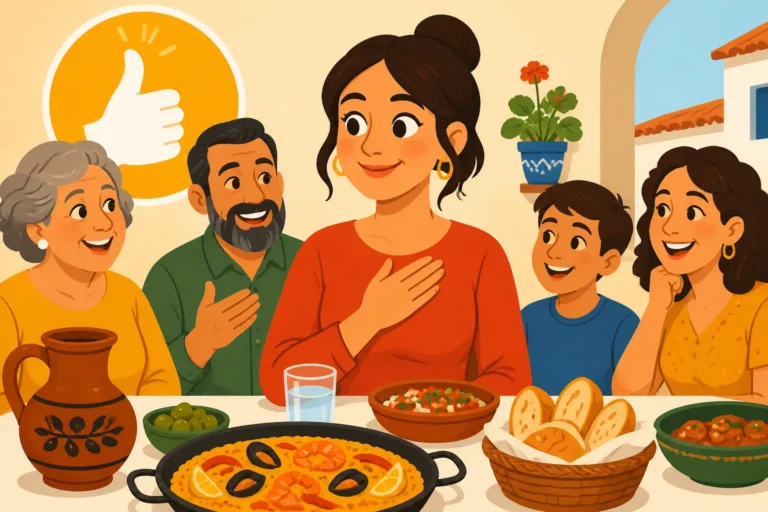
In Spain, lunch is the main event, usually occurring between 2:00 PM and 4:00 PM. This is actually a blessing for families. Most restaurants offer a "Menú del Día," which is a three-course meal that is affordable and fast-paced compared to evening dining. By making lunch your biggest meal, you take the pressure off the late-night dinner scene. If you find your kids are starving by 6:00 PM, look for a "merienda." This is the traditional afternoon snack, usually involving a pastry, a sandwich (bocadillo), or churros. Understanding Spanish Meal Times and Dining Etiquette Explained is the first step to avoiding "hangry" outbursts in the middle of a beautiful plaza.
The "Siesta" is also misunderstood by many visitors. While people in big cities don't always nap, many smaller shops and even some pharmacies will close between 2:00 PM and 5:00 PM. This is the perfect time to head back to your accommodation for some downtime or pool time. If you are staying in a central area, you can easily use Booking.com to find apartments with kitchenettes, which allows you to prep early snacks for the kids when the local restaurants are still shuttered. Embracing this midday lull prevents the dreaded overstimulation that comes from trekking through heat and crowds during the hottest part of the day.
Finally, do not be afraid of the late nights. You will see Spanish children playing in the plazas well past 10:00 PM. The culture here is incredibly inclusive of children; they are welcome almost everywhere, from tapas bars to high-end cafes. If your kids can handle a stroller nap, you can enjoy a glass of wine and some Iberian ham while they sleep beside you in the cool evening air.
Strategic Logistics: Transport and Accommodations for Families
Getting from point A to point B in Spain can either be a highlight of the trip or a logistical nightmare. For families, the high-speed train network (AVE) is your best friend. It is fast, clean, and has plenty of room for strollers and restless legs. When planning your route, using a platform like Omio is essential because it allows you to compare train, bus, and flight options in one view, often showing family discounts that aren't immediately obvious on local sites.
When it comes to where to sleep, the "hotel vs. apartment" debate is usually won by the apartment. Having a washing machine and a fridge is a game-changer when you are traveling with kids. When searching on Booking.com, filter for properties with a "Superhost" status or high family ratings. Look specifically for the word "ascensor" (elevator). Many charming buildings in the old quarters of Seville or Madrid are four stories high with narrow, winding stairs—a nightmare if you are hauling a double stroller and three suitcases.
Family Transport Comparison Table
| Transport Mode | Best For | Pros for Families | Cons for Families |
|---|---|---|---|
| AVE Train | Long distances (e.g., Madrid to Seville) | High speed, spacious, cafeteria car, easy stroller storage. | Can be expensive if not booked in advance via Omio. |
| Rental Car | Exploring rural areas or the coast | Complete flexibility, door-to-door service, private space. | Parking in cities is expensive and difficult; narrow streets. |
| City Metro | Navigating Madrid or Barcelona | Cheap, fast, kids often ride free or at a discount. | Not all stations have elevators; very crowded during rush hour. |
| Intercity Bus | Budget travel to smaller towns | Cost-effective, wide coverage of the country. | Longer travel times; less room to move around compared to trains. |
For those planning to use the rail system, checking High-Speed Trains in Spain (AVE): Routes, Booking, and Savings will help you snag the best seats before they sell out. If you do decide to drive, remember that car seats are mandatory and strictly enforced. Most major rental agencies provide them, but they can be pricey. If you are staying for more than a week, sometimes it is cheaper to buy a basic one at a local Carrefour or El Corte Inglés.
Choosing the Right Destinations for Different Ages
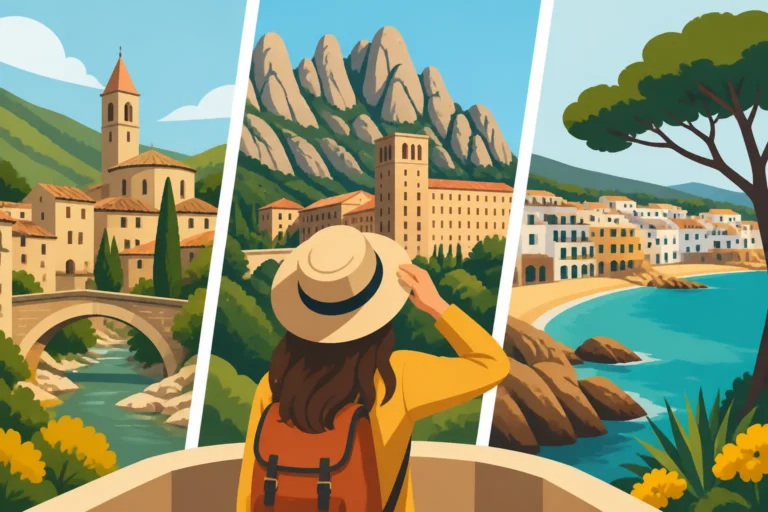
Spain is not a "one size fits all" destination. A trip that works for a teenager in Barcelona might be exhausting for a newborn in the hilly white villages of Andalusia. To keep the stress levels low, pick one or two "hubs" rather than trying to see the whole country in ten days.
Valencia is arguably the most family-friendly city in Spain. It is flat, making it perfect for strollers, and it houses the City of Arts and Sciences, which includes Europe’s largest aquarium. You can use GetYourGuide to book skip-the-line tickets for the Oceanogràfic, which is a lifesaver when the queue is an hour long and the sun is beating down. The city also features the Turia Gardens, a massive park built in a diverted riverbed that runs through the entire city, full of playgrounds and bike paths.
If you are looking for sun and sand, the Costa Blanca or the Balearic Islands are fantastic. However, you need to know What Are the Best Family Beaches in Spain? to avoid the "party" beaches and find the ones with shallow, calm water and nearby facilities. In contrast, Madrid offers a more urban adventure. Retiro Park is a must-visit where you can rent a rowboat, and the various museums often have kid-specific workshops if you book ahead.
For those traveling with very young children, refer to How to Travel Spain With a Baby or Toddler for specifics on finding baby food (look for "potitos") and understanding which plazas have the best shade. No matter where you go, try to balance "adult" sightseeing with "kid" activities. If you spend the morning at the Prado Museum, spend the afternoon at a local "parque de bolas" (indoor soft play) or a splash pad. You can find many of these smaller, local activities and tours through GetYourGuide, which often lists unique family workshops like chocolate making or tile painting.
Health, Safety, and Essential Paperwork
One of the most stressful parts of international travel is the "what if" regarding health and safety. Fortunately, Spain has an excellent healthcare system. Pharmacies here are marked by a glowing green cross and are staffed by highly trained professionals who can provide consultations for minor ailments like ear infections or rashes. This often saves you a trip to the doctor.
However, for more serious issues, you should know how to access Emergency Healthcare in Spain: 112, Urgent Care, and What to Expect. Always travel with comprehensive insurance. If you have an emergency, the number is 112, and operators usually speak English in the major tourist regions.
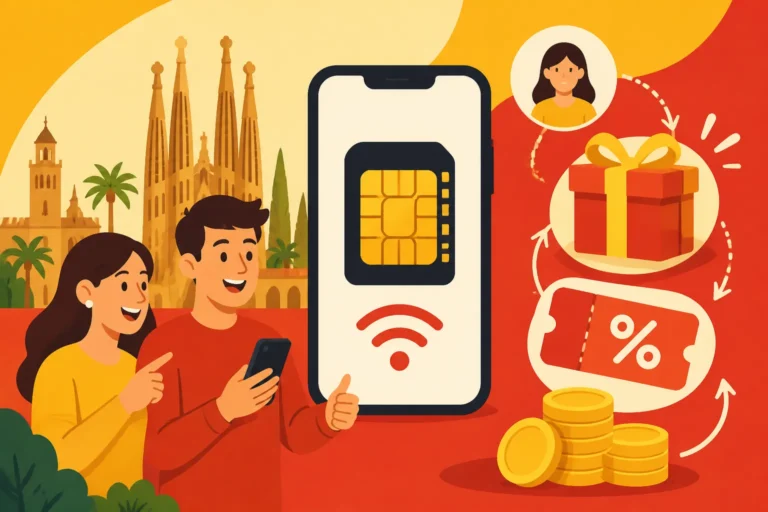
Before you even leave the airport, ensure you are connected. Having data is vital for navigating Google Maps and using translation apps. Check our guide on the Best Way to Get a SIM Card in Spain as a New Arrival to avoid exorbitant roaming charges. Being able to look up the nearest "Urgencias" (emergency room) or book a last-minute ticket on Omio while sitting in a cafe will significantly lower your stress levels.
Practical Packing List for Spain
- Portable Fan: Essential for the summer months.
- Sturdy Stroller: One with large wheels for cobblestones, yet compact enough for small elevators.
- Reusable Water Bottles: Tap water in most of Spain is safe and there are many public fountains.
- Universal Power Adapter: Spain uses Type C and Type F plugs.
- Lightweight Clothing: Natural fibers like linen or cotton are best for the heat.
When booking your activities, especially for popular sites like the Alhambra in Granada or the Sagrada Familia in Barcelona, use GetYourGuide to ensure you have a confirmed time slot. Showing up with kids and finding out the next available entry is in four hours is a recipe for a holiday disaster. Similarly, keep your booking confirmations organized in one app or folder—Booking.com has a great offline feature for this—so you aren't fumbling with papers at the check-in desk while the kids are running circles around the lobby.
Final Thoughts on the "Slow Travel" Approach
The secret to a stress-free family trip to Spain is doing less. It is tempting to try and see Madrid, Barcelona, Seville, and Mallorca all in one go, but the travel time between these locations will eat up your vacation and exhaust your children. Instead, pick a base and explore the surrounding area. Spain’s regional diversity means that even staying in one province can feel like visiting three different countries.
If you find yourself overwhelmed by the bureaucracy or the planning, remember that the Spanish people generally adore children. A crying baby in a restaurant isn't met with glares; it’s usually met with a waiter trying to make the baby laugh or a grandmother at the next table offering a sympathetic smile. Lean into that warmth, stay hydrated, and remember that in Spain, there is always time for one more scoop of gelato.
Disclaimer
The information provided in this guide is for informational purposes only and does not constitute legal, financial, or medical advice. While we strive to provide the most up-to-date facts about traveling in Spain, regulations, prices, and services can change without notice. Always verify specific requirements with official government sources or professional service providers before making travel arrangements.