How to Visit the Alhambra: Tickets, Timing, and Tips
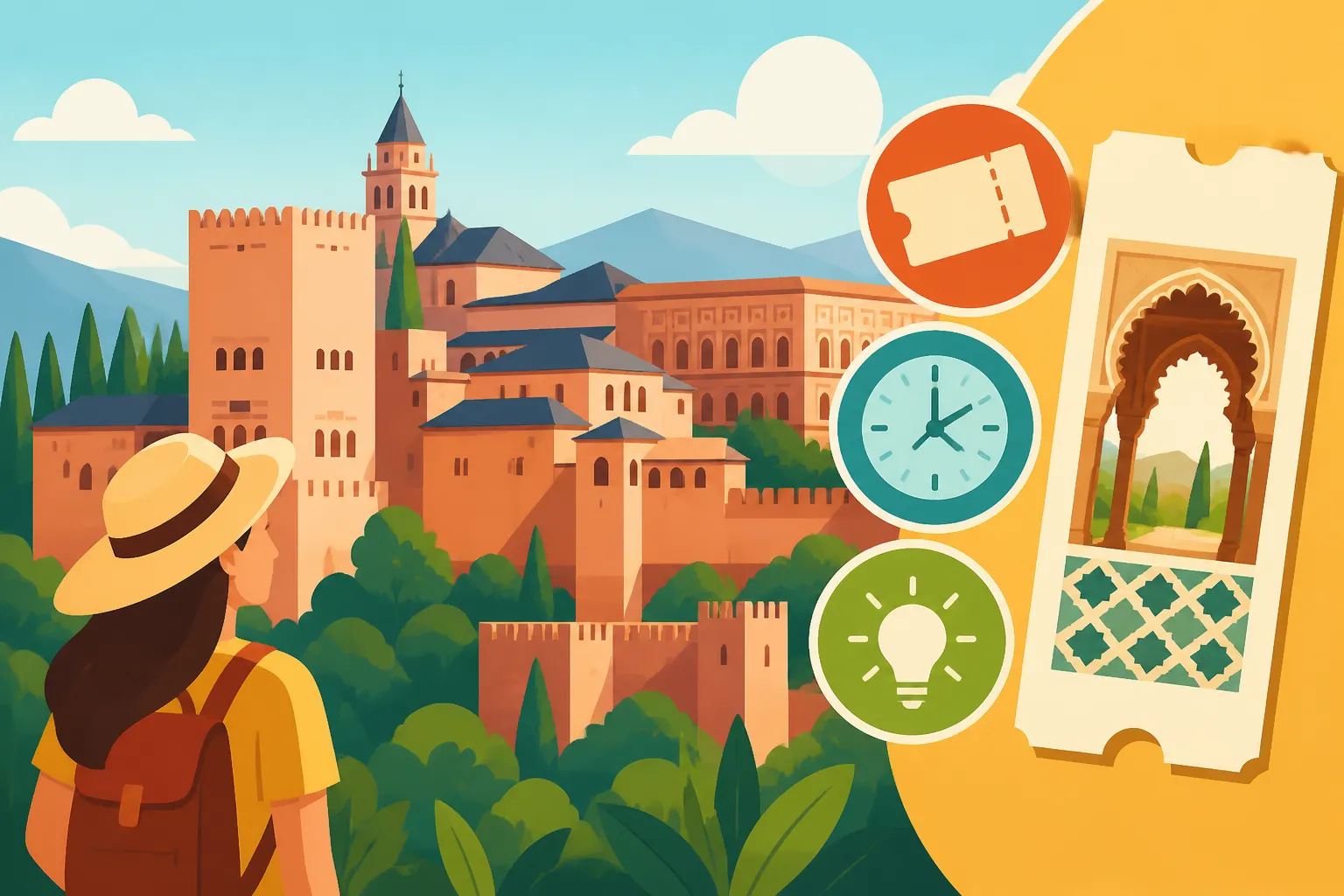
Planning a trip to Granada's crown jewel often feels like a full-time administrative job, filled with sold-out calendars and confusing time slots that leave even the most seasoned travelers frustrated. This guide dismantles the complexity of the booking process, provides a realistic survival strategy for the crowds, and offers the local insights you need to ensure your visit to the Alhambra is a highlight rather than a logistical nightmare.
Disclosure: This post may contain affiliate links. We may earn a commission at no extra cost to you if you make a purchase through these links. Read full disclosure.
Navigating the Complex Ticket Ecosystem
The first thing you learn as an expat in Spain is that bureaucracy isn't just for residency permits; it extends to the country’s most famous monuments. The Alhambra operates on a strict quota system, and if you think you can simply stroll up to the gate on a sunny Tuesday afternoon and buy a ticket, you are in for a heartbreak. Tickets often sell out three to four months in advance, especially for the high season between April and October.
There are several ticket types, but the one most people want is the Alhambra General. This includes the Nasrid Palaces (Palacios Nazaríes), the Partal, the Alcazaba (the fortress), and the Generalife (the gardens and summer palace). If the official site is sold out, do not panic immediately. Many visitors find success by checking for guided tours on platforms like GetYourGuide, which often have separate allocations of tickets bundled with professional insights. This is frequently the only way to secure a spot if you’ve left your planning until the last minute.
When booking, you must provide your passport or ID number. This is non-negotiable. Spain has implemented a nominal ticket system to prevent scalping, meaning the name and ID on the ticket must match the physical document in your hand. Many distraught tourists are turned away at the entrance to the Nasrid Palaces because they brought a photocopy or a different ID than the one used during the booking process. Treat your Alhambra ticket and your passport like gold.
Official Site vs. Third-Party Resellers
The official booking portal is managed by the Patronato de la Alhambra y Generalife. It is functional but can be temperamental with international credit cards. If you are traveling from other parts of the country, you might be using Traveling Around Spain: Trains, Buses, Flights, and Car Hire to coordinate your arrival, so ensure your ticket time aligns with your transport. If you find the official site too clunky or it shows no availability, companies like GetYourGuide provide a much smoother user interface and the added value of a guide who can explain the complex history of the Moorish kings, which is often missing if you wander through alone.
What to Do When Tickets Are Sold Out
If the general tickets are gone, you might still find "Gardens, Generalife, and Alcazaba" tickets available. These do not include the Nasrid Palaces, but they still allow you to see about 80% of the complex. Another "pro-tip" for those already in Granada is to check the official website at midnight Spanish time. Occasionally, canceled tickets or unallocated group slots are released back into the system for the following day. It requires a bit of luck and a late night, but it has saved many trips.
| Ticket Type | Includes Nasrid Palaces? | Best For |
|---|---|---|
| Alhambra General | Yes | First-time visitors wanting the full experience. |
| Gardens, Generalife, Alcazaba | No | Last-minute visitors or those who prefer nature over architecture. |
| Night Visit to Nasrid Palaces | Yes | Photography enthusiasts and those avoiding the heat. |
| Night Visit to Gardens | No | Romantic evening strolls without the crowds. |
| Granada Card | Yes (usually) | Expats staying for a few days who want to see multiple museums. |
Mastering the Timing and the Nasrid Palaces Slot
The most important detail on your ticket is the specific time printed for the Nasrid Palaces. This is not your entry time to the entire Alhambra complex; it is a strict 30-minute window for the Palaces only. If your ticket says 10:00, you must be in the queue for the Nasrid Palaces by 10:00. If you show up at 10:35, the guards will almost certainly refuse you entry. Given that the Alhambra is vast, you need to calculate the walking time from the main entrance to the palace gates, which is at least 15 to 20 minutes of brisk walking.
It is wise to book the earliest possible slot for the Nasrid Palaces, ideally 8:30 or 9:00. By doing this, you enter before the massive tour groups that arrive by bus mid-morning. If you can't get an early slot, the late afternoon is your next best bet. The light in the Court of the Lions during the "golden hour" is spectacular for photography. If you are coming from Madrid via High-Speed Trains in Spain (AVE): Routes, Booking, and Savings, try to arrive the night before so you aren't rushing from the station to the monument.
Seasonal Considerations for Your Visit
Granada is a city of extremes. In July and August, the Alhambra can feel like a furnace, with temperatures easily soaring past 40°C. There is limited shade in the Alcazaba and parts of the Generalife. Conversely, winter in Granada can be surprisingly biting, especially with the wind coming off the Sierra Nevada. To make the most of your trip, aim for May, June, or September. If you must visit in summer, the night visits are a revelation. While you won't see the colorful flowers of the Generalife as clearly, the illuminated stonework of the palaces is hauntingly beautiful and significantly cooler.
Planning Your Route Through the Complex
A common mistake is trying to see everything in two hours. You need a minimum of four. If your Nasrid Palaces slot is in the middle of your visit, plan your route around it. It is usually wise to visit the Generalife first if your palace slot is later in the day. The Generalife is located at the far end of the complex, and walking back toward the center allows you to hit the Palace of Charles V and the Alcazaba before your timed entry. For those exploring Seville, Granada, and Córdoba: Andalusia's Great Cities, remember that each city has its own pace, but Granada’s Alhambra is the most physically demanding of the major sights.
Practical Logistics and Expat Advice
Getting to the Alhambra is an uphill battle—literally. It sits atop the Sabika Hill, overlooking the city. While you can walk up from Plaza Nueva via the Cuesta de Gomérez, it is a steep climb that will leave you sweaty before you even scan your first ticket. Instead, use the red "Alhambra Bus" (lines C30 or C32) that leave frequently from Isabel la Católica square. They are cheap, efficient, and save your legs for the miles of walking you’ll do inside.
For accommodation, many people make the mistake of staying too far away. Using a site like Booking.com to find a hotel in the Realejo or the lower Albaicín puts you within walking distance of the bus stops and the best tapas bars. Staying in the Albaicín gives you the added benefit of seeing the Alhambra lit up at night from the San Nicolás viewpoint, which is an essential Granada experience. If you are coming from further afield, you can use Omio to compare bus and train prices to Granada, ensuring you arrive with plenty of time to check into your hotel before your scheduled visit.
What to Pack and What to Wear
The Alhambra involves a lot of walking on uneven stone surfaces and gravel. This is not the place for flip-flops or high heels. Wear broken-in walking shoes or sneakers. You should also bring a refillable water bottle; there are several historic fountains with potable water throughout the grounds where you can top up. However, be aware that large backpacks are not allowed inside the Nasrid Palaces. There are lockers near the Wine Gate (Puerta del Vino), but they fill up fast. Travel light if you can.
Security is tighter than you might expect for a historic site. You will have your ticket scanned at several different checkpoints: once at the main entrance, once at the Alcazaba, once at the Nasrid Palaces, and once at the Generalife. Do not throw your ticket away until you have physically left the entire complex. While the city is generally safe, it's always wise to review Staying Safe in Spain: Practical Safety Tips for New Residents to keep your belongings secure in crowded areas like the palace queues.
Post-Visit Rewards: Tapas and Rest
Once you emerge from the Alhambra, you will be exhausted. The local tradition in Granada is one of the most generous in Spain: with every drink you order, you get a free tapa. It is the perfect way to refuel. I recommend heading down into the Realejo neighborhood rather than eating at the overpriced kiosks directly outside the Alhambra gates. Understanding Spanish Tapas Culture: How to Order and Where to Go will help you navigate the busy bars where locals congregate.
If you are a coffee lover, taking a break at a local "cafetería" is a must. Learning Spanish Bar and Café Etiquette for Newcomers will ensure you know how to order your "café con leche" and find a spot to rest your feet. Remember that Spanish Meal Times and Dining Etiquette Explained are different than in many other countries; if you finish your tour at 4:00 PM, most kitchens will be closed for lunch, so you'll be relying on those tapas bars that stay open all day.
Beyond the Palaces: The Albaicín and Sacromonte
To truly "visit" the Alhambra, you must also see it from the outside. The neighborhood directly opposite the hill is the Albaicín, an ancient Moorish quarter of winding white alleys. Walking through this area is like stepping back in time. It is also where you will find the best views of the fortress. While the Alhambra is the main draw, Granada's soul is in these streets. If you have managed your transport via Omio and have an extra day, don't miss the cave dwellings of Sacromonte, famous for its history of flamenco.
Managing the logistics of a Granada trip can be overwhelming, but it is worth every bit of effort. From coordinating your trains using Public Transport in Spain: Cards, Discounts, and Etiquette to securing that elusive palace entry via GetYourGuide, the key is preparation. Granada is a city that rewards those who plan but also those who know how to slow down and enjoy the "mañana" lifestyle once the tickets are safely in hand. Whether you are a tourist or an expat living in one of Madrid, Barcelona, and Spain's Great Cities: Explorer's Guide, the Alhambra remains the ultimate testament to Spain's layered and fascinating history.
Disclaimer
This guide provides information based on current travel norms and administrative procedures in Spain. Please be aware that ticket prices, opening hours, and entry requirements for the Alhambra are subject to change by the Patronato de la Alhambra y Generalife. Always verify the latest official regulations and travel advisories before your trip. The author is not responsible for any changes in site policies or ticket availability.