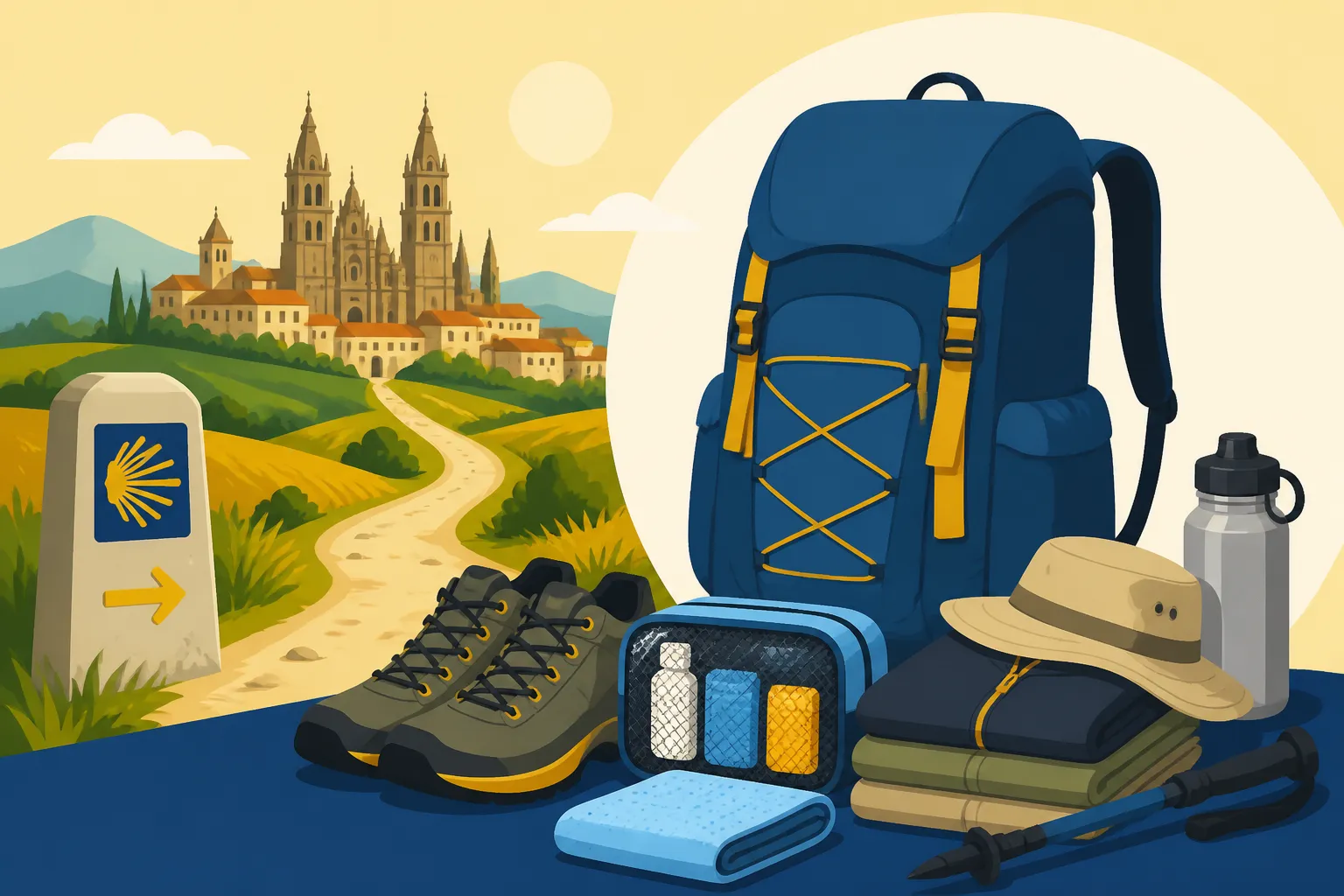
What to Pack for Hiking the Camino de Santiago
Oh, the Camino de Santiago! It's a journey that calls to so many of us, promising adventure, reflection, and breathtaking Spanish landscapes. But before you even take your first step, there’s that inevitable moment of staring at an empty backpack, wondering how on earth you're going to fit everything you might need into something you also have to carry for hundreds of kilometers. Trust me, I've been there, overpacked, underpacked, and learned the hard way. This guide is here to cut through the noise and help you meticulously pack for your Camino adventure, ensuring you’re prepared without being weighed down.
The Golden Rule of Camino Packing: Less is More (But Smart Less!)
When you're embarking on a pilgrimage like the Camino, every single gram feels like a kilo by the end of the day. The seasoned peregrinos (pilgrims) will tell you that the biggest mistake newcomers make is bringing too much. It's a fine line, though, between packing light and wishing you had that extra layer when the temperature drops unexpectedly. The key isn't just less, it's smart less – choosing multi-functional, high-quality items that genuinely earn their space in your pack.
Disclosure: This post may contain affiliate links. We may earn a commission at no extra cost to you if you make a purchase through these links. Read full disclosure.
Your Backpack: Your Home on Your Back
This isn't just a bag; it's your portable dwelling for the next few weeks. Choosing the right backpack is paramount. For most Camino routes, a 35-50 liter backpack is ample. Anything larger, and you'll be tempted to fill it, leading to unnecessary weight. Look for one with good hip support, adjustable straps, and adequate padding. A rain cover is also non-negotiable, as you'll encounter unpredictable weather, especially in regions like Galicia.
Before you even start loading it with gear, try it on, empty, and then with some weight. Adjust the straps to ensure the majority of the weight sits on your hips, not your shoulders. Walk around your house, up and down some stairs. A good fit will make a world of difference. Brands like Osprey, Deuter, and Gregory are popular among hikers for their ergonomic designs and durability. Remember, comfort is king when you're carrying your life on your back for weeks on end.
Clothing: Layers, Layers, Layers
The mantra for Camino clothing is simple: layers. Spain's weather can be surprisingly varied, even within a single day. You might start your morning in a chilly fog and end it sweating under a blazing sun. Prioritize quick-drying, breathable fabrics, preferably merino wool or synthetic blends. Cotton is a no-go for active wear as it holds moisture and takes ages to dry, leading to chafing and chills.
Think in terms of two to three sets of clothing: one to wear, one to wash, and one emergency set. This allows you to wash clothes almost daily, which is easy to do in albergues (pilgrim hostels) and helps keep your pack light. Focus on versatile pieces: a good base layer, a mid-layer for warmth (fleece is excellent), and a waterproof yet breathable outer shell. Don't forget a couple of pairs of walking socks – again, merino wool or good quality synthetics are your best friends to prevent blisters. For evenings, a comfortable, lightweight t-shirt and trousers or shorts will be perfect for relaxing.
Footwear: Your Most Important Decision
I cannot stress this enough: your feet are your most valuable asset on the Camino. Treat them like gold. The wrong footwear can turn an inspiring pilgrimage into a painful ordeal. This section deserves your absolute full attention.
The Walkers and the Campers: Distinguishing Between Shoes
Most pilgrims opt for either sturdy hiking boots or lighter trail shoes.
- Hiking Boots: Offer excellent ankle support and are great for uneven terrain, especially if you have weak ankles. They tend to be more waterproof, which is a blessing in the often rainy northern regions. However, they are heavier and can be hot, potentially leading to sweat-related blisters. Ensure they are well broken-in before you start – never bring new boots on the Camino!
- Trail Shoes: Lighter, more breathable, and quicker to dry. They are a popular choice for their comfort and flexibility on the generally well-maintained Camino paths. They offer less ankle support and water resistance than boots, so consider waterproof versions or be prepared for wet feet.
Regardless of your choice, make sure they fit perfectly, with enough room for your toes to wiggle, especially when walking downhill. Your feet will swell, so trying them on at the end of the day with your preferred walking socks is a good idea.
Beyond your main walking shoes, you must have a pair of lightweight, comfortable sandals or flip-flops. These are crucial for letting your feet breathe and recover in the evenings, walking to the shower in albergues, and for short strolls around town. Trust me, after 20-30 kilometers, slipping into something breezy will feel like heaven. Crocs are surprisingly popular for this very reason among pilgrims!
Blister Prevention and Care
Blisters are the bane of every pilgrim's existence. Prevention is far better than cure.
- Socks: Invest in good quality, moisture-wicking socks. Many pilgrims swear by double-layer socks or wearing a thin liner sock under a thicker walking sock.
- Foot Care: Keep your feet clean and dry. Consider applying Vaseline or an anti-chafing balm to susceptible areas before you start walking each day. Trim your toenails.
- Break-In Period: Walk, walk, walk in your chosen shoes and socks for months before you leave. This conditions your feet and identifies any hot spots early.
- Immediate Action: At the first sign of a "hot spot" (that tell-tale tingle that signals a blister forming), stop immediately. Don't wait. Apply moleskin, Compeed, or duct tape to protect the area.
Your first-aid kit, which we’ll cover in more detail, should be well-stocked with blister plasters, antiseptic wipes, and a needle and thread (sterilized!) for draining larger blisters. Having proper Spanish Medical Terminology: Common Words Expats Should Know can also be incredibly helpful if you need to explain foot issues to a local pharmacist or doctor.
Essentials Beyond Clothing and Shoes
Once the big two are sorted, it’s time to fill in the gaps with other crucial items that will enhance your comfort, safety, and overall experience on the trail.
Personal Care and First Aid
Minimalism is still the mantra here. Decant your toiletries into travel-sized containers.
- Toiletries: Toothbrush, toothpaste, small soap bar (can double for body and laundry), small shampoo, travel-size deodorant, sunscreen (essential!), lip balm with SPF, and a small quick-drying towel. Many albergues don't provide towels, so your own lightweight, quick-drying one is a must.
- First Aid Kit: This is non-negotiable. Beyond the blister supplies mentioned, include pain relievers (ibuprofen is a popular choice for muscle aches), antiseptic wipes, small bandages, medical tape, insect repellent (especially in warmer months), and any personal prescription medications you need. Keep a small roll of toilet paper and hand sanitizer easily accessible for those moments when nature calls away from facilities. Thinking about What to Bring to Your First Doctor Visit in Spain (Documents Checklist) before you go might also help prepare you for any unexpected health issues on the road.
Navigation, Documents, and Money
Staying on track and secure requires some planning.
- Credential del Peregrino: This is your pilgrim passport, essential for receiving stamps along the way and gaining access to albergues. You'll get it at your starting point or beforehand.
- Identification: Your actual passport or national ID card, along with a photocopy (stored separately) and digital copies on your phone or in the cloud. You’ll need it for albergue check-ins and if you plan to travel by train using services like Omio to get to your starting point or home from Santiago.
- Money: While cards are widely accepted in larger towns, smaller villages and some albergues operate on a cash-only basis. Have a mix of cash and a credit/debit card. Inform your bank of your travel plans to avoid card freezes. Consider using a money belt or a secure pouch under your clothes. For more tips on managing your finances, check out Money for Travel in Spain: Cards, Cash, and ATMs.
- Navigation: While the Camino is well-marked with yellow arrows and scallop shells, having a physical map (or a printout of your stage) and a reliable offline map app on your phone (like Gaia GPS, AllTrails, or Camino Ninja) can be a lifesaver, especially if you wander off track or just want to check distances. Don't forget a compass if you're old school!
Miscellaneous Must-Haves
These are the items you'll be glad you brought, often when you least expect it.
- Power Bank/Portable Charger: Your phone will be your camera, navigator, and communication device. A power bank ensures you're never stranded with a dead battery.
- Headlamp or Small Flashlight: Absolutely essential for early morning starts before the sun rises, navigating dark albergue dorms without disturbing others, or finding your way in unlit areas.
- Earplugs and Eye Mask: Albergues can be noisy places, with snoring, early risers, and general pilgrim chatter. These are crucial for a good night's sleep.
- Water Bottle/Hydration Pack: Stay hydrated! A 1-2 liter water bottle or a hydration bladder for your backpack is key. You'll find fountains (fuentes) along the route, but sometimes they're few and far between.
- Small, Lightweight Backpack/Daypack: Not for walking, but handy for laundry, shopping, or carrying essentials if you decide to explore a town on a rest day.
- Shell/Small Clothesline and Pegs: For drying laundry in albergues or even outside your backpack as you walk.
- Safety Whistle: A small, simple safety measure, especially if walking alone in remote areas.
Seasonal and Regional Considerations for Your Pack
Spain is a diverse country, and the Camino routes stretch across different climates and terrains. What you pack for the Camino Francés in August will be vastly different from what you need for the Camino Primitivo in October.
Summer vs. Winter Camino
- Summer (June-August): Expect hot, dry weather on many routes, especially in the Meseta region (Castilla y León) of the Camino Francés. Sun protection is paramount: wide-brimmed hat, sunglasses, high-SPF sunscreen, and lightweight, breathable clothing. Dehydration is a real risk, so carry plenty of water. Evenings can still be cool, so a light jacket or fleece is wise. Consider Heatwaves in Spain: Health Precautions for Expats.
- Winter (December-February): This is a much tougher Camino experience. You'll face colder temperatures, rain, and potentially snow, especially at higher elevations or in northern regions like Galicia. Waterproof hiking boots, warm layers (thermal base layers, thick fleece, down jacket), gloves, a warm hat, and waterproof outer layers are absolutely essential. Some albergues and services may be closed, so planning your stops in advance is critical.
- Shoulder Seasons (Spring/Autumn): These are often considered the best times to walk. Expect a mix of weather – glorious sunny days, but also sudden rain showers and chilly mornings/evenings. Pack versatile layers, including good waterproofs, and be prepared for anything. Air Quality and Allergies in Spain: Seasonal Tips for New Residents might also be a good read if you're prone to seasonal sniffles.
Northern vs. Southern Routes
While the most popular routes like the Camino Francés and Camino Portugués have generally similar packing needs, regional variations exist. The Northern Routes (Camino del Norte, Camino Primitivo) are often more mountainous and can experience more rainfall and cooler temperatures, even in summer. The flatter, more exposed sections of the Meseta on the Camino Francés mean extreme sun exposure.
Always research the specific route you plan to take and the time of year. Websites and forums dedicated to the Camino are excellent resources for up-to-the-minute advice on conditions and what others are packing. Remember, the goal is to be prepared, not to carry your entire wardrobe! If you're planning any additional activities before or after your walk, like exploring cities or specific tours, platforms like GetYourGuide offer many options, and you can adjust your post-Camino packing accordingly. For accommodation during your Camino journey, or even for your arrival and departure points, Booking.com is a great resource to find pilgrim-friendly stays or comfortable hotels.
Here's a handy checklist to help you visualize your packing strategy:
| Category | Essential Items | Optional (Consider Weight) |
|---|---|---|
| Backpack | 35-50L Backpack + Rain Cover | Small lightweight daypack |
| Footwear | Hiking Boots/Trail Shoes (broken-in), Sandals/Flip-flops | |
| Clothing (2-3 sets) | Wicking T-shirts, Walking Trousers/Shorts, Mid-layer Fleece, Waterproof Jacket, Waterproof Trousers, Underwear, Walking Socks | Casual shirt/dress, Warm hat, Gloves (seasonal) |
| Sleep | Sleep Sheet/Liner, Earplugs, Eye Mask | Sleeping Bag (lightweight, seasonal) |
| Navigation | Pilgrim Credential, Map/Guidebook (optional), Phone with offline maps | Compass |
| Documents/Money | Passport/ID, Copies (physical/digital), Cash, Credit/Debit Card | Money Belt |
| Toiletries | Toothbrush/Paste, Small Soap, Shampoo, Deodorant, Sunscreen, Lip Balm, Quick-dry Towel | Razor, Moisturizer |
| First Aid | Blister Kit (Compeed!), Pain Relievers, Antiseptic Wipes, Bandages, Personal Meds, Insect Repellent | Muscle Rub, Tweezers |
| Miscellaneous | Power Bank, Headlamp, Water Bottle/Hydration Pack, Clothesline, Safety Whistle | Small Knife, Hiking Poles (rent/buy locally), Journal |
Remember, your Camino is a personal journey. While this guide provides a solid foundation, you might find you have specific needs. Don't be afraid to adjust based on your personal experience and comfort. Buen Camino!
Disclaimer
The information provided in this guide is for general informational purposes only and does not constitute professional advice. While we strive to provide accurate and up-to-date information, local regulations, conditions, and availability of services in Spain can change rapidly. Always consult official sources, relevant authorities, and healthcare professionals for specific guidance. We are not responsible for any loss or inconvenience experienced as a result of relying on this information.