How to Choose Between Tenerife and Gran Canaria
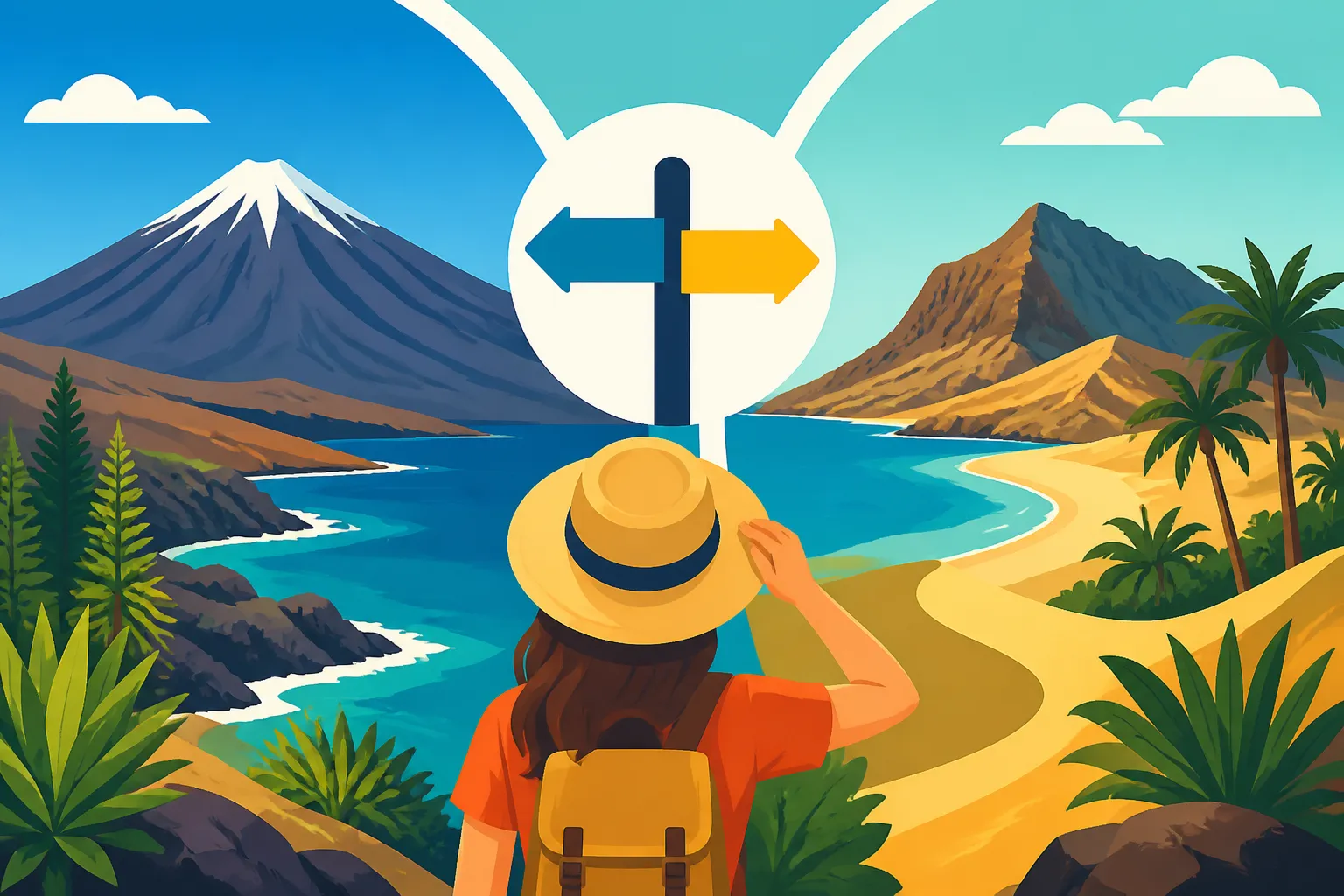
Oh, the age-old expat dilemma when planning a sunny escape from mainland Spain! You've heard the whispers, seen the dazzling photos, and now you're faced with the delightful but perplexing choice: Tenerife or Gran Canaria? Both are crown jewels of the Canary Islands, each promising a slice of paradise, but trust me, after years of navigating Spain's unique charms (and its bureaucratic quirks!), I can tell you they offer distinctly different experiences. This guide is here to cut through the noise, validate your indecision, and help you pinpoint which of these stunning islands will truly speak to your soul, whether you're seeking adventure, relaxation, or something in between.
Disclosure: This post may contain affiliate links. We may earn a commission at no extra cost to you if you make a purchase through these links. Read full disclosure.
Tenerife: The Island of Contrasts and Majestic Peaks
Tenerife, the largest of the Canary Islands, truly lives up to its nickname, "the island of contrasts." It's a place where you can find black sand beaches giving way to lush green forests, and charming historic towns nestled beneath the shadow of Spain's highest peak.
Climate and Landscape
The climate in Tenerife is famously diverse, often described as having microclimates. The south of the island, encompassing popular resorts like Playa de las Américas and Los Cristianos, is typically sunnier, warmer, and drier, enjoying consistent temperatures year-round, usually hovering between 20-30°C (68-86°F). This is your classic sun-holiday destination. However, venture north, and you'll find a dramatically different scene. The north, with towns like Puerto de la Cruz, is greener, more humid, and often a few degrees cooler, experiencing more cloud cover and occasional rainfall, especially in winter. This lushness is thanks to the trade winds bringing moisture from the Atlantic.
The landscape is dominated by Mount Teide, a majestic volcano and Spain's highest peak, which is part of Teide National Park. The park itself is a UNESCO World Heritage site, offering a surreal, lunar-like landscape that feels utterly otherworldly. You'll find ancient laurel forests (Anaga Rural Park), dramatic cliffs (Los Gigantes), and a mix of golden and volcanic black sand beaches. The geological diversity here is astounding, from volcanic badlands to fertile valleys.
Activities and Attractions
Tenerife is a playground for all types of travelers. For the adventurous, hiking up Mount Teide (with a permit for the summit) is an unforgettable experience, offering breathtaking panoramic views that stretch across the archipelago. The national park offers numerous trails for all fitness levels. Water sports are abundant, from diving and snorkeling in the clear waters to whale and dolphin watching tours that depart regularly from Los Cristianos and Puerto Colón.
Beyond nature, you'll find plenty to keep you entertained. Siam Park, consistently ranked as one of the best water parks in the world, offers thrilling rides and a huge wave pool. Loro Parque, a renowned animal park, is another popular attraction, especially for families. For culture vultures, the capital Santa Cruz de Tenerife boasts impressive architecture, museums, and a vibrant carnival scene, second only to Rio de Janeiro in scale. La Laguna, a UNESCO World Heritage city in the north, offers a beautifully preserved historic center, perfect for leisurely strolls through cobbled streets and admiring colonial buildings. You can even book guided tours through platforms like GetYourGuide to explore these historical gems or embark on a stargazing experience at Teide National Park.
Vibe and Demographics
Tenerife truly caters to a broad spectrum of visitors. The south is undeniably geared towards mass tourism, attracting families, couples, and party-goers seeking sun, sand, and lively entertainment. English is widely spoken, and you'll find an abundance of international restaurants and bars. This is where many Northern European expats, particularly from the UK and Germany, have settled, creating a strong expatriate community.
The north, on the other hand, has a more authentic, Spanish feel. It appeals to those seeking a quieter, more cultural experience, with charming towns, local eateries, and a relaxed pace of life. You'll find more Spanish and Latin American residents here, alongside a smaller community of expats drawn to its natural beauty and less commercialized atmosphere. For those seeking a deeper dive into local life, exploring local markets and guachinches (traditional, family-run eateries) is a must. If you're pondering where to live, understanding the Cost of Living in Spain: Realistic Budgets and Savings Tips can really help.
Gran Canaria: The Miniature Continent
Gran Canaria is often referred to as a "miniature continent" due to its incredible range of landscapes packed into a relatively small area. From vast sand dunes to dramatic mountains and bustling cities, it offers an astonishing variety.
Climate and Landscape
Similar to Tenerife, Gran Canaria also experiences a distinct north-south climate divide. The southern coast, home to resorts like Maspalomas, Playa del Inglés, and Puerto Rico, is exceptionally sunny and warm year-round, often boasting over 300 days of sunshine annually. Temperatures are consistently mild to hot, making it a reliable destination for beach holidays. The north is, again, greener and more prone to cloud cover and cooler temperatures, especially in winter.
The landscape is strikingly diverse. The famous Maspalomas Dunes, a natural reserve resembling a mini-Sahara, are a highlight in the south. Inland, you'll discover a rugged, mountainous interior with deep ravines, volcanic calderas, and pine forests. The Roque Nublo, a dramatic volcanic rock formation, is a popular hiking destination and a symbol of the island. The east coast is generally flatter, while the west is wilder and more dramatic, with winding roads and secluded coves. This diverse terrain makes for incredible opportunities for outdoor pursuits.
Activities and Attractions
Gran Canaria offers an array of activities. The Maspalomas Dunes are perfect for sunset walks or camel rides, providing an iconic photo opportunity. Beach lovers will be spoiled for choice, from the golden sands of Playa del Inglés to the sheltered coves of Puerto de Mogán. The island is also a renowned surfing destination, particularly for beginners and intermediates.
For hikers, the mountainous interior provides challenging trails with spectacular views. Cycling, both road and mountain biking, is incredibly popular here due to the varied terrain and excellent weather. Beyond the natural wonders, the capital Las Palmas de Gran Canaria is a vibrant city with a rich history. Explore the Vegueta old town, visit the impressive Cathedral of Santa Ana, or relax on the urban beach of Playa de Las Canteras, often hailed as one of the best city beaches in Europe. Families will enjoy Palmitos Park, a zoological and botanical garden, and Aqualand Maspalomas for water slide fun. GetYourGuide offers various excursions, from Jeep safaris through the volcanic landscape to catamaran cruises along the coast.
Vibe and Demographics
Gran Canaria's southern resorts are a melting pot of European tourists, with a particularly strong presence from Germany, Scandinavia, and the Netherlands. Playa del Inglés is famous for its vibrant nightlife and its significant LGBTQ+ community, making it one of Europe's most inclusive holiday destinations. Maspalomas is popular with families and older couples seeking relaxation. Puerto Rico focuses heavily on water sports and boat trips.
Las Palmas, in the north, feels much more like a working Spanish city, offering a more authentic urban experience. It's where many local Canarians live and work, alongside a growing community of digital nomads and expats who prefer city life and cooler temperatures. The contrast between the lively, international south and the more traditionally Spanish north is quite stark, giving visitors the option to tailor their experience significantly.
Practical Considerations for Your Trip
When weighing your options between Tenerife and Gran Canaria, it's not just about what you want to do, but also the practicalities of how you'll do it.
Getting There and Around
Both islands are well-connected by air. Tenerife has two airports: Tenerife North (TFN) and Tenerife South (TFS). TFS handles most international and mainland Spain flights, while TFN primarily serves inter-island and some domestic routes. Gran Canaria Airport (LPA) is a major hub, with numerous international and domestic connections. You can easily find flights to both islands from major Spanish cities. When booking flights, I often use platforms like Omio to compare prices and routes, ensuring I get the best deal.
Once on the island, public transport is available but can be limited, especially if you want to explore off the beaten path. Renting a car is highly recommended on both islands, giving you the freedom to discover hidden gems. Ensure you have the right documents if you're Driving in Spain: Road Rules, Fines, and What Surprises Expats. Inter-island ferries, operated by companies like Fred Olsen Express and Naviera Armas, connect Tenerife and Gran Canaria, making it possible to hop between them if you have enough time.
Accommodation and Budget
Accommodation options abound on both islands, ranging from luxury resorts to budget-friendly apartments and charming rural casas. Booking.com is an excellent resource for finding a wide array of choices to suit any budget and preference. In the south of Tenerife and Gran Canaria, you'll find large-scale resort complexes with all-inclusive options, catering to package tourists. These can offer great value if you plan to stay put and enjoy the resort amenities.
For those seeking something more authentic, consider staying in a smaller town or rural accommodation. La Laguna in Tenerife, or Agaete in Gran Canaria, offer lovely boutique hotels and guesthouses. Prices fluctuate significantly depending on the season, with peak times (Christmas, Easter, summer holidays) seeing higher rates. Generally, while you can find deals, the Canaries are a popular destination, so booking in advance is always a good idea, especially if you're traveling during popular times like Spanish Holidays and Public Closures.
Food, Nightlife, and Family Friendliness
Both islands offer fantastic culinary experiences. You'll find traditional Canarian dishes like papas arrugadas con mojo (wrinkled potatoes with sauce), fresh seafood, and a surprising variety of local cheeses. Tenerife's north and Gran Canaria's Las Palmas offer a more authentic Spanish food scene with traditional tapas bars and local restaurants. The resort areas, conversely, are packed with international eateries catering to diverse tastes. Don't miss out on trying the local wines from Tenerife's various bodegas. For an in-depth look at the local cuisine, check out our guide on Spanish Food and Drink: A Practical Culture Guide.
Nightlife varies greatly by region. Playa de las Américas in Tenerife and Playa del Inglés in Gran Canaria are the undisputed party hubs, with numerous bars, clubs, and live music venues. For a more relaxed evening, waterfront promenades offer pleasant strolls and quiet drinks. Las Palmas and Santa Cruz de Tenerife have vibrant city nightlife with a good mix of local and international spots, including theaters and cultural performances.
Both islands are exceptionally family-friendly. Resorts often have kids' clubs, dedicated pools, and entertainment. Theme parks like Siam Park and Loro Parque in Tenerife, and Palmitos Park and Aqualand in Gran Canaria, are huge draws for children. The safe beaches, diverse activities, and welcoming atmosphere make them ideal destinations for families, and you can easily find family rooms and apartments on Booking.com.
Comparison Table: Tenerife vs. Gran Canaria
To give you a quick visual summary, here's a table outlining the key differences and similarities:
| Feature | Tenerife | Gran Canaria |
|---|---|---|
| Size | Largest Canary Island | Second largest Canary Island |
| Dominant Feature | Mount Teide (Spain's highest peak) | Maspalomas Dunes, Roque Nublo |
| Climate (South) | Consistently warm, sunny, drier | Extremely sunny, warm, very dry |
| Climate (North) | Greener, more humid, cooler, more cloud | Greener, more humid, cooler, more cloud |
| Landscape Diversity | Volcanic, forests, cliffs, black & golden beaches | Dunes, mountains, pine forests, golden & wild beaches |
| Adventure | Teide hiking, water sports, paragliding | Hiking, cycling, surfing, dune trekking |
| Attractions | Siam Park, Loro Parque, La Laguna, Anaga Park | Maspalomas Dunes, Roque Nublo, Las Palmas, Palmitos Park |
| Vibe (South) | Mass tourism, diverse, vibrant nightlife | Mass tourism, LGBTQ+ friendly, lively nightlife |
| Vibe (North) | More authentic Spanish, quieter, cultural | More authentic Spanish, city life (Las Palmas) |
| Expat Community | Strong, especially British/German in south | Strong, especially German/Scandinavian in south, digital nomads in Las Palmas |
| Family Friendly | Very high, many resorts and parks | Very high, many resorts and parks |
| Transportation | Good air links (TFS/TFN), car rental advised | Good air links (LPA), car rental advised |
Making Your Choice: Who is Each Island For?
Now, let's distill all that information into a decision matrix to help you choose your ideal Canarian escape.
Tenerife for the Adventurous and Diverse
Tenerife is truly a spectacular choice if you're looking for an island that offers a dramatic mix of natural beauty and diverse activities. If the idea of hiking Spain's highest peak, exploring ancient forests, and then relaxing on a black sand beach excites you, Tenerife is calling. It's a fantastic option for:
- Outdoor enthusiasts: Hikers, trekkers, and nature lovers will be captivated by Teide National Park, Anaga Rural Park, and the sheer geological variety.
- Families seeking variety: With world-class theme parks like Siam Park and Loro Parque, plus beautiful beaches, there's endless entertainment for children of all ages.
- Those who enjoy contrasts: You can easily switch between the bustling, sunny south and the serene, green north, experiencing two distinct worlds on one island.
- Whale and dolphin watching fans: Tenerife is one of the best places in Europe to see these magnificent creatures in their natural habitat.
Consider Tenerife if your ideal trip involves a balance of exploration and relaxation, with a touch of grandeur provided by its imposing volcanic heart. If you enjoy a vibrant social scene, the south delivers, but if you crave authentic Spanish charm, the north will satisfy.
Gran Canaria for the Beach Lover and Diverse Families/Singles
Gran Canaria is your go-to if endless sunshine, stunning beaches, and a vibrant, inclusive atmosphere are at the top of your list. Its "miniature continent" status ensures that while it excels in coastal charm, there's still plenty to discover inland. It’s an ideal destination for:
- Beach worshipers: If your idea of paradise involves long stretches of golden sand, reliable sunshine, and warm ocean waters, Gran Canaria's southern coast is a dream come true.
- LGBTQ+ travelers: Playa del Inglés is renowned globally as an incredibly welcoming and lively destination for the LGBTQ+ community.
- Cyclists and surfers: The diverse terrain and consistent waves make it a top destination for both road and mountain biking, as well as various levels of surfing.
- City explorers who also want beach access: Las Palmas offers a fantastic urban experience with historical sites, great food, and a fantastic city beach (Playa de Las Canteras) all rolled into one.
- Those who prefer a slightly warmer and drier consistent climate: The south of Gran Canaria is notoriously reliable for sunshine, often even more so than Tenerife.
Choose Gran Canaria if your priority is a sun-drenched escape with excellent beach options, lively resorts, and a welcoming atmosphere, with the added bonus of dramatic inland landscapes when you feel like exploring beyond the coast. It’s also a great option if you're considering a longer stay or even Living in Spain as a Foreigner: Complete Housing & Daily Life Guide.
Ultimately, both Tenerife and Gran Canaria offer incredible experiences and boast the famous Canarian hospitality. They are both wonderful places to visit and even to live. I've used Booking.com many times to find great stays on both islands, and Omio for my flights, and never been disappointed by the stunning natural beauty. Your final choice really boils down to your personal priorities and what kind of adventure you're truly seeking under the Spanish sun. Enjoy the planning, and have an incredible time whichever island you choose!
Disclaimer
Please remember that travel information, regulations, and local conditions can change. While I strive to provide accurate and up-to-date advice based on my experience and current knowledge, always double-check official sources, local government websites, and service provider information before making any travel plans or decisions. This guide is for informational purposes only and does not constitute professional advice.