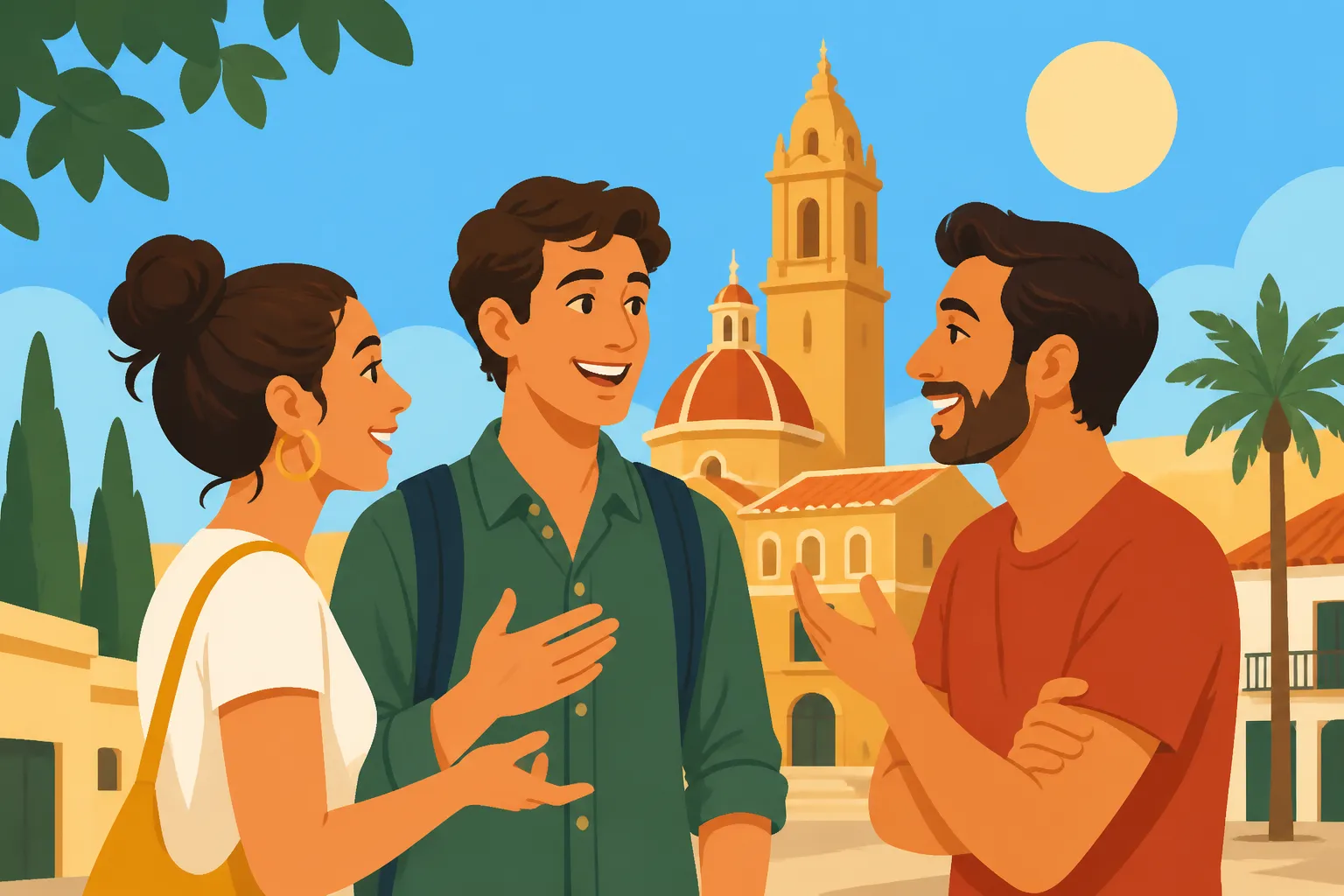
How to Join a Conversation With Locals in Spain
Feeling a bit like an outsider in Spain, watching vibrant conversations unfold around you and wishing you could dive in? It's a common expat experience, believe me. You want to connect, to share a laugh, to truly feel part of the local fabric, but knowing how to smoothly join an existing conversation or strike one up can feel like cracking a secret code. This guide is here to demystify the process, offering practical, empathetic advice to help you confidently engage with Spanish locals, one hola at a time.
Disclosure: This post may contain affiliate links. We may earn a commission at no extra cost to you if you make a purchase through these links. Read full disclosure.
Understanding the Tapestry of Spanish Socializing
When you first arrive in Spain, you might notice that conversations seem to flow effortlessly for locals, but the nuances can be a bit intimidating for us newcomers. It’s not just about language; it’s about timing, context, and a subtle understanding of social cues that takes a bit of time to absorb.
The Rhythms of Connection: When and Where It Happens
Spanish social life is incredibly rich and often revolves around public spaces. You'll find people engaging in lively discussions everywhere from bustling plazas to local markets, and especially in bars and cafes. Unlike some cultures where interactions might feel more structured or appointment-based, spontaneity is often part of the charm here.
Think about your local bar, or bar de barrio. These aren't just places to grab a drink; they're extensions of people's living rooms, where daily rituals unfold. Neighbors catch up, the owner knows everyone's order, and political debates might erupt at the counter. The same goes for the local panadería (bakery) in the mornings or the frutería (greengrocer) during the day. These are not just transactional spaces; they are community hubs where brief, friendly exchanges are the norm. Observing these interactions, how people greet each other, the topics they discuss, gives you invaluable insight. Look for moments when people are a bit more relaxed, perhaps over a coffee or a caña, rather than when they're rushing through an errand.
Decoding the Unspoken Rules: Body Language and Initial Cues
Before you even open your mouth, a lot of communication happens through body language. Spaniards tend to stand closer to each other during conversations than many other cultures, and physical touch (a light hand on the arm, a pat on the shoulder) is common among friends. Don't mistake this closeness for aggression; it's often a sign of warmth and engagement.
When someone is speaking, direct eye contact is generally a sign of sincerity and attentiveness. However, staring intently can be off-putting, so aim for a natural, engaged gaze. Initial greetings are crucial. A firm handshake is standard for men, and for women (or between a man and a woman who are not close friends), two kisses on the cheek (starting with the right cheek) are common. Always use a clear "Hola" or "Buenos días/tardes/noches" with a smile. And don't underestimate the importance of saying goodbye properly – a quick "¡Adiós!" or "¡Hasta luego!" as you leave shows respect and acknowledges the interaction. For more on navigating these initial interactions, check out our guide on Spanish Customs, Etiquette, and Social Life.
Crafting Your Opening Line: More Than Just "Hola"
So, you've observed, you've smiled, and you're ready to make your move. What do you actually say? It's natural to feel a bit of performance anxiety, but remember, most people appreciate the effort.
The Power of a Simple, Sincere Greeting
While "Hola" is a perfect start, adding a little more context can make a big difference. Depending on the time of day, "Buenos días" (good morning), "Buenas tardes" (good afternoon/evening), or "Buenas noches" (good night) are always appropriate. Follow it up with a simple "Qué tal?" (How are you?) or "Cómo estás?" (How are you, informal). If you're addressing someone behind a counter, "Perdona" or "Disculpa" (Excuse me) is a polite way to get their attention.
Imagine you're at your local frutería. You pick up some peaches, smile at the vendor, and say, "Buenos días. Qué tal?" Even if the conversation goes no further than "Muy bien, gracias," you've made a connection. It’s these small, consistent efforts that build familiarity and pave the way for deeper exchanges down the line.
Small Talk Starters: Safe Bets for Any Situation
Once the initial greeting is out of the way, you need a safe topic. The weather is a universal icebreaker, and Spain offers plenty to talk about, whether it's the scorching summer heat or an unexpected autumn rain. "Qué día, ¿eh?" (What a day, huh?) or "Hace buen/mal tiempo hoy" (The weather's good/bad today) can easily kick things off.
Food and drink are also fantastic, neutral topics. Complimenting a dish you've just eaten, or asking for a recommendation, can open doors. "¡Qué rico está este café!" (This coffee is delicious!) or "¿Qué me recomiendas de la carta?" (What do you recommend from the menu?) are great starting points. Just be cautious with personal compliments, as they can sometimes be misconstrued if not delivered with the right tone and familiarity.
Here's a quick table of safe conversation starters:
| Situation | Safe Opening Phrase | Translation |
|---|---|---|
| General greeting | ¡Hola! Buenos días/tardes. ¿Qué tal? | Hello! Good morning/afternoon. How are you? |
| Commenting on weather | ¡Qué día tan bonito/caluroso/lluvioso! | What a beautiful/hot/rainy day! |
| Food/Drink | ¡Qué rico este/esta…! ¿Me lo recomiendas? | This… is delicious! Do you recommend it to me? |
| Local observation | Hay mucha gente hoy, ¿verdad? | There are a lot of people today, right? |
| Seeking help (polite) | Disculpa, ¿sabes dónde está…? | Excuse me, do you know where… is? |
Leveraging Common Ground: Hobbies, Interests, and Local Life
The best conversations often stem from shared interests. If you're a regular at a local gym, a hiking group, or a language exchange, you already have a built-in topic. In Spain, local fiestas are a goldmine for conversation. People are usually in a festive mood, and it's easy to ask, "¿Te gusta la fiesta?" (Do you like the festival?) or make a comment about the music or atmosphere.
Joining local community centers (centros cívicos) or cultural associations can provide structured ways to meet people who share your passions. Perhaps there's a local cooking class, a book club, or even a chess group. These environments naturally facilitate conversation, as you're all there for the same reason. Even just being a regular at your local park, taking your dog for a walk, or sitting on a bench, allows for repeated, low-pressure interactions that can slowly blossom into conversation. For those looking for more structured ways to practice their language and meet people, our post on Making Friends in Spain as a Foreigner: Social Tips has some great ideas.
Deepening the Dialogue: Sustaining and Enjoying the Exchange
Once you've initiated contact, the real trick is to keep the conversation going without it feeling forced or awkward. This is where active listening, cultural awareness, and a dash of resilience come into play.
Navigating Language Hurdles with Grace
Let's be real, the language barrier is probably your biggest hurdle. Don't let it paralyze you. Locals genuinely appreciate the effort you make to speak Spanish, even if it's imperfect. If you get stuck, it's okay to admit it. Phrases like "Lo siento, mi español es un poco limitado" (I'm sorry, my Spanish is a bit limited) or "¿Puedes hablar un poco más despacio, por favor?" (Can you speak a bit slower, please?) are perfectly acceptable. Many Spaniards will switch to English if they can, or patiently help you find the right words. Don't feel ashamed if this happens; see it as a chance to learn!
The key is to not give up. Even a few words, a nod, or a smile can convey your desire to connect. Consider signing up for a local language exchange (intercambio de idiomas) or an intensive Spanish course; these are fantastic ways to improve your fluency while meeting other expats and some locals. Our guide How to Learn Enough Spanish for a Two-Week Trip offers some fundamental phrases that can be incredibly useful.
Respecting Cultural Nuances: Topics to Embrace and Avoid
In Spain, good topics for conversation typically revolve around family (in a general sense, like "Do you have siblings?" rather than intrusive questions), local culture, food, travel, and personal experiences (e.g., "Where are you from? How long have you been in Spain?"). People are often proud of their region, so asking about local traditions or places to visit is usually well-received.
Topics to approach with caution, especially with new acquaintances, include politics, religion, highly personal finances, or anything that could be seen as critical of Spanish culture or customs. While Spaniards are generally open, these topics can be deeply personal and might lead to uncomfortable silences or even heated debates if not handled delicately and with established rapport. For a deeper dive into what to say and what not to say, check out our piece on Spanish Workplace Small Talk: Safe Topics and Common Phrases, which offers insights transferable to general social settings.
The Art of Listening (and Contributing Thoughtfully)
A conversation is a two-way street. Show genuine interest by listening attentively, nodding, and using small verbal cues like "Ah, sí," "Claro," or "Interesante." When it's your turn to speak, try to add to the conversation rather than just changing the subject. Ask follow-up questions to show you've understood and are engaged. For example, if someone mentions a trip they took, ask, "¿Qué tal? ¿Te gustó?" (How was it? Did you like it?).
If you're still struggling with verbal contributions, sometimes a well-timed smile or an appropriate gesture can speak volumes. Don't feel the pressure to always have a witty remark ready; sometimes just being present and engaged is enough.
Finding Your Tribe: Where to Practice and Grow
Connecting with locals isn't always about grand gestures; it's often about consistency and finding the right environments. Spain offers myriad opportunities for this, if you know where to look.
Local Hangouts: Bars, Cafes, and Plazas as Social Hubs
I can't stress this enough: become a regular. Whether it's your morning coffee spot, the bar where you grab an aperitivo, or the park bench where you read, showing up consistently helps you become a familiar face. The staff will start to recognize you, other regulars might offer a nod or a smile, and slowly, those small greetings can evolve into brief chats. You'd be surprised how often a simple "¡Hasta mañana!" can eventually lead to a more in-depth conversation. For more on navigating these vital community spots, our guide to Spanish Bar and Café Etiquette for Newcomers is a must-read.
Structured Socializing: Language Exchanges and Group Activities
If purely organic encounters feel too daunting, seek out structured opportunities. Language exchange groups (often advertised as intercambios de idiomas) are perfect. You get to practice Spanish, help someone with their English, and meet people with a pre-established shared interest. Websites like Meetup.com are fantastic for finding these groups, as well as clubs for hiking, board games, or any other hobby you can imagine.
Consider taking a class that involves interaction, like a Spanish cooking class, a flamenco dancing lesson, or even a pottery workshop. These activities naturally create a bond and give you something specific to talk about. These environments are less intimidating because everyone is there with a shared purpose, and often, everyone is a beginner at something, leveling the playing field.
Embracing Local Fiestas and Community Events
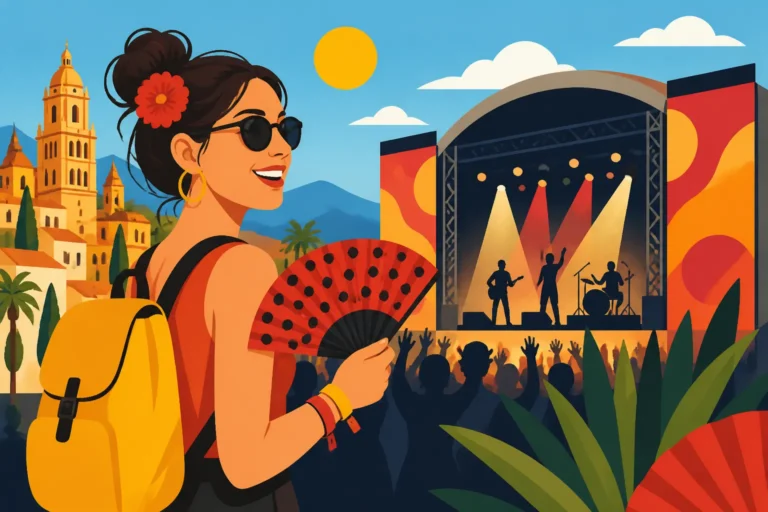
Spain is famous for its fiestas and celebrations, and these are truly prime opportunities for relaxed, joyful interaction. Whether it’s a regional feria, a local saint's day, or even a simple neighborhood verbena with music and food, people are generally in good spirits and more open to conversation. Ask about the traditions, compliment the food, or simply enjoy the atmosphere and let conversations come to you. Don’t be afraid to ask a local what a particular tradition means or why it’s celebrated. People are often delighted to share their culture. If you're looking for upcoming events, local tourism offices or even just asking at your centro de salud (local health center) or ayuntamiento (town hall) can point you in the right direction. For tips on when to plan for these, see our Spanish Holidays and Public Closures: Planning Errands in 2026 guide.
Managing Expectations and Building Resilience
Let's face it, trying to integrate into a new culture and make new friends can be exhausting. There will be days when you feel discouraged, when your jokes fall flat, or when you simply can't understand what's being said. This is completely normal.
It's a Marathon, Not a Sprint: Patience is Key
Building genuine connections takes time, often more time than we initially anticipate as expats. Locals already have established social circles, and breaking into those can be a slow process. Don't expect to become best friends after one conversation. Think of each interaction as a brick in a wall, slowly building familiarity and trust. Consistency, showing up, and genuinely trying are far more important than any single perfect conversation. Remember that authentic friendships are built over shared experiences and repeated interactions, not just initial charm.
Don't Take It Personally: Misunderstandings Happen
Sometimes, people might seem less receptive, or a conversation might abruptly end. Don't immediately jump to the conclusion that you did something wrong or that they don't like you. There could be a hundred reasons: they're busy, they're having a bad day, they're shy, or there was a simple misunderstanding due to language or cultural differences. Dust yourself off, learn what you can, and try again with someone else. Not every interaction needs to lead to a lifelong friendship. The goal is to connect, even if briefly, and to practice your social muscles.
The Reward of Connection: Why It's Worth the Effort
Despite the challenges, the rewards of joining conversations with locals are immense. It's how you truly begin to understand the pulse of your new home, how you discover hidden gems, learn authentic slang, and gain a sense of belonging that no guidebook can provide. These interactions enrich your expat experience immeasurably, turning strangers into friendly faces, and sometimes, even into dear friends. So keep trying, keep smiling, and keep saying hola. The vibrant conversations of Spain are waiting for you to join in.
Disclaimer
The information provided in this guide is for general informational purposes only and is based on common experiences and observations as of the current date. Social dynamics and cultural norms can vary by region and individual. While we strive to offer accurate and helpful advice, it should not be taken as professional guidance. Always exercise your best judgment and respect local customs.