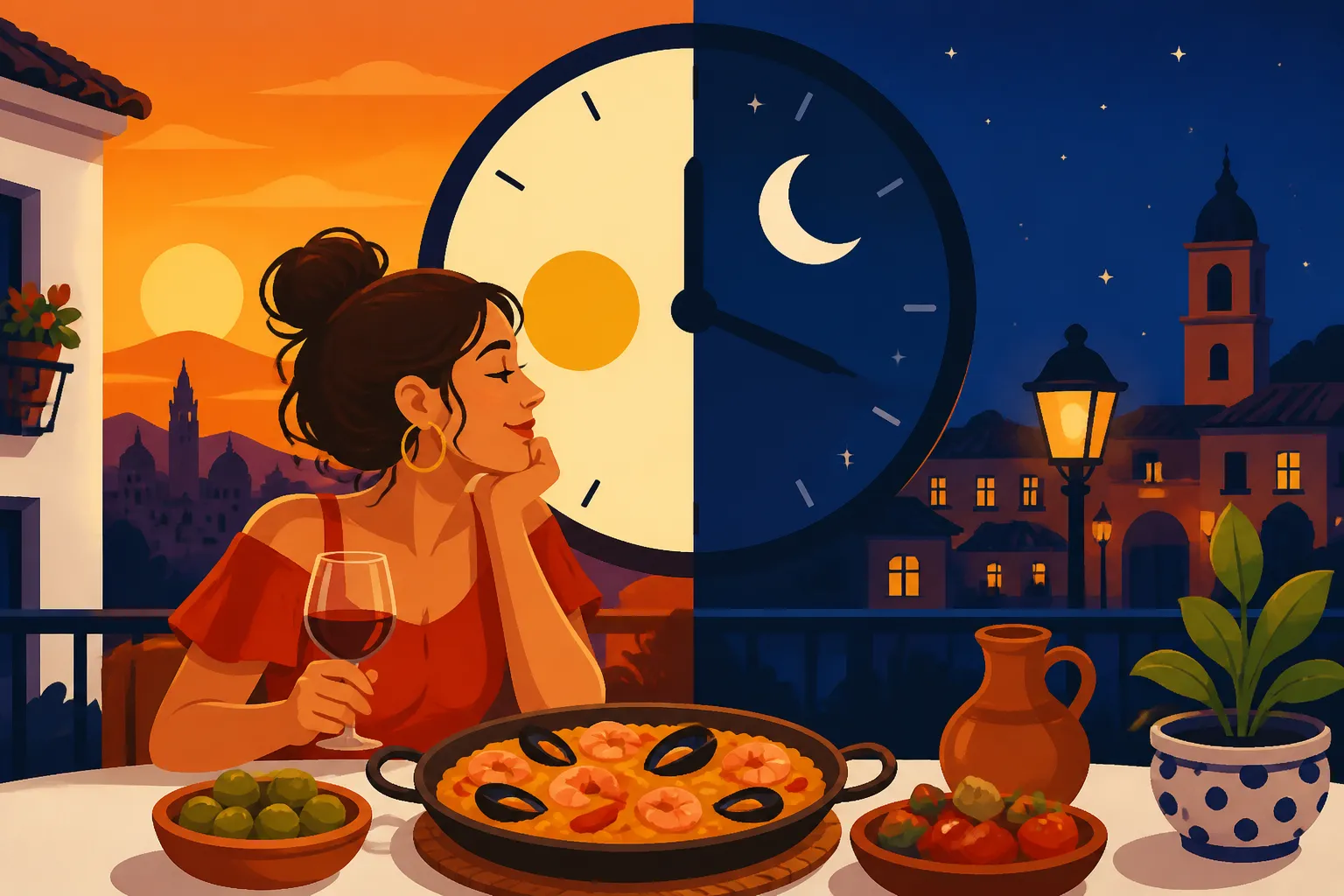
How Late Is Too Late for Dinner in Spain?
One of the first things that throws off newcomers to Spain, whether you're here for a short holiday or considering a full move, is the meal schedule. You’ve had a busy day exploring or sorting out paperwork, your stomach is rumbling around 7 PM, and you look around only to find most restaurants eerily quiet or even closed. It’s a common frustration, making you wonder, "How late is too late for dinner in Spain, and will I ever adjust?" This guide will demystify Spain's unique dining clock, helping you understand the rhythm of Spanish mealtimes so you can enjoy every bite without unnecessary hunger pangs.
Disclosure: This post may contain affiliate links. We may earn a commission at no extra cost to you if you make a purchase through these links. Read full disclosure.
The Spanish Dinner Culture: A Late-Night Affair
Ah, dinner in Spain. It's not just a meal; it's a social event, a cultural cornerstone that often unfolds long after many other countries have already put their kitchens to bed. For many expats, this is one of the biggest initial culture shocks, right up there with deciphering complex bureaucracy like the NIE and TIE. It takes a while to get used to, but once you understand the underlying reasons, it starts to make a lot more sense.
The Rhythm of the Day: Meals and Siestas
The late dinner tradition in Spain isn't just about personal preference; it's deeply ingrained in the country's historical and societal rhythm. Traditionally, and still for many, the workday extends later than in other European countries, often not finishing until 7 or 8 PM. This push for later working hours, combined with Spain not adjusting its clocks after World War II to align with Central European Time, means that daylight hours extend much later into the evening than their clock time suggests. So, when the clock says 9 PM, your body and the sun might feel more like 7 PM.
The concept of the siesta, while not as universally practiced as a full afternoon nap in modern urban life, still impacts the meal schedule. The main meal of the day, el almuerzo or la comida, is a substantial affair, typically enjoyed between 2 PM and 4 PM. This isn't a quick sandwich at your desk; it’s a proper, often multi-course, meal. Because this midday meal is so significant and eaten so late, the body simply isn't ready for another large meal until much later. Instead, there are smaller meals like la merienda (an afternoon snack, usually sweet, around 5-6 PM) to tide people over.
Regional Variations: North vs. South, Cities vs. Towns
While the general rule is "dinner is late," Spain is a country of vibrant regional differences, and meal times are no exception. What flies in a bustling metropolis like Madrid might raise an eyebrow in a quiet Galician village.
In big cities like Madrid, Barcelona, Valencia, or Seville, you'll find more flexibility, especially in tourist-heavy areas. Restaurants catering to an international crowd might open their kitchens for dinner as early as 7 PM, sometimes even 6:30 PM, particularly those listed on platforms like Booking.com or GetYourGuide that target travelers. However, don't expect them to be buzzing with locals at that hour. Locals in these cities often start arriving for dinner between 9 PM and 10 PM, with peak dining hours easily stretching to 11 PM or even later on weekends.
In smaller towns and more traditional regions, particularly in the south like Andalusia, the dinner schedule can be even later. It’s not uncommon for kitchens to officially open at 9 PM, with actual diners not arriving until closer to 10 PM. In these areas, if you show up at 8 PM, you might be the only patron, or the staff might still be finishing their own supper. Northern regions, perhaps due to slightly different historical work patterns or climate, can sometimes be a touch earlier, but "earlier" still means 8:30 PM for initial dinner service rather than 7 PM.
Decoding Dinner Times: When to Expect What
Navigating the Spanish dining scene can feel like solving a puzzle, especially if you're used to eating dinner when the sun is still high in the sky. But once you know the different phases of the Spanish evening, you can plan your meals more effectively.
Tapas and Pre-Dinner Drinks (El Aperitivo / Tapeo)
Before dinner proper, there's a vital social ritual: el aperitivo or el tapeo. This is your lifeline if you find yourself famished before 9 PM. From around 7 PM to 9 PM (or even 9:30 PM), bars and taverns will be lively with people enjoying drinks – a caña of beer, a glass of wine, or a vermut – accompanied by tapas. These aren't full meals, but small plates, often complimentary with a drink in some regions, or ordered as small, shareable portions.
This is the perfect way to bridge the gap between your late lunch and even later dinner. You can make a full evening out of tapeo by moving from one bar to another, sampling different specialties. This isn't just about food; it's a social occasion, a chance to chat and unwind. You might even stumble upon places listed on platforms like Omio where you can book a guided tapas tour, making it easy to hop between the best spots.
Casual Dinners and Weeknight Meals
For a casual weeknight dinner, most restaurants in urban areas will start to see their first patrons filter in around 8:30 PM. This is generally the earliest you can reasonably expect to sit down for a full meal. If you arrive at this time, you might still find the restaurant relatively quiet, but the kitchen will be fully operational. It’s a good strategy if you prefer a more relaxed atmosphere and quicker service, or if you have children who can't realistically wait until 10 PM.
Many traditional Spanish restaurants, especially family-run establishments outside of very touristy zones, might not even unlock their doors for dinner service until 9 PM. If you're flexible, waiting until 9 PM-9:30 PM will ensure you're dining alongside more locals and experiencing the genuine evening buzz.
Weekend and Special Occasion Dining
On Fridays, Saturdays, and during special celebrations or holidays, the dining schedule shifts even later. It’s common for families and groups of friends to meet for dinner at 10 PM, with the meal stretching well past midnight. Restaurants are at their most vibrant, conversations are loud, and the atmosphere is electric. Reservations, especially in popular spots or for larger groups, are highly recommended for weekend evenings, and don't be surprised if your preferred time is 9:30 PM or 10 PM.
This late-night culture is a big part of why Spanish nightlife also kicks off so late. After a leisurely dinner, people might head out for drinks (copas) or to a bar, often not getting home until the early hours of the morning. It's a social marathon, not a sprint!
Practical Tips for Expats and Tourists
Adjusting to Spain's dinner schedule can be a challenge, but with a few tricks up your sleeve, you can avoid feeling perpetually hungry.
Navigating Early Hunger Pangs
The key to surviving the Spanish dinner schedule is strategic snacking. Don't underestimate the power of la merienda. A pastry, a piece of fruit, or a small sandwich (un bocadillo) around 5:30-6:30 PM can be a lifesaver. This isn’t a full meal, but rather a way to take the edge off your hunger. Many bakeries and cafés are open for this purpose.
Another excellent option, as mentioned, is tapas. Think of the 7 PM to 9 PM window as prime tapeo time. Head to a lively bar, order a drink, and enjoy a few small plates. Patatas bravas, croquetas, jamón, or some delicious gambas al ajillo can easily suffice as an early "dinner" if you're not planning a grand sit-down meal. Many locals effectively turn tapas into their dinner, especially on more casual evenings.
Finding Restaurants that Cater to "Early Birds"
If you simply can't wait until 9 PM for your main meal, don't despair! You have options.
- Tourist Zones: Restaurants in areas popular with tourists, like near major attractions, often open earlier. They understand that not everyone adheres to the Spanish clock. Check menus displayed outside or use online platforms like Booking.com or GetYourGuide which often list opening hours and allow you to filter by availability.
- International Cuisine: Establishments serving international food (Italian, Asian, American, etc.) are sometimes more flexible with their hours and might open earlier than traditional Spanish restaurants.
- Hotel Restaurants: Hotel dining rooms often have more accommodating hours to serve their diverse guest base. While they might not offer the most authentic local experience, they are a reliable choice for an earlier meal.
- Shopping Center Food Courts: If all else fails, shopping centers usually have food courts or casual eateries that operate on a more global schedule, opening earlier and closing earlier.
- "Cenas Tempranas" Listings: Some larger cities might even have specific lists or blog posts (like this one!) detailing places that offer "early dinners" (cenas tempranas). A quick online search for your specific city plus "restaurantes cena temprana" might yield good results.
Embracing the Spanish Schedule
Ultimately, part of the joy of living in or visiting Spain is embracing its unique rhythm. The late dinner isn't just a quirk; it's a reflection of a culture that values long social evenings, shared meals, and making the most of the daylight hours. Try to shift your mindset and your stomach gradually.
Consider starting your day a bit later if possible, taking a longer, more substantial lunch, and using tapas as your bridge to dinner. You'll find that by the end of your stay or after a few months as an expat, you might actually start enjoying the 10 PM dinner, finding it a wonderfully relaxed and convivial way to end the day. It’s all part of the grand adventure of living abroad!
Here's a quick overview of typical meal times in Spain:
| Meal | Typical Time (Approx.) | Description |
|---|---|---|
| El Desayuno | 7:00 AM – 9:00 AM | Light breakfast, often coffee and toast/pastry. |
| Almuerzo/Tapas | 10:30 AM – 12:00 PM | Mid-morning snack, often a small sandwich or more substantial coffee break. |
| La Comida/Almuerzo | 2:00 PM – 4:00 PM | The main, largest meal of the day, often a multi-course affair. |
| La Merienda | 5:30 PM – 7:00 PM | Afternoon snack, usually sweet, to bridge the gap before dinner. |
| El Aperitivo/Tapeo | 7:00 PM – 9:30 PM | Pre-dinner drinks with small plates of tapas, very social. |
| La Cena | 9:00 PM – 11:00 PM+ | Dinner, usually lighter than lunch, but still a full meal. |
The key takeaway here is flexibility. There are always options to eat earlier, especially in more cosmopolitan areas or those geared towards tourists. However, truly experiencing Spain often means learning to slow down and savor the late-night dining experience. It's a journey, not a race, and your stomach will eventually get with the program! If you're grappling with other aspects of daily life, you might find our guide on Spanish Shopping: Supermarkets, Markets, and Budget Strategies or even Spanish Etiquette for Expats: Greetings, Invitations, and Daily Life helpful. And for those planning longer stays or residency, understanding the flow of local life is just as important as sorting out your NIE, TIE & Empadronamiento: Essential IDs and Registrations in Spain. If you're concerned about budgeting for all these delightful meals, our insights into the Cost of Living in Spain: Monthly Budget Guide for Expats could be a good next read. For broader travel planning, knowing Public Holidays in Spain: How They Affect Travel and Opening Hours will save you some headaches. And if you're exploring the nuances of Spanish culture, understanding Spanish Social Customs: Greetings, Kisses, and Personal Space will certainly enhance your experience.
Disclaimer
The information provided in this guide is for general informational purposes only and is based on common practices and experiences in Spain. Restaurant opening hours and dining customs can vary significantly by region, city, establishment, and season. It is always advisable to check specific restaurant hours in advance, especially during holidays or if you have strict timing requirements. Local customs may evolve, so always be prepared for slight variations.