What Happens in Spain on Three Kings Day (Reyes)?
Oh, the post-Christmas blues, right? Just when you think the festive season is winding down, Spain throws one more spectacular, utterly enchanting celebration your way: Three Kings Day, or Día de Reyes. If you’re new to Spain, you might feel a bit lost amidst the talk of parades and Roscón, wondering what this whole fuss is about and how it affects your daily life. Well, worry no more! This guide is here to unravel all the magic, traditions, and practicalities of Reyes so you can embrace this truly special Spanish holiday like a seasoned local.
Disclosure: This post may contain affiliate links. We may earn a commission at no extra cost to you if you make a purchase through these links. Read full disclosure.
Understanding Three Kings Day (Día de Reyes) in Spain
For many expats, the concept of a major holiday after Christmas can be a bit of a surprise. You've packed away the Christmas tree, perhaps, and are bracing for the long stretch of January. But in Spain, the party isn't over until the Three Kings have made their grand appearance! This isn't just another public holiday; it's the culmination of the Christmas season, steeped in history and cherished by families across the country.
The Cultural Significance and History
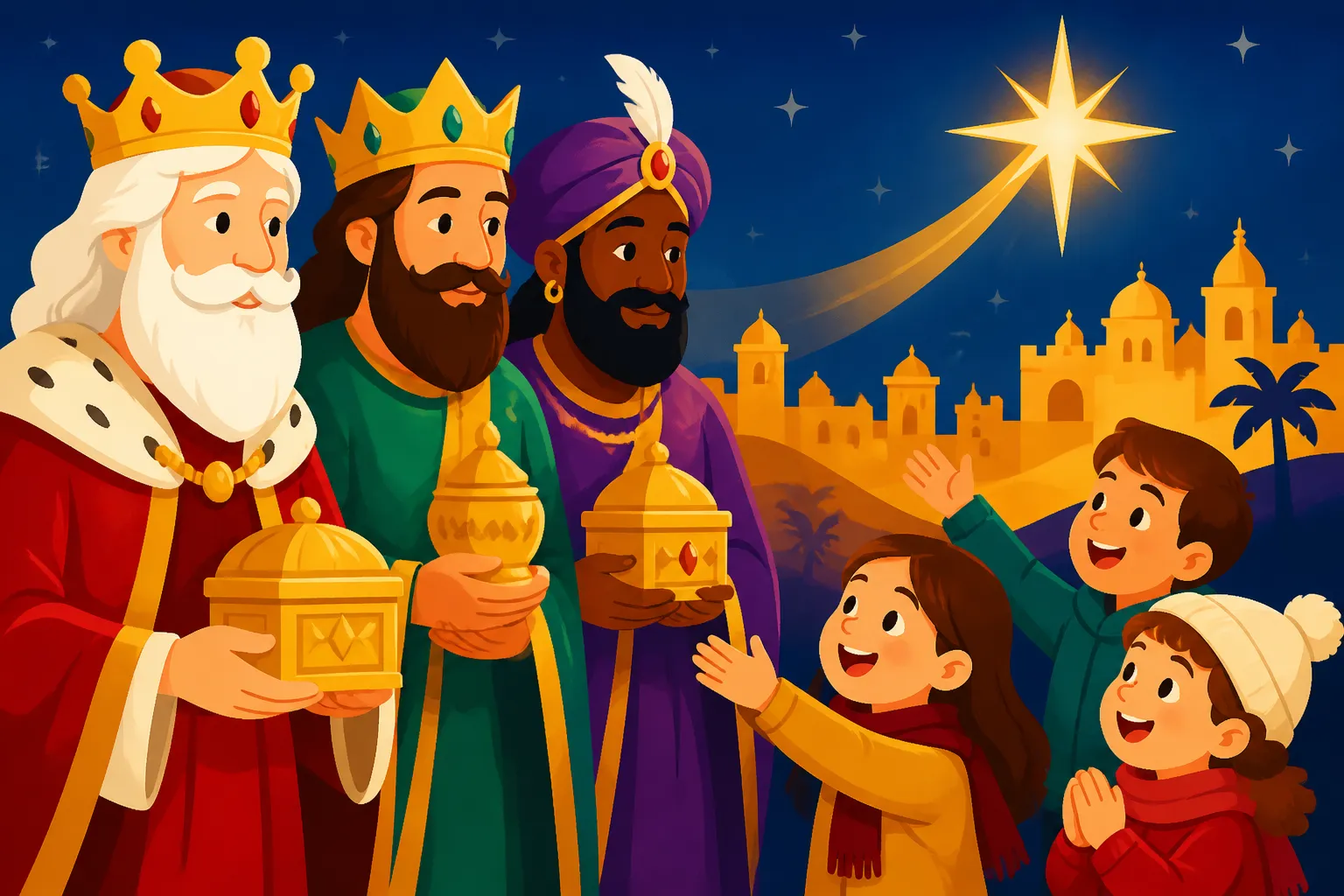
At its heart, Día de Reyes commemorates the biblical Epiphany, when the Three Wise Men – Melchior, Caspar, and Balthazar (known as Los Reyes Magos in Spanish) – followed the star to Bethlehem to present gifts of gold, frankincense, and myrrh to the newborn baby Jesus. This story isn't just a historical footnote here; it's the bedrock of Spain's gift-giving tradition. While Papá Noel (Santa Claus) has certainly gained traction in recent decades, particularly with international influences, the Three Kings remain the primary bringers of presents for most Spanish children. It’s a tradition that feels deeply ingrained, connecting generations through shared stories and anticipation.
This focus on the Three Kings highlights a fascinating aspect of Spanish Customs, Etiquette, and Social Life, where religious and historical narratives continue to shape modern festive practices. For a Spanish child, the magic isn't just on December 25th; it's truly amplified on January 6th, making it a double dose of excitement for many families who now celebrate both.
When Does It Happen?
The official date for Three Kings Day is January 6th. This day is a nationwide public holiday in Spain, meaning most businesses, banks, and public services will be closed. However, the real spectacle and build-up happen on the evening of January 5th. Think of it this way: December 24th is to Christmas Day what January 5th is to Three Kings Day. This is when the Kings make their spectacular arrival, creating an atmosphere of palpable excitement that blankets cities and towns.
Understanding the timing is crucial, especially if you're planning any errands or travel. Just like any major holiday, expect changes. If you want to know more about how public holidays impact daily life, you might find this guide on Public Holidays in Spain: How They Affect Travel and Opening Hours particularly useful. Knowing what's open and what's not can save you a lot of hassle during these festive periods.
The Magic of the Cavalcade of Kings (Cabalgata de Reyes)
If there's one event that encapsulates the pure joy and magic of Reyes, it's the Cabalgata de Reyes – the Cavalcade of Kings. This isn't just a parade; it's an experience, especially if you have little ones, or even if you just appreciate a good dose of festive wonder.
The Evening of January 5th: Parades and Sweets
The evening of January 5th is truly special. As dusk falls, cities and towns across Spain come alive with elaborate parades. The Cabalgata de Reyes features magnificent floats, often themed with popular children's characters, dazzling lights, lively music, and, of course, the Three Kings themselves (often portrayed by local dignitaries or actors). Each King, Melchior, Caspar, and Balthazar, rides on their own impressive float, accompanied by their pages and a joyous entourage.
The absolute highlight for children (and let's be honest, many adults too!) is the tradition of the Kings and their helpers throwing handfuls of sweets and sometimes small toys into the crowds. Imagine thousands of children (and grown-ups with inverted umbrellas or plastic bags!) eagerly jostling for position, eyes wide with excitement, as cascades of candy rain down from the floats. It's exhilarating and a little chaotic, but undeniably fun.
In major cities like Madrid and Barcelona, the parades are grand, multi-hour affairs, often starting in the late afternoon and continuing into the early evening, drawing hundreds of thousands of spectators. To get a good spot along the parade route, especially in popular areas, you'll need to arrive early. We're talking hours in advance, sometimes with folding chairs and picnic blankets, just like for any major spectacle. You can often find information about specific routes and times on local Ayuntamiento (city council) websites. When planning your movements around these events, it’s worth checking out resources like Getting Around Spanish Cities: Metro, Bus, Tram, and Bikes for information on public transport diversions and alternative routes, as major roads will be closed.
Preparing for the Kings' Arrival at Home
The excitement doesn't stop with the parade. Back at home, children have their own special rituals to prepare for the Kings' midnight visit. The most common tradition is leaving out their cleanest shoes by a window, under the Christmas tree, or by the fireplace. These shoes are where the Kings will leave their presents. Often, a glass of water is also left out for the thirsty camels that have traveled all the way from the East, and sometimes a snack for the Kings themselves.
Leading up to this, children will have written their carta a los Reyes – a letter to the Three Kings, detailing their good behavior throughout the year and, of course, their desired gifts. This is a big deal, often a creative project involving glitter and drawings! The anticipation on the evening of January 5th is palpable; it’s a night filled with whispered hopes and dreams, a truly magical experience for any child growing up in Spain. Even if you don't have children, witnessing this collective anticipation from your Spanish friends or neighbors is truly heartwarming.
Gift Giving and Feasting on January 6th
After the excitement of the Cabalgata and a night filled with eager anticipation, January 6th dawns as the official day of celebration and the culmination of the festive season. This is when the magic truly unfolds in homes across Spain.
Waking Up to Presents
The morning of January 6th is akin to Christmas morning in many other cultures. Children wake up to discover that Los Reyes Magos have visited, leaving presents beside their shoes. The joy, the shredded wrapping paper, the gleeful shouts over new toys – it’s a scene of pure, unadulterated happiness. For those children who might have been a bit naughty during the year, there’s a playful tradition: carbón dulce (sweet coal). This isn't real coal, but rather a sugary, black rock-like candy, a lighthearted reminder to be better next year! It's rarely given in large quantities, usually just a small piece to add to the fun.
The emphasis on gift-giving on this day reinforces the family-centric nature of Spanish holidays. It's a day for collective unwrapping, sharing the joy, and creating lasting memories. It’s also a wonderful opportunity for expats to participate by exchanging small gifts with Spanish friends or colleagues, especially if they have children.
The Roscón de Reyes and Family Meals
No Día de Reyes would be complete without the iconic Roscón de Reyes. This is a must-try for anyone living in or visiting Spain during this period. It’s a sweet, brioche-like circular bread, often flavored with orange blossom water, and adorned with candied fruits (representing the jewels on the Kings' crowns) and sugar. You'll find these glorious creations everywhere, from local panaderías (bakeries) to large supermarkets.
What makes the Roscón truly special is the hidden surprise inside. Traditionally, it contains two small items: a tiny figurine (often one of the Kings or a baby Jesus) and a dry bean. The person who finds the figurine in their slice is crowned "King" or "Queen" for the day, and sometimes gets to wear a paper crown that comes with the Roscón. Conversely, the unlucky person who finds the bean is traditionally responsible for buying the Roscón the following year! It adds a playful element of surprise and anticipation to the family meal.
Speaking of meals, January 6th typically involves a large, celebratory family lunch. This is similar to other major Spanish holidays, where extended families gather to share good food, stories, and laughter. While the Roscón is the star dessert, the main course can vary regionally, often featuring traditional roasts or stews. If you're curious about typical meal times and dining practices in Spain, our article on Spanish Meal Times and Dining Etiquette Explained offers a deeper dive into how food fits into Spanish social life. And for those with dietary restrictions, fear not! Many bakeries and supermarkets now offer gluten-free Roscones, so you can still participate in the tradition. Check out our guide on How to Eat Gluten-Free in Spain (Sin Gluten Tips) for more information on navigating dietary needs here.
Here's a quick look at the typical activities surrounding Three Kings Day:
| Date | Time | Main Activity | Key Experience |
|---|---|---|---|
| January 5th | Evening | Cabalgata de Reyes (Kings' Parade) | Witness spectacular floats, music, and catch sweets thrown by the Kings. Get there early for a good spot! |
| January 5th | Night | Preparing for the Kings | Children leave out shoes, water for camels, and a snack for the Kings; anticipation for gifts. |
| January 6th | Morning | Gift Opening | Children wake up to find presents left by the Kings, alongside occasional carbón dulce for naughty ones. |
| January 6th | Daytime | Family Meal & Roscón de Reyes | Gather with family, enjoy a celebratory meal, and cut into the special cake with its hidden surprises. |
Practical Tips for Expats and Tourists
Navigating holidays in a new country can feel like solving a puzzle, especially when traditions differ significantly from what you’re used to. Here are some practical tips to make your Three Kings Day experience in Spain as smooth and enjoyable as possible.
Navigating Closures and Transport
As mentioned, January 6th is a full public holiday across Spain. This means that generally, most shops, supermarkets (beyond very small convenience stores that sometimes open for limited hours), banks, and government offices will be closed. Pharmacies will operate on a farmacia de guardia (on-call) system, similar to Sundays and other holidays. Plan any essential errands, like grocery shopping or banking, for January 4th or the morning of January 5th at the latest. For stocking up, you might find our guide on Spanish Shopping: Supermarkets, Markets, and Budget Strategies helpful.
Public transport schedules will also be affected. Expect reduced services, similar to a Sunday timetable. Furthermore, on the evening of January 5th, major roads and city centers will likely have diversions and closures due to the Cabalgata parades. This can significantly impact bus routes and even metro access in some areas. It's wise to check local transport authority websites (e.g., EMT Madrid, TMB Barcelona) for specific advisories on parade routes and affected lines. If you're trying to travel between cities during this period, you might find that services like those provided by Omio can help you navigate train and bus options, but be sure to book well in advance as popular routes fill up quickly.
Fully Embracing the Reyes Experience
To truly appreciate Día de Reyes, you need to lean into it. Don't just observe; participate!
- Go to a Cabalgata: Even if you don't have children, the atmosphere is electric. Find a spot, enjoy the music, and try to catch some sweets. It's a joyful, communal experience. Just remember the advice in Staying Safe in Spain: Practical Safety Tips for New Residents when in large crowds.
- Try Roscón de Reyes: Seriously, you can't miss this. Get one from a local bakery (pastelería) if possible; the quality is often far superior to supermarket versions. Many bakeries will start selling them a week or two before January 6th.
- Embrace the Family Focus: If you have Spanish friends, don't be surprised if their world revolves around their children's excitement for a few days. It's a beautiful expression of family values. If you're traveling with your own family, you'll find plenty of Family Travel in Spain: Kid-Friendly Cities and Activities that align with this festive mood.
- Consider Small Gifts: If you're invited to a Spanish home for Reyes, it's customary to bring a small gift, especially for any children present. It doesn't have to be grand; a book, a small toy, or even some nice chocolates will be greatly appreciated.
- Book Accommodation in Advance: If you're visiting a popular city specifically for the Cabalgata, remember that hotels and apartments can book up quickly. Platforms like Booking.com are excellent for securing your stay, but don't leave it to the last minute! Some tour operators, such as GetYourGuide, may even offer specialized viewing experiences or family-friendly tours around the Reyes festivities in major cities, so it’s worth checking those options if you’re looking for a structured way to enjoy the parades.
Día de Reyes is a vibrant, enchanting end to the Spanish Christmas season. It’s a holiday that truly embodies the warmth of family, the magic of childhood, and the enduring power of tradition. So, pour yourself a glass of cava, cut into that Roscón, and let the Three Kings bring a little extra sparkle to your new year in Spain!
Disclaimer
The information provided in this guide is intended for general informational purposes only and may not apply to every individual circumstance. While we strive to ensure accuracy, regulations and local customs can change. It is always recommended to check the latest official sources and local government websites for the most up-to-date and specific information relevant to your situation.