How to Eat Gluten-Free in Spain (Sin Gluten Tips)
Ah, the joys of Spanish cuisine! Tapas, churros, paella… it all sounds so idyllic, right? But if you’re navigating the culinary landscape of Spain with a gluten intolerance or celiac disease, that idyllic picture can quickly turn into a minefield of anxiety and misunderstanding. Trust me, I've seen countless expats and tourists struggle, eyes wide with panic, trying to explain "sin gluten" to a busy waiter. This guide is here to cut through the confusion, offering practical, real-world advice to help you eat safely and deliciously across Spain.
Disclosure: This post may contain affiliate links. We may earn a commission at no extra cost to you if you make a purchase through these links. Read full disclosure.
Understanding "Sin Gluten" in Spain
When you first arrive, the term "sin gluten" might seem straightforward, but truly understanding its implications in the Spanish context is crucial. It's not just about knowing the words; it's about knowing the culture, the common pitfalls, and where to look for reliable information.
Key Phrases and Vocabulary
First things first, let’s get the lingo down. This isn't just about translating "gluten-free" directly; it's about having the right phrases to communicate your needs clearly and politely. Miscommunication can lead to uncomfortable situations, or worse, accidental gluten exposure.
The absolute most important phrase you'll learn is "Sin gluten" (pronounced seen gloo-ten). This means "without gluten" or "gluten-free." However, simply saying this might not always be enough, especially in smaller, traditional establishments. You need to be able to elaborate.
Here are some phrases to keep handy:
- "Soy celíaco/celíaca" (Soy the-lee-ah-koh/the-lee-ah-kah): "I am celiac" (male/female). This often signals a more serious need than just an intolerance.
- "No puedo comer nada con gluten": "I cannot eat anything with gluten."
- "¿Esto lleva gluten?": "Does this contain gluten?" – Use this for specific dishes.
- "¿Hay opciones sin gluten?": "Are there gluten-free options?"
- "¿Se puede preparar sin gluten?": "Can it be prepared gluten-free?" – Useful for dishes that might be adaptable.
- "¿Utilizan harinas sin gluten?": "Do you use gluten-free flours?" – Important for fried items or baked goods.
- "Tengo alergia al gluten": "I have an allergy to gluten." – While technically celiac is an autoimmune disease, using "alergia" can sometimes convey the severity more effectively to those who don't fully grasp "celíaco."
- "¿Contaminación cruzada?" or "¿Riesgo de contaminación cruzada?": "Cross-contamination?" or "Risk of cross-contamination?" – This is for when you need to be very specific about preparation methods.
Practicing these phrases will give you much more confidence. Remember, a smile and a polite tone go a long way, even when you're feeling anxious about your meal. For more general communication tips, you might find it helpful to review some essential phrases in our guide on How to Order Food and Drinks in Spanish: A Practical Phrasebook.
Legal Labeling and Awareness
Spain, being part of the European Union, adheres to strict food labeling regulations. The good news is that pre-packaged foods are generally well-labeled, and awareness in larger cities and tourist areas has grown significantly over the years.
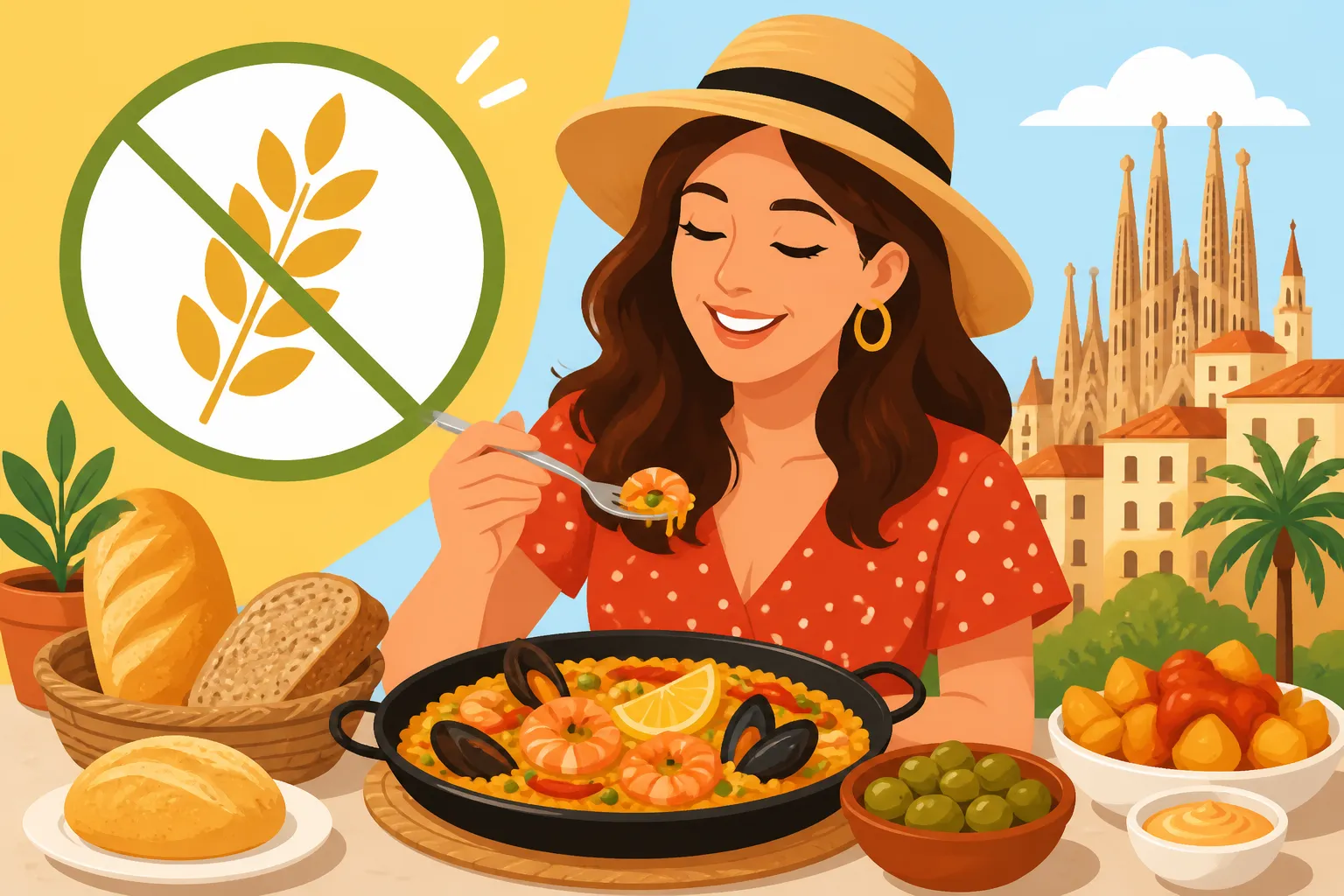
You'll usually see "sin gluten" prominently displayed on products. Look for the crossed-grain symbol, which is the official certification for gluten-free products. This symbol means the product contains less than 20 parts per million (ppm) of gluten, which is the international standard for gluten-free. Manufacturers are legally required to declare major allergens, including cereals containing gluten, in the ingredients list. This means even if a product isn't explicitly "sin gluten," you can often discern its gluten status by checking for bolded allergens.
However, don't confuse "sin gluten" with "apto para celíacos" (suitable for celiacs). While they often mean the same, "apto para celíacos" sometimes implies an even stricter control over cross-contamination, especially in dedicated gluten-free facilities. For instance, brands like Schär and Santiveri are widely available and well-regarded for their gluten-free range, often carrying the appropriate certification. In terms of national awareness, the Federación de Asociaciones de Celíacos de España (FACE) has been instrumental in educating both consumers and food service providers, so look for their endorsement in some establishments.
While awareness is good, it's never foolproof. There’s still a significant learning curve in smaller, more traditional villages, where concepts like cross-contamination might not be fully understood. This is where your practiced Spanish phrases and a bit of patience become invaluable.
Navigating Restaurants and Eating Out
Eating out is a huge part of the Spanish experience. Giving up tapas or a sit-down meal isn't an option for most visitors, nor should it be! With a bit of strategic planning and assertive communication, you can still enjoy Spain's vibrant culinary scene.
Researching Restaurants
Gone are the days when finding a gluten-free meal felt like a treasure hunt. Technology is your friend here. Before you even step out of your accommodation, do some digging.
- Apps & Websites: Dedicated apps like "Dine Gluten Free" or "Gluten Free Pal" can be incredibly useful for finding restaurants in Spain. They often include reviews from other gluten-free diners, which can give you a realistic idea of a place’s reliability. Websites like TripAdvisor or Google Maps allow you to filter for "gluten-free options," though always cross-reference these with recent reviews. Look for restaurants specifically advertised as "restaurante sin gluten" or those endorsed by FACE. Many larger cities, like Madrid and Barcelona, have a growing number of fully gluten-free restaurants or bakeries that are absolute havens.
- Hotel Recommendations: If you've booked your accommodation through platforms like Booking.com, you can sometimes check guest reviews for mentions of dietary accommodations, or even contact the hotel directly to ask for nearby recommendations. Many hotels, especially those catering to international tourists, are well-versed in dietary needs.
- Food Tours: While perhaps not immediately obvious, some specialized food tours available through platforms like GetYourGuide are beginning to offer gluten-free versions. This can be a fantastic way to explore local cuisine safely, as the guides are usually very knowledgeable about local eateries and can communicate your needs directly. Just make sure to confirm "sin gluten" options with the tour operator before booking.
Always call ahead if possible, especially for dinner reservations. This allows you to speak directly with the restaurant and gauge their understanding of gluten-free needs, including cross-contamination protocols.
Communicating with Staff
This is often the most challenging part. While many staff members will be helpful, language barriers or a simple lack of understanding can cause issues.
- Be Clear and Direct: Don't shy away from stating your needs. Hand over a written "gluten-free restaurant card" in Spanish. These cards, available online from celiac associations, clearly explain what you can and cannot eat, and emphasize the importance of avoiding cross-contamination. This little piece of paper can save a lot of back-and-forth and reduce the chance of misunderstanding.
- Ask About Preparation: For seemingly safe dishes, always inquire about their preparation. For example, a simple grilled fish (pescado a la plancha) might seem safe, but if it's cooked on the same grill as breaded items, it's a no-go for celiacs.
- Spotting Red Flags: If the staff seem unsure, dismissive, or immediately say everything is "sin gluten" without asking questions, proceed with caution. It's often better to leave and find somewhere else than risk your health. Trust your gut feeling. A truly accommodating restaurant will take your concerns seriously.
- Embrace the "Menú del Día" with Care: Many Spanish restaurants offer a fantastic value "menú del día" (menu of the day) for lunch. Some will clearly mark gluten-free options, or the staff will be happy to guide you. However, portions are often prepared in advance, so always double-check. Our guide on What Is a ‘Menú del Día’ and How Does It Work? might offer more context on this dining tradition.
Common "Problem" Foods and Hidden Gluten
Spain's cuisine is delicious, but many dishes contain hidden gluten, or are prepared in ways that introduce it. Be especially vigilant with these:
- Frituras (Fried Foods): Patatas bravas (fried potatoes), calamares a la romana (fried calamari), croquetas… these are often breaded with wheat flour or fried in oil that has been used for gluten-containing items. Even if they offer "sin gluten" versions, always ask about dedicated fryers.
- Salsas and Soups: Many traditional Spanish sauces (like those accompanying meat dishes or in stews) use flour as a thickener. Some soups might also contain pasta or a flour-based stock.
- Embutidos (Cured Meats): While most cured meats like jamón serrano or chorizo are naturally gluten-free, some cheaper or processed versions might contain gluten as a binder or filler. Always check the label if buying from a deli, or ask in a restaurant.
- Paella/Rice Dishes: The rice itself is gluten-free, but sometimes bouillon cubes containing gluten are used in the broth, or the preparation surface might have cross-contamination issues. Always confirm.
- Tortilla Española (Spanish Omelette): A simple tortilla of eggs and potatoes is usually fine, but some restaurants add flour to bind it, or it might be cooked on a contaminated surface.
- Pan (Bread): Bread is a staple, accompanying almost every meal. Even if you explicitly state "sin gluten," a basket of regular bread might still appear on your table. Politely send it back and ask for gluten-free bread if they offer it.
- Desserts: Many traditional Spanish desserts are flour-based, like churros, buñuelos, or certain cakes. Look for fruit-based desserts (fruta) or flan (though sometimes flour is used in the caramel).
It’s truly a balancing act between enjoying the culture and staying safe. Remember, if you’re unsure, it’s always best to err on the side of caution. If you're interested in more about the general culinary scene, our Spanish Food and Drink: A Practical Culture Guide dives deeper into the gastronomic traditions.
Shopping for Gluten-Free Groceries
Sometimes, eating out can be too much hassle or too risky. This is where stocking up on groceries becomes your best friend. Having your own gluten-free essentials gives you control and peace of mind, especially if you’ve booked an apartment with a kitchen (which Booking.com can help you find!).
Supermarkets and Specialty Stores
Spain's larger supermarkets are increasingly catering to gluten-free needs, making self-catering a much easier option than it used to be.
- Major Supermarket Chains:
- Mercadona: This is a fantastic option. They have their own brand, Hacendado, which offers a vast range of "sin gluten" products, from bread and pasta to cookies and frozen meals. Their commitment to clear labeling and a wide selection makes them a favorite among celiacs.
- Carrefour: Another large chain with a dedicated "sin gluten" section. You'll find a good selection of national and international gluten-free brands.
- El Corte Inglés (Supercor): The gourmet supermarket section of Spain's largest department store, or their smaller Supercor markets, usually have an excellent selection of high-quality gluten-free items, though prices can be higher.
- Lidl & Aldi: These discount supermarkets are also expanding their gluten-free ranges, often at very competitive prices. It's worth checking their weekly specials.
- Specialty Health Food Stores (Herbolarios): These are independent health food stores that often carry a wider variety of specialized gluten-free products, organic items, and dietary supplements. You might find unique flours, snacks, or local gluten-free brands here that aren't available in larger supermarkets. Just be aware that prices can be higher.
- Local Markets (Mercados): While wonderful for fresh produce, meat, and fish (naturally gluten-free!), traditional markets may not have labeled gluten-free processed foods. Use caution and stick to whole, unprocessed items. You can learn more about general shopping in Spain in our Spanish Shopping: Supermarkets, Markets, and Budget Strategies article.
Reading Labels and Certifications
Even with Spanish being your second language, understanding food labels is a skill you absolutely must master.
- Allergen List: By law, allergens must be highlighted (often in bold) in the ingredients list. Look for any mention of "trigo" (wheat), "cebada" (barley), "centeno" (rye), "avena" (oats – unless certified gluten-free), or "gluten."
- "Sin Gluten" Symbol: Always prioritize products with the official crossed-grain symbol. This provides the highest level of assurance that the product meets the legal standards for gluten-free.
- "Puede Contener Trazas de…": This phrase means "May contain traces of…" and is usually followed by a list of allergens. For many with celiac disease, products with this warning are best avoided due to the risk of cross-contamination during manufacturing, even if the primary ingredients are gluten-free.
- Certification by FACE: The Federación de Asociaciones de Celíacos de España (FACE) also has its own seal of approval. If you see this on a product, it indicates that it has been vetted and meets their strict standards.
- Naturally Gluten-Free: Don't forget the abundance of naturally gluten-free foods! Fresh fruits and vegetables, unprocessed meats and fish, eggs, rice, potatoes, corn, and legumes are all safe bets. Focus on these staples to form the basis of your meals.
Travel and Planning Gluten-Free
Travel can add another layer of complexity to gluten-free living, but with some foresight, it's entirely manageable. Think of it as a fun challenge, not a hindrance!
Planning Ahead for Accommodation and Activities
Your choices here can significantly impact your gluten-free experience.
- Accommodation with Kitchens: When booking through platforms like Booking.com, prioritize apartments, aparthotels, or even hostels with shared kitchens. Having the ability to prepare some of your own meals, even just breakfast or a simple dinner, can alleviate a lot of stress. You'll have complete control over ingredients and preparation. Our guide on Accommodation in Spain: Hotels, Hostels, and Rentals can help you explore different options.
- Informing Airlines/Train Companies: If you're on a long journey, especially flights, always pre-order a "gluten-free meal" if available. For train travel (perhaps booked via Omio), it's often safer to bring your own food, as on-board catering options can be limited and prone to cross-contamination.
- Activity Planning: When planning excursions through platforms like GetYourGuide, consider how your meals will fit in. If it’s a full-day tour, will there be opportunities to buy safe food, or should you pack extra snacks? Check the itinerary for lunch breaks and scout out potential eateries in those areas beforehand. For example, if you're taking a day trip from Madrid, you can quickly research gluten-free places in your destination before you go.
Packing Essential Snacks
This is perhaps the most fundamental "sin gluten" tip for travelers. Always, always, always carry emergency snacks!
- The "Hangry" Prevention Pack: Keep a small bag of your favorite gluten-free crackers, energy bars, nuts, or fruit with you at all times. This prevents you from being caught off guard when safe food options are scarce, or when you encounter unexpected delays. Imagine a long train journey booked through Omio, only to find the station kiosks have no safe options – your snacks will be a lifesaver.
- Bringing from Home: If you have specific gluten-free brands or items you rely on, pack a reasonable quantity in your luggage, especially for your first few days. This buys you time to scout out local supermarkets without the immediate pressure of finding food. Just be mindful of any customs regulations regarding food items, though processed snacks are usually fine.
- Hydration: Don't forget water! Staying hydrated can help manage any discomfort, and often, thirst can be mistaken for hunger.
Navigating Spain with a gluten intolerance doesn't have to be a source of constant stress. With preparation, clear communication, and knowing where to find your safe havens, you can fully embrace the incredible food culture this country has to offer. ¡Buen provecho!
Key Spanish Gluten-Free Phrases
| English Phrase | Spanish Phrase | Pronunciation (Approx.) | Context / Importance |
|---|---|---|---|
| Gluten-free | Sin gluten | Seen gloo-ten | The most basic and essential term. |
| I am celiac (male/female) | Soy celíaco / Soy celíaca | Soy the-lee-ah-koh / Soy the-lee-ah-kah | Clearly states a medical condition, often signaling seriousness. |
| I cannot eat anything with gluten | No puedo comer nada con gluten | Noh pway-doh koh-mare nah-dah kon gloo-ten | Very direct, leaves no room for ambiguity. |
| Does this contain gluten? | ¿Esto lleva gluten? | Es-toh yay-vah gloo-ten? | For inquiring about specific dishes. |
| Are there gluten-free options? | ¿Hay opciones sin gluten? | Eye op-thyon-es seen gloo-ten? | General inquiry for menu items. |
| Can it be prepared gluten-free? | ¿Se puede preparar sin gluten? | Say pway-day pray-pah-rahr seen gloo-ten? | Useful for adaptable dishes (e.g., grilled items). |
| Do you use gluten-free flour? | ¿Utilizan harinas sin gluten? | Oo-tee-lee-than ah-ree-nas seen gloo-ten? | Crucial for fried items, sauces, or baked goods. |
| I have a gluten allergy | Tengo alergia al gluten | Ten-goh ah-ler-hee-ah al gloo-ten | Can sometimes convey severity better than "celiac" to the uninitiated. |
| Cross-contamination? / Risk of cross-contamination? | ¿Contaminación cruzada? / ¿Riesgo de contaminación cruzada? | Kon-tah-mee-nah-thyon kroo-thah-dah? / Ree-es-goh de…? | For high-risk individuals; emphasizes preparation methods. |
| May contain traces of… | Puede contener trazas de… | Pway-day kon-ten-er trah-thas de… | Common on labels; often means it's processed in a facility with gluten, so usually best avoided by celiacs. |
| Wheat / Barley / Rye / Oats (not GF certified) | Trigo / Cebada / Centeno / Avena (no certificada sin gluten) | Tree-goh / The-bah-dah / Then-ten-oh / Ah-veh-nah | Know these ingredients to spot on labels if "sin gluten" or the symbol is absent. |
Disclaimer
The information provided in this guide is for general informational purposes only and does not constitute medical advice. While we strive to offer accurate and up-to-date details for living in Spain, regulations, availability of products, and restaurant policies can change. Always exercise caution, communicate your dietary needs clearly, and consult with a medical professional for personalized advice regarding celiac disease or gluten intolerance. Your health and safety are paramount.