How to Choose Between the North and South of Spain
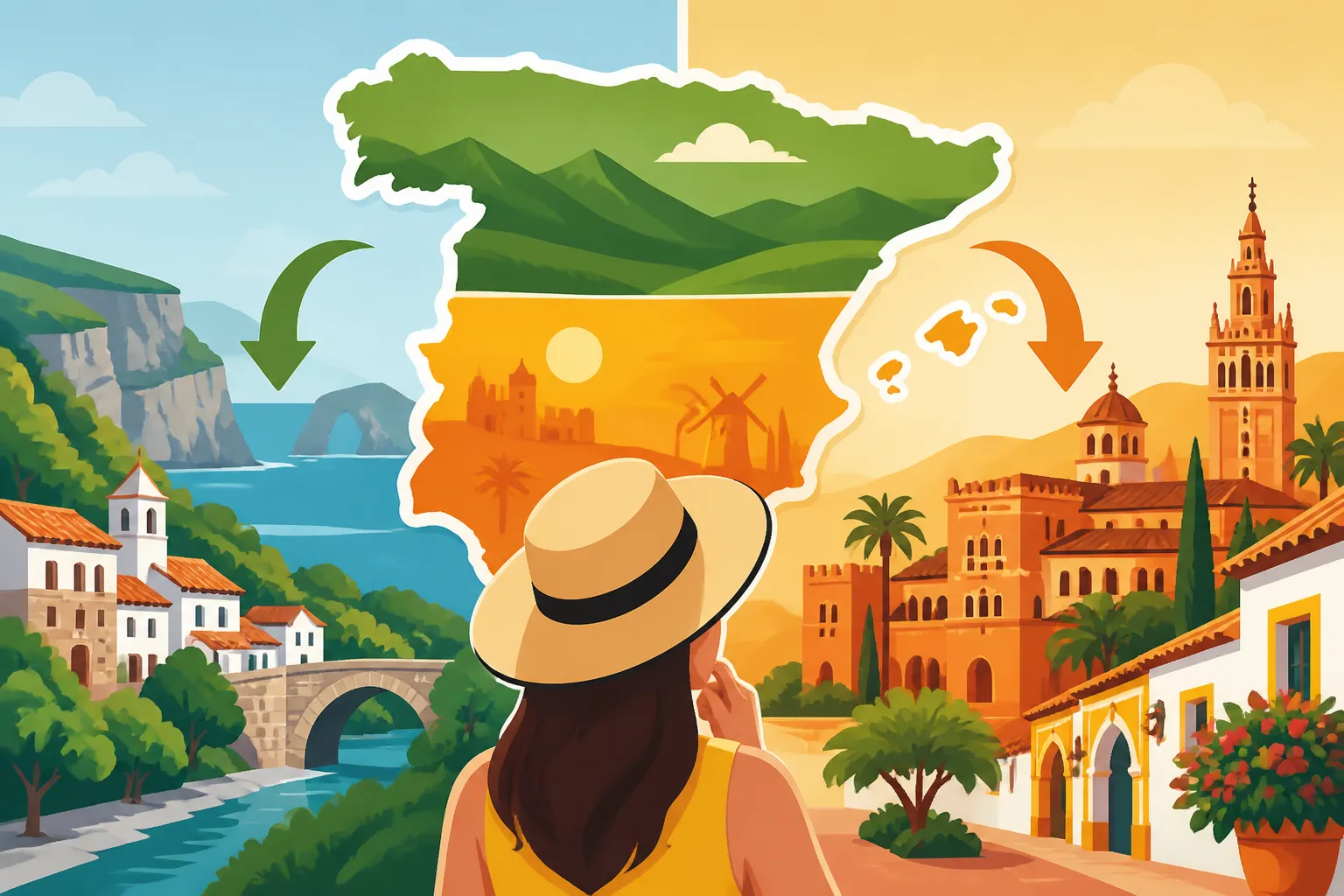
Oh, the eternal question, isn't it? "Should I go North or South?" It's a tale as old as time for anyone dreaming of a Spanish adventure, whether you're planning a quick holiday or looking to put down roots. Believe me, I've had this conversation countless times over a glass of tinto de verano with fellow expats, and the answer is never simple because Spain is a country of incredible contrasts. It’s like trying to choose between two equally delicious but completely different dishes on the same menu. This isn't about one being "better" than the other; it's about what truly resonates with your soul and travel style. So, let's break down the distinct flavors of Spain's North and South to help you figure out which one is calling your name.
Disclosure: This post may contain affiliate links. We may earn a commission at no extra cost to you if you make a purchase through these links. Read full disclosure.
Understanding the Climatic Divide: Sun-Drenched South vs. Verdant North
One of the most immediate and defining differences between northern and southern Spain is, without a doubt, the climate. This isn't just about temperature; it shapes everything from the landscape to the local rhythm of life.
The Allure of the Andalusian Sun: Southern Spain's Climate
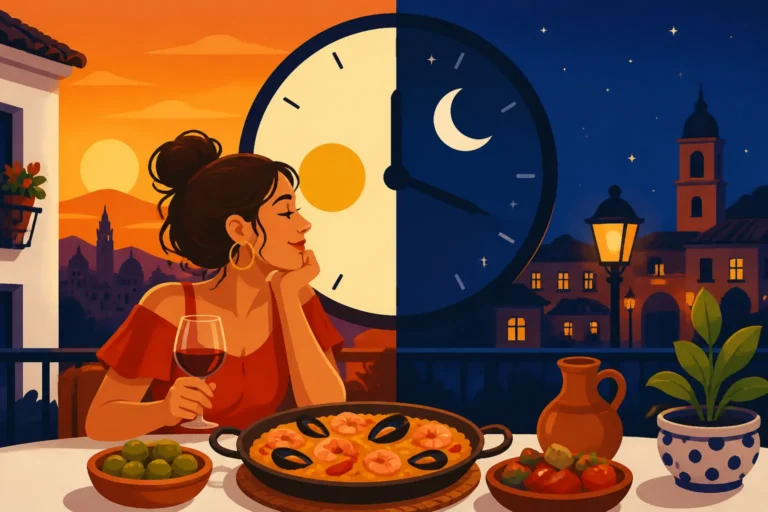
When most people picture Spain, they often conjure images of the sunny South: warm temperatures, clear blue skies, and long, balmy evenings. This is the land of Andalucía, Murcia, and much of the Mediterranean coast, where a subtropical climate reigns supreme. Summers here are intense, often reaching well into the high 30s or even 40s Celsius, particularly in inland cities like Seville or Córdoba. Imagine wandering through historic streets, seeking refuge in cool patios, or lounging by a pool, only to emerge for tapas and drinks as the sun sets and the air finally cools.
The beauty of the South, especially for those escaping colder climates, is its mild winters. While it might not be swimsuit weather, you'll still enjoy plenty of sunshine, with daytime temperatures often hovering around 15-20°C. It’s perfect for exploring ancient sites like the Alhambra in Granada without the crowds or the scorching heat. Coastal areas, like the Costa del Sol, benefit from the moderating influence of the Mediterranean Sea, making them slightly less extreme year-round. This consistent sunshine deeply influences the lifestyle here, encouraging outdoor living, late-night socializing, and a relaxed pace that many foreigners find incredibly appealing. If your ideal Spanish getaway involves maximizing your vitamin D intake and enjoying alfresco dining well into the evening, the South is definitely beckoning.
The Green Heartbeat: Northern Spain's Atlantic Climate
Now, shift your mental image entirely. Northern Spain, encompassing regions like Galicia, Asturias, Cantabria, and the Basque Country, falls under the influence of the Atlantic Ocean. This means a dramatically different climate – think lush, green landscapes, rolling hills, and a coastline that’s often rugged and dramatic. Here, summers are much milder, with temperatures typically ranging from 20-28°C. This makes it an ideal destination for those who prefer to avoid extreme heat, making it perfect for active holidays like hiking or cycling. You can still enjoy beautiful beaches, especially in places like San Sebastián or along the Cantabrian coast, but don't expect the scorching sands of the South.
Winters in the North are cooler and significantly wetter. While heavy snow is rare outside of mountainous areas like the Picos de Europa, you should expect more rain and overcast days. However, this is precisely what gives the region its incredible verdant beauty, earning it the nickname "Green Spain." The cooler climate also contributes to a different kind of indoor-outdoor lifestyle, where cozy evenings in traditional cider houses or gastronomic societies are just as cherished as sunny days exploring nature. If you're someone who wilts in intense heat, loves the smell of damp earth after a rain, or prefers walking through misty forests and dramatic coastal paths, then the North will feel like a breath of fresh air, quite literally.
Unpacking the Cultural Tapestry: Flamenco Fire vs. Gastronomic Grace
Beyond the weather, the cultural experiences in Spain's North and South are wonderfully distinct, shaped by centuries of different histories, influences, and traditions.
The Soul of the South: Passion, Heritage, and Fiesta
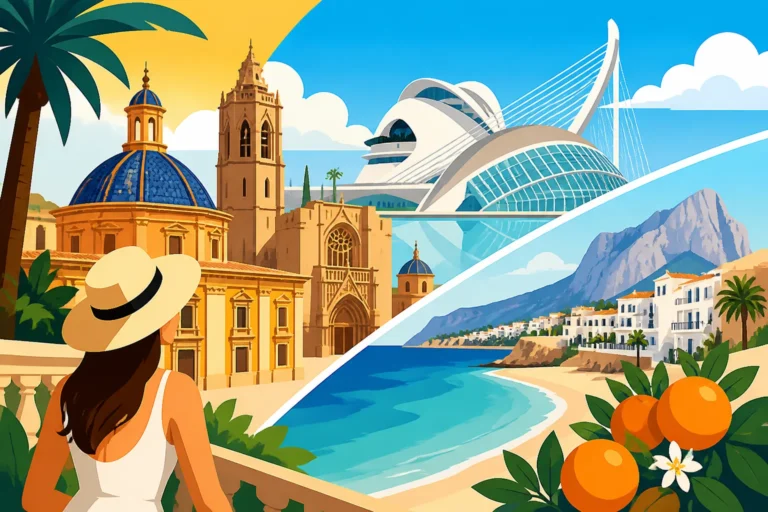
Southern Spain is often seen as the quintessential Spain of postcards: vibrant flamenco, the lingering scent of orange blossom, and a deep-rooted Moorish heritage visible in stunning architecture. This region, particularly Andalucía, pulses with a passionate, expressive energy. Think of the spontaneous flamenco performances in a quiet taberna in Seville, or the awe-inspiring beauty of the Mezquita in Córdoba. Life here tends to be lived outdoors and communally, with plazas bustling late into the night. Locals are generally warm, open, and incredibly social, eager to share their culture, sometimes with a theatrical flair.
The rhythm of life can feel slower, more relaxed, often punctuated by the famous siesta, particularly during the hotter months. Food is a central pillar, with tapas being a way of life – small, flavorful dishes designed for sharing and savoring over extended conversations. Festivals like Semana Santa (Holy Week) are celebrated with incredible fervor and spectacle, drawing massive crowds. The history is palpable, a rich blend of Roman, Moorish, and Christian influences that have sculpted everything from the language (Andalusian Spanish has its own unique cadence and vocabulary) to the cuisine and architectural wonders. If you're seeking a Spain that feels alive with history, tradition, and an unmistakable zest for life, where conversations are loud and gestures expressive, the South offers an immersive cultural dive. Remember to immerse yourself in Spanish Customs, Etiquette, and Social Life to truly fit in.
The Charm of the North: Sophistication, Nature, and Unique Identities
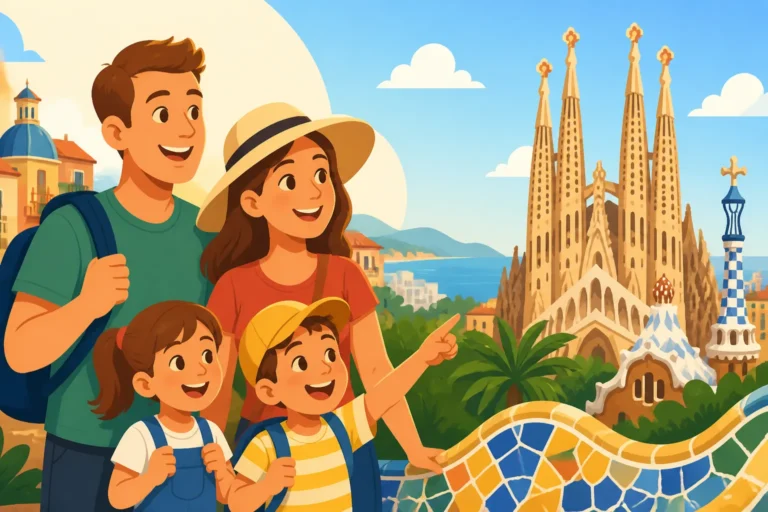
Northern Spain presents a different, equally rich, cultural landscape. Here, you'll find strong regional identities, distinct languages (Basque in the Basque Country, Galician in Galicia), and a culture that often feels more understated but no less profound. The Basque Country, for example, prides itself on its unique language (Euskera) and its world-renowned gastronomy. Eating is an art form here, with pintxos (small, elaborate snacks) taking center stage, often enjoyed standing up in bustling bars. Cities like San Sebastián and Bilbao are hubs of culinary innovation and modern art, with the Guggenheim Museum Bilbao being a prime example.
Further west in Galicia, you'll encounter a region with strong Celtic roots, evident in its folklore, music, and misty landscapes. The Camino de Santiago, the ancient pilgrimage route, culminates here in Santiago de Compostela, bringing a constant flow of international travelers and adding another layer to the region's spiritual and cultural fabric. People in the North can sometimes be perceived as more reserved than their southern counterparts, but they are equally welcoming once you break the ice, often valuing intellectual conversation and a deep connection to their land and traditions. The emphasis on quality produce, seafood, and sophisticated preparation, as well as hearty, comforting stews, speaks to a culture that values substance and tradition. If your ideal journey involves gastronomic exploration, dramatic natural beauty, and a chance to experience unique regional identities that stand apart from the stereotypical Spanish image, the North promises an intriguing adventure.
Landscapes and Leisure: From Sunny Beaches to Rugged Peaks
Spain's geography is incredibly diverse, and this plays a huge role in the types of activities and scenery you'll encounter, dictating whether your days are spent lounging by the sea or trekking through mountains.
Southern Spain: Coastal Bliss, Arid Beauty, and Mountain Adventures
The South boasts some of Spain's most iconic coastlines, from the golden sands of the Costa del Sol to the wilder, wind-swept beaches of the Costa de la Luz. These are prime locations for sunbathing, swimming, and water sports, with bustling beach towns and quieter coves alike. Beyond the beaches, you'll find striking, almost arid landscapes inland, especially as you head towards areas like the Tabernas Desert, Spain's only true desert. However, not all of the South is flat or dry; the Sierra Nevada mountain range, just a stone's throw from Granada, offers fantastic skiing in winter and incredible hiking opportunities in summer. Imagine skiing in the morning and being on a Mediterranean beach in the afternoon – it's a unique southern Spanish experience!
The region is also dotted with charming pueblos blancos (white villages), like those found in the hills of Cádiz, which are perfect for leisurely drives, exploring quaint streets, and enjoying stunning views. History buffs will find themselves immersed in the ancient Roman ruins of Itálica or the elaborate Moorish palaces. Leisure here often involves a relaxed pace, long lunches, and evening strolls, interspersed with cultural visits or beach days. If you crave a destination where a diverse range of activities, from vibrant city life to tranquil beach escapes, are all within easy reach, the South offers an irresistible blend. For those wondering about extending their coastal explorations, you might even consider options like The Balearic Islands: Choosing Between Mallorca, Menorca, and Ibiza after experiencing the mainland's charm.
Northern Spain: Emerald Coasts, Majestic Mountains, and Green Interior
In stark contrast, Northern Spain is a haven for nature lovers and outdoor enthusiasts, offering a landscape that feels more akin to Ireland or Switzerland than the traditional image of Spain. The coastline here is dramatically beautiful, characterized by rugged cliffs, hidden coves, and powerful Atlantic waves – making it a surfing hotspot, especially along the Basque and Cantabrian coasts. Inland, the Cantabrian Mountains dominate, featuring the breathtaking Picos de Europa National Park, a paradise for hikers, climbers, and wildlife watchers. You can spend days exploring alpine meadows, deep gorges, and charming mountain villages.
Galicia, with its Rías Baixas, offers fjord-like estuaries, pristine beaches, and ancient forests, creating a mystical and often misty atmosphere. The region is crisscrossed with scenic driving routes, perfect for exploring its natural parks and stunning viewpoints. This is a region where getting out into nature is paramount, whether it's walking a section of the Camino de Santiago, exploring the dramatic coastline, or indulging in some serious hiking. The cooler climate makes physical activity more comfortable throughout the summer months. If your idea of a perfect getaway involves stunning natural beauty, outdoor adventure, and perhaps a touch of solitude among verdant landscapes, the North is an unparalleled choice. You'll find plenty of opportunities for Day Trips and Weekend Getaways Across Spain that focus on nature here.
Practicalities: Budget, Accessibility, and Language Layers
Finally, let's get down to the practical considerations that often influence our travel decisions – how much it costs, how easy it is to get around, and what to expect regarding language.
Navigating the Logistics of the South
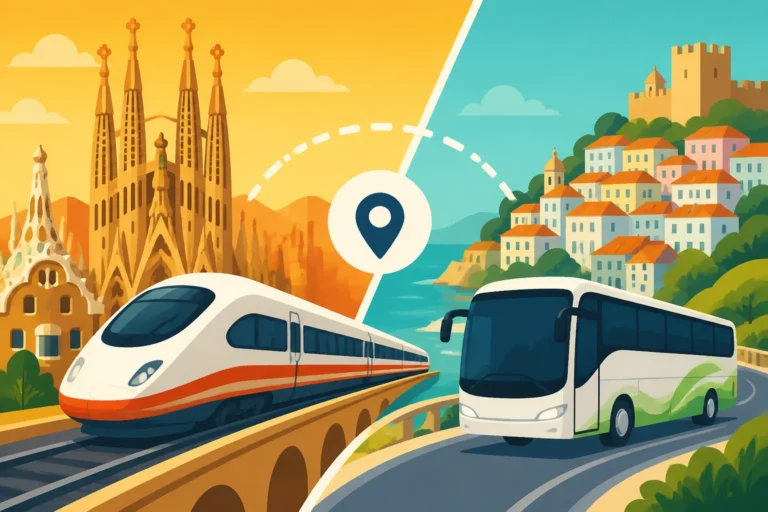
Generally speaking, outside of major cities like Seville or Malaga during peak season, southern Spain can often be a more budget-friendly option, particularly for food and accommodation. A typical menú del día (fixed-price lunch menu) might be slightly cheaper, and the abundance of free tapas with drinks in some cities can make eating out quite economical. When it comes to getting around, the South is well-connected by an excellent network of high-speed AVE trains, making travel between major cities like Madrid, Seville, Cordoba, and Malaga incredibly efficient. Regional buses also serve smaller towns comprehensively. To easily plan your routes and find the best deals, consider checking platforms like Omio for train and bus tickets. While Castilian Spanish is spoken everywhere, the Andalusian accent can sometimes be a bit challenging for new learners due to its unique pronunciation – they often "eat" the ends of words! However, in tourist areas, you'll find plenty of English speakers.
Embracing the Practicalities of the North
The North, particularly cities like San Sebastián, can be a bit pricier, especially when it comes to dining (those pintxos can add up!) and accommodation, reflecting its high quality of life and renowned gastronomy. However, exploring the rural areas can still be quite affordable. For transport, while there are train connections, many visitors find that renting a car provides the most freedom to explore the stunning coastal roads and national parks at their own pace. If you're considering this, be sure to look into Renting a Car in Spain: Requirements, Insurance, and Driving Tips beforehand. Booking.com offers a vast array of accommodation options from city hotels to rural casas rurales, catering to all budgets across both regions.
Language in the North adds another layer. While Castilian Spanish is universally understood and spoken, you'll encounter co-official languages like Euskera (Basque), Galician, and Catalan (in Catalonia, which is northeastern Spain but shares some climatic and cultural similarities with the "Green Spain" regions). Place names, menus, and local signage will often be in both languages, which can be an enriching cultural experience. Don't worry, though; locals are generally delighted if you attempt a few words in their regional tongue, but Spanish will get you by everywhere. For unique local experiences, from guided walking tours in Bilbao to surf lessons on the Cantabrian coast, GetYourGuide offers a fantastic selection. Knowing a few basic phrases in Spanish is always helpful, and you might even consider finding out How to Learn Enough Spanish for a Two-Week Trip to make your interactions even smoother.
The Ultimate Choice: Where Does Your Spanish Heart Lie?
So, North or South? There's no right or wrong answer, only the choice that aligns with your personal travel dreams and preferences.
| Feature | Southern Spain (Andalusia, Murcia, etc.) | Northern Spain (Basque Country, Galicia, etc.) |
|---|---|---|
| Climate | Hot, dry summers (30-40°C+); mild, sunny winters (15-20°C) | Mild summers (20-28°C); cooler, wetter winters (5-15°C) |
| Landscape | Golden beaches, arid plains, white villages, Sierra Nevada mountains | Rugged coastlines, green mountains (Picos de Europa), lush forests, fjords |
| Culture/Vibe | Passionate, social, flamenco, Moorish heritage, siesta culture | Understated, strong regional identity, world-class gastronomy, Celtic roots |
| Food | Tapas culture, olive oil, gazpacho, seafood paella, sweet wines | Pintxos, fresh seafood, cider, hearty stews, fine dining, Txakoli wine |
| Key Activities | Beach holidays, historical tours, city breaks, flamenco shows, hiking | Hiking, surfing, gastronomic tours, exploring national parks, Camino de Santiago |
| Pace of Life | More relaxed, social, late evenings | Steady, outdoors-focused, sophisticated dining |
| Cost (Gen.) | Often more budget-friendly outside peak city centers | Can be pricier, especially for food in gastronomic hubs |
| Language | Castilian Spanish (Andalusian accent) | Castilian Spanish + regional languages (Basque, Galician, Catalan) |
If you crave sunshine, a vibrant outdoor social scene, passionate cultural displays, and stunning historical sites, the South will embrace you with open arms. If your heart yearns for lush green landscapes, dramatic coastlines, cooler temperatures, unparalleled culinary experiences, and a deeper dive into unique regional identities, then the North is your calling.
Perhaps the real answer, if time and budget allow, is to experience both. Spain is vast and varied, and each region offers a piece of its soul waiting to be discovered. Whichever you choose, prepare for an unforgettable adventure.
Disclaimer
Please remember that travel information, regulations, and local conditions can change. Always check the latest advice from official government sources and local authorities before making any travel plans. While I strive to provide accurate and up-to-date information, it is always wise to double-check details closer to your travel dates.