Spain’s Most Beautiful Small Towns to Visit
Finding the "authentic" Spain is an uphill battle when you are constantly funneled into the overcrowded corridors of Madrid or the Gothic Quarter in Barcelona. I spent my first year as an expat in a bustling city before I finally hopped on a regional bus and realized the real Spanish soul lives in the quiet, cobblestoned plazas of its tiny villages. This guide solves the "where to go next" dilemma by revealing the most stunning small towns that define the Spanish landscape.
Disclosure: This post may contain affiliate links. We may earn a commission at no extra cost to you if you make a purchase through these links. Read full disclosure.
The Iconic White Villages of Andalusia
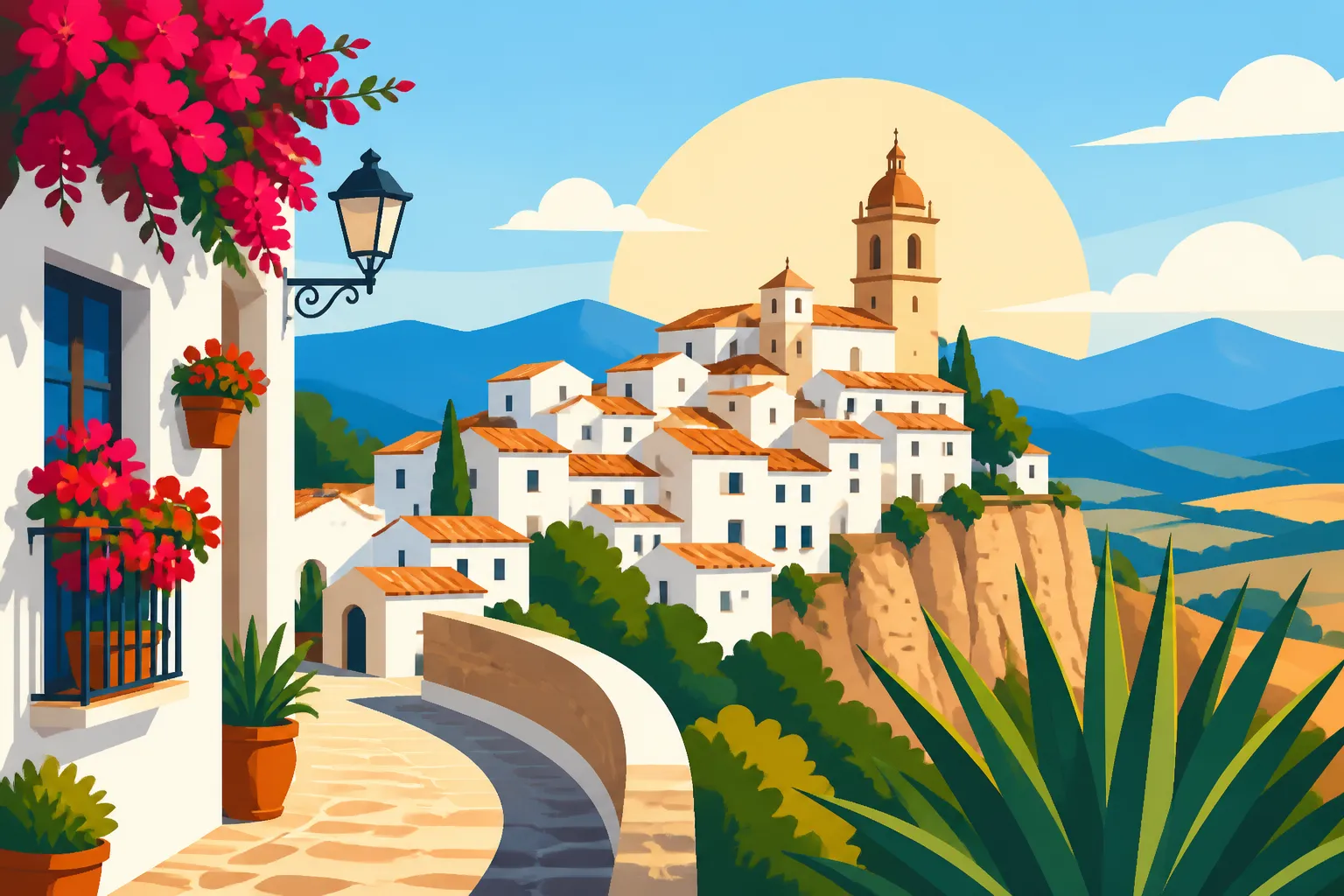
Southern Spain is famous for its Pueblos Blancos, a collection of villages where every building is coated in a brilliant white lime wash to reflect the brutal summer heat. These towns are often perched precariously on limestone cliffs, offering views that make your head spin. If you are planning to visit this region, understanding Spain's Regions and Where to Go: A Traveler's Overview is the best place to start, as Andalusia alone could take months to explore fully.
Arcos de la Frontera and the Cliffside Drama
Arcos de la Frontera is often considered the gateway to the white village route. When you first arrive, the sheer verticality of the town is intimidating. I remember my first time driving through the "old town" section; the streets are so narrow that I had to fold my side mirrors in just to pass through. It is a labyrinth of steep alleys and sudden openings into plazas like the Plaza del Cabildo.
The town is famous for its "Peña," a massive sandstone cliff that drops hundreds of feet down to the Guadalete River. Standing at the Mirador de la Peña Nueva, you feel the wind whipping up from the valley, and you can see miles of olive groves and rolling hills. The history here is layers deep—Gothic churches built over Moorish mosques, a reminder of the "Frontier" history the town’s name implies. For those moving through the region, using Omio to compare the local bus routes versus regional trains can save you a lot of logistical headaches, as Arcos is best reached by road.
Olvera and Zahara de la Sierra
Further into the Sierra de Cádiz, you find Olvera. Its silhouette is unmistakable: a sea of white houses crowned by a massive neoclassical church and a 12th-century Moorish castle. Walking up to the castle is a workout for your calves, but once you reach the ramparts, you have a 360-degree view of the "Via Verde de la Sierra," an old railway line turned into a hiking and cycling path.
Nearby is Zahara de la Sierra, which sits above a turquoise reservoir. It is one of the most photographed spots in the country. The town is small enough to walk across in fifteen minutes, but you’ll want to stay for hours just to watch the light change over the water. If you are venturing this deep into the countryside, you should definitely look into Spain's Pueblos Blancos: Visiting the White Villages for a more focused itinerary of the hidden gems in this specific cluster.
Medieval Marvels of the Spanish Interior
While the south is white and bright, the interior of Spain—specifically Aragon and Castile-La Mancha—is made of stone, iron, and history. These towns feel like they have been frozen in time since the 14th century, and they offer a stark, rugged beauty that is very different from the coastal vibes.
Albarracín: The Red City of Teruel
Consistently voted as the most beautiful town in Spain by locals, Albarracín is a masterpiece of medieval architecture. Located in the province of Teruel, its buildings are constructed from a unique pinkish-red stone and timber. The streets are a chaotic tangle of overhanging balconies and secret stairways.
What makes Albarracín special is its integration with the surrounding landscape. The town follows the curve of the Guadalaviar River, and its massive fortified walls (the Murallas de Albarracín) climb up the surrounding ridges like a miniature Great Wall of China. Because it is somewhat isolated, many travelers find that Booking.com is essential for securing one of the few boutique hotels or "casas rurales" nestled within the medieval core.
Morella: The Walled Fortress
Located in the north of the Castellón province, Morella greets you long before you reach its gates. It is a fortified city built on a giant rock, surrounded by nearly two kilometers of perfectly preserved medieval walls. The towering castle at the very top has seen battles from the Romans to the Spanish Civil War.
Walking through Morella is like attending a masterclass in Gothic architecture. The Basílica de Santa María la Mayor is a must-see, featuring a unique lateral choir staircase that is unlike anything else in Spain. The town is also famous for its culinary traditions, particularly its "truffle culture" and honey. Before you dive into a local menu here, it’s worth reviewing Spanish Food and Drink: A Practical Culture Guide so you know exactly what seasonal delicacies to ask for in these mountain regions.
Coastal Gems of the North and the Mediterranean
Spain’s coastline is more than just the high-rise resorts of the Costa del Sol. In the north and on the rugged edges of Catalonia, you find fishing villages that have maintained their character despite the pressures of tourism.
Cudillero: The Amphitheater of Asturias
On the Atlantic coast of Asturias, Cudillero is unlike any other town in Spain. The houses are painted in vibrant shades of blue, green, and red, and they are built into a natural crescent-shaped cliff surrounding the harbor. This creates an "amphitheater" effect where every window looks out over the crashing waves of the Bay of Biscay.
Life here revolves around the "Plaza de la Marina." It is filled with "sidrerías" (cider houses) where you can experience the traditional Asturian way of pouring cider from a height to aerate it. If you’re coming from the south or Madrid, the climate change can be a shock—it’s green, misty, and much cooler. To get the most out of a trip here, checking GetYourGuide for local coastal trekking tours or boat trips is a great way to see the "Costa Verde" from the water.
Cadaqués: Dalí’s Inspiration on the Costa Brava
At the very eastern edge of the Cap de Creus peninsula lies Cadaqués. This town was notoriously difficult to reach for decades because of the winding mountain road that leads to it, which helped preserve its whitewashed, bohemian charm. It is famously associated with Salvador Dalí, whose house in nearby Portlligat is now a museum.
The town is a maze of "rastell" (slate) streets and hidden coves with crystal-clear Mediterranean water. It feels more like a Greek island than a Spanish mainland town. The light here is extraordinary—bright, crisp, and inspiring. Because Cadaqués is so popular in the summer, it is wise to book ahead via Booking.com to find a spot with a sea view. It is also a prime location to practice your Survival Spanish for Travelers: Key Phrases to Learn First, as the locals often switch between Catalan and Spanish, and showing an interest in the local culture goes a long way.
Logistics of Exploring Small-Town Spain
Getting to these towns requires a bit more planning than simply jumping on a high-speed train between major hubs. While the High-Speed Trains in Spain (AVE): Routes, Booking, and Savings system is incredible, it won't get you to the doorstep of a village in the Sierra Nevada.
| Transport Option | Best For | Pro Tip |
|---|---|---|
| Car Rental | Villages & Mountains | Essential for the Pueblos Blancos and Albarracín. |
| Regional Bus (ALSA/Avanza) | Coastal Towns | Use Omio to find local operators that don't appear on Google. |
| Cercanías/Regional Trains | Day Trips | Great for towns within 50km of Madrid, Barcelona, or Seville. |
| Guided Tours | Deep History | Use GetYourGuide for spots like the Alhambra or Albarracín. |
The Reality of Driving in Small Towns
If you decide to go the car route, which I highly recommend for flexibility, make sure you read up on Renting a Car in Spain: Requirements, Insurance, and Driving Tips. One of the biggest mistakes newcomers make is trying to drive a large SUV into a medieval town center. Most of these beautiful towns have "Zonas de Bajas Emisiones" (Low Emission Zones) or are simply too narrow for modern cars. Always look for the "Parking Público" on the outskirts and walk the final ten minutes into the center. Your paint job and your stress levels will thank you.
Public Transport Connectivity
For those who don't want to drive, the bus network in Spain is surprisingly robust. Companies like ALSA connect most major towns to the smaller hubs. However, the frequency might only be once or twice a day. I’ve spent many hours sitting in a dusty station because I didn't check the "horarios" (timetables) correctly. Always verify if a bus runs on "festivos" (holidays), as service often drops to zero in rural areas during local festivals.
Navigating Small-Town Culture and Etiquette
Living or traveling in a Spanish village is a different pace of life. You cannot expect the 24/7 service of a capital city. Understanding the rhythm is the difference between a frustrating trip and a magical one.
The Sacred Siesta and Opening Hours
In towns like Morella or Arcos, the siesta is not a myth; it is a way of life. Shops will close at 2:00 PM and often won't reopen until 5:00 PM or 5:30 PM. Restaurants follow a strict schedule too. If you try to eat lunch at 4:00 PM, you will likely find every kitchen closed. For a deeper dive into these cultural quirks, check out Spanish Meal Times and Dining Etiquette Explained.
I remember being famished in a small town in Extremadura and wandering the streets for an hour, only to find the only thing open was a tiny pharmacy. Plan your meals and your shopping around the "break." Use that time to do what the locals do: go for a slow walk, take a nap, or find a shaded bench and just exist.
Interaction and Community
In small towns, people still say "¡Buenas!" or "¡Buenos días!" to everyone they pass. It is considered polite to acknowledge people, even if you don’t know them. If you are an expat looking to settle in one of these areas, making an effort to learn the local dialect or at least the basic greetings will open doors for you. The "señoras" sitting on their doorsteps in the evening are the keepers of the town’s secrets and history—if you are friendly, they are often happy to share stories about the buildings or the local "fiestas."
Festivals and Public Holidays
Many small towns have their own specific holidays that aren't celebrated elsewhere in Spain. If you arrive during a "Romería" or a patron saint festival, the town will be transformed. However, it also means banks, post offices, and grocery stores will be shut. It's always a good idea to check the local "Ayuntamiento" (City Hall) website for their calendar of events before you arrive.
Finding the Perfect Base for Your Travels
When choosing where to stay, it is often wise to look for "Paradores." These are state-run hotels often located in converted monasteries, castles, or palaces. The Parador in Arcos de la Frontera, for example, is located right on the edge of the cliff in a former magistrate's house.
If Paradores are out of your budget, Booking.com offers a wide range of "pensiones" or guest houses that are often family-run. Staying in a family home (with your own private area, of course) gives you a front-row seat to the local lifestyle. You’ll hear the church bells, the morning delivery trucks, and the sound of the town waking up.
Practical Tips for Your Journey
- Cash is King: While major cities are increasingly cashless, many small-town bars or bakeries still prefer "efectivo" (cash) for small purchases. Always carry some 5, 10, and 20 euro notes.
- Walking Shoes: Leave the heels at home. The "empedrado" (stone paving) in these towns is beautiful but brutal on the feet and ankles.
- Water: In the mountains, the tap water is often excellent, but in some coastal or southern areas, it can taste heavily of chlorine. Check with your host before filling your bottle.
- Connectivity: Don't expect 5G in the middle of the Picos de Europa. Download your maps for offline use on Google Maps or similar apps before you head into the mountains.
Traveling through Spain's small towns is about slowing down and embracing the "no pasa nada" (no problem) attitude. Whether you are looking for the white-washed hills of the south, the red stone of the interior, or the colorful harbors of the north, these villages offer a glimpse into a version of Spain that hasn't changed in centuries. It’s a rewarding, beautiful, and deeply personal way to experience one of the most diverse countries in Europe.
Disclaimer
This guide is for informational purposes only. Local regulations, opening hours, and transport schedules in Spain are subject to change, especially during regional holidays or seasonal shifts. Always verify specific travel details with local authorities or official service providers before your trip.