Shopping, Markets, and Souvenirs in Spain
Trying to find a simple gift or a specific ingredient at 3:30 PM in a Spanish town often results in facing a row of locked metal shutters and empty sidewalks. I remember my first month here, wandering the streets of Valencia in a desperate search for a basic notebook, only to realize the entire city had effectively gone to sleep. This guide solves the mystery of Spanish retail rhythms, helping you navigate everything from chaotic street markets to high-end boutiques without losing your mind or your schedule.
Disclosure: This post may contain affiliate links. We may earn a commission at no extra cost to you if you make a purchase through these links. Read full disclosure.
The Daily Rhythm of Spanish Retail
Navigating the shopping landscape in Spain requires a total recalibration of your internal clock. Unlike the 24/7 convenience culture prevalent in North America or Northern Europe, Spain operates on a split-shift system that can be incredibly jarring for newcomers. Understanding this rhythm isn't just about convenience; it's about respecting the local lifestyle and ensuring you don't end up standing frustrated in front of a closed door when you have a long list of errands to run.
The Siesta and the Midday Gap
The most famous (and often most frustrating) aspect of shopping in Spain is the midday closure. Traditionally, smaller shops and independent boutiques close around 1:30 PM or 2:00 PM and do not reopen until 4:30 PM or 5:00 PM. This isn't necessarily because everyone is napping; it's the time for the "comida," the main meal of the day, which is a sacred social ritual. During these hours, the streets of smaller towns can feel like ghost towns.
I’ve learned the hard way that if you need something specific from a local "ferretería" (hardware store) or a specialized "papelería" (stationery shop), you must get there by 1:00 PM or wait until the evening. The evening session is often when the magic happens, as shops stay open until 8:30 PM or 9:00 PM, and the streets fill with locals enjoying the "paseo" (evening stroll). This late-night window is perfect for leisurely browsing once the heat of the day has dissipated.
Sunday Closures and Holiday Logic
Another hurdle for many expats is the reality of Sunday Shopping in Spain: What’s Open and Where. In most of the country, Sunday is a day of rest, and nearly all retail outlets, including large supermarkets, are closed. There are exceptions in "Zones of Great Tourist Influx," such as the centers of Madrid or certain coastal areas during high season, but as a rule, you should finish your grocery shopping by Saturday night.
Public holidays, or "festivos," are equally strict. Spain has a mix of national, regional, and local holidays. If a holiday falls on a Thursday, many shops will take a "puente" (bridge) and close on Friday as well. It is wise to checking local calendars at the start of every month. If you are staying in a city like Madrid or Barcelona, using Booking.com to find a hotel in a central district often puts you within walking distance of the few shops that do stay open on Sundays, but outside these hubs, the shutters remain down.
Large Chains vs. Small Businesses
If you find yourself in a pinch during the midday gap, your best bet is a "Centro Comercial" (mall) or a large department store like El Corte Inglés. These larger entities typically operate on "horario continuo," meaning they stay open from 10:00 AM to 9:00 PM or 10:00 PM without a break. However, you’ll quickly find that the soul of Spanish shopping lies in the smaller shops.
There is a specific etiquette to these smaller establishments. You are expected to greet the shopkeeper with a "¡Buenos días!" or "¡Buenas tardes!" upon entry. It’s not just a transaction; it’s a social interaction. In my neighborhood, the woman at the local "mercería" (haberdashery) knows exactly which thread I need for my repairs because we've spent more time chatting than actually exchanging money. This level of personal service is something you simply won't find in the big-box stores.
Traditional Markets and Mercadillos
If you want to understand the heart of a Spanish neighborhood, you go to the market. Markets in Spain are split into two main categories: the permanent indoor municipal markets and the weekly outdoor street markets known as "mercadillos." Both offer a glimpse into the authentic Spanish lifestyle that supermarkets can’t replicate.
The Municipal Mercado de Abastos
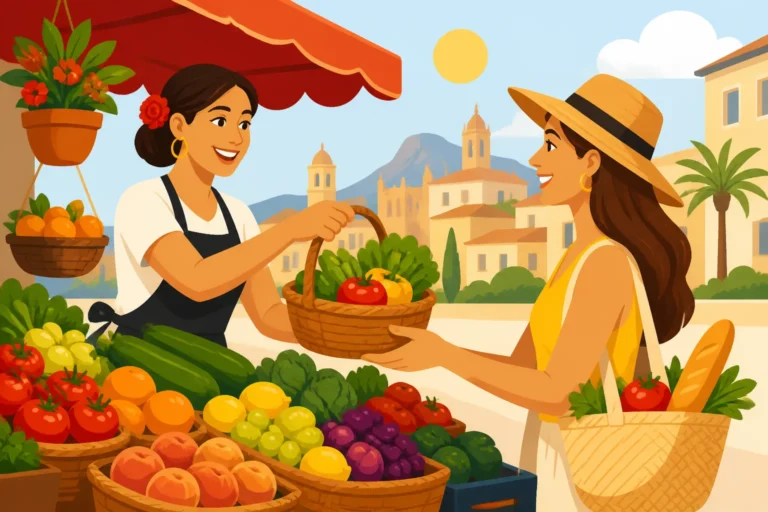
Every district in a Spanish city has its own "Mercado de Abastos." These are grand, often historic buildings filled with stalls selling fresh produce, meat, fish, and cheese. Shopping here is an art form. You don't just grab a bag of oranges; you wait your turn (ask "¿Quién es el último?" to find out who is last in line) and let the "frutero" pick the best ones for you.
I’ve spent countless mornings at my local market, and the quality of the "jamón" and "queso" is incomparable to what you find in plastic packaging. If you’re visiting a new city, it’s worth researching How to Visit La Boquería and Other Famous Food Markets, though be prepared for crowds in the more famous spots. For a more local experience, seek out the markets in residential neighborhoods where the prices are lower and the shouting is louder. It's also worth looking into How to Find the Best Local Market in a Spanish City to avoid the overpriced tourist versions.
The Weekly Outdoor Mercadillo
The "mercadillo" is a traveling outdoor market that usually sets up one or two mornings a week in a specific plaza or street. These are the places to go for inexpensive clothing, household goods, and local textiles. The atmosphere is chaotic, vibrant, and loud. Vendors will shout their prices ("¡A tres euros, niña!") and the haggling is much more common here than in permanent shops.
When visiting these markets, I always carry cash in small denominations. While many vendors are starting to accept "Bizum" (the local mobile payment system), cash is still king. Be mindful of your belongings, as the crowded aisles are prime territory for pickpockets. If you’re in the capital, How to Visit El Rastro Market in Madrid is an essential read, as it’s the largest and most famous of these outdoor markets, spanning several blocks every Sunday morning.
Gastronomic Markets
In recent years, many traditional markets have been converted into "mercados gastronómicos." These are less about buying raw ingredients for dinner and more about eating tapas and drinking vermouth on the spot. Places like Mercado de San Miguel in Madrid or Mercado de la Victoria in Córdoba are stunning, but they are significantly more expensive than your neighborhood market. They are fantastic for a social afternoon, but for your weekly shop, stick to the "abastos" markets where the locals go.
If you are planning a trip specifically to explore these foodie hubs, platforms like GetYourGuide offer excellent market tours that include tastings and historical context. This can be a great way to learn How to Bargain (or Not) at Spanish Markets before you try it on your own in a more intimidating local setting.
Where to Shop: Department Stores vs. Boutiques
Spain offers a diverse retail landscape that ranges from the monolith that is El Corte Inglés to tiny, centuries-old "comercios centenarios." Knowing where to go for what will save you hours of wandering.
El Corte Inglés: The Spanish Institution
You cannot talk about shopping in Spain without mentioning El Corte Inglés. It is the only remaining department store chain in the country, and it sells literally everything—from high-end fashion and electronics to groceries and insurance. For expats, it is a lifesaver because of its generous return policy and the fact that they often have English-speaking staff in the "Satur" (tourist service) department.
One of my favorite "pro tips" for non-EU residents is to visit the tourist information desk at El Corte Inglés with your passport. They often provide a 10% reward card for tourists, which can lead to significant savings on big-ticket items. Their supermarket, the "Supermercado El Corte Inglés," and their gourmet section, "Club del Gourmet," are excellent for finding international products that aren't available in standard Spanish grocery stores.
High Street Giants and Inditex
Spain is the birthplace of the Inditex empire, which includes Zara, Massimo Dutti, Bershka, and Pull&Bear. Shopping at these stores in Spain is a different experience than in the UK or the US. The prices are generally 10% to 20% lower in Spain, and the selection is often more aligned with current Mediterranean trends.
If you're looking for these brands, head to the "Milla de Oro" in Madrid (Calle Serrano) or Portal de l'Àngel in Barcelona. These areas are high-traffic, so it is best to go on a Tuesday or Wednesday morning to avoid the weekend crush. If you're traveling between cities to hit the best shopping districts, Omio is a great tool for booking the AVE high-speed trains, which get you from Madrid to Barcelona in under three hours, leaving plenty of time for retail therapy.
Artisan Workshops and Specialist Stores
For something truly unique, you need to look for signs that say "Taller" (workshop) or "Artesanía." In cities like Seville, Granada, and Toledo, there are still craftsmen making leather goods, ceramics, and guitars using traditional methods. These shops are often tucked away in the narrow streets of the old quarters.
| Type of Store | What to Buy | Vibe |
|---|---|---|
| Ferretería | Housewares, traditional coffee pots | Functional, old-school |
| Farmacia | High-quality European skincare | Professional, clinical |
| Alpargatería | Handmade espadrilles | Rustic, traditional |
| Ultramarinos | Canned fish, local wine, legumes | Nostalgic, gourmet |
| Mercería | Ribbons, buttons, sewing supplies | Quaint, community-focused |
Authentic Spanish Souvenirs
Forget the plastic bullfighting figurines and the "I Love Spain" t-shirts made thousands of miles away. Spain has a rich heritage of craftsmanship, and bringing home an authentic piece of that culture is much more rewarding.
Edible and Drinkable Treasures
Food is the ultimate souvenir from Spain. However, you must be aware of customs regulations for your home country. Generally, vacuum-sealed "jamón ibérico" is a favorite, but if you're headed to the US or Australia, check the rules first. Safe bets usually include high-quality olive oil, saffron (look for the "Denominación de Origen" from La Mancha), and tinned seafood (conservas).
Visitors are often told that a high-end tin of "ventresca de atún" (tuna belly) or "mejillones en escabeche" (pickled mussels) is a luxury gift in Spain. Brands like Real Conservera Española are the gold standard. For sweets, look for "Turrón" (almond nougat) if you are visiting in winter, or "Mazapán" (marzipan) from Toledo at any time of year. Knowing Spanish Souvenirs Worth Buying (and What to Skip) will prevent you from wasting money on low-quality imitations.
Textiles and Fashion
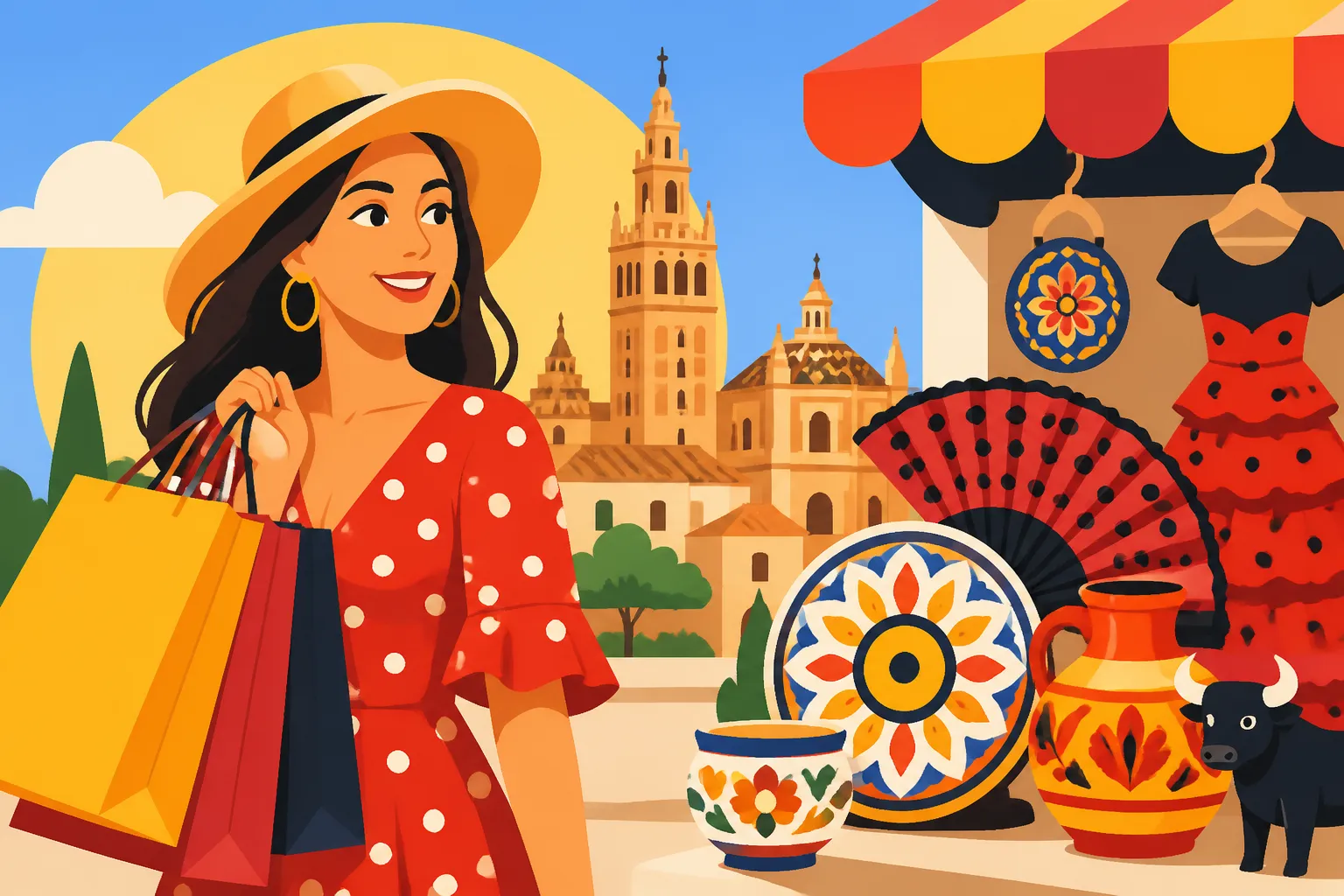
Handmade espadrilles, known as "alpargatas," are a Spanish staple. Stores like Casa Hernanz in Madrid have been making them since 1845. They are inexpensive, comfortable, and represent the quintessential Spanish summer. Another beautiful textile souvenir is a "Mantón de Manila" (silk shawl) or a hand-painted fan ("abanico").
When buying a fan, look for the "Artesanía Española" stamp. The cheap ones you see at kiosks are often made of plastic and break within days. A real fan is made of wood (usually pear or sandalwood) and hand-painted silk. It’s a functional piece of art that I use every single day during the blistering July heatwaves. For more ideas on finding the real deal, check out What Souvenirs Are Actually Made in Spain.
Ceramics and Pottery
Spanish ceramics vary wildly by region. In the south, you'll find the bright, floral patterns of Andalusia. In the north, the blue and white designs of Sargadelos (Galicia) are more prominent. Talavera de la Reina and Puente del Arzobispo in central Spain are UNESCO-recognized for their pottery traditions.
If you're worried about packing these, many high-end shops can arrange international shipping. If you are a fan of traditional crafts, consider booking a pottery workshop through GetYourGuide to see the process firsthand.
Navigating Sales Seasons and Tax Refunds
Timing your shopping trip can lead to massive savings, especially if you happen to be in the country during the "Rebajas." Additionally, if you live outside the European Union, the tax-free benefits are a significant perk.
The Rebajas: Summer and Winter
Spain has two main sales seasons that are regulated by law. The winter sales ("Rebajas de invierno") start on January 7th (the day after Three Kings Day) and run until the end of February. The summer sales ("Rebajas de verano") typically start on July 1st and last until the end of August.
During these periods, discounts start at 30% and can go as high as 70% during the "Segundas Rebajas" (second sales) or "Remate Final" (final clearance). It is a chaotic time, and the best items go quickly. I recommend doing your research on When Are the Sales (Rebajas) in Spain? to plan your trip accordingly. Black Friday has also become huge in Spain, providing another window for discounts in late November.
Tax-Free Shopping for Non-EU Residents
If you are a resident of a non-EU country (including the UK post-Brexit), you are entitled to a refund of the Value Added Tax (IVA) on your purchases. In Spain, there is no longer a minimum spend required to claim a tax refund, which is a huge advantage compared to other European countries.
When you make a purchase, ask the shopkeeper for a "Tax-Free" form. You will need to show your passport. Most major stores use the Global Blue or Planet systems. Before you leave Spain, you must validate these forms at a "DIVA" kiosk at the airport. It's a digital process, but you must do it before you check your bags, as customs may ask to see the items. For a detailed breakdown of the steps, read Tax-Free Shopping in Spain for Non-EU Visitors and How to Claim a Tax Refund When Shopping in Spain.
Practical Shopping Logistics
Beyond the "where" and "what," there are the practicalities of shopping in Spain—how to pay, how to deal with bags, and what to expect if you need to return something.
Payment Methods and Cash
Spain has moved rapidly toward a cashless society in big cities. Contactless payment is available almost everywhere, from high-end boutiques to small tapas bars. However, in traditional markets and small rural shops, cash is still highly appreciated and sometimes required for very small amounts (under 5 euros).
One thing that surprised me when I first moved here was how common it is to use "Bizum." If you have a Spanish bank account, you can send money instantly using just a phone number. Many stallholders at mercadillos now have their phone numbers displayed for Bizum payments. If you’re a tourist, you likely won't have this, so keep a stash of 5, 10, and 20-euro notes handy.
Returns and Customer Rights
Consumer rights in Spain are generally strong, but policies vary by store type. Large chains usually offer a 30-day return window for a full refund. However, many small, independent boutiques may only offer a "vale" (store credit) rather than a cash refund. Always ask: "¿Se puede devolver?" (Can I return it?) and "¿Me devuelven el dinero o me dan un vale?" (Will you give me a refund or a credit?).
Keep your "ticket" (receipt) safe. In Spain, you cannot do anything without the physical or digital receipt. If you have a major dispute, you can ask for the "Hoja de Reclamaciones." This is an official complaint form that every business is legally required to provide. The mere mention of this form often miraculously resolves most service issues.
Bags and Sustainability
Spain has implemented strict rules on single-use plastics. You will be charged (usually 5 to 15 cents) for every plastic or paper bag at the supermarket and in most retail shops. Most Spaniards carry their own "bolsa de tela" (tote bag) or a "carro de la compra" (shopping trolley).
If you’re going to a municipal market, a trolley is almost essential if you plan on buying heavy items like potatoes or melons. It might feel "old-fashioned" at first, but once you’ve carried three kilograms of oranges five blocks in a thin plastic bag that’s cutting into your fingers, you’ll understand why even the trendiest young locals in Madrid use them.
Regional Shopping Highlights
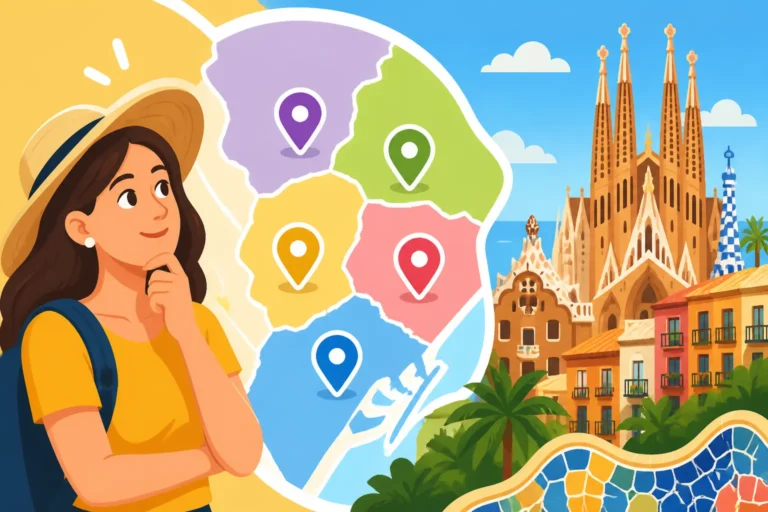
Spain is a collection of diverse regions, each with its own "specialty." If you're traveling across the country, it pays to know what each area does best so you can save your suitcase space for the right items.
Madrid and Central Spain
Madrid is the hub for antiques and luxury fashion. The Barrio de Salamanca is where you’ll find the big international names, while Malasaña and Chueca are better for vintage finds and independent designers.
Toledo, a short trip from Madrid, is world-famous for its "Damasquinado" (steel inlaid with gold) and its blades. While you might not want to bring a full-sized sword home, a small decorative letter opener or a piece of jewelry in the Damasquinado style is a beautiful, locally-made gift. If you are staying in Madrid, Booking.com often has great boutique hotels in the "Las Letras" district, which is perfect for exploring the city's literary history and antique shops.
Andalusia and the South
The south is the place for leather, ceramics, and everything related to flamenco. Ubrique, a small town in the mountains of Cádiz, produces leather for some of the world's top luxury brands (like Loewe and Dior). You can find incredible unbranded leather goods in the local markets of Seville and Córdoba for a fraction of the price.
Granada is the place for "Taracea"—intricate wooden inlay work used to make boxes, chessboards, and furniture. It is a craft that dates back to the Moorish period and is unique to this part of Spain. For a deeper dive into the crafts of the south, many travelers find that using Omio to book buses between the "White Villages" allows them to find hidden workshops that aren't on the main tourist maps.
Catalonia and the North
In Barcelona, the focus is on design and Modernism. You'll find unique jewelry inspired by Gaudí's architecture and avant-garde fashion. Catalonia is also famous for its ceramics, particularly from the town of La Bisbal d'Empordà.
In the Basque Country, it's all about gastronomy. High-end tinned seafood, "Txakoli" (a slightly sparkling white wine), and traditional Basque berets ("boinas") are the top picks here. The quality of craftsmanship in the north tends to be very high, reflecting the region's industrial and maritime heritage.
Staying Safe and Avoiding Scams
While shopping in Spain is generally safe, there are a few things to watch out for, especially in high-traffic tourist zones like Las Ramblas in Barcelona or the area around the Puerta del Sol in Madrid.
Pickpockets and Distractions
The most common "scam" is simply theft. Pickpockets in Spain are incredibly sophisticated and often work in teams. They might spill something on you, ask for directions, or offer you a "free" sprig of rosemary to distract you while an accomplice reaches into your bag.
I always shop with a crossbody bag that has a secure zipper, and I keep it in front of my body in crowded markets. Never leave your phone or wallet on a table while you're trying on shoes or looking at a menu. If the worst happens, you’ll need to go to the local "Comisaría" to file a "denuncia" for insurance purposes.
Counterfeit Goods and "Look-y Look-y" Men
In many coastal areas and city centers, you will see people selling "designer" handbags and sneakers on blankets on the street. This is known as "Top Manta." Buying from these vendors is illegal, and the products are low-quality counterfeits. Furthermore, the blankets are rigged with strings so the vendors can gather their goods and run the moment the police appear, which can create a chaotic and sometimes dangerous situation in crowded areas.
If you want a bargain, go to a legitimate outlet mall like Las Rozas Village near Madrid or La Roca Village near Barcelona. These offer genuine designer brands at discounted prices in a safe, legal environment. You can even book shuttle buses to these outlets through platforms like GetYourGuide, which often include extra discount VIP passes.
Important Disclaimer
This guide is intended for informational purposes and reflects the personal experiences and research of the author living in Spain. Local laws, shop opening hours, and tax-free regulations can change without notice. Always verify specific details, especially regarding customs regulations and tax refund procedures, with official government sources or professional advisors before making significant financial commitments or traveling with restricted items.