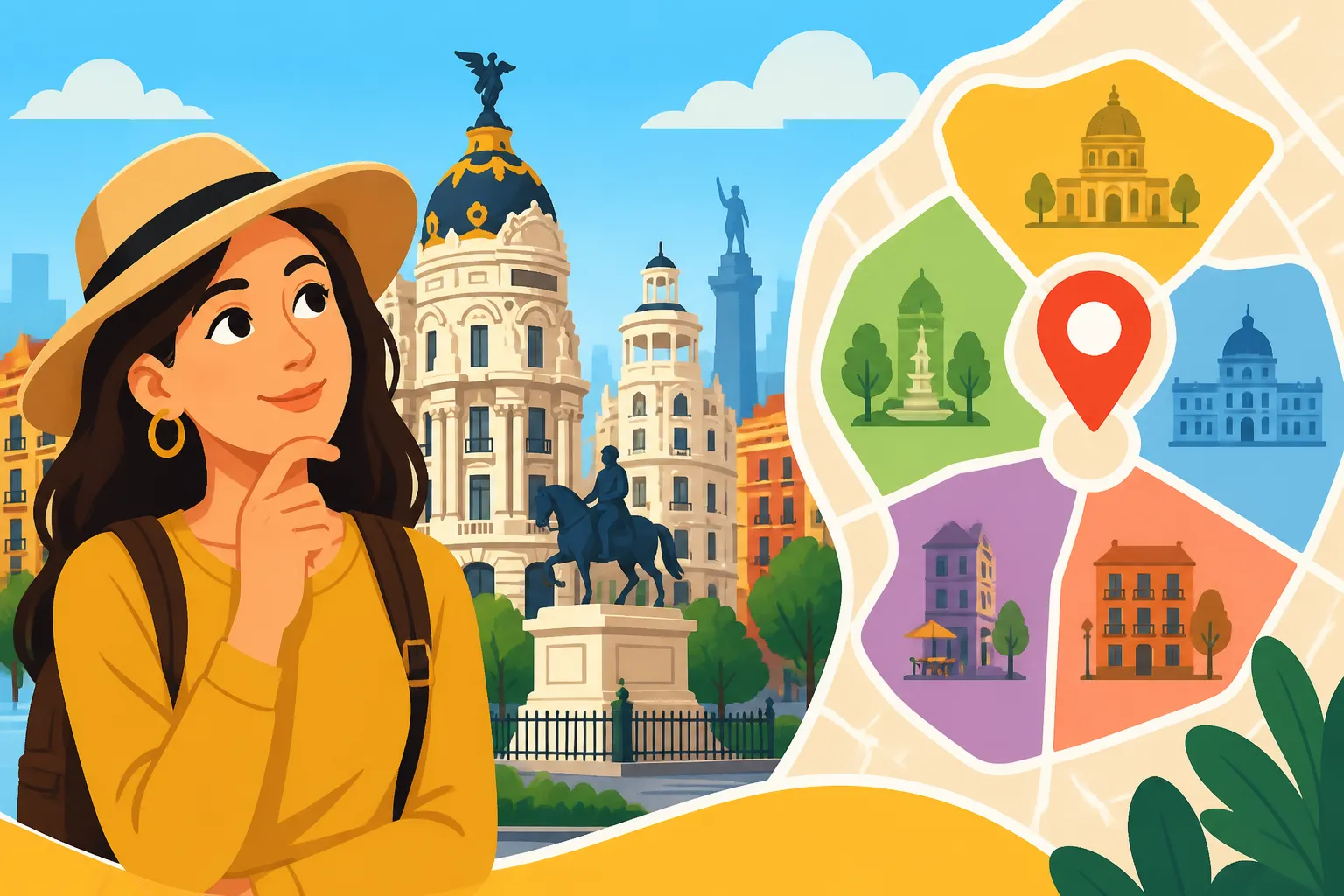
What’s the Best Area to Stay in Madrid?
When you first set foot in Madrid, the sheer vibrancy and diversity of its barrios can be exhilarating, but also a tad bewildering. Deciding where to anchor yourself, even for a short trip, feels like an enormous decision – each neighborhood pulsates with its own unique heartbeat, and choosing wisely can absolutely define your experience. This comprehensive guide aims to demystify Madrid's sprawling charm, meticulously breaking down its most popular areas to help you understand their distinct personalities, practicalities, and who they best suit, ensuring you find your ideal Madrid home, whether you’re a fleeting visitor or a long-term expat.
Disclosure: This post may contain affiliate links. We may earn a commission at no extra cost to you if you make a purchase through these links. Read full disclosure.
Understanding Madrid's Neighborhoods: A Tapestry of Experiences
Madrid isn't just one city; it's a collection of villages stitched together, each with its own story, atmosphere, and even its own micro-climate of social dynamics. For us expats, or even seasoned travelers, the nuances between a sleepy, upscale residential area and a bustling, bohemian hub can be the difference between loving and merely liking your Madrid adventure. It’s not just about finding a place to sleep; it’s about finding a place that resonates with your rhythm.
The Core Considerations for Expats and Tourists
Whether you're visiting for a week or planning to live here for years, your priorities for a neighborhood will inevitably shift. Tourists often prioritize proximity to major attractions, vibrant nightlife, and easy access to public transport for sightseeing. Expats, on the other hand, might look for factors like a strong sense of community, good schools, reliable local amenities, and a commute that doesn't eat up half their day. The "best" area is entirely subjective and hinges on your personal circumstances and desired lifestyle. Are you dreaming of a quiet evening stroll through historic streets, or are you ready to dance the night away in a bustling square? Do you need an apartment that's close to international schools, or are you looking for a vibrant co-working space? These are the kinds of questions that will help narrow down your options significantly.
For families, access to green spaces and quieter streets becomes paramount, while young professionals might gravitate towards areas with modern apartments and a thriving social scene. Budget, of course, plays a massive role for everyone. Madrid has options ranging from luxurious penthouses to charming, if compact, student flats, and the price tag can vary wildly from one barrio to the next. Thinking about these elements upfront, before you even start browsing listings on Booking.com or contemplating long-term rentals, can save you a lot of headache and ensure your expectations align with reality.
How Madrid's Layout Influences Your Stay
Madrid's city center is relatively compact and very walkable, radiating outwards from the historic core. The central districts are where you’ll find most of the iconic landmarks, bustling plazas, and a perpetual buzz of activity. As you move further out, the neighborhoods tend to become more residential, quieter, and offer a more "local" Spanish experience, though they might require a bit more reliance on Madrid’s excellent public transport network. This radial layout means that while the center is undeniably convenient for sightseers, it might not offer the same tranquility or sense of community that some long-term residents seek.
Understanding the city’s major arteries and metro lines is crucial. The Gran Vía, Calle de Alcalá, and Paseo de la Castellana are not just streets; they are veins that define accessibility and connect disparate parts of the city. While you might be tempted by a deal far from the center, consider the time and cost of daily commutes, especially if you’re planning to explore extensively or work in a specific area. Often, a slightly higher rent in a well-connected central area can be offset by savings in transport costs and time. If you're planning to rely heavily on public transport, diving into how to use Spain's public transport system, including metro and bus routes, will be incredibly useful.
Top Neighborhoods for Tourists in Madrid
When you’re visiting Madrid, especially for the first time, you want to be where the action is, or at least have easy access to it. The following neighborhoods offer prime locations for experiencing Madrid's main attractions, food scene, and vibrant atmosphere.
Centro: The Heartbeat of Madrid
Ah, Centro! This is where most first-time visitors naturally gravitate, and for good reason. It’s literally the geographical and historical heart of the city, encompassing iconic spots like Puerta del Sol, Plaza Mayor, and the Royal Palace. Staying here means you’re within walking distance of countless sights, museums, and endless dining options. The energy is palpable, from street performers in Sol to the bustling crowds heading to the Mercado de San Miguel.
You’ll find a huge array of accommodation, from grand hotels to budget hostels. While incredibly convenient, be prepared for crowds, especially during peak tourist season, and a higher price tag for both hotels and meals. Noise can also be a factor, particularly if your accommodation overlooks a lively plaza. However, if you want to soak up the quintessential Madrid tourist experience, be steps away from Madrid for First-Time Visitors: Neighborhoods and Highlights, and feel the pulse of the city day and night, Centro is an unbeatable choice. It's fantastic for those who thrive on constant stimulation and want the city's highlights right on their doorstep.
La Latina: Historic Charm and Lively Tapas
Just south of Plaza Mayor, La Latina is a historic and utterly charming neighborhood famous for its narrow, winding streets, medieval architecture, and, most famously, its unparalleled tapas scene. On Sundays, it transforms into the bustling home of El Rastro, Madrid's most famous flea market. This area offers a more authentic, traditional Madrid feel than the commercial core of Centro, while still being very central.
Picture yourself hopping from one tapas bar to another, enjoying a caña and a small bite (remember Spanish Tapas Culture: How to Order and Where to Go). The evenings here are particularly lively, with locals and tourists spilling out of bars onto the streets. Accommodation in La Latina often consists of charming boutique hotels or renovated apartments, many with traditional Spanish balconies. It's a fantastic choice for those who love history, food, and a vibrant, unpretentious atmosphere. While it's central enough to walk to many sights, it feels a world away from the commercial rush of Gran Vía, offering a more local taste of Madrid life.
Huertas/Las Letras: Literary History Meets Nightlife
Known as the Literary Quarter (Barrio de las Letras), this area between Puerta del Sol and the Paseo del Prado is where famous Spanish writers like Cervantes and Lope de Vega once lived. Its streets are adorned with quotes from their works, giving it a unique intellectual charm. By day, it's a pleasant area for strolling, visiting small shops, and enjoying proximity to world-class museums like the Prado and Reina Sofía.
By night, Huertas transforms into one of Madrid's most popular nightlife districts, especially along Calle Huertas. You'll find a mix of traditional taverns, live music venues, and cocktail bars. It’s a great spot for those who appreciate both culture and a lively evening scene. While it can get noisy on weekend nights, many of the smaller side streets retain a more tranquil vibe. For arts enthusiasts, history buffs, and those who enjoy a lively social scene without the intense clubbing vibe of other areas, Las Letras offers a sophisticated and convenient base.
Chueca: Vibrant, Inclusive, and Trendy
Chueca is undeniably one of Madrid's most vibrant and inclusive neighborhoods, widely recognized as the heart of the LGBTQ+ community. It’s characterized by its colorful streets, trendy boutiques, stylish restaurants, and a buzzing nightlife that caters to a diverse crowd. The area has a palpable sense of energy and freedom, making it incredibly popular with both locals and international visitors.
Here, you'll find everything from chic cafes perfect for people-watching to innovative restaurants and bustling bars. The architecture is classic Madrid, but the atmosphere is distinctly modern and cosmopolitan. Chueca is well-connected by metro and is within easy walking distance of Gran Vía and other central attractions. If you're looking for a lively, open-minded, and stylish neighborhood with fantastic dining and nightlife options, Chueca delivers. For exploring the city, you might also want to check out tour options on GetYourGuide, as Chueca often features unique walking tours.
Malasaña: Bohemian Rhapsody and Vintage Finds
Just north of Gran Vía, Malasaña is Madrid’s bohemian, edgy, and eternally cool neighborhood. It was the epicenter of the Movida Madrileña counterculture movement in the 1980s and retains much of that independent spirit today. Think narrow streets filled with vintage clothing stores, independent bookstores, artisan cafes, dive bars, and vibrant street art.
Malasaña attracts a younger, alternative crowd, and its plazas, particularly Plaza del Dos de Mayo, are popular gathering spots. The nightlife here is more rock-and-roll and indie-focused, with countless small bars and music venues. Accommodation options range from trendy boutique hotels to stylish Airbnb apartments. If you love discovering unique shops, spending afternoons in quirky cafes, and experiencing a more alternative, artistic side of Madrid, Malasaña is your spot. It’s also surprisingly central and well-connected, making it easy to hop on the metro to explore further afield.
Top Neighborhoods for Long-Term Stays and Expats
When you're considering a longer stay or a full-fledged move to Madrid, your priorities often shift from purely tourist attractions to quality of life, community, and practicalities. These neighborhoods offer a glimpse into local life while providing excellent amenities and connectivity.
Salamanca: Elegance, Luxury, and Quietude
If elegance, upscale living, and a certain degree of quiet sophistication are what you seek, look no further than Salamanca. This is Madrid's most affluent district, known for its wide, tree-lined avenues, stunning 19th-century architecture, high-end boutiques (especially along Calle Serrano), and gourmet restaurants. It's a world away from the bohemian bustle of Malasaña.
Salamanca offers a more tranquil, refined atmosphere. While it may not have the constant buzz of the central areas, it provides an exceptional quality of life with beautiful parks (like Parque del Retiro bordering it), excellent public and private schools, and a strong sense of security. It's incredibly well-connected by metro, making it easy to reach other parts of the city. For expats seeking a luxurious, family-friendly environment with top-tier services and a sophisticated social scene, Salamanca is often the first choice. Think about how the Cost of Living in Spain: Realistic Budgets and Savings Tips might play out in a neighborhood like this!
Retiro: Green Spaces and Upscale Living
Bordering the magnificent Parque del Retiro, this neighborhood offers an enviable blend of urban convenience and lush green spaces. It's a popular choice for families and anyone who values easy access to Madrid’s most famous park, perfect for leisurely strolls, boating, or outdoor sports. The area itself is largely residential, with elegant buildings, quiet streets, and a relaxed, upscale vibe.
You’ll find excellent schools, health facilities, and a good selection of local shops and restaurants catering to residents. While less overtly touristy than Centro, it’s still very central, with the Atocha train station nearby providing excellent connections for exploring other parts of Spain. The Retiro neighborhood is perfect for those who want a high quality of life, a peaceful environment, and the beauty of a grand park as their backyard.
Chamberí: Authentic Madrid with a Modern Twist
Chamberí is often described as the "real Madrid" – an authentic, traditional barrio that has beautifully integrated modern living. It’s a predominantly residential area, popular with local families and young professionals, offering a charming mix of classic Madrid architecture, quiet plazas, and a thriving local scene. You won't find many major tourist attractions here, which is precisely its appeal for those seeking a more integrated expat experience.
What Chamberí offers is an abundance of fantastic local restaurants, traditional taverns, and a genuine neighborhood feel. It’s well-connected by metro, providing easy access to the city center, but retains a distinct character. It’s a great option for expats who want to immerse themselves in Spanish culture, enjoy a high quality of urban life, and benefit from excellent local amenities, including some fantastic, lesser-known museums and cultural centers. If you're looking into Renting in Spain: Contracts, Deposits, and Tenant Rights, Chamberí offers a solid range of options.
Lavapiés: Multicultural, Bohemian, and Affordable
For those seeking a truly diverse, edgy, and historically rich experience, Lavapiés is a captivating choice. Known as Madrid’s most multicultural neighborhood, it’s a melting pot of cultures, cuisines, and artistic expression. Its narrow, winding streets are filled with independent art galleries, ethnic restaurants (especially Indian and African), alternative theaters, and vibrant street art.
Lavapiés has undergone significant gentrification in recent years but has managed to retain its bohemian spirit and affordability compared to other central areas. It’s popular with artists, students, and anyone looking for a lively, unpretentious, and community-focused atmosphere. While some parts can feel a bit gritty, it offers an incredible sense of authenticity and discovery. For expats on a tighter budget or those craving a vibrant, diverse, and unconventional community, Lavapiés is an exciting place to call home. This area is great for those who value unique experiences and local interaction, a fantastic place to practice Spanish Language and Everyday Communication for Visitors.
Moncloa-Aravaca: Student Vibes and Suburban Calm
Located slightly to the west of the city center, Moncloa-Aravaca offers a different flavor of Madrid living. This district is home to Ciudad Universitaria (University City), giving it a youthful, student-friendly vibe, particularly around the Moncloa interchange. However, as you move towards Aravaca, it transforms into a more affluent, suburban residential area, characterized by larger homes, green spaces, and a quieter pace of life.
For expats, Moncloa-Aravaca can offer a great balance. The Moncloa area is bustling and well-connected, with plenty of amenities for students and young professionals. Aravaca, on the other hand, provides a calmer, more family-oriented environment with good schools and a sense of community, while still being a relatively short commute to the city center. It’s an excellent option for those seeking a quieter residential area with good transport links without being too far removed from the city’s core.
Practical Tips for Choosing Your Ideal Madrid Base
Navigating a new city, especially when trying to choose where to live, requires more than just a map. It requires understanding the practicalities that truly affect daily life.
Transport Connectivity Matters
Madrid boasts an incredibly efficient and extensive public transportation system, including the Metro, buses, and Cercanías (commuter trains). Your chosen neighborhood’s connectivity will significantly impact your daily life, especially if you plan to explore the city extensively or commute for work or study. Even if an area seems perfect on paper, check its proximity to a metro station or major bus lines. A neighborhood might look close to the center, but if it requires a long walk to the nearest transport hub, those daily commutes can quickly become tedious. Omio is a great tool for checking connections between different parts of Spain, but for local Madrid transit, consulting a Metro map is your best bet.
Consider the specific lines that serve your potential area. Some lines are more central and frequent than others. For example, living near a station on Line 1, 2, 3, 5, or 10 gives you excellent coverage. Don’t underestimate the value of living near multiple transport options, like a metro station and several bus lines, which provides flexibility, especially if one service is delayed. Madrid’s public transport is also quite affordable, and understanding Public Transport Discounts in Spain: Youth, Senior, and Resident Options can save you a fair bit of cash in the long run.
Budgeting for Accommodation
Madrid's rental market can be competitive, and prices vary significantly by neighborhood, apartment size, and amenities. Centro and the most affluent parts of Salamanca will naturally command higher rents. However, even within these areas, prices can fluctuate dramatically based on factors like whether the apartment is renovated, furnished, or has a balcony. It's crucial to set a realistic budget and be prepared for security deposits, which are typically one to two months' rent, plus possibly agency fees if you're going through a real estate agent.
When calculating your budget, remember to factor in utility costs beyond just rent. Electricity, water, gas, and internet can add a significant amount to your monthly expenses. You might find that moving slightly further out from the absolute center into areas like Chamberí or even parts of Lavapiés offers more space for your money without sacrificing too much on convenience. Websites like Idealista and Fotocasa are popular for finding rentals, but don't shy away from walking around your preferred barrio – sometimes the best finds are listed directly in windows! Also, remember to read up on Spanish Taxes for Foreign Residents: Practical Guide to Staying Compliant as property ownership or long-term rental income can have tax implications.
Safety and Serenity: Finding Your Comfort Zone
Madrid is generally a very safe city, even late at night, but like any major metropolis, some areas are perceived as safer or quieter than others. Tourist-heavy areas, while vibrant, can sometimes attract petty crime like pickpocketing, especially around major attractions and crowded plazas. Being aware of your surroundings and taking common-sense precautions is always advisable, as detailed in Staying Safe in Spain: Practical Safety Tips for New Residents.
For families or those who prioritize peace and quiet, residential neighborhoods like Retiro, parts of Chamberí, or the more suburban areas of Moncloa-Aravaca might offer more serenity. These areas tend to have less nightlife noise and a stronger community feel, often with local parks and family-friendly amenities. Conversely, if you thrive on the hustle and bustle, and prefer to have late-night options right outside your door, the vibrant central neighborhoods will likely suit you better. Ultimately, visiting a neighborhood at different times of day and night can give you a better feel for its atmosphere and help you decide if it aligns with your personal comfort zone.
Madrid is a city of endless possibilities, and finding the perfect area to stay is a personal journey. Take your time, explore, and let the city's diverse barrios reveal their unique charms to you.
| Neighborhood | Vibe & Best For | Typical Budget | Proximity to Major Sights | Connectivity (Metro/Bus) | Considerations |
|---|---|---|---|---|---|
| Centro (Sol, Ópera) | First-time tourists, constant activity, iconic sights | High | Excellent (walkable to most) | Excellent | Crowded, can be noisy, tourist-focused |
| La Latina | Foodies, history buffs, lively tapas scene, Sunday market | Mid-High | Good (walkable to Centro, Royal Palace) | Good | Very lively, especially weekends; can be hilly |
| Huertas/Las Letras | Culture lovers, nightlife, art museums, literary history | Mid-High | Excellent (walkable to museums, Sol) | Excellent | Busy evenings, can be noisy, touristy |
| Chueca | Trendy, inclusive, vibrant, LGBTQ+ friendly, shopping | Mid-High | Excellent (walkable to Gran Vía) | Excellent | Very lively, bustling nightlife, stylish |
| Malasaña | Bohemian, alternative, vintage, indie nightlife | Mid-High | Good (walkable to Gran Vía) | Excellent | Younger crowd, very lively at night |
| Salamanca | Upscale, luxury, quiet, high-end shopping and dining | High-Very High | Moderate (requires metro for some sights) | Excellent | Residential, less touristy, refined atmosphere |
| Retiro | Families, green spaces, elegant, peaceful | High | Moderate (park is central, museums nearby) | Excellent | Residential, tranquil, access to Retiro Park |
| Chamberí | Authentic Madrid, local life, traditional dining | Mid-High | Moderate (requires metro for most sights) | Excellent | Residential, local feel, less touristy |
| Lavapiés | Multicultural, bohemian, artistic, diverse cuisine | Mid-Low | Good (walkable to Embajadores, Atocha) | Excellent | Edgy, diverse, can be a bit gritty |
| Moncloa-Aravaca | Students (Moncloa), families (Aravaca), suburban feel | Mid-Low (Moncloa), High (Aravaca) | Low (requires metro/bus to center) | Good | Quieter, residential, student area mix |
Disclaimer
The information provided in this guide is intended for general informational purposes only and does not constitute professional advice. While we strive to keep the information up-to-date and accurate, conditions in Madrid, including property availability, prices, and local regulations, can change rapidly. Always conduct your own thorough research and consult with local experts or official sources when making decisions about accommodation or residency in Spain.