Moving to Spain from South Africa: Routes, Costs, and Expectations
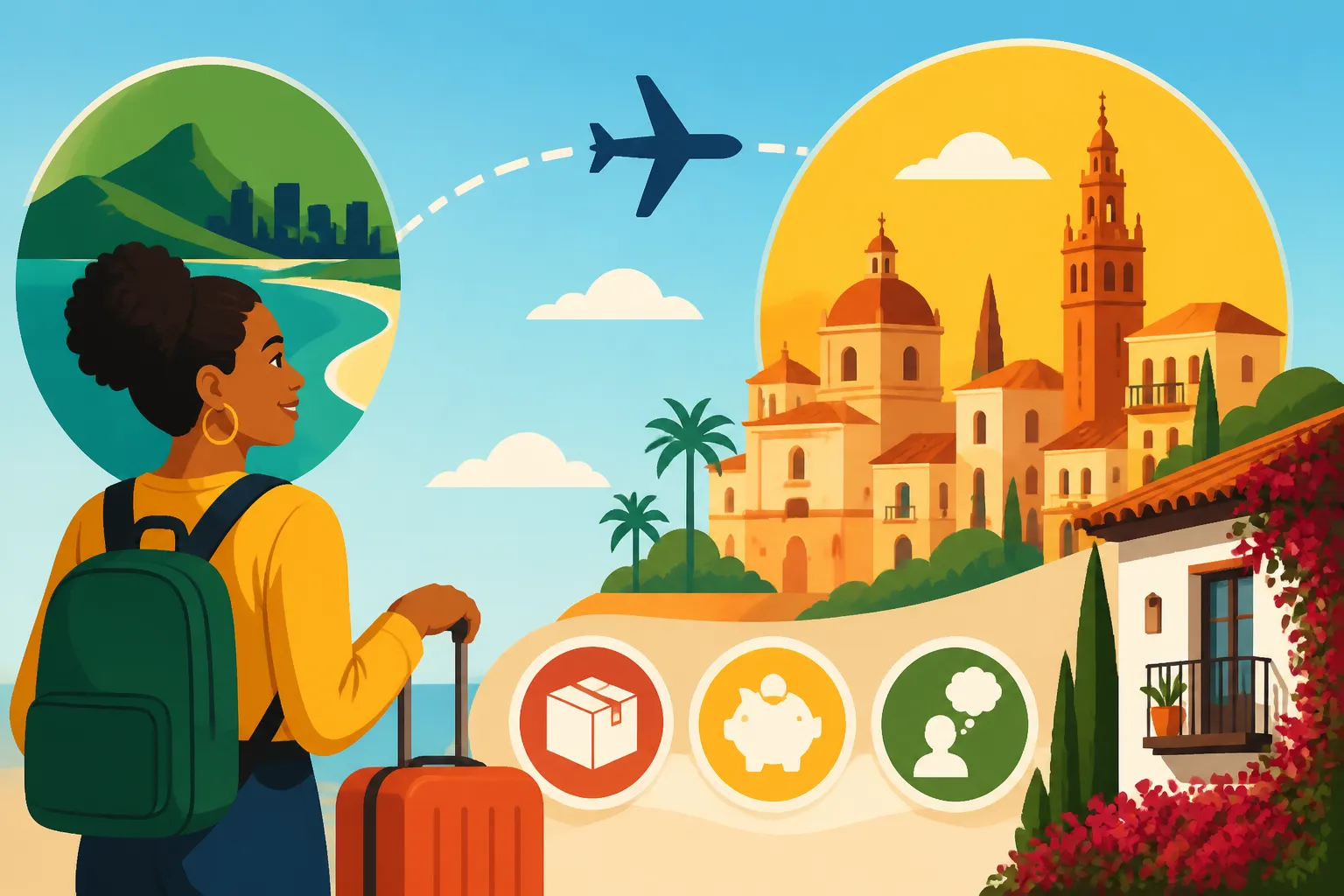
Making the leap from South Africa to Spain is a dream for so many, but let's be honest, the excitement often bumps right up against a wall of questions: "How do I even begin to move my entire life across continents?" "What about my belongings, the paperwork, the costs?" This guide is here to cut through the confusion and give you a realistic roadmap for moving to Spain from South Africa, ensuring you understand the routes, manage expectations, and tackle the logistics with confidence, especially when it comes to the monumental task of moving your possessions.
Disclosure: This post may contain affiliate links. We may earn a commission at no extra cost to you if you make a purchase through these links. Read full disclosure.
Navigating Visa and Residency Pathways from South Africa
Alright, let's talk about the gateway to your new life: the visa. This is often the first, and sometimes the most frustrating, hurdle for South African hopefuls. Spain doesn't have a direct "expat" visa, so you'll need to fit into one of the existing categories, and applying from South Africa means going through the Spanish Consulate General in Cape Town or the Embassy in Pretoria, depending on your jurisdiction. The bureaucratic process can feel like wading through treacle, with every document needing to be just so, but understanding your options is the first critical step.
Choosing the Right Residency Route for Your Goals
For many South Africans eyeing a move to Spain, there are a few common visa pathways that usually make the most sense. The Non-Lucrative Visa (NLV) is a popular choice if you're not planning to work in Spain but have sufficient funds to support yourself. This means proving you have a healthy bank balance and stable income from outside of Spain, enough to live comfortably without relying on local employment. It’s perfect for retirees, those with passive income, or people taking a sabbatical. You'll need to show proof of funds equivalent to 400% of Spain's IPREM (Public Income Multi-Purpose Effect Indicator) for the main applicant, plus 100% for each dependent, per year. This often translates to a substantial amount, so plan accordingly.
Then there's the Digital Nomad Visa, which burst onto the scene in late 2022. This is a game-changer for remote workers, freelancers, and digital entrepreneurs who earn at least 80% of their income from outside Spain. If your job allows you to work from anywhere with a laptop and a good internet connection, and you meet the income thresholds (which are lower than the NLV but still significant), this could be your golden ticket. It's designed to attract talent and simplify the process for people like us who are location-independent. Another common route, especially for younger South Africans, is the Student Visa, allowing you to pursue higher education or language studies in Spain. While it limits your working hours, it's a fantastic way to immerse yourself and gain experience. Finally, there are Work Visas, but these typically require a job offer from a Spanish company that is willing to sponsor you, which can be challenging to secure from outside the EU. Each of these visa types has its own stringent set of requirements, from criminal record checks and medical certificates to substantial financial proof and, of course, the ever-present private health insurance. Do your homework, gather every single document, and prepare for a thorough application process. You can find a comprehensive breakdown of the various options in our guide on Spain Visas & Residency: Complete Guide for Foreigners.
Navigating Visa Applications from South Africa
The actual application process from South Africa can be a test of patience, believe me. First, you'll need to ensure all your documents are translated into Spanish by a sworn translator (a traductor jurado) and, for many key documents like birth certificates or criminal record checks, authenticated with an Apostille stamp. This is not a step to rush; an error here can cause significant delays. After gathering everything, you'll book an appointment – and these can be notoriously hard to get, so start looking early! The interview itself will be in Spanish, or English with an interpreter, and it's your chance to demonstrate your genuine intent and preparedness.
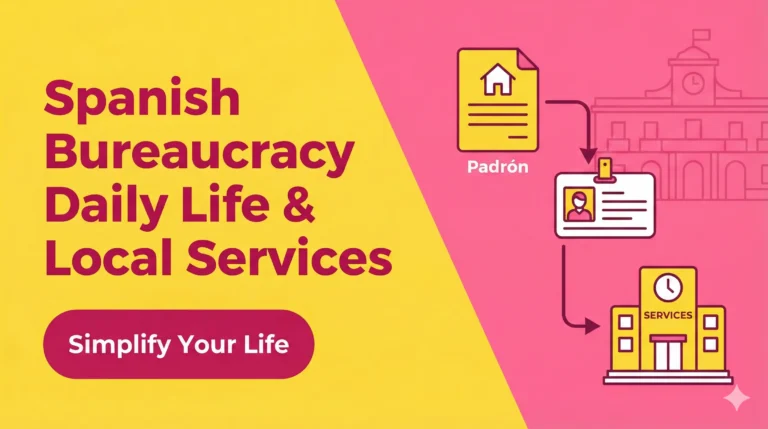
Once your visa is approved and you arrive in Spain, the administrative journey isn't over. You'll need to get your TIE (Tarjeta de Identidad de Extranjero), which is your physical residency card. This involves more appointments, fingerprinting, and a fee. Alongside this, one of the first things you'll absolutely need to do is register at your local town hall for the empadronamiento. This proves you reside in Spain and is vital for accessing public services and fulfilling your residency obligations. Don't underestimate the time and effort these post-arrival steps take. It's easy to feel overwhelmed, but breaking it down into smaller, manageable tasks and perhaps even enlisting the help of an immigration lawyer or gestor can make a world of difference. For more details on the crucial identification documents, check out our article on NIE, TIE & Empadronamiento: Essential IDs and Registrations in Spain.
Understanding the Real Costs of Moving Your Life to Spain
Let's face it, moving continent is a costly affair, and Spain is no exception. Beyond the visa fees and plane tickets, the biggest chunk of your moving budget will likely go towards transporting your household goods. Many South Africans underestimate this expense, thinking a few suitcases will suffice, but once you start listing everything you own, the reality sets in. Planning for these costs early can save you a lot of stress down the line.
Shipping Your Belongings: Sea vs. Air Cargo
When it comes to getting your precious belongings from South Africa to Spain, you essentially have two main options: sea freight or air freight. Each has its pros and cons, largely dictated by cost, speed, and the volume of items you're sending.
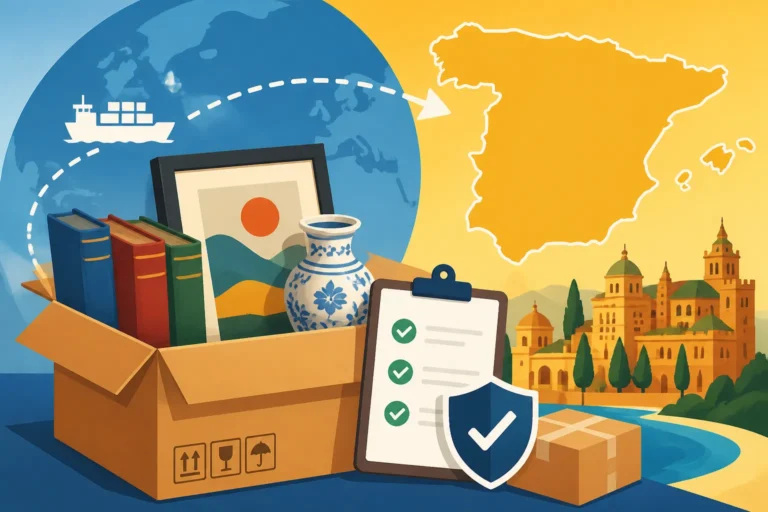
Sea freight is by far the most economical choice for large shipments, like an entire household or even a significant portion of it. You can opt for a full container load (FCL) if you have enough stuff to fill a 20-foot or 40-foot container, or a less than container load (LCL) if you're sharing container space with other shipments. The downside? It's slow. Very slow. Expect transit times of several weeks, sometimes even months, especially with customs clearance on both ends. This means you’ll need to live without your things for a while, so pack essentials in your checked luggage. Despite the wait, the cost savings are substantial, making it the preferred option for most permanent moves. This is where a platform like Sirelo truly shines, allowing you to compare quotes from multiple international moving companies specializing in routes from South Africa to Spain. You can often find significant differences in pricing and services, so getting comparative quotes is absolutely essential to ensure you're getting the best deal for your bulk shipment.
Air freight, on the other hand, is lightning-fast but incredibly expensive. It's usually reserved for urgent, smaller, or high-value items that you absolutely cannot do without for an extended period, or for items that are too cumbersome for regular airline baggage but not enough to justify a sea container. Think essential tools for your remote work, irreplaceable sentimental items, or crucial documents. The cost is calculated by weight and volume, and it adds up quickly. While your belongings might arrive in Spain within days, the bill can be eye-watering. Most people moving from South Africa use a combination: essential items via air or extra checked baggage, and the bulk of their life via sea freight. Don't forget to factor in insurance for your belongings, regardless of the method. Moving companies offered through Sirelo can provide robust insurance options, which is a non-negotiable for such a long journey.
Here’s a quick overview of estimated costs and timings for different shipping methods:
| Shipping Method | Volume/Weight (approx.) | Estimated Cost (ZAR to EUR) | Estimated Transit Time | Best For |
|---|---|---|---|---|
| Air Freight | Small, urgent items | €500 – €2,000+ | 5-10 days | Essential items, high-value goods, small boxes |
| Sea Freight (LCL) | 1-10 cubic meters | €1,000 – €4,000+ | 4-8 weeks | Part of a household, larger boxes |
| Sea Freight (FCL) | Full container (20-40ft) | €4,000 – €10,000+ | 6-12 weeks | Entire household, furniture |
| Note: These are rough estimates and can vary significantly based on distance, current fuel prices, customs, and the specific moving company. |
Beyond Shipping: Other Significant Expenses
The cost of moving doesn't stop at shipping your couch. You'll need to budget for a host of other expenses, both before and immediately after your arrival. This includes all the visa application fees, which can add up, especially if you have dependants. Then there are the flights themselves – often a significant expense for a family travelling from South Africa. Once you land, the immediate costs start piling up.
You'll need temporary accommodation while you find your long-term rental, or if you're buying, until your property purchase is finalized. This could be a hotel, an Airbnb, or a short-term rental. Don't underestimate the deposit for your new rental property in Spain, which is typically one to two months' rent, plus possibly an agency fee. Our guide on Renting in Spain: Contracts, Deposits, and Tenant Rights can help you understand the local norms. Initial setup costs for utilities like electricity, gas, and internet can also involve activation fees. You'll also need a budget for essential items you didn't ship, like new bedding, kitchenware, or furniture if your shipment is delayed. On top of that, there's the cost of living for your first few months while you settle in and potentially wait for your first Spanish paycheck, if applicable. This covers groceries, transport, initial explorations, and any unexpected administrative fees that pop up. A robust emergency fund is absolutely crucial for your first few months in Spain. For a deeper dive into financial planning, check out our detailed article on the Cost of Living in Spain: Realistic Budgets and Savings Tips.
Practical Logistics: Planning Your Move and Settling In
Moving your entire life from one continent to another is a monumental task, and the sheer volume of details can be overwhelming. From packing your cherished possessions to navigating customs and then finally setting up your new life in Spain, a structured approach is key. This is where external support, like comparing moving services through Sirelo, becomes an invaluable tool, transforming a daunting process into a manageable series of steps.
The Big Move: Packing, Insurance, and Customs
Once your visa is sorted and you have a general idea of your arrival date, the real physical move begins. Packing needs to be meticulous, especially for an international relocation. Professional movers usually offer packing services, which, while an added cost, can save you immense stress and ensure your items are packed to international standards, significantly reducing the risk of damage. If you decide to pack yourself, invest in high-quality packing materials and label everything clearly, not just for your sanity but also for customs declarations.
Speaking of customs, this is often the most anxiety-inducing part of international shipping. Spain, as part of the EU, has specific regulations for importing household goods. You'll need a detailed inventory of everything you're sending, and certain items might be restricted or incur duties, especially if they are new or not considered personal effects. Vehicles, for instance, have a separate, often complex, import process. The moving company you choose through Sirelo will be well-versed in these regulations and can guide you through the necessary paperwork, acting as an intermediary with customs officials. Their expertise is paramount here; a mistake in customs documentation can lead to significant delays, unexpected fees, or even the seizure of your goods. Always declare everything accurately. And please, please, please get comprehensive insurance. While accidents are rare, they do happen, and the peace of mind knowing your entire household isn't at risk for the sake of saving a few euros is priceless. Sirelo connects you with reputable movers who provide transparent insurance options for peace of mind.
Landing in Spain: First Steps for South African Expats
You've landed! The plane wheels hit the tarmac, and a wave of relief washes over you. But the administrative journey in Spain is just beginning. Your immediate priority, beyond finding a good coffee and a pastry, should be securing your essential documents. Within your first few weeks, you'll need to head to the local Oficina de Extranjería (Foreigners' Office) or police station to apply for your TIE card – this is the physical ID card that validates your residency. It involves submitting more paperwork, paying a fee (Modelo 790, Tasa 012), and getting your fingerprints taken. Make sure to book your cita previa (appointment) online well in advance, as these can be notoriously hard to get.
Next, and equally important, is the empadronamiento, which is registering your address with your local town hall (Ayuntamiento). This document proves you live in Spain and is required for countless other administrative tasks, from signing up for healthcare to enrolling children in school. Without it, you're essentially invisible to the local system. Once these are in hand, you can then proceed with opening a Spanish bank account, which is vital for receiving salary, paying bills, and managing your daily finances. Having your NIE (Foreigner Identification Number) and empadronamiento will make this process smoother. Remember, bureaucracy moves at its own pace here, so patience is a virtue, and carrying copies of all your key documents everywhere is a smart move. Our article on Opening a Bank Account in Spain: Step‑by‑Step for Foreigners offers crucial guidance for this early step.
Cultural and Lifestyle Expectations
Moving to a new country isn't just about paperwork and logistics; it's about embracing a whole new way of life. Spain, with its vibrant culture, slower pace, and different social norms, will offer a stark contrast to what many South Africans are accustomed to. It's a journey of discovery, but also one that comes with its own set of adjustments and, occasionally, frustrations.
Adapting to Spanish Life: The Good, the Challenging
One of the most immediate joys of living in Spain is the emphasis on social life and community. Spaniards truly value spending time with family and friends, often gathering for long lunches, evening paseos (strolls), and late-night dinners. The food culture is incredible, from the diverse regional cuisines to the ubiquitous tapas, and it's a huge part of everyday life. You'll likely find yourself adopting a later schedule for meals and social engagements, a stark contrast to the earlier rhythms in South Africa. The climate, for much of the country, is a huge draw, offering plenty of sunshine and opportunities to enjoy outdoor activities year-round, whether it’s exploring the stunning coastline or hiking in the mountains. This quality of life, the slower pace, and the general sense of safety are often cited by expats as key reasons for their move.
However, adapting isn't always smooth sailing. The infamous Spanish bureaucracy, while navigable, can be a source of immense frustration. Processes that seem straightforward elsewhere might involve multiple forms, stamps, and appointments, often with long waiting times. The language barrier, even in tourist-heavy areas, can be more significant than anticipated. While many younger Spaniards speak English, interacting with older generations or in official settings will almost certainly require some Spanish. Embracing the language isn't just polite; it's essential for truly integrating. Our guide on Spanish Medical Terminology: Common Words Expats Should Know can be a lifesaver in unexpected situations. The relaxed approach to punctuality, while charming in social settings, can be challenging in professional or administrative contexts. Patience and a flexible mindset are your best allies. Remember that not everything will work the way it does in South Africa, and learning to go with the flow is a key part of becoming a happy expat.
Building Your Community in Spain
One of the most crucial aspects of a successful expat life is building a support network. Initially, you might gravitate towards other South Africans or English-speaking expats, and there are many online groups and meetups in larger cities like Madrid, Barcelona, Valencia, and Málaga that cater to this. These communities can offer invaluable advice, shared experiences, and a sense of belonging during your initial adjustment phase. Don't hesitate to reach out; many have been exactly where you are.
But to truly experience Spain, make an effort to connect with locals. This is where learning Spanish becomes not just helpful, but essential. Join local clubs, take a Spanish language course, frequent your neighborhood bar, or volunteer. Spaniards are generally very warm and welcoming, and while it might take a bit longer to break into established social circles, the rewards are immense. Engage in local traditions, attend fiestas, and show genuine interest in the culture. These experiences will enrich your life beyond measure and help you feel truly at home. Building a diverse community will not only provide emotional support but also offer different perspectives and help you navigate the nuances of Spanish life. Our guide on Spanish Customs, Etiquette, and Social Life provides some excellent insights into navigating social interactions. Remember, moving is a marathon, not a sprint, and there will be good days and bad. Having a solid network, both expat and local, will make all the difference.
Disclaimer
Please remember that while this guide provides comprehensive information, immigration rules, costs, and procedures can change. It is always best to verify the latest requirements with the official Spanish government sources, such as the Ministry of Foreign Affairs, the Spanish Embassy or Consulate in South Africa, or a qualified immigration lawyer in Spain. This content is for informational purposes only and does not constitute legal or financial advice.