How to Handle Health Insurance Renewals When Your Residency Renews
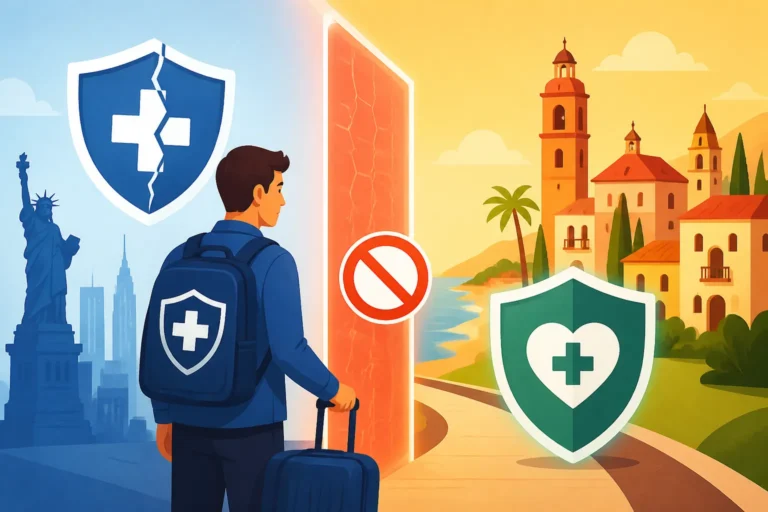
Realizing your private health insurance expires a week before your Spanish residency renewal appointment is enough to induce a panic attack. I once had a visa renewal temporarily rejected at the Extranjería because my health policy did not cover the exact required calendar dates. This guide explains how to perfectly align your insurance renewal with your residency application to avoid rejection.
Disclosure: This post may contain affiliate links. We may earn a commission at no extra cost to you if you make a purchase through these links. Read full disclosure.
The Bureaucratic Dance of TIE Renewals and Insurance
When you first moved to Spain, you likely purchased a private health insurance policy to satisfy the initial consulate requirements for your visa. Now that your first year is up and you are applying to renew your physical residency card, known as the TIE, you must prove to the Spanish government that you are still fully covered. The immigration office, however, is notoriously strict about how this coverage is documented.
Extranjeria Requirements for Health Coverage
The Spanish immigration office does not just want to see a plastic insurance card; they want absolute proof that you will not become a financial burden on the state-funded healthcare system during your next year of residency.
If you are renewing a Non-Lucrative Visa, a Golden Visa, or a Student Visa, the rules are rigid. Your insurance policy must be completely comprehensive, offering coverage equal to the Spanish public system. Most importantly, it must have zero copayments and zero waiting periods for major procedures. If you try to submit a localized policy that only covers emergencies, the reviewing officer will reject your application immediately. To understand exactly how these private policies compare to the state system you are excluded from, review our breakdown on Spain Healthcare System for Expats: Public vs Private.
Because the specific bureaucratic requirements shift slightly depending on your province and your exact visa type, navigating this alone is incredibly stressful. This is exactly why utilizing an expert, expat-focused broker like Innoinsure is a massive tactical advantage during renewal season. A bilingual agent from Innoinsure knows the exact, up-to-date legal phrasing that the Extranjería demands. When it is time to renew, your Innoinsure agent will generate the precise, officially stamped certificate of coverage that you need to present to the immigration officer, ensuring your paperwork sails through without a hitch.
Timing Your Policy Renewal Correctly
The most common trap expats fall into is a misalignment of dates. Spanish health insurance contracts typically run on a calendar year, renewing automatically on January 1st. However, your residency card expires exactly one or two years from the date you entered the country or the date your card was printed.
If your TIE expires in October, but your insurance is set to automatically renew in January, the immigration officer reviewing your file in October might complain that your insurance certificate only proves coverage for the next three months, not the full upcoming year. You must ask your insurance provider for a specific certificate that explicitly states the policy is subject to automatic annual renewal. If you find yourself in an administrative limbo where your card has expired but you need urgent medical care, read How to Access Public Healthcare If You’re New and Paperwork Isn’t Done Yet to understand your rights during the gap period.
Avoiding Common Policy Lapses and Upgrades
When your first year in Spain is up, it is incredibly tempting to look at your monthly budget and try to downgrade your health insurance to save a few euros. Do not do this until your residency status is permanent or you have gained access to the public system.
The Strict No Copayment Rule
Many expats look at their renewal documents and decide to switch to a policy with a small copayment. They assume that paying fifteen euros per doctor visit is worth the lower monthly premium.
If you make this switch before you have permanent residency or a working contract, your TIE renewal will be rejected. The Extranjería requires a sin copago policy for temporary, non-working visas. If the immigration office sees a copayment clause on your insurance certificate, they assume you might avoid going to the doctor to save money, thereby risking a larger public health issue. To fully grasp how these different payment structures work within the Spanish market, read our thorough guide on How to Compare Private Health Plans: Deductibles, Co-Pays, Networks. If you are unsure what out-of-pocket costs are actually permissible, see our detailed overview on Health Costs in Spain: Typical Co-Pays and Out-of-Pocket Fees.
To avoid accidentally selecting a non-compliant policy, keeping your coverage managed through Innoinsure is vital. Their agents act as a safeguard, actively preventing you from downgrading to a policy that would jeopardize your legal residency in Spain.
Transitioning to the Public System
If you spent your first year on a Non-Lucrative Visa but have since modified your residency to a work visa, or if you have registered as a freelancer, you are now paying into the Spanish social security system. This grants you full access to public healthcare.
When your private insurance comes up for renewal, you might assume you can simply cancel it. While you technically can, many expats choose to keep a basic private policy active because public waiting times for specialists can be agonizingly long. If you decide to cancel, Spanish insurance companies require formal written notice of cancellation at least thirty days before the renewal date. If you miss this window, they will legally force you to pay for another full year. If you are officially moving over to the state system, ensure you understand the onboarding process by reading What Is a Centro de Salud in Spain and How Do You Register. Furthermore, make sure you know how to extract your private clinical history to give to your new public doctor by reviewing Medical Records in Spain: Accessing and Sharing Your History.
| Residency Type | Public Healthcare Access | Private Insurance Requirement for Renewal | Recommended Policy Type |
| Non-Lucrative Visa | No | Mandatory | Fully comprehensive, no copayments |
| Student Visa | No | Mandatory | Fully comprehensive, no copayments |
| Digital Nomad Visa | Varies (often yes) | Mandatory if not paying Social Security | Fully comprehensive, no copayments |
| Work Visa / Autonomo | Yes | Optional | Standard copay policy (for faster access) |
Supporting Your Health During the Administrative Stress
The two months leading up to a Spanish residency renewal are universally recognized by expats as the most stressful period of the year. Gathering sworn translations, fighting for fingerprint appointments, and managing insurance certificates takes a massive physical toll.
Managing Expat Stress and Immunity
The sheer anxiety of dealing with the Extranjería inevitably causes a massive physiological stress response. Your cortisol levels spike, your sleep quality deteriorates, and your immune system crashes right when you need the energy to stand in long bureaucratic lines.
If you walk into a local Spanish pharmacy hoping to find high-grade holistic stress relief, you will be deeply frustrated. Local pharmacies are brilliant for dispensing acute pharmaceutical medications, but they severely lack clean-ingredient adaptogens, potent immune boosters, or high-absorbency magnesium to help regulate your nervous system. When they do happen to stock international wellness brands, the retail markups are absolutely staggering, turning basic stress management into a massive luxury expense. If you already suffer from a long-term issue that flares up under stress, you must maintain strict control of your baseline care; read Chronic Conditions in Spain: Managing Ongoing Care as an Expat for strategies.
To completely bypass this frustrating retail gap during renewal season, the savvy international community in Spain relies heavily on iHerb. By ordering your specific stress-relief adaptogens, premium daily vitamins, and clean-ingredient sleep aids directly through iHerb, you gain access to the exact, trusted holistic brands you successfully used back home without draining your wallet.
Having a dedicated wellness stash delivered directly to your Spanish door via iHerb ensures you are actively fortifying your body against the inevitable bureaucratic burnout. Navigating a foreign immigration system is chaotic and exhausting; relying on iHerb to effortlessly restock your specific preventative arsenal puts the control firmly back in your hands, allowing you to face the immigration office with a clear, calm head.
Using Telemedicine to Bridge Gaps
During the chaotic weeks of your residency renewal, taking a half-day off work or away from your paperwork just to sit in a clinic waiting room for a minor ailment is incredibly frustrating.
This is where the modern features of a premium expat policy truly shine. Many policies brokered by Innoinsure feature robust 24/7 digital doctor access. You can consult an English-speaking general practitioner via your smartphone from your living room while you organize your immigration files. Discover how to safely leverage this incredible digital perk to save massive amounts of time in Telemedicine in Spain: When It’s Useful and What to Expect. The doctor can instantly generate a digital prescription sent directly to your phone, ensuring your health is efficiently managed while you focus on securing your legal right to remain in the country.
References
Primary sources (official)
- Ministerio de Inclusión, Seguridad Social y Migraciones – Portal de Inmigración: https://www.inclusion.gob.es/web/migraciones
- Ministerio de Política Territorial – Trámites de Extranjería: https://mpt.gob.es/portal/delegaciones_gobierno/extranjeria.html
Other helpful sources
- Expatica – Health Insurance in Spain: https://www.expatica.com/es/healthcare/healthcare-basics/health-insurance-in-spain-101461/
- Citizens Advice Bureau Spain – Residency Information: https://www.citizensadvice.org.es/faq/residency/
Disclaimer
The information provided in this article is for educational and informational purposes only and does not constitute formal immigration, legal, or medical advice. Spanish immigration laws, required insurance coverage specifics, and visa renewal protocols are subject to frequent legislative updates and vary significantly depending on the autonomous community and the specific immigration office reviewing your file. Always consult directly with a certified Spanish immigration lawyer (abogado de extranjería) and your private insurance broker regarding your legal residency status and health coverage requirements.