How to Find English-Teaching Jobs in Spain Outside the Big Cities
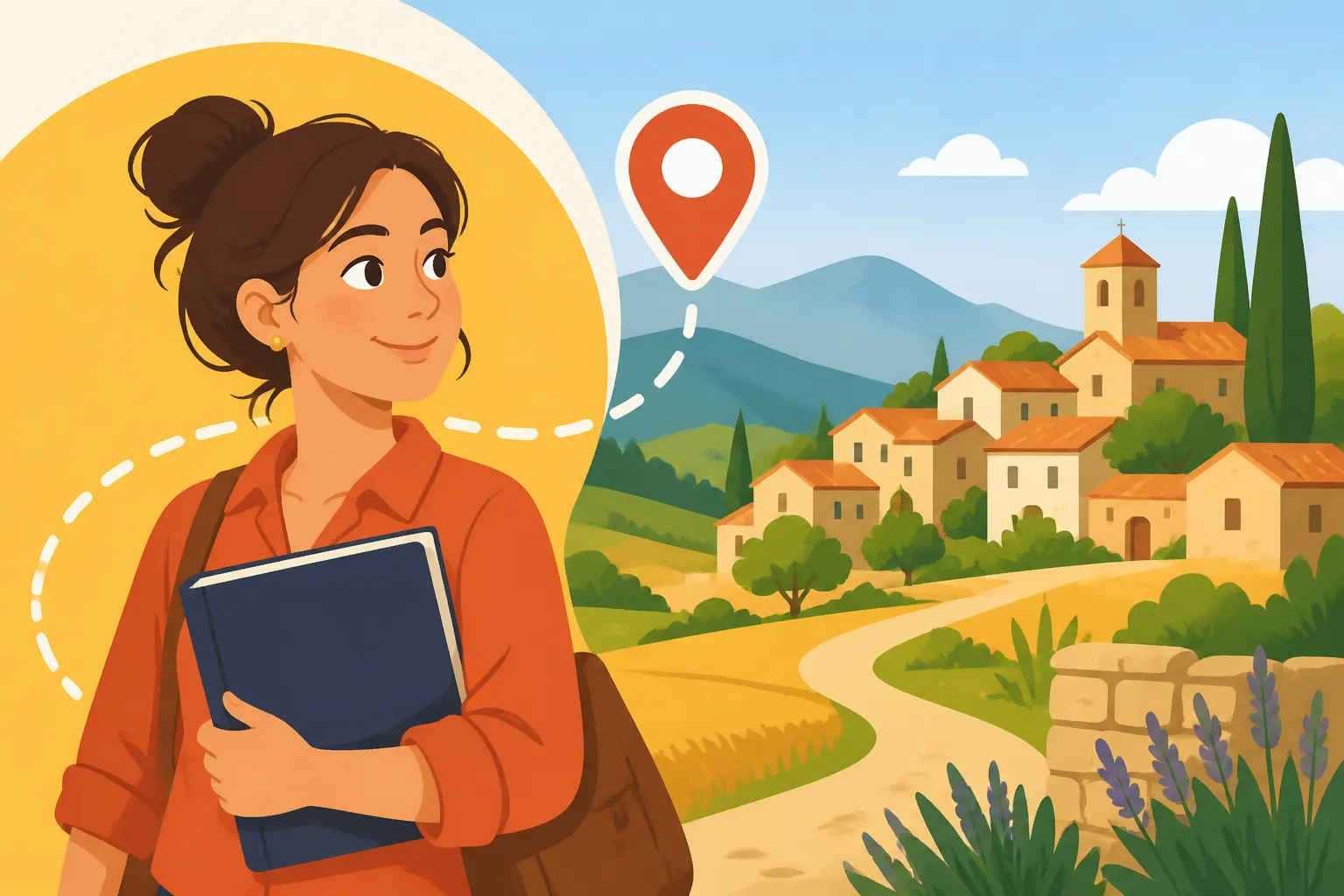
Landing a teaching job in Madrid or Barcelona often feels like a rite of passage, but the reality of spending 70% of your paycheck on a windowless room in a shared flat quickly sours the dream. I remember my first year in the capital, exhausted by the noise and the constant struggle to save even fifty euros. This guide solves the riddle of finding rewarding, high-paying English-teaching roles in Spain’s hidden gems, where your salary actually lasts until the end of the month.
Disclosure: This post may contain affiliate links. We may earn a commission at no extra cost to you if you make a purchase through these links. Read full disclosure.
The Financial and Cultural Reality of Rural Teaching
The primary reason most teachers find themselves stuck in the "Big City Loop" is fear of the unknown. We tend to flock to where the international airports and English-speaking meetups are located. However, if you look at the economics of the situation, the provinces are often much more lucrative. In a city like Madrid, a teaching salary of 1,300 EUR is barely a living wage. In a town in Extremadura or rural Andalusia, that same 1,300 EUR allows you to rent a three-bedroom house, eat out four nights a week, and still put money into savings.
Beyond the money, there is the "immersion factor." In the big cities, it is incredibly easy to fall into the "Expat Bubble." You end up speaking English at work, English at the pub, and English with your flatmates. In a smaller town, you are forced to use your Spanish at the local bakery, the pharmacy, and the town square. This is where your language skills will actually skyrocket. To prepare for this transition, using a platform like iTalki before you move can help you brush up on the local dialect and specialized vocabulary you'll need for daily life.
Furthermore, being the "village teacher" carries a certain level of social prestige that has long vanished in the anonymous streets of the metropolis. You aren't just another foreigner; you are a vital part of the community's future. This often leads to invitations to Sunday lunches, local festivals, and a level of hospitality that is hard to find in the tourist-heavy coastal cities. Checking the Cost of Living in Spain: Realistic Budgets and Savings Tips will show you just how far your Euro goes when you step off the beaten path.
Government Programs and the Rural Placement Strategy
The most reliable way to secure a position outside the major hubs is through the various government-sponsored language assistant programs. The largest is the North American Language and Culture Assistants Program (NALCAP), known locally as the "Auxiliares de Conversación." When you apply for this program, you can rank your regional preferences. While everyone else is fighting for a spot in Madrid or Valencia, choosing regions like Murcia, Galicia, or Castilla y León almost guarantees you a placement.
Once you are assigned a region, the Ministry of Education will place you in a specific school. If you want a rural experience, you can often reach out to the regional coordinators and express a preference for a "pueblo" placement. These schools are often desperate for native speakers and will go out of their way to help you find housing. I’ve known teachers in small towns in Jaén who had their landlords bring them fresh olive oil and eggs every week—a far cry from the aggressive rental market in Barcelona. For more on the specifics of these roles, read our guide on Teaching English in Spain: Requirements, Programs, and Visas.
Another excellent route is the BEDA program, which is managed through Catholic schools. BEDA tends to be more organized than the public ministry program and offers placements throughout the country. Because these schools are often located in residential outskirts or smaller satellite towns, you get the benefit of a community feel while staying within a bus ride of a larger provincial capital. If you are coming from outside the EU, understanding the Spain Student Visa: What Study Programs Qualify? is essential, as most of these assistant programs operate under a student visa status rather than a traditional work permit.
Private Academies and the "Hidden" Job Market
If you are a qualified teacher with a TEFL, CELTA, or a teaching degree, you don't have to rely on government programs. Every provincial capital—think places like Logroño, Badajoz, or Huesca—is teeming with private language academies (Academia de Idiomas). These businesses serve local children, university students, and professionals who need English for their careers. Unlike the saturated markets of the big cities, these academies often struggle to attract native speakers and are willing to offer better contracts to keep them.
The best way to find these jobs isn't always through LinkedIn or major job boards. It requires a more "Spanish" approach: the vía presencial. This means physically going to the town, walking into the academies with a printed CV, and asking to speak with the Director de Estudios. It sounds old-fashioned, but in the provinces, personal trust and a face-to-face meeting carry significantly more weight than a cold email. You might find it helpful to look into How to Find English-Speaking HR Contacts in Spanish Companies to understand the local corporate culture before you start your outreach.
Once you land a role in a private academy, the administrative side of things can become a bit more complex, especially regarding your residency and tax status. If the academy wants you to work as a freelancer (Autónomo) rather than a salaried employee, you will need to handle your own invoicing and social security payments. This is where services like Xolo become invaluable for expats; they handle the heavy lifting of Spanish tax filings so you can focus on your lesson plans. Additionally, for your home-country tax obligations, consulting with Taxes for Expats ensures you remain compliant on both sides of the Atlantic.
Essential Comparisons for English Teachers in Spain
Choosing between a high-energy city and a tranquil provincial town is a personal decision, but the data often favors the latter for those looking to build a sustainable life. The table below highlights the practical differences you can expect.
| Feature | Big City (Madrid/Barcelona) | Provincial Town (e.g., Cáceres/Ourense) |
|---|---|---|
| Monthly Rent (1BR) | 900 EUR – 1,400 EUR | 350 EUR – 550 EUR |
| Average Salary (Net) | 1,200 EUR – 1,600 EUR | 1,100 EUR – 1,400 EUR |
| Commute Time | 45 – 60 minutes (Metro) | 10 – 20 minutes (Walk/Bike) |
| Language Immersion | Low (English is common) | High (Spanish is essential) |
| Private Class Rate | 20 EUR – 30 EUR / hour | 15 EUR – 20 EUR / hour |
| Competition for Jobs | Extreme | Low to Moderate |
Navigating the Bureaucracy of the Provinces
The administrative hurdles of moving to a smaller town can be both easier and more frustrating than in the city. On one hand, getting a "Cita Previa" (appointment) for your TIE or your Empadronamiento in Spain: How to Register Your Address is usually much faster in a smaller town. You aren't competing with thousands of other immigrants for a single time slot. The officials in the local Ayuntamiento often have more time to help you, though they are much less likely to speak English.
However, you must be prepared for the "paperwork trail." You will still need to obtain a How to Get a Social Security Number (NUSS) in Spain before you can legally sign a contract. If you are working in a school with children, you will also need a Certificado de Delitos de Naturaleza Sexual (a background check for sexual offenses), which is a mandatory requirement for all educators in Spain. Having these documents ready before you arrive in your new town will save you weeks of back-and-forth travel to the nearest large city.
Health coverage is another area where the provinces differ. In a big city, you might have access to massive hospitals with English-speaking staff. In a village, you will be using the local What Is a ‘Centro de Salud’ in Spain and How Do You Register?. These clinics are the heartbeat of the Spanish healthcare system. While the doctors are highly skilled, you will definitely want to have your Spanish Slang and Everyday Expressions for Visitors ready, or better yet, a list of medical terms, as the "village doctor" is unlikely to be fluent in English.
Networking and Social Integration in Rural Spain
The "secret sauce" to finding the best teaching gigs in the provinces is networking. In a small community, everyone knows who the "new English teacher" is within 48 hours. Use this to your advantage. Frequent the same café every morning, join the local gym, or sign up for a weekly "intercambio" (language exchange). Often, the best-paying private tutoring jobs come from a parent mentioning at the bar that their child is struggling with their exams.
If you are worried about the initial isolation, remember that many small towns have a surprisingly active social life centered around the local plaza. Unlike the scheduled, "invite-only" nature of city life, social life in the provinces is spontaneous. You show up at the square at 8:00 PM, and you will find half the town there. To manage the financial side of this social life, you'll need to get your local finances in order quickly. Review the process for Opening a Bank Account in Spain: Step‑by‑Step for Foreigners to ensure you can receive your salary and pay your local rent without high international fees.
Finally, don't underestimate the power of the "side hustle." While your main job might be at an academy or school, the demand for one-on-one conversation practice in rural Spain is insatiable. Because there are fewer native speakers, you can easily fill your afternoons with private students. By balancing a formal role with a few private hours, and perhaps using Xolo to manage the additional income, you can live a very comfortable, middle-class lifestyle that would be impossible in the expensive coastal capitals.
Disclaimer
This guide is intended for informational purposes only. Immigration laws, visa requirements, and labor regulations in Spain are subject to frequent change. Always consult with the official Spanish Ministry of Education, the Ministry of Foreign Affairs, or a qualified legal professional before making relocation plans or signing employment contracts.
The mention of specific brands is for contextual assistance and does not constitute a formal endorsement of their services. Every expat's financial and legal situation is unique, and individual due diligence is required.