Outdoor Activities in Spain: Safe Hiking, Swimming, and Sun Care
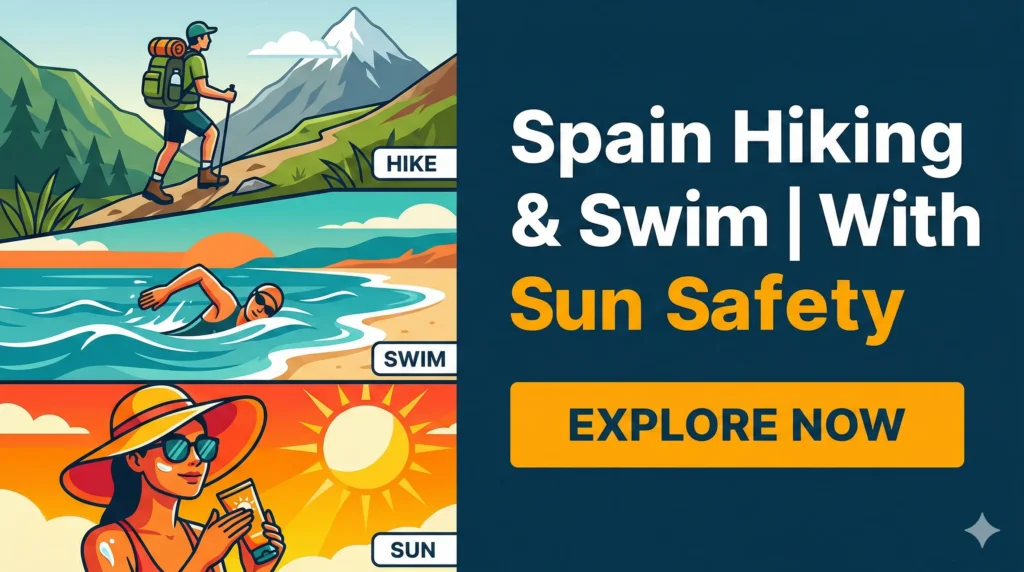
Spain offers an incredible landscape for outdoor enthusiasts, from the rugged peaks of the Pyrenees to the sun-drenched beaches of Andalusia. This guide provides essential safety information for expats and tourists to safely enjoy hiking, swimming, and navigating the intense Spanish climate.
Disclosure: This post may contain affiliate links. We may earn a commission at no extra cost to you if you make a purchase through these links. Read full disclosure.
Navigating the Diverse Climate and Terrain of Spain
Spain is far more geographically diverse than many first-time visitors expect. While the country is famous for its coastal sunshine, it also boasts vast arid deserts, dense temperate rainforests, and high-altitude mountain ranges. Understanding these regional variations is the first step toward planning a safe outdoor excursion.
Regional Weather Variations
The Iberian Peninsula experiences several distinct microclimates that dramatically affect outdoor activities. The northern coast, often referred to as “Green Spain” encompassing Galicia, Asturias, and the Basque Country, features a maritime climate. Hikers here will encounter frequent rainfall, high humidity, and lush vegetation. Waterproof gear and sturdy, slip-resistant footwear are absolute necessities year-round. In contrast, the southern region of Andalusia and the central plateau surrounding Madrid experience a Mediterranean and continental climate, respectively, characterized by scorching, dry summers and surprisingly cold winters.
Island territories present their own unique weather patterns. The Canary Islands boast a subtropical climate with mild temperatures year-round, making them a haven for winter hiking. However, they frequently experience the “Calima,” a meteorological phenomenon where fierce winds carry fine, hot sand from the Sahara Desert across the archipelago. The Calima drastically reduces visibility, spikes temperatures, and severely diminishes air quality, posing a significant risk to anyone with respiratory issues.
Preparing for Extreme Heat
Summer heat in Spain, particularly from late June through August, is intensely punishing. Inland cities like Seville and Córdoba regularly record temperatures exceeding forty degrees Celsius. During these intense heatwaves, known locally as “olas de calor,” engaging in strenuous outdoor activities during the middle of the day is highly dangerous and strongly discouraged by health authorities.
Recognizing the early warning signs of heat-related illnesses is critical. Heat exhaustion manifests as heavy sweating, extreme weakness, dizziness, and nausea. If left untreated, it can rapidly progress to heat stroke, a life-threatening condition characterized by a high body temperature, confusion, and a sudden lack of sweating. If you suspect heat stroke in yourself or a hiking companion, seek emergency medical attention immediately. To understand how the local medical system handles such emergencies, review our guide on the Spain Healthcare System for Expats: Public vs Private.
Essential Sun Care and Skin Protection
The Mediterranean sun is notoriously strong, and prolonged exposure without adequate protection is a leading cause of ruined holidays and long-term skin damage. Navigating the Spanish pharmacy system to find the right preventative care and aftercare is crucial for anyone spending time outdoors.
Choosing the Right Sunscreen
In Spain, high-quality sun protection is readily available, but the retail landscape differs from other countries. While you can find basic sunscreens in local supermarkets, the most highly formulated, dermatologically tested products are sold exclusively in pharmacies and “parafarmacias” (stores that sell health products but not prescription medications). European sunscreen standards are rigorous, offering excellent broad-spectrum protection against both UVA and UVB rays.
However, specialized suncare products, particularly organic, reef-safe mineral sunscreens or formulations designed for highly sensitive skin, can be exceptionally expensive in Spanish pharmacies due to high retail markups. Many proactive expats bypass these high local costs by ordering their preferred suncare brands and protective lip balms through global wellness platforms like iHerb. Sourcing these items via iHerb ensures you have access to trusted, affordable protection delivered right to your Spanish residence before the peak summer season begins.
Managing Sunburns and Heat Exhaustion
Despite the best preventative efforts, severe sunburns frequently occur, especially among newly arrived tourists who underestimate the midday sun. A severe sunburn in Spain requires immediate cooling and deep hydration. Local pharmacies are well-equipped to assist; pharmacists can recommend specialized burn creams, often containing soothing localized anesthetics or hydrocortisone, to reduce acute inflammation and blistering.
For systemic relief, over-the-counter pain relievers such as paracetamol or ibuprofen are highly effective at managing the inflammatory response of a sunburn. If you experience blistering across a large portion of your body, accompanying fever, or severe chills, this indicates a state of sun poisoning that requires professional medical evaluation. Knowing where to go for after-hours care is vital in these painful scenarios; you can consult our directory on How to Find a ‘Farmacia de Guardia’ Near You in Spain for late-night pharmacy access.
Sourcing Aftercare and Supplements
Long-term skin health in a sunny climate requires more than just reactive sunburn treatment; it requires proactive nourishment. Aloe vera is highly celebrated in Spain, particularly products sourced directly from the Canary Islands, which are renowned for producing some of the highest quality aloe in the world. Utilizing a pure, locally sourced aloe gel provides immense, immediate relief to sun-stressed skin.
Beyond topical treatments, maintaining strong skin health from the inside out is a priority for many expats living permanently under the Spanish sun. Nutritional supplements rich in antioxidants, such as Vitamin C, Vitamin E, and specialized compounds like astaxanthin, can help protect the skin against free radical damage caused by intense UV exposure.
Because securing specific, high-dose antioxidant complexes locally can be frustrating and costly, the expat community routinely relies on online retailers like iHerb. Ordering your daily skin-support vitamins through iHerb allows you to maintain a consistent wellness routine without paying premium tourist prices. Should you suffer a more serious, chronic dermatological issue related to sun exposure, establishing a relationship with a local specialist is key.
Safe Hiking Practices in Spanish National Parks
Spain is home to sixteen stunning national parks, offering thousands of kilometers of well-maintained trails. However, venturing into the Spanish wilderness requires rigorous preparation, an understanding of the local flora and fauna, and knowledge of specific emergency protocols.
Planning Routes and Hydration
The golden rule of hiking in Spain is to never underestimate the terrain or the climate. Whether you are trekking the rugged, limestone peaks of the Picos de Europa in the north or navigating the high-altitude trails of the Sierra Nevada in the south, meticulous route planning is non-negotiable. Trails are generally well-marked with a color-coded painted stripe system, but carrying a physical topographical map and a downloaded, offline GPS route on your smartphone is highly recommended.
Timing your hike is equally critical. Setting out at noon during the summer months is a recipe for disaster. Experienced local hikers start their ascents at dawn and aim to be entirely off the exposed trails by one in the afternoon. If you are planning multi-day treks, such as portions of the famous Camino de Santiago, understanding how to manage your daily physical limits and secure minor injury care is crucial. You can find more tips on managing minor travel ailments in our guide on Traveling With Medication in Spain: Practical Carry-On Tips.
Encountering Local Wildlife and Flora
Spain possesses a rich biodiversity, and while most wildlife encounters are harmless and beautiful, there are specific hazards hikers must be aware of. One of the most unique and dangerous threats in rural Spain is the Pine Processionary caterpillar (Procesionaria del pino). Appearing in early spring, these caterpillars move in long, nose-to-tail lines across trails and forest floors. They are covered in highly toxic, microscopic hairs that can cause severe allergic reactions, respiratory distress, and horrific rashes in humans. They are entirely lethal to dogs if sniffed or ingested.
Hikers should also be mindful of wild boars (jabalíes), which are increasingly common even on the outskirts of major cities. While generally fearful of humans, a mother boar protecting her young can be highly aggressive. The best protocol is to make noise while hiking to avoid startling them and to slowly back away if an encounter occurs. In the rocky, mountainous regions, the Lataste’s viper (Víbora hocicuda) is the most common venomous snake. Bites are incredibly rare, but wearing sturdy hiking boots and long trousers provides excellent preventative protection.
What to Do in a Mountain Emergency
Despite the best preparations, accidents such as twisted ankles, sudden severe weather changes, or getting lost can happen to anyone. If you face a genuine emergency in the Spanish mountains, the universal emergency number to dial is 112. This number works even if your specific mobile provider does not have coverage in the area, provided any other network is available. The 112 operators in Spain generally have English-speaking staff available.
Mountain rescues in Spain are primarily executed by a highly elite, specialized branch of the Guardia Civil known as the GREIM (Grupos de Rescate Especial de Intervención en Montaña). These rescue teams are exceptionally skilled and frequently utilize helicopters to extract injured hikers from perilous, inaccessible ravines.
However, it is vital for tourists and expats to understand the financial implications of a mountain rescue. While rescues for genuine, unavoidable accidents are traditionally covered by the state, several autonomous communities have enacted laws allowing them to aggressively charge the victim for the massive cost of the rescue if the incident was deemed a result of gross negligence. Ensuring you hold comprehensive private insurance through a provider like Innoinsure that explicitly covers high-altitude mountain rescues and adventure sports is the smartest way to protect yourself financially.
Ocean Safety and Swimming Guidelines
With over eight thousand kilometers of coastline bordering both the Atlantic Ocean and the Mediterranean Sea, Spain is a premier destination for aquatic activities. However, the varying ocean conditions demand strict adherence to local safety systems and an awareness of marine life.
Understanding Beach Flag Warnings
The most critical safety system on any Spanish beach is the colored flag system. Lifeguards (socorristas) heavily monitor ocean conditions, rip currents, and marine activity, flying specific flags to communicate the safety level to the public. Ignoring these flags is not only incredibly dangerous but can also result in heavy municipal fines.
The Mediterranean coast generally offers calmer waters, but sudden localized storms can quickly alter swimming conditions. The Atlantic coast, including the beautiful beaches of northern Spain and parts of Andalusia like Cadiz, is famous for powerful waves and incredibly strong, invisible rip currents that can drag even the strongest swimmers out to sea.
| Flag Color | Meaning | Required Action |
| Green | Calm conditions, safe for swimming. | Swim freely, but maintain general vigilance. |
| Yellow | Moderate hazard, strong currents or waves. | Swim with extreme caution. Do not go deep. |
| Red | High hazard, dangerous conditions. | Swimming is strictly legally prohibited. |
| Black | Beach is closed entirely due to contamination or severe threat. | Evacuate the water and the immediate sand area. |
| Jellyfish Flag | Often a white flag with two jellyfish icons. | Warning of high marine stinger presence. |
Managing Jellyfish Stings and Marine Hazards
Jellyfish (medusas) are a highly common nuisance along the Spanish Mediterranean coast, particularly when warm waters and specific wind patterns blow them toward the shore. While most common jellyfish stings in Spain are painful but harmless, causing localized burning and raised red welts, they can ruin a beach day.
If you are stung, the official Spanish lifeguard protocol is to carefully wash the affected area exclusively with salt water—never fresh water, as this causes microscopic stingers embedded in the skin to fire more venom. You should carefully remove any visible tentacles with a credit card or tweezers, not your bare hands. Applying ice wrapped in a cloth for fifteen minutes can significantly reduce the acute pain. If the pain persists, seeking immediate advice from an on-duty lifeguard or visiting a local clinic is recommended.
Another painful marine hazard is the weever fish (pez araña), which buries itself in the shallow sand along the shoreline. If you accidentally step on its venomous dorsal spine, the pain is immediate and excruciating. The venom is highly sensitive to heat; the standard first-aid treatment involves immersing the affected foot in water as hot as you can safely tolerate for thirty minutes to break down the venom’s proteins. For any severe allergic reactions to marine life, seeking professional medical care is paramount. You can find more information on weekend clinical availability in our guide on What to Do If You Need Care on a Weekend in Spain.
Pool Safety for Families
For many expats relocating to southern Spain, having a private villa with a swimming pool is a dream come true. However, private pools represent a significant safety hazard, particularly for families with young children. Unlike public municipal pools or hotel resorts, private residential pools in Spain are rarely required by law to have protective fencing installed around their perimeters.
Expat parents must take proactive responsibility for pool safety. Installing a secure, child-proof fence and a sturdy, lockable pool cover should be an immediate priority upon moving into a new property. Furthermore, the intense summer heat causes pool water chemistry to degrade rapidly. Improperly balanced chlorine and pH levels can lead to severe ear infections (swimmer’s ear) and skin irritations.
Maintaining proper pool hygiene and establishing strict rules—such as no running on the slippery, tiled edges—are essential preventative measures. Should an unfortunate slip or minor poolside injury occur, having a clear plan of action is necessary. To understand how to access pediatric care quickly in the event of an accident, we highly recommend reading our detailed breakdown on Pediatric Care in Spain: Choosing a Pediatrician.
Managing Health Emergencies and Insurance
Even the most cautious outdoor enthusiasts can experience unexpected injuries. Knowing exactly how to navigate the financial and logistical aspects of the Spanish healthcare system during a crisis is essential for your peace of mind.
Navigating Public Out-of-Hours Clinics
If you suffer a minor outdoor injury—such as a sprained ankle on a hiking trail or a deep cut from a sharp rock on the beach—you do not necessarily need to burden the major hospital emergency rooms. Spain operates an excellent network of out-of-hours primary care clinics known as Puntos de Atención Continuada (PAC).
These clinics are specifically designed to handle non-life-threatening emergencies quickly and efficiently, bypassing the massive wait times often experienced in major public hospital trauma centers. If you are a legally registered resident contributing to the Spanish social security system, or a tourist holding a valid European Health Insurance Card (EHIC), your treatment at a PAC will be entirely free at the point of access. For a deeper understanding of how these clinics operate, especially during irregular hours, refer back to our guide on What to Do If You Need Care on a Weekend in Spain.
The Role of Private Expat Insurance
For many expats, relying solely on the public system for outdoor emergencies is a risk they prefer not to take. The public system dictates which hospital you are taken to and does not guarantee an English-speaking doctor, which can be terrifying during a medical crisis. This is where holding a robust private health insurance policy becomes invaluable.
By securing a comprehensive policy through a specialized broker like Innoinsure, expats gain immediate access to top-tier private hospitals and independent trauma clinics across the country. If you break a bone while hiking, a premium policy allows you to bypass the public queues entirely, secure a private room, and communicate with bilingual specialists who can clearly explain your surgical options. Furthermore, many modern policies sourced via Innoinsure feature digital tele-triage services. If you are unsure whether a marine sting requires a hospital visit, you can instantly video call a doctor from your smartphone right there on the beach. To learn more about this specific digital feature, read Telemedicine in Spain: When It’s Useful and What to Expect.
Covering Out-of-Pocket Incidentals
Whether you are utilizing the public system or carrying premium private insurance, unexpected outdoor injuries always generate out-of-pocket incidental costs. You may need to pay for an emergency taxi from a remote beach to a clinic, purchase specialized waterproof bandages from a local pharmacy, or cover a small deductible mandated by your private insurance policy.
When you are stressed and injured, the last thing you want is to be hit with exorbitant foreign transaction fees or terrible dynamic currency conversion rates when swiping your home country’s bank card at a Spanish clinic. Financially savvy expats mitigate this completely by traveling with a multi-currency account like Wise. Using a Wise card allows you to seamlessly pay for unexpected medical incidentals and pharmacy prescriptions at the true, transparent mid-market exchange rate in Euros. By managing your emergency healthcare budget efficiently through Wise, you ensure that your money is spent entirely on your rapid recovery, rather than padding the profits of international legacy banks.
References
Primary sources (official)
- Agencia Estatal de Meteorología (AEMET) – Official Weather and Heat Warnings: http://www.aemet.es/
- Ministerio de Sanidad – Prevención de efectos de altas temperaturas: https://www.sanidad.gob.es/ciudadanos/saludAmbLaboral/altasTemperaturas/home.htm
- Protección Civil España – Recomendaciones ante riesgos naturales: https://www.proteccioncivil.es/
Other helpful sources
- Expatica – Healthcare in Spain: https://www.expatica.com/es/healthcare/
- Federación Española de Deportes de Montaña y Escalada (FEDME) – Trail Safety: https://fedme.es/
Disclaimer
The information provided in this article is for educational and informational purposes only and does not constitute formal medical or emergency response advice. Outdoor conditions in Spain, including weather extremes, ocean currents, and mountain terrains, can change rapidly and unpredictably. Always consult official local meteorological forecasts, obey all municipal safety flags and warnings, and dial 112 in the event of any severe or life-threatening emergency.