Spanish for Retirees in Spain: Slow-Track Lesson Plans
Moving to Spain for retirement is a dream for many, but the initial honeymoon phase can quickly give way to the sometimes-daunting reality of daily life without a solid grasp of the local language. You might be able to order a coffee or say "hello," but truly navigating appointments, connecting with neighbours, or simply understanding what’s going on around you can feel like an impossible climb. This guide is dedicated to helping retirees like you craft a slow-track, pressure-free Spanish lesson plan, focusing on practical communication to help you genuinely integrate and enjoy your well-deserved golden years in Spain.
Disclosure: This post may contain affiliate links. We may earn a commission at no extra cost to you if you make a purchase through these links. Read full disclosure.
Why Learning Spanish (Even a Little) Transforms Your Retirement in Spain
When you first arrive in Spain, perhaps your main goal was to relax, enjoy the sun, and soak in the culture. And absolutely, you should! But as the weeks turn into months, many retirees find a subtle, persistent barrier emerging: communication. While you can often get by with a few phrases and a lot of pointing, there's a world of experience you're missing out on when you can't truly engage. It's not just about functionality; it's about the richness of your life here.
Think about it: how many times have you wished you could understand the conversation happening in the queue at the panadería, or fully grasp the local news headlines? Have you ever felt a pang of frustration when a kind Spanish neighbour tries to tell you something important, and you can only catch every third word? These aren't minor inconveniences; they can subtly chip away at your sense of belonging and make you feel perpetually like an outsider, no matter how beautiful your surroundings. Learning even a little Spanish, on your own terms, can be incredibly empowering and truly transform your daily reality.
Beyond "Hola": Deeper Connections and Local Life
That simple "hola" or "gracias" is a wonderful start, but imagine being able to move beyond the transactional. Picture yourself having a genuine, albeit simple, chat with the woman who sells you fresh produce at the local market, learning about her family, or discussing the best way to prepare a seasonal vegetable. These small interactions are the fabric of local life and can make you feel so much more connected to your community. It’s about more than just exchanging pleasantries; it's about building bridges, one conversation at a time.
You might find yourself invited to a local fiesta or gathering, and while the food and music are universal, understanding the jokes, the banter, and the stories being shared can turn a pleasant evening into a truly memorable one. Feeling like you're part of the conversation, even in a small way, fosters a sense of belonging that no amount of beautiful scenery or delicious tapas can replace. It reduces that feeling of being "on holiday" indefinitely and anchors you firmly in your new home. For those moments when you really need to listen in, try mastering some basic Spanish Medical Terminology: Common Words Expats Should Know so you're never completely lost in a health conversation.
Practical Independence and Problem-Solving
One of the biggest frustrations for many expats, especially retirees, is the reliance on others for everyday tasks. Whether it's a patient English-speaking bank teller, a helpful friend who translates at the doctor's office, or your landlord's child explaining a utility bill, this dependency can be exhausting and, frankly, a bit demeaning. Taking control of your language skills means taking control of your daily life. It means not having to dread that unexpected phone call or that official-looking letter in Spanish.
Consider a hypothetical: your internet goes out. Instead of immediately calling your English-speaking friend to help you navigate the dreaded customer service line, you can attempt to explain the issue yourself. Or perhaps you need to explain complex symptoms during a doctor's visit; knowing enough Spanish to clearly articulate your concerns can make a huge difference in the quality of care you receive. Even understanding the basics of your Understanding Spanish Rental Contracts: Key Clauses Explained can save you a lot of future headaches. Imagine the freedom of managing your own affairs, understanding your "facturas" (bills), and even tackling administrative tasks with a bit more confidence. This independence isn't just convenient; it's a huge boost to your overall well-being and sense of accomplishment here in Spain.
Crafting Your "No-Pressure" Spanish Study Plan for Retirement
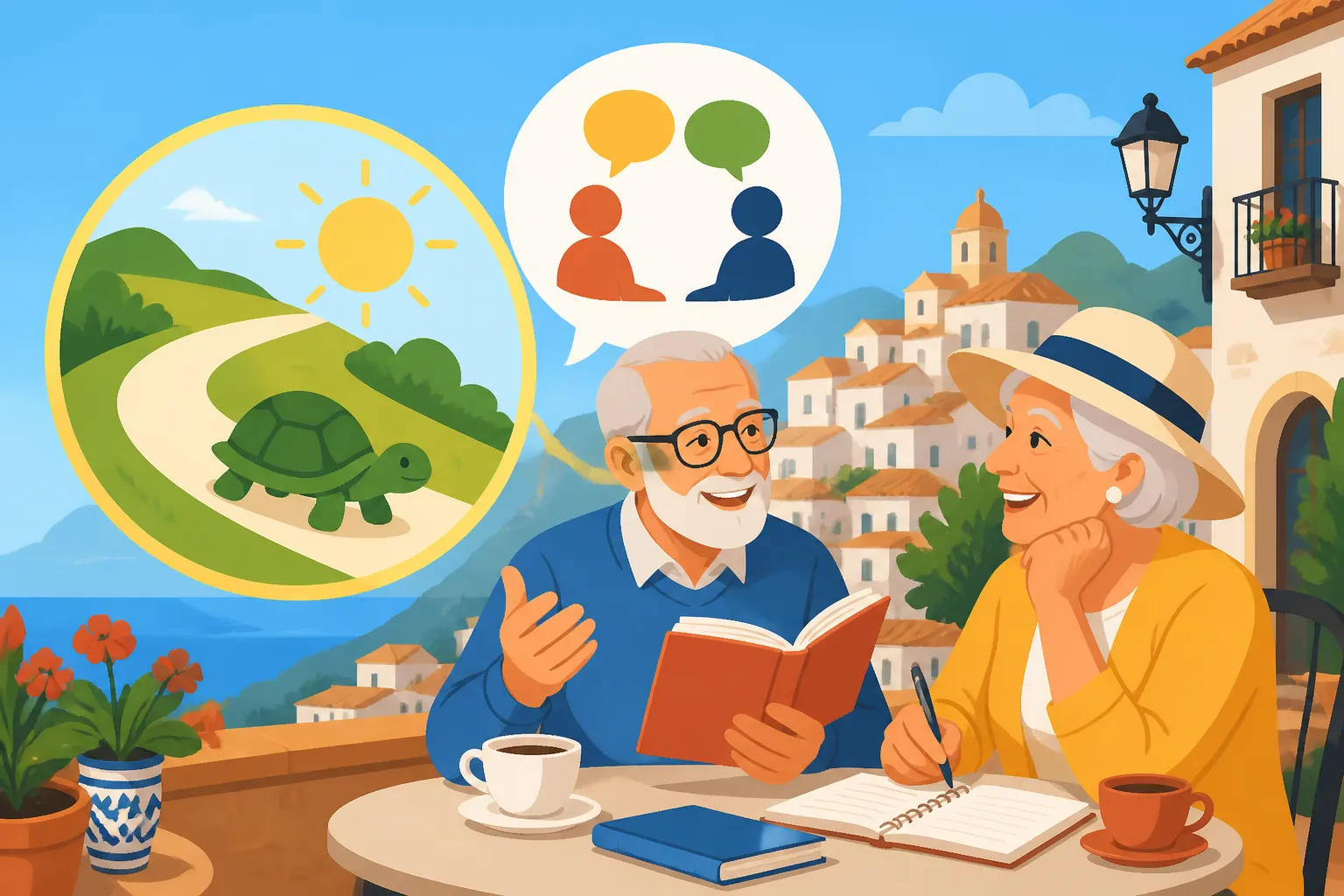
The idea of "going back to school" can sound intimidating, especially after years of being out of the learning environment. Forget the rigid classrooms, strict deadlines, and exam-focused pressure. For retirees in Spain, the best approach to learning Spanish is one that embraces a "no-pressure," slow-track philosophy. This isn't about becoming fluent overnight or getting a diploma; it's about acquiring practical skills that enhance your life, making small, consistent progress without burnout.
The goal is enjoyment, integration, and confidence, not perfection. You have the luxury of time that many working expats don't, which means you can learn at a pace that suits you, truly absorbing and practicing without the stress of performance. This slower, more intentional approach allows you to tailor your learning to your specific interests and needs, ensuring that every step of the journey feels rewarding rather than a chore.
Setting Realistic Goals and a Gentle Pace
When you're retired, there's no need to cram vocabulary lists or race through grammar textbooks. Your brain might not absorb information at the same speed it did decades ago, and that's perfectly okay. Instead, focus on small, achievable goals. Perhaps for the first month, your goal is simply to understand basic greetings and farewells, or to confidently order a coffee and a pastry at your local café. For the next month, maybe it's learning to ask for specific items at the grocery store or understanding the numbers for prices.
Prioritise listening and speaking. Many traditional methods heavily focus on reading and writing, but for daily life, being able to comprehend spoken Spanish and respond, even with mistakes, is far more valuable. Don't be afraid to sound silly; every Spanish speaker was a beginner once! A gentle pace means consistent, short study sessions rather than sporadic, long ones. Maybe 20-30 minutes a day, or a couple of dedicated hours a week. The key is consistency, making it a habit rather than a sporadic effort. This is where tools like iTalki truly shine, offering bite-sized, personalised sessions that fit your schedule and learning style.
Integrating Spanish into Your Daily Spanish Life
Learning doesn't just happen in a classroom or during a dedicated study session. Your life in Spain offers an unparalleled immersion laboratory! Start by consciously exposing yourself to Spanish as much as possible. This could mean tuning into a local radio station while you cook, watching Spanish TV with subtitles (or even English subtitles at first), or simply making an effort to engage with shopkeepers or neighbours. Don't immediately switch to English if you're met with a willing Spanish speaker; try to stumble through a few phrases.
Language exchange groups, known as intercambios, are fantastic opportunities to practice in a low-stakes environment while helping someone else learn English. Many cities have thriving communities for these. Think of every interaction as a mini-lesson. Did you learn a new word at the market? Write it down and try to use it the next day. Did you hear an interesting phrase on TV? Look it up. The more you connect your learning to your actual life, the more relevant and engaging it becomes. While formal classes have their place, combining them with real-world application is incredibly effective.
Here's a quick comparison of popular learning methods for retirees:
| Method | Pros | Cons | Best For |
|---|---|---|---|
| Online 1-on-1 Tutoring (e.g., iTalki) | Flexible scheduling, personalized content, learn from home, safe practice space, diverse accents. | Requires internet and some tech comfort, costs more than group apps/classes. | Tailored learning, building confidence, practical conversation, specific topics (e.g., medical phrases). |
| Group Classes (in-person) | Social interaction, structured curriculum, peer support. | Fixed schedules, less personalized, can feel overwhelming, travel required. | Social learners, those who thrive in a traditional classroom setting. |
| Language Exchange (Intercambios) | Free, native speaker interaction, cultural exchange, low pressure. | Can lack structure, depends on partner's reliability/teaching skill, not always easy to find. | Practicing conversation, making friends, informal learning. |
| Self-Study Apps (Duolingo, Babbel) | Flexible, gamified, good for vocabulary & grammar basics, affordable. | Lacks speaking practice, doesn't adapt to individual needs, easy to lose motivation. | Beginners building foundational vocabulary and grammar, supplemental to other methods. |
| Immersion (TV, Radio, Books) | Authentic exposure, natural language acquisition. | Can be overwhelming without some prior knowledge, passive learning without active practice. | Supplementing formal learning, advanced learners, cultural understanding. |
Choosing the Right Tools and Support for Your Learning Journey
Embarking on a language learning adventure in retirement means you have the freedom to select tools and methods that genuinely suit you. Gone are the days of being forced into a rigid system. Your comfort, convenience, and personal learning style should be at the forefront of your choices. For many retirees, this means looking beyond traditional methods that might not fit their lifestyle or energy levels.
The key is to find resources that offer flexibility, allow you to learn at your own pace, and most importantly, connect you with real Spanish speakers. This combination is crucial for building practical communication skills and gaining the confidence to use what you learn in everyday situations here in Spain.
The Power of Personalized Online Tutoring (Focus on iTalki)
Traditional in-person group classes might not be the best fit for everyone in retirement. Fixed schedules, commuting to a physical location, and being in a large group can be daunting. This is where the beauty of personalized online tutoring comes in, and platforms like iTalki are a game-changer for retirees. Imagine learning Spanish from the comfort of your own home, on a schedule that perfectly aligns with your lifestyle. No rushing out the door, no navigating public transport, just logging in and connecting with a native speaker.
iTalki connects you with a vast network of Spanish tutors, from certified teachers to community tutors who specialize in conversational practice. You can browse profiles, watch introduction videos, and read reviews to find someone whose teaching style, accent, and availability match your needs. The flexibility is unmatched: you can book lessons for 30, 45, or 60 minutes, whenever suits you. This means if you have an appointment in the morning or want to spend the afternoon at the beach, your Spanish lesson can easily be rescheduled or fitted around your plans.
What makes iTalki particularly powerful for retirees is the focus on you. Your tutor can tailor lessons to your specific goals, whether it’s understanding local bureaucracy for How to Get an Interpreter for City Hall Appointments in Spain, practicing dialogue for grocery shopping, or simply having a casual chat about Spanish culture. You can request lessons focused purely on conversation, allowing you to practice speaking without the pressure of a classroom setting. This one-on-one attention builds confidence rapidly because you're actively speaking and getting immediate, personalised feedback. Many tutors on iTalki are experienced with mature learners and understand the importance of patience and a supportive environment. The platform offers trial lessons, so you can try out a few different tutors to find your perfect match without a big commitment. It really is an ideal way to gently but effectively improve your Spanish speaking abilities for real-life scenarios in Spain, making iTalki an invaluable resource.
Complementary Resources: Apps, Meetups, and Local Practice
While personalized tutoring with iTalki provides the core structure and crucial speaking practice, supplementing it with other resources can enrich your learning journey. Think of these as delicious side dishes to your main course!
Mobile apps like Duolingo, Babbel, or Memrise can be excellent for reinforcing vocabulary and basic grammar in a fun, gamified way. They're great for those short bursts of learning while you're waiting for an appointment or enjoying your morning coffee. Just remember they can't replace actual conversation. For active practice, consider finding local language exchange groups or "intercambios." These informal meetups allow you to chat with native Spanish speakers who want to practice English, offering a relaxed environment to try out new phrases and make new friends. You might even find opportunities to discuss Spanish Social Etiquette: Greetings, Invitations, and Daily Life or learn about Tipping in Spain: When, Where, and How Much directly from locals.
Don't underestimate the power of simply trying. When you visit your local market, try to ask "cuánto cuesta?" (how much does it cost?) for every item. When you're at a café, make an effort to order your "café con leche" and ask for "la cuenta" (the bill) in Spanish. Even if you stumble, most Spaniards appreciate the effort. The more you put yourself out there, the faster you'll improve, and the more deeply you'll connect with your new home. For those keen to immerse themselves, even mundane tasks like Spanish Shopping: Supermarkets, Markets, and Budget Strategies become opportunities to practice.
Overcoming Common Hurdles and Staying Motivated
Learning a new language in retirement, while incredibly rewarding, isn't always smooth sailing. There will be days when you feel like you're not making any progress, or when the sheer volume of new vocabulary feels overwhelming. These moments are completely normal, and every language learner, regardless of age, experiences them. The key is to anticipate these hurdles, develop strategies to overcome them, and most importantly, maintain a sense of enjoyment and curiosity throughout your journey. Remember, you're doing this for personal enrichment, not a grade.
The biggest obstacle often isn't the grammar or vocabulary itself, but the internal battle against self-doubt and the fear of making mistakes. It's a journey of patience, persistence, and a healthy dose of self-compassion.
Embracing Mistakes and "The Fear of Sounding Silly"
This is perhaps the biggest barrier for many adult learners. We're accustomed to being competent, articulate individuals in our native tongue, and the prospect of reverting to a child-like level of communication can feel embarrassing. That "fear of sounding silly" is a real, valid emotion. I've been there, fumbling over simple phrases and wishing the ground would swallow me whole! But here's the truth: Spaniards are generally incredibly patient and appreciative of anyone making an effort to speak their language. They're not judging your grammar; they're celebrating your initiative.
Think of every mistake not as a failure, but as a crucial step in the learning process. It's how you identify gaps in your knowledge, and it gives your iTalki tutor perfect material for your next lesson. Laugh at yourself, embrace the mix-ups, and understand that communication is more important than perfection. Often, the funniest stories from expat life involve language blunders. These moments are part of the journey and become cherished memories. Let go of the pressure to be perfect; focus on being understood and understanding in return. This is especially true when trying to learn everyday phrases like How to Order Coffee in Spain Like a Local.
Keeping the Spark Alive: Making Learning Enjoyable
The best way to stay motivated is to make your Spanish learning experience genuinely enjoyable. If it feels like a chore, you'll soon lose interest. Connect your language studies to your passions and hobbies. Love Spanish history? Find simple Spanish articles or documentaries about a region you plan to visit. Enjoy cooking? Try following a Spanish recipe and learn the names of ingredients. Are you a fan of Spanish food? Learning to ask about Regional Spanish Dishes Every Visitor Should Try can be a great motivator! Even something as simple as being able to read the instructions on a packet of seeds for your new garden can be a satisfying small victory.
Celebrate every small achievement. Did you understand a street sign without translating? ¡Felicidades! Did you successfully ask for directions? ¡Genial! Share your progress with friends or family, and consider finding a learning partner, either through an intercambio or a fellow expat, to practice with and keep each other accountable. Remember, your goal is to enhance your retirement in Spain, not to add another layer of stress. So, pick up a short Spanish novel, try to understand the lyrics of a flamenco song, or simply chat with your iTalki tutor about your week. Keeping it fun is the secret ingredient to long-term success on your slow-track journey.
Disclaimer
This article is for general informational purposes only and does not constitute professional advice. Laws, prices and regulations vary by location and change over time. Consult a qualified professional for guidance on your specific situation.