Paradores in Spain: What They Cost and Which Ones Are Worth It
Disclosure: This article contains affiliate links. If you buy through them, we may earn a commission at no extra cost to you. Read our full disclosure.
Finding truly authentic and memorable accommodation in Spain can feel like a bit of a lottery, can't it? You want more than just a bed; you want a piece of history, a cultural immersion, something that speaks to the very soul of this incredible country. This is where the magic of the Paradores comes in. Forget sterile chain hotels – these are unique, state-owned properties often housed in castles, monasteries, and historic buildings, offering an experience that's deeply rooted in Spain's heritage. This guide will walk you through what Paradores are, what they cost, which ones are worth the splurge, and how to snag the best deals for your unforgettable Spanish stay, with a special shout-out to using platforms like Booking.com to find your perfect fit.
What Exactly Are Paradores in Spain?
When you first hear "Parador," it might sound a bit exotic, and in a way, it is! But it’s not just a fancy name for a hotel. Think of Paradores as a unique network of state-run luxury and mid-range hotels spread across Spain, each with its own incredible story.
A Brief History and Philosophy
The Paradores de Turismo de España project began way back in the 1920s with a truly noble vision: to create a network of high-quality hotels across Spain that would not only boost tourism but also help preserve and give new life to the country's vast architectural and natural heritage. The very first Parador, the Parador de Gredos, opened in 1928, commissioned by King Alfonso XIII. The idea was simple but brilliant: take neglected castles, ancient monasteries, grand palaces, and historic mansions, and transform them into comfortable, modern hotels while respecting their original grandeur.
This wasn't just about renovation; it was about safeguarding history. Many of these buildings might have otherwise fallen into ruin. By converting them into Paradores, the government ensured their meticulous restoration and ongoing maintenance, allowing visitors to step directly into Spain's past. The philosophy extends to the local communities too, promoting regional cuisine and employment, often in areas that might otherwise be overlooked by mass tourism. It’s a wonderful blend of history, culture, and hospitality that you just won't find anywhere else.
The Unique Appeal: Castles, Monasteries, and Historic Buildings
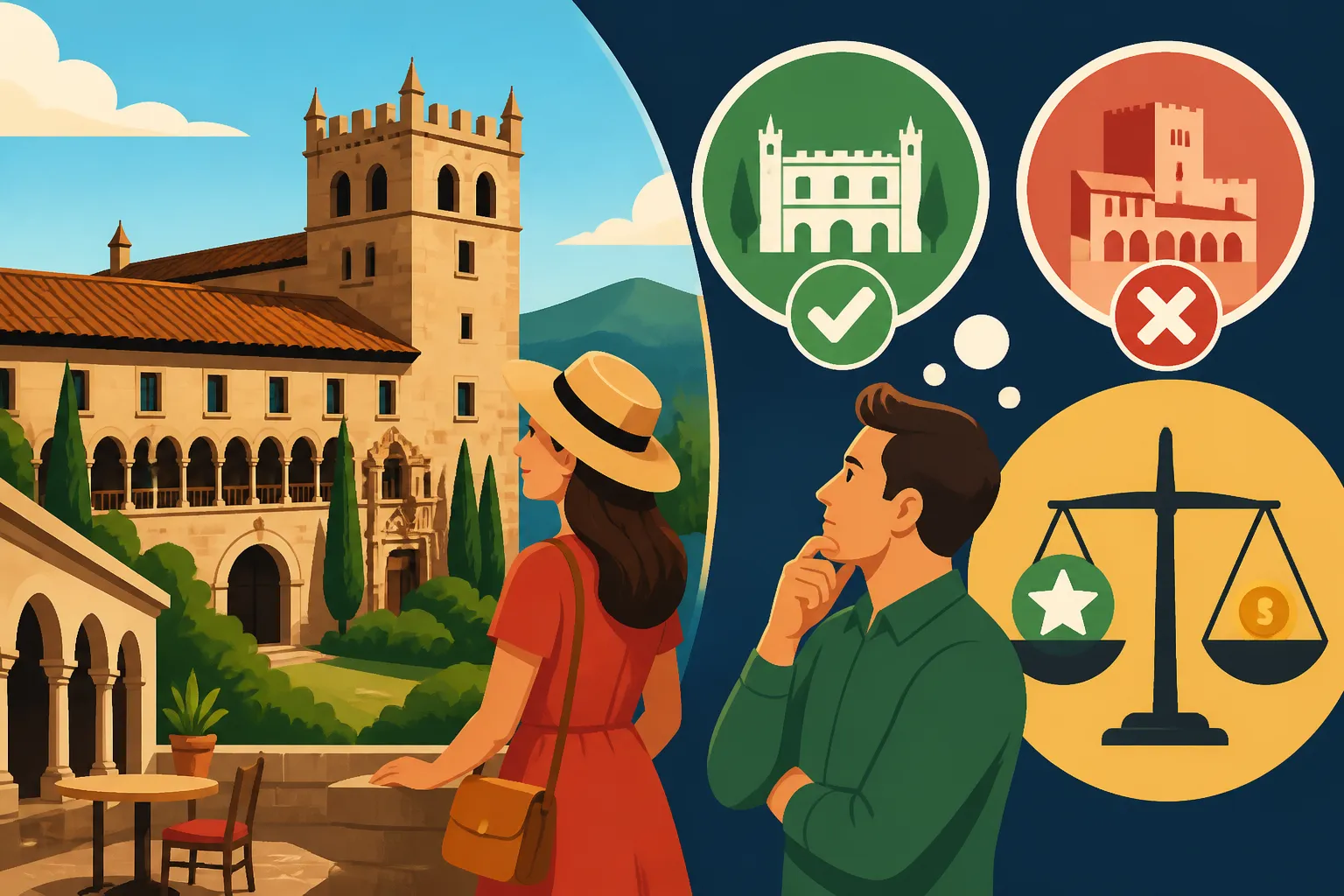
The sheer variety of Paradores is astounding. You could find yourself sleeping in a medieval castle with crenelated towers, waking up to panoramic views that knights once defended. Or perhaps you'd prefer the tranquil cloister of a former monastery, where centuries of silence still seem to echo in the stone walls. Some Paradores are grand Renaissance palaces in bustling city centers, others are modern, purpose-built hotels nestled in breathtaking national parks or overlooking pristine coastlines.
Imagine spending a night in the Parador de Santiago de Compostela, originally a royal hospital for pilgrims on the Camino de Santiago, right on Praza do Obradoiro beside the cathedral. Or perhaps the Parador de Carmona, an Alcázar (Moorish fortress) perched dramatically over the town and plains of Andalusia. Each Parador offers a distinctly Spanish experience, often featuring traditional décor, local art, and an ambiance that transports you far beyond a generic hotel room. It's truly a chance to make your accommodation part of your adventure in Spain, becoming a living piece of its rich tapestry.
Understanding the Cost of a Parador Stay
Let's be real, many of us, especially expats navigating life in Spain, are always watching our budget. So, the big question often is: what's this unique experience going to cost me? It's not a one-size-fits-all answer, but we can break it down.
Price Factors: Location, Season, and Room Type
The cost of a Parador stay can vary quite a bit, much like any hotel across Spain. The most significant factors at play are:
- Location, Location, Location: A Parador in a highly sought-after city like Toledo, Granada (the one inside the Alhambra is legendary, and often fully booked!), or Santiago de Compostela will naturally command higher prices. These are often historic gems right in the heart of cultural hotspots. Conversely, a Parador in a quieter, less-touristed rural area or a smaller town might offer more attractive rates, giving you incredible value for a historical setting.
- Time of Year: Spain's seasons dramatically impact pricing. Peak tourist seasons – typically summer (June to August), major holidays like Easter (Semana Santa) and Christmas, and city-specific festivals – will see prices climb. Shoulder seasons (spring and autumn) often offer a sweet spot: pleasant weather, fewer crowds, and more moderate prices. Winter can be surprisingly affordable, especially outside of ski regions or major city celebrations, allowing you to enjoy cozy stays in historic buildings.
- Room Type and Views: Standard rooms will always be the most economical option. However, many Paradores boast incredible suites, rooms with balconies, or those with specific historical features (like a room in a castle tower!). A room overlooking a stunning valley, a historic plaza, or the sea will invariably cost more than one facing an inner courtyard or a less spectacular view. Always check the room descriptions carefully when you're browsing.
It’s about balancing your desire for a specific experience with your budget. Sometimes, opting for a lesser-known Parador or visiting during the off-season can unlock an equally magical but more affordable stay.
What's Included (and What's Not) in the Rate
Generally, a Parador room rate covers your accommodation, and often includes access to common areas, gardens, and sometimes amenities like swimming pools or fitness rooms if available. Here's a quick rundown of what to expect:
- Accommodation: This is the core. Most rooms are well-appointed, blending modern comforts with the historical character of the building. You'll usually find comfortable beds, en-suite bathrooms, and amenities like a TV and Wi-Fi.
- Breakfast: Often, breakfast is not included in the standard room rate and will be an extra charge. Parador breakfasts are typically lavish buffets featuring local produce, traditional Spanish pastries, fresh fruit, and hot options. While it can be an added expense, it’s often a highlight of the stay and a good way to fuel up for a day of exploring Spain's cities on foot.
- Meals: Lunch and dinner are almost always à la carte and separate from the room rate. Parador restaurants are known for serving excellent regional cuisine, often using fresh, local ingredients. While dining there can be pricier than eating at a local bar de tapas, it's an experience in itself and guarantees quality.
- Spa/Wellness: If a Parador has a spa, sauna, or specific wellness treatments, these are usually extra costs. Access to basic facilities like a swimming pool, however, is often included for guests.
- Parking: Many Paradores, especially those in rural areas or with ample grounds, offer free parking. In city locations, parking might be available but could incur an additional fee, so it's always worth checking in advance.
Finding the Best Deals and Booking Strategies
Okay, so you're keen on the Parador experience, but you want to find good value. This is where a little savvy goes a long way.
Firstly, start your search early, especially if you have a specific Parador or date in mind. Popular Paradores, like the one in Granada, can be booked solid months, even a year, in advance.
Secondly, consider booking platforms like Booking.com. They are incredibly helpful for quickly comparing prices across different Paradores, seeing available dates, and reading guest reviews all in one place. You can filter by location, amenities, and price range, making it simple to find a Parador that fits both your dreams and your budget. Booking.com often has special promotions, and their Genius loyalty program can also unlock discounts, which is fantastic if you travel frequently. You'll find a wide selection of Paradores listed, complete with detailed descriptions and photos, giving you a comprehensive view before you commit.
Beyond Booking.com, Paradores themselves have a loyalty program called "Amigos de Paradores" which can offer discounts, special rates, and points accumulation for frequent stays. They also run seasonal promotions, often tied to specific regions or themes (e.g., "Golden Days" for seniors, "Young Getaways"). Keep an eye out for these on their official website. Flexibility with your travel dates is key – midweek stays are almost always cheaper than weekends, and choosing the shoulder or off-season can lead to significant savings.
Don't forget about packages! Sometimes, Paradores offer packages that include dinner or a specific activity, which can be a better overall value than booking everything separately. Using Booking.com allows you to see these options quickly, compare them, and secure your reservation efficiently.
Which Paradores Truly Stand Out? (Recommendations)
With nearly 100 Paradores spread across Spain, choosing can feel overwhelming. Having stayed in quite a few myself, I can tell you that some truly offer an unparalleled experience. Here are a few categories and recommendations to get you started.
Paradores for History Buffs and Culture Seekers
If you're like me and you dream of walking through ancient halls and sleeping where royalty or monks once did, these are for you.
- Parador de Granada (Inside the Alhambra): This is, without a doubt, one of Spain's most iconic Paradores. Housed within a 15th-century convent built over a Nasrid palace, it sits directly inside the Alhambra complex. Waking up to the sounds and sights of this UNESCO World Heritage site before the crowds arrive is truly magical. It’s an experience money can't quite buy (though you’ll pay a pretty penny for it!) and reservations are essential, often a year in advance. It offers an intimate connection to Moorish Spain: Alhambra, Mezquita, and Al-Andalus Heritage.
- Parador de Toledo: Perched on a hill overlooking the majestic city of Toledo, this Parador offers possibly the most famous panoramic view of the "City of Three Cultures." While the building itself is not as ancient as some, its design perfectly complements the historic skyline, and the view from its terraces, especially at sunset, is simply unforgettable. It's a fantastic base for exploring the city's rich History, Art, and Architecture in Spain.
- Parador de Cardona (Catalonia): This medieval castle, rising dramatically above the town of Cardona, is a true fortress experience. Dating back to the 9th century, it has been beautifully preserved, with Romanesque and Gothic elements. You can sleep in rooms that feel straight out of a period drama, complete with heavy wooden doors and stone walls. It even has its own ghost stories, adding to the allure! It's a wonderful stop if you're exploring Catalonia Beyond Barcelona: What to See.
- Parador de León (Hostal de San Marcos): A truly magnificent Renaissance building, this former monastery and hospital is one of Spain's grandest Paradores. Its elaborate Plateresque façade, stunning cloisters, and opulent interiors make it feel like a living museum. Located in the heart of León, it's perfect for exploring the city's cathedral and vibrant culinary scene.
Paradores for Nature Lovers and Scenic Views
If sweeping landscapes, tranquil retreats, and fresh air are what you crave, Spain's diverse geography has Paradores nestled in stunning natural settings.
- Parador de Nerja (Andalusia): Offering breathtaking views of the Mediterranean Sea and its famous Balcón de Europa, this modern Parador provides direct access to Burriana Beach via a private lift. It’s ideal for a relaxed coastal getaway, with a lovely pool and stunning vistas, a perfect spot to enjoy the beauty of the Costa del Sol and Málaga Province: Visitor Highlights.
- Parador de Cangas de Onís (Asturias): Set in a former Benedictine monastery on the banks of the Sella River, this Parador is a gateway to the Picos de Europa National Park. It’s a peaceful retreat surrounded by lush green landscapes, perfect for hiking, exploring mountain villages, and experiencing the unique culture of Galicia and Green Spain: A Traveler's Introduction.
- Parador de Santo Estevo (Galicia): Deep in the Ribeira Sacra region, this Parador is another former Benedictine monastery, known for its three cloisters (Romanesque, Gothic, and Renaissance). It’s an incredibly serene and atmospheric place, surrounded by dramatic canyons and vineyards, offering a truly spiritual and nature-filled escape.
- Parador de Mazagón (Andalusia): Located right on the beach, this Parador offers direct access to the golden sands and pine forests of the Doñana National Park, a UNESCO World Heritage site. It’s a peaceful spot, perfect for beach walks, birdwatching, and enjoying the wilder side of the Andalusian coast.
Paradores for Luxury and Unique Experiences
Some Paradores elevate the stay to pure indulgence, offering exquisite service, gourmet dining, and unique features that make for an unforgettable treat.
- Parador de Alcalá de Henares (Madrid Region): Housed in a beautifully restored 17th-century Baroque monastery and student residence in the birthplace of Cervantes, this Parador offers a blend of history and contemporary luxury. It boasts a fantastic spa, modern design elements within historic walls, and an excellent restaurant. It’s an ideal choice for a sophisticated escape not far from Madrid.
- Parador de Jaén (Andalusia): Perched dramatically atop Santa Catalina Hill, this Parador is a stunning 13th-century castle offering spectacular views of the city of Jaén and the surrounding olive groves. Its monumental scale, impressive vaulted dining room, and regal décor create a sense of grandeur that’s truly luxurious.
- Parador de Plasencia (Extremadura): Set in a magnificent 15th-century Gothic convent, this Parador combines historical charm with modern comfort. It features impressive stone arches, vaulted ceilings, and a beautiful cloister. The rooms are spacious and elegant, and its location in the historic center of Plasencia makes it perfect for exploring the charming town and nearby Monfragüe National Park.
- Parador de Santiago de Compostela (Hostal dos Reis Católicos): While I mentioned it earlier for history, this Parador also embodies luxury. As one of the oldest hotels in the world, its grandeur is palpable. Four magnificent cloisters, an ornate chapel, and elegant dining rooms create an atmosphere of refined elegance. It’s often considered the jewel in the Paradores crown, perfect for celebrating a special occasion or simply indulging after completing The Camino de Santiago: A Practical Introduction.
The Parador Experience: What to Expect
Staying at a Parador is more than just booking a room; it’s about immersing yourself in a specific slice of Spanish culture and history. But what does that really mean for your day-to-day experience?
Dining at a Parador: Local Flavors and Fine Cuisine
One of the undeniable highlights of the Parador experience is the food. The network prides itself on showcasing regional Spanish cuisine, often with a modern twist, using locally sourced ingredients. This isn't just generic hotel food; it's a culinary journey through Spain's diverse gastronomic landscape.
Imagine sitting down for dinner at a Parador in Galicia and enjoying fresh seafood, or in Extremadura with delicious Iberian ham and local cheeses. Each restaurant strives to reflect the authentic flavors of its comunidad autónoma. You’ll often find dishes you won’t encounter in every tourist restaurant, providing a genuine taste of the area.
Breakfast, as mentioned, is usually a lavish buffet (often an extra cost, so factor that in!). You'll typically find a wide array of options: local cold cuts and cheeses, fresh fruits, regional pastries like churros or porras, freshly baked bread, cereals, and hot dishes. It’s an excellent way to start your day, often enjoyed in a grand dining room or with a scenic view.
The wine lists are generally excellent, featuring a good selection of local and national Spanish wines. The service is typically professional, sometimes a little formal, but always attentive. Dining at a Parador is an experience in itself, offering a chance to truly savor Spanish Food and Drink: A Practical Culture Guide.
Facilities and Services: Pools, Spas, and Guided Tours
Paradores, while steeped in history, are far from being dusty relics. They offer a range of modern comforts and services designed to make your stay enjoyable.
- Swimming Pools: Many Paradores, especially those in warmer climates or resort-style locations, boast beautiful swimming pools, often with stunning views. These are perfect for a refreshing dip after a day of sightseeing or hiking.
- Spas and Wellness Centers: An increasing number of Paradores now feature spas, offering treatments, saunas, and hydrotherapy circuits. These are usually an additional cost but provide a wonderful opportunity for relaxation.
- Gardens and Terraces: Almost all Paradores, particularly those in historical buildings, have exquisite gardens, courtyards, and terraces. These are wonderful spaces to relax, enjoy a coffee, or simply take in the historic ambiance. The Parador de San Estevo, for example, has breathtaking gardens that are perfect for a quiet stroll.
- Meeting and Event Spaces: Many Paradores are popular venues for conferences, weddings, and other events, leveraging their unique settings.
- Guided Tours: While not standard, some Paradores, particularly the larger and more historically significant ones, might offer internal guided tours of their buildings or surrounding areas, giving you deeper insight into their past. In general, the staff are usually very knowledgeable about local attractions and can offer great tips for Day Trips and Weekend Getaways Across Spain.
- Wi-Fi and Modern Amenities: Despite their historic settings, you can expect modern comforts like reliable Wi-Fi, air conditioning/heating, and comfortable furnishings in your room.
Is a Parador Stay Right for You? Pros and Cons
Deciding if a Parador stay is the right choice for your Spain trip really comes down to what you're looking for.
Pros:
- Unique Historical Experience: You're not just staying in a hotel; you're living a piece of history. Each Parador tells a story.
- Stunning Locations: Whether it's a city center, a mountaintop, or a coastal cliff, Paradores are almost always in prime, picturesque spots.
- Quality and Reliability: Being state-run, there's a consistent standard of quality, service, and cleanliness across the network.
- Excellent Local Cuisine: The commitment to regional gastronomy means you'll eat well and authentically.
- Contribution to Heritage: By staying at a Parador, you're indirectly supporting the preservation of Spain's architectural and cultural heritage.
- Peace and Quiet: Many are in tranquil settings, offering a serene escape from bustling tourist areas.
Cons:
- Cost: Paradores are often more expensive than a standard hotel, especially during peak season or for their most popular locations.
- Accessibility (sometimes): Historic buildings can sometimes pose accessibility challenges, though efforts are made to accommodate guests. Always check if this is a concern.
- Booking Difficulty: Popular Paradores can be very difficult to book, requiring significant advance planning.
- Modernity vs. Charm: While renovated, some might find the blend of old-world charm with modern amenities can lean towards a slightly dated feel in certain areas, though this is part of their character for many.
- Dining Expense: While good, dining in Parador restaurants can add up if you're on a tight budget.
Ultimately, if you value a unique, high-quality experience that combines comfort with a deep connection to Spain's past and present, a Parador stay is absolutely worth considering. Platforms like Booking.com make it easy to assess these pros and cons for each individual Parador.
Practical Tips for Booking Your Parador Adventure
So, you’re convinced and ready to dive into the world of Paradores. Great choice! Here’s how to make the booking process as smooth as possible and get the most out of your stay.
Navigating the Booking Process
The simplest way to start your Parador hunt is online. As I've said, Booking.com is an excellent resource for this.
- Search Broadly: If you don't have a specific Parador in mind, start by searching for your desired region or city in Spain on Booking.com. Then, use the filters to narrow down your results. You can often filter by "unique stays" or look for properties explicitly named "Parador." This allows you to compare different options side-by-side, view photos, check availability, and read recent guest reviews – which, trust me, are invaluable!
- Compare Prices: Always compare rates. Sometimes Booking.com offers special deals, while the official Paradores website might have specific package offers or discounts for their loyalty program members. A quick cross-check can save you money.
- Read the Fine Print: Pay close attention to what's included in the price. Is breakfast included? Are there any city taxes or extra fees? This information is clearly laid out on Booking.com's listing pages.
- Flexible Dates: If your travel dates are flexible, play around with them. Often, shifting your stay by just a day or two can reveal significant price differences, especially avoiding weekend peaks.
- Direct Booking for Complex Needs: For very specific requests, like connecting rooms or a particular room feature, it might be worth calling the Parador directly after you've identified your ideal choice on Booking.com. However, for most standard bookings, Booking.com offers a seamless experience.
Remember, using Booking.com streamlines the initial search and comparison process, making it much easier to decide which Parador is perfect for your trip to Spain.
Membership Programs and Special Offers
Paradores have their own loyalty program, "Amigos de Paradores," which is well worth considering if you plan multiple stays or a longer trip. Signing up is usually free or involves a small fee, and it grants you access to:
- Exclusive Discounts: Members often get a percentage off standard rates, sometimes up to 10-15%.
- Special Promotions: Amigos members are often the first to know about seasonal sales, themed offers (like gastronomy breaks or cultural packages), or discounts for specific regions.
- Points Accumulation: Earn points with each stay, which can then be redeemed for future discounts or free nights.
- Member Benefits: These can sometimes include welcome drinks, late check-out (subject to availability), or room upgrades.
Even if you're not a member, keep an eye on the official Paradores website for their general public promotions. They frequently run sales during quieter travel periods, offering significant savings. Combining these offers with the comparison power of platforms like Booking.com gives you the best chance of securing a fantastic deal.
Maximizing Your Stay: Beyond Just the Room
Once you've booked your Parador, think about how to enhance your overall experience:
- Explore the Building: Don't just stay in your room! Take time to wander through the cloisters, gardens, and communal lounges. Many Paradores are architectural marvels in themselves.
- Savor the Cuisine: Even if you don't dine there every night, try at least one meal at the Parador restaurant. It’s an integral part of the experience, and a great way to sample authentic regional dishes.
- Engage with Staff: Parador staff are often very proud of their property and knowledgeable about the local area. Ask for recommendations for local sights, hidden gems, or even the history of the building itself. They can be a great resource for things to do on Day Trips and Weekend Getaways Across Spain.
- Enjoy the Views: Many Paradores boast incredible vistas. Seek out the best viewpoints from terraces or common areas, especially at sunrise or sunset. A glass of local wine on a Parador terrace overlooking a historic city is pure bliss.
- Plan Local Excursions: Use your Parador as a base to explore the surrounding towns and natural parks. Many are strategically located near significant cultural or natural attractions, making it easy to integrate them into your broader Traveling Around Spain: Trains, Buses, Flights, and Car Hire itinerary.
Paradores Beyond the Room: Exploring the Surroundings
A Parador isn't just a place to sleep; it's often a destination in itself and a gateway to exploring the rich tapestry of Spain. Integrating your Parador stays into a larger itinerary can transform your trip.
Integrating Parador Stays into a Spanish Itinerary
Imagine this: you spend a few days immersing yourself in the bustling energy of Barcelona, then transition to the serene luxury of the Parador de Cardona, nestled in a medieval castle, for a dose of history and tranquility. This kind of contrast makes for a truly memorable journey.
Paradores are strategically located throughout Spain, making them perfect anchor points for a multi-region trip. You could plan a "Northern Spain" tour, hopping between the coastal beauty of the Parador de Hondarribia in the Basque Country, the green landscapes around the Parador de Cangas de Onís, and the historical grandeur of the Parador de León. Or perhaps an "Andalusian Adventure," linking the Paradores of Carmona, Ronda, and of course, the iconic one in Granada, all within easy driving distance.
When planning your route, consider how long you want to stay in each location. Some Paradores, particularly those in city centers like the Parador de Toledo, are perfect for a two or three-night stay, allowing you to thoroughly explore the city. Others, like those nestled in national parks, might be better suited for longer stays where you can truly unwind and enjoy nature. Platforms like Booking.com allow you to map out your journey by easily searching for accommodations along your planned route, helping you build a coherent itinerary. Don't forget to account for Spanish customs, etiquette, and social life when planning your meal times and activities, as things often start later here!
Regional Exploration: Using Paradores as a Base
One of the greatest strengths of the Parador network is its ability to serve as an ideal base for regional exploration. Instead of constantly changing hotels, you can settle into a Parador for several nights and make day trips to surrounding areas.
For example, a stay at the Parador de Carmona could allow you to explore Seville, Córdoba, and even the "white villages" (Pueblos Blancos) of Andalusia with ease, returning to the comfort and historical ambiance of the Parador each evening. If you're staying at the Parador de Chinchón, you're not only experiencing a charming medieval town near Madrid but also perfectly positioned to discover other quaint villages in the Madrid region.
Consider renting a car for this type of exploration. While Spain has an excellent public transport system, Renting a Car in Spain: Requirements, Insurance, and Driving Tips offers the flexibility to discover hidden gems and scenic routes not always accessible by bus or train. The journey between Paradores can become part of the adventure, driving through picturesque countryside and stopping at local villages.
Many Paradores offer fantastic information about local attractions and activities, from wine tastings and olive oil tours to hiking trails and historical sites. They encourage guests to dive deep into the local culture and landscape, making your stay an enriching journey of discovery. By thoughtfully incorporating Paradores into your travel plans, you unlock a deeper, more authentic way to experience the magic of Spain's regions and where to go: a traveler's overview. And remember, Booking.com is your friend for finding and securing these incredible bases!
Disclaimer
This article is for general informational purposes only and does not constitute professional advice. Laws, prices and regulations vary by location and change over time. Consult a qualified professional for guidance on your specific situation.