Retiring to Spain: Health Cover Options Before and After State Pension Age
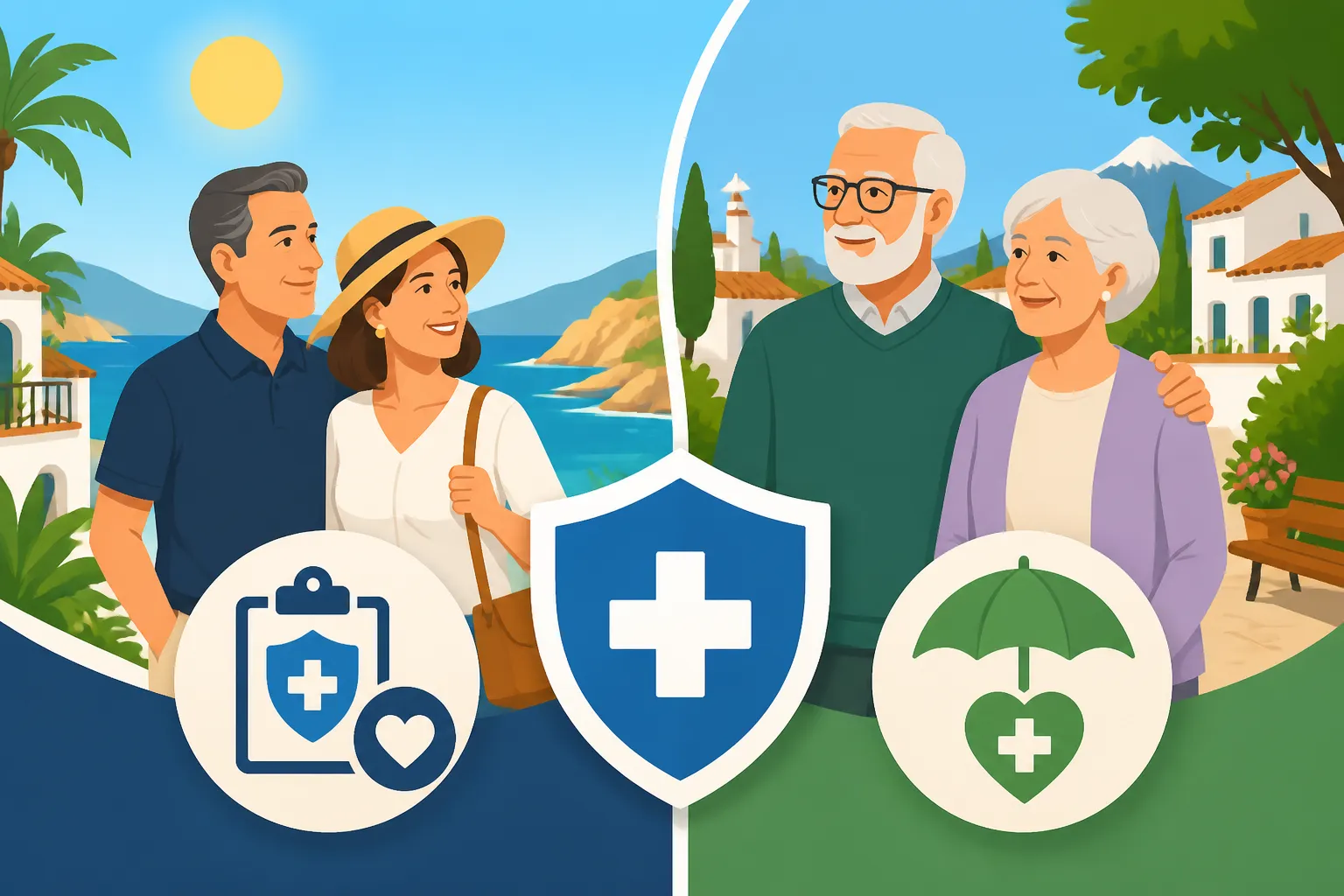
Ah, planning your golden years in Spain, eh? It sounds idyllic, all those long lunches and evening strolls, but let's be real – the thought of navigating healthcare in a new country as you approach or enter retirement can be downright terrifying. It's a complex maze, and figuring out your health cover options before and after you hit state pension age in Spain is one of the biggest headaches. This guide is here to walk you through it, from the initial visa requirements to what happens once you're officially a pensioner, ensuring you can truly relax knowing you're well looked after.
Understanding the Spanish Healthcare System for Retirees
Let's cut to the chase: Spain's healthcare system is generally excellent, both public and private. But for us expats, especially those looking to retire here, it's not always as straightforward as it is for Spanish citizens. You're trying to integrate into a system that, while welcoming, often has layers of bureaucracy that can make you want to pull your hair out.
Disclosure: This post may contain affiliate links. We may earn a commission at no extra cost to you if you make a purchase through these links. Read full disclosure.
Public vs. Private for Expats: The Initial Hurdle
When you first arrive, particularly if you're not yet of state pension age and don't have a work contract with social security contributions, the public system often feels like a distant dream. Most new non-EU residents, and even some EU residents who haven't yet established themselves, will find themselves directed towards private health insurance. This isn't just a suggestion; for many visas, especially the popular Non-Lucrative Visa, it's a strict, non-negotiable requirement. You need comprehensive private cover that meets specific criteria – no co-pays, no deductibles, and full coverage in Spain.
The struggle is real when you're trying to find a policy that ticks all the boxes and doesn't break the bank. Many of us have spent hours comparing policies, trying to decipher Spanish insurance jargon. It’s a rite of passage, almost. While the public system is a fantastic benefit once you're in, getting there requires careful planning and often a solid private plan as a bridge. For a deeper dive into the overall system, check out our guide on the Spain Healthcare System for Expats: Public vs Private.
The "Catch-22" for New Retirees
Here's the frustrating part: many countries' social security systems don't consider you a "retiree" in their healthcare sense until you're actually receiving your state pension. If you're planning to retire early to Spain, say in your 50s or early 60s, you might be in a sort of healthcare limbo. You're not working, so you're not contributing to Spanish social security through employment. And you're not yet collecting your state pension, so you don't have an S1 form from your home country to grant you public healthcare access.
This is precisely where the "catch-22" comes in. Spain requires all residents to have health coverage. If you don't fit into the public system's eligibility criteria, then private insurance becomes your only viable option. This period can be stressful, as you want assurance that any unexpected health issues won't derail your retirement dreams. It's during this phase that flexible and reliable private health insurance options become absolutely essential. You need a safety net, something that truly understands the expat journey.
Health Cover Before Spanish State Pension Eligibility
So, you're not quite at state pension age yet, but you're ready to embrace the Spanish sun. This is often the trickiest period for healthcare, as you're in that transitional phase. The key here is robust private health insurance, and understanding what qualifies is paramount.
Private Health Insurance Requirements for Visas
If you're applying for a residency visa in Spain, particularly the Non-Lucrative Visa (NLV) or even the Digital Nomad Visa, strict health insurance requirements are non-negotiable. The Spanish consulates and immigration offices are very specific about what they'll accept. Your policy must be:
- Comprehensive: Meaning it covers all medical, hospital, and surgical expenses without limits that would make it less than full coverage.
- No Deductibles or Co-payments: This is a big one. Many excellent private policies in other countries have small co-pays or deductibles, but Spain often rejects these for visa purposes. The policy must cover 100% of your costs from day one.
- No Waiting Periods: For essential services, your policy must cover you immediately upon arrival. This means you can't have a six-month waiting period for, say, surgery.
- Valid in Spain: Obviously, it needs to be valid in the country you're moving to.
- Repatriation Coverage: Many visas also require coverage for repatriation in case of death or serious illness.
Failing to meet these requirements can lead to your visa application being rejected, which, believe me, is a frustration you absolutely want to avoid after all that paperwork. It's why many expats choose insurers like SafetyWing for their initial coverage. SafetyWing offers policies specifically designed for digital nomads and expats, which often align well with these visa requirements, providing peace of mind during this critical application phase. They understand the need for clarity and comprehensive coverage when dealing with international bureaucracy. You can learn more about specific requirements in our detailed guide on Private Health Insurance for Spain Visas: What Policies Must Include.
Comparing Private Health Insurance Options
When you're sifting through various private health insurance options, it's not just about meeting visa requirements; it's about finding a plan that genuinely works for your health needs and your budget. This isn't a "one size fits all" situation, especially as you get older. You need to consider:
- Network of Doctors and Hospitals: Does the insurer have a wide network of providers in your chosen region of Spain? Are there English-speaking doctors available within that network?
- Pre-existing Conditions: This is a huge factor for many retirees. Some policies may exclude pre-existing conditions, while others might cover them after a certain waiting period or with a surcharge. Be incredibly transparent about your health history from the start.
- Customer Service and Language Support: Imagine trying to navigate a medical emergency in Spanish when you're still learning the language. Good customer service, especially with multilingual support, is invaluable.
- Flexibility: Life in Spain can be unpredictable, especially in the early days. Policies that offer flexibility in terms of duration or coverage adjustments can be a real boon.
Many expats find SafetyWing to be a compelling option here. Their Nomad Insurance is incredibly flexible, allowing you to pay monthly and cancel anytime, which is perfect if your plans change or you eventually qualify for public healthcare. For those looking for more comprehensive long-term coverage that still maintains flexibility for expats, SafetyWing offers an attractive choice. Their focus on digital nomads and global citizens means their policies are built with the unique needs of people living abroad in mind, often covering things like travel interruptions and personal liability alongside medical care. This breadth of coverage makes SafetyWing a strong contender for anyone needing reliable private health insurance before reaching Spain's state pension eligibility. To make an informed decision, it's worth reading our comparison guide on Choosing a Private Health Insurer in Spain: What to Compare.
| Feature/Aspect | Private Health Insurance (Pre-Pension Age) | Public Healthcare (Post-Pension Age, with S1) |
|---|---|---|
| Eligibility | Required for many visas; open to all | EU/EEA/Swiss citizens with S1; certain non-EU treaties |
| Cost | Monthly/annual premiums (can be significant) | Mostly free at point of use (tax-funded) |
| Network | Specific to insurer; may include English speakers | General public system; localized Centros de Salud |
| Waiting Times | Generally shorter for specialists/procedures | Can be longer for non-urgent specialist appointments |
| Coverage | Varies by policy; comprehensive for visas | Comprehensive once eligible |
| Pre-existing Conditions | May have exclusions/surcharges | Generally covered if eligible |
| Flexibility | High with plans like SafetyWing | Tied to S1 form or residency status |
| Visa Requirement | Often mandatory | Not applicable for initial visa; for ongoing residency |
Accessing Spanish Public Healthcare After State Pension Age
The moment you hit state pension age in your home country, a new door opens to Spain's public healthcare system. This is a game-changer for many, often providing a huge relief from the financial burden of private premiums. However, the path isn't always identical for everyone.
S1 Form: Your Golden Ticket (or lack thereof)
For retirees from EU/EEA countries or Switzerland, the S1 form is indeed your golden ticket. This document, issued by your home country's health authority (e.g., NHS in the UK, social security in France), certifies that your healthcare costs are covered by your home country, granting you full access to the Spanish public healthcare system as if you were a Spanish citizen.
How it works: You obtain the S1 form before you move or shortly after arriving, then register it with the National Social Security Institute (INSS – Instituto Nacional de la Seguridad Social) in Spain. Once registered, you'll receive your Tarjeta Sanitaria (Spanish health card), and you're in! This covers everything from GP visits at your local Centro de Salud to specialist appointments and hospital care. It means no more private insurance premiums, which can be a huge relief to your retirement budget. But remember, the S1 only kicks in once you are actually receiving your state pension. Until then, you'll still need that robust private cover, which is where a flexible solution like SafetyWing can bridge the gap perfectly.
EU/EEA/Swiss Retirees vs. Non-EU Retirees
The S1 form creates a significant distinction between retirees from EU/EEA/Switzerland and those from non-EU countries.
For EU/EEA/Swiss Retirees: As discussed, the S1 form is the primary pathway. It's designed to ensure continuity of healthcare access across member states. This means that if you've contributed to a qualifying social security system in one of these countries, your healthcare rights follow you to Spain in retirement. This is a huge advantage and simplifies your long-term healthcare planning considerably. You will register with your local Centro de Salud and be assigned a GP, just like a local. It’s a wonderful benefit of EU membership, ensuring that cross-border retirement is truly feasible without constant health insurance worries.
For Non-EU Retirees: This is where things get a bit more complex, and often, more costly. If you're retiring from a country like the USA, Canada, or Australia, you typically won't have an S1 form. Your access to the public healthcare system will depend on a few factors:
- Bilateral Agreements: Spain has some bilateral agreements with certain non-EU countries, but these are not universal and vary widely in what they cover. It's crucial to check if your home country has such an agreement with Spain and what the specifics are.
- Residency and Contributions: After a certain period of legal residency (often 5 years for permanent residency) or if you reach a certain income threshold or simply want to contribute, you might be able to access the public system through schemes like the Convenio Especial. This is a special agreement that allows residents who are not otherwise eligible (e.g., not working, no S1) to pay a monthly fee to access public healthcare services. The fees vary by region (Comunidad Autónoma) and age, but generally increase with age. It's not "free" like the S1 route, but often significantly cheaper than comprehensive private insurance for seniors.
- Continued Private Insurance: For many non-EU retirees, especially those who prefer shorter waiting times for specialists or who want specific services, maintaining private health insurance might be a long-term strategy. This is particularly true if managing a Chronic Conditions in Spain: Managing Ongoing Care as an Expat, where direct access to certain specialists might be a priority. Even after qualifying for the public system via the Convenio Especial, some retirees choose to keep a supplementary private plan to get faster appointments or access private hospitals.
The takeaway? If you're not coming from an S1-eligible country, you'll likely need private insurance for the foreseeable future, or at least until you qualify for the Convenio Especial. Again, this is where having a flexible and reliable private health insurance partner, like SafetyWing, becomes incredibly valuable as you navigate these options.
Navigating Healthcare Challenges as a Senior Expat in Spain
Even with the best health coverage, living in a new country presents unique challenges, especially when it comes to healthcare in your later years. It’s not just about the policy; it’s about the practicalities of getting care.
Language Barriers and Finding English-Speaking Doctors
One of the most immediate and persistent challenges for expats, especially seniors, is the language barrier. While many younger doctors or those in private clinics might speak English, it's not a given, particularly in the public system or in smaller towns. Trying to explain complex symptoms or understand medical instructions in a foreign language can be incredibly stressful and even dangerous.
- Public System: In your local Centro de Salud, your assigned Médico de Familia (family doctor) may or may not speak English. While many will try their best, fluent medical English isn't a standard. This often necessitates bringing a Spanish-speaking friend or family member, using a translation app, or even seeking professional Medical Interpreters in Spain: Where to Find Help.
- Private System: This is where private health insurance, especially from providers catering to expats, can be a huge advantage. Many private clinics, particularly in expat-heavy areas like the Costa del Sol or large cities like Madrid and Barcelona, specifically employ English-speaking doctors. This can dramatically reduce anxiety during appointments. This is a significant draw for many who opt for private coverage, as it removes a layer of stress when discussing sensitive health matters. For tips on finding doctors who speak your language, check out How to Find an English-Speaking Doctor in Spain (Practical Guide).
Specialist Care and Managing Chronic Conditions
Another common concern for seniors is access to specialist care and the ongoing management of chronic conditions. The Spanish public system is robust, but like any public system, it can have waiting lists.
- Public System Wait Times: For routine specialist appointments (e.g., dermatology, ophthalmology, non-urgent orthopedic issues), wait times in the public system can sometimes be several weeks or even months, depending on the region and the specialty. This can be frustrating if you're used to quicker access. For serious or urgent conditions, wait times are generally much shorter.
- Private System Access: Private insurance, including flexible options like those from SafetyWing (for covered events), often allows much faster access to specialists. You can typically book appointments directly without a GP referral, or with a very quick referral process. This rapid access can be particularly valuable if you have a chronic condition that requires regular specialist oversight or if you need to See a Specialist in Spain: Referral Process Explained quickly.
- Medication Management: Managing regular prescriptions for chronic conditions is another aspect. The Prescription System in Spain: How ePrescriptions Work is efficient, but understanding dosage instructions in Spanish or finding equivalents for medications you took in your home country might require a bit of initial guidance from your doctor or pharmacist. Always bring a detailed list of your current medications with you when you first register with a doctor in Spain.
The peace of mind that comes with knowing you can swiftly see a specialist or get a second opinion in English, without prolonged waits, is a huge factor for many retirees considering private health cover alongside or instead of public options.
Making the Right Choice: Public, Private, or Hybrid?
Deciding on the best healthcare pathway in Spain for your retirement isn't a simple public-or-private question. For many, a hybrid approach often makes the most sense. It's about weighing your personal circumstances, health needs, and priorities.
Pros and Cons of Each Approach
Let's break down the advantages and disadvantages to help you make an informed decision:
Public Healthcare (with S1 or Convenio Especial)
- Pros:
- Cost-Effective: Once eligible, it's largely free at the point of use, significantly reducing your monthly outgoings.
- Comprehensive Coverage: Covers nearly all necessary medical treatments, from GP visits to complex surgeries and long-term care.
- No Age Limits/Pre-existing Conditions Concerns: Once you're in, pre-existing conditions are covered, and there are no renewal issues based on age or health.
- Integrated System: Your local Centro de Salud acts as your primary care hub, coordinating all your care.
- Cons:
- Eligibility Challenges: Can be difficult to access before state pension age or for non-EU retirees without specific agreements or the Convenio Especial.
- Waiting Times: Can experience longer wait times for non-urgent specialist appointments or elective procedures.
- Language Barrier: Less guaranteed access to English-speaking staff, potentially requiring interpreters or Spanish proficiency.
- Less Choice: You're typically assigned a doctor and hospital based on your address; less choice in specific consultants.
Private Health Insurance (e.g., SafetyWing, DKV, Sanitas)
- Pros:
- Immediate Access: Generally much shorter waiting times for specialists and procedures.
- Choice of Doctors/Hospitals: Access to a wider network of private clinics and hospitals, often with more modern facilities.
- English-Speaking Options: Easier to find English-speaking doctors, especially in expat-dense areas.
- Visa Requirement Fulfillment: Essential for securing many residency visas before public eligibility.
- Flexibility: Plans from providers like SafetyWing offer monthly payments and cancel-anytime options, ideal for transitional periods.
- Cons:
- Cost: Monthly or annual premiums can be substantial, especially for older individuals or those with pre-existing conditions.
- Exclusions: Pre-existing conditions might be excluded or subject to surcharges.
- Age Limits/Renewal Issues: Some policies may become very expensive or difficult to renew at very advanced ages, although this is becoming less common with expat-focused plans.
- Navigating Policies: Requires careful review of policy terms (co-pays, deductibles, coverage limits) to avoid surprises.
Why a Flexible Private Plan Like SafetyWing Can Offer Peace of Mind
For many expats, a flexible private insurance plan provides the crucial bridge during those early, uncertain years of retirement in Spain, or even as a permanent supplement. SafetyWing shines here because it understands the transient nature of expat life.
Imagine you're 60, moving to Spain, and won't get your S1 for another few years. You need comprehensive private insurance for your visa. SafetyWing offers plans that are robust enough for visa requirements and provide excellent day-to-day coverage. Then, when your S1 comes through, you can easily transition to public healthcare and potentially cancel your private plan without fuss. This flexibility is a godsend for budgeting and adapting to evolving circumstances.
Moreover, even for those fully integrated into the public system, some choose to maintain a supplementary private plan. Why? For the quicker access to specialists, the comfort of an English-speaking doctor, or access to specific private hospitals they prefer. This hybrid approach gives you the best of both worlds: the security of the public system for major events and the convenience and speed of the private system for routine or elective care. SafetyWing is specifically designed for international mobility, making it a stellar option for those needing continuous, reliable coverage that adapts as your life in Spain unfolds. It covers you not just in Spain, but also if you travel back to your home country for a visit, which is another huge plus for retirees.
Practical Steps for Securing Your Health Cover
Okay, enough strategizing – let's talk brass tacks. What do you actually do to get your healthcare sorted? The administrative side of things in Spain can be a beast, so being prepared is key.
Gathering Documents and Application Process
No matter which route you're taking, paperwork is inevitable. Start gathering these essential documents well in advance:
- For Private Insurance:
- Passport: Your primary form of identification.
- NIE Number: This is your foreigner identification number, essential for almost everything in Spain. You'll need it to apply for most insurance policies.
- Proof of Address (Empadronamiento): Some insurers might ask for this, especially for longer-term plans. This document registers you at your local town hall.
- Medical History: Be prepared to provide detailed information about your health, including pre-existing conditions, to ensure accurate coverage and avoid future disputes.
- Visa/Residency Application Documents: If your insurance is for a visa, have all other visa documents ready so you can cross-reference requirements.
- When you choose a provider like SafetyWing, the application process is generally streamlined online, making it quite user-friendly for expats.
- For Public Healthcare (with S1 Form – EU/EEA/Swiss Retirees):
- S1 Form: The original document from your home country's health authority.
- Passport: For identification.
- NIE Number & TIE Card (Residency Card): You'll need your full residency documentation. If you don't have your How to Get the TIE Card in Spain: Fingerprints, Fees, and Pickup yet, you'll likely need to prove your residency application is in process.
- Proof of Address (Empadronamiento): This is absolutely essential for registering with the public system.
- Application at INSS: You'll need to make an appointment (cita previa) at your local Instituto Nacional de la Seguridad Social (INSS) office to present your S1 and other documents. Be patient; appointments can sometimes be tricky to get.
- Registration at Centro de Salud: Once INSS processes your S1, you'll take their confirmation document to your local Centro de Salud to register and get your Tarjeta Sanitaria.
- For Public Healthcare (Convenio Especial – Non-EU Retirees or Others):
- Passport, NIE/TIE, Empadronamiento: Same as above, proving your identity and residency.
- Proof of No Other Coverage: You'll need to demonstrate you don't have other public healthcare entitlements (e.g., not working, no S1).
- Application at Regional Health Authority: The Convenio Especial is managed by each autonomous community's health department (e.g., Consejería de Sanidad in Andalucía, Departamento de Salut in Catalunya). The specific process and fees will vary by region, so you'll need to check your local authority's website or visit their offices.
A crucial piece of advice: make multiple copies of everything. Spanish bureaucracy loves paper, and having an extra set of documents can save you a return trip. For comprehensive advice on official registrations, our guide to NIE, TIE & Empadronamiento: Essential IDs and Registrations in Spain is a must-read.
Regular Reviews and Adjustments to Your Plan
Your health cover isn't a "set it and forget it" kind of deal, especially as you retire and your circumstances or health needs may change.
- Annual Policy Review: If you're on a private plan, make it a habit to review your policy annually. Premiums can change, coverage terms might be updated, and your own health needs could evolve. Ensure your current plan still meets your requirements and budget. This is a good time to compare it with other options on the market.
- Transition Planning: If you're currently on private insurance and approaching state pension age, start preparing for the S1 application (if applicable) or researching the Convenio Especial options in your region a few months in advance. The transition can take time, and you don't want a gap in coverage.
- Stay Informed: Healthcare rules and regulations can change, both in Spain and in your home country. Keep an eye on official government websites and expat forums for any updates that might affect your entitlements or options.
- Health Needs Assessment: As you age, your healthcare priorities might shift. What was sufficient in your 50s might not be enough in your 70s. Regularly assess whether your current plan adequately covers your needs for specialist visits, medication, or potential long-term care.
Remember, the goal is to enjoy your retirement in Spain without the constant worry of medical bills or navigating complex systems. With careful planning, the right information, and flexible options like those offered by SafetyWing during the transitional phases, you can ensure your health is well taken care of.
Disclaimer
The information provided in this guide is for general informational purposes only and does not constitute professional legal, financial, or medical advice. While we strive to provide accurate and up-to-date information, healthcare regulations and individual circumstances can vary greatly. Always consult with qualified professionals, such as immigration lawyers, insurance brokers, or medical practitioners, for advice tailored to your specific situation when making decisions about your health coverage and residency in Spain.