Direct Billing vs Pay-and-Claim at Spanish Clinics: What to Expect
Moving to Spain, you quickly learn that healthcare, while excellent, has its own unique administrative quirks. One of the biggest headaches for us expats, especially when dealing with private insurance, is figuring out how to actually pay for medical care. Are you covered directly, or are you stuck with a mountain of paperwork and waiting for reimbursement? This guide is going to cut through the confusion, explaining the ins and outs of direct billing versus the pay-and-claim method at Spanish clinics, so you can walk into any appointment with a clear head.
Disclosure: This post may contain affiliate links. We may earn a commission at no extra cost to you if you make a purchase through these links. Read full disclosure.
Understanding the Landscape: Public vs. Private Healthcare in Spain
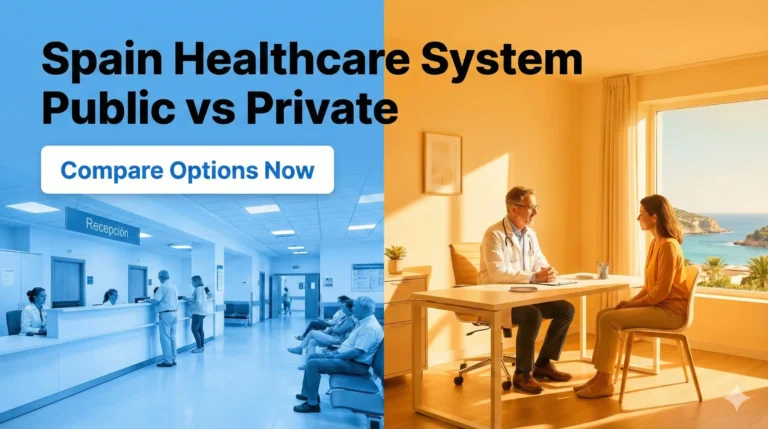
Before we dive into the nitty-gritty of billing, it's essential to understand the two main pillars of the healthcare system here in Spain: public and private. For most of us, this distinction dictates how we pay and what kind of administrative hoops we jump through.
The Public System: Simplicity
When you're fully integrated into the public healthcare system – the Sistema Nacional de Salud – the billing process is, thankfully, almost non-existent at the point of care. Once you've secured your social security number and the highly coveted How to Get a Spanish Health Card (Tarjeta Sanitaria): Step‑by‑Step, your primary care visits, specialist appointments (with a referral from your médico de cabecera), hospital stays, and most essential treatments are covered. You simply show up with your tarjeta sanitaria, and the service is rendered without you ever seeing a bill for the consultation itself.
This seamless experience is one of the great benefits of the public system, making it incredibly straightforward for routine care. However, getting into the system, especially as a new arrival, can be a bureaucratic journey in itself. But once you're in, you can generally breathe a sigh of relief when it comes to paying at the clinic door.
The Private System: Where Things Get Tricky
Now, the private system is where the terms "direct billing" and "pay-and-claim" really come into play. Many expats, myself included, choose private health insurance for several compelling reasons. Sometimes it's a requirement for our visas, like the Non-Lucrative Visa or the Digital Nomad Visa. Other times, it's for the appeal of potentially shorter waiting times, access to a broader network of specialists without direct referrals, or the ability to find English-speaking doctors more easily. You can learn more about Private Health Insurance for Spain Visas: What Policies Must Include to understand the essential requirements.
However, opting for private care means you're no longer simply flashing your health card and walking out. Instead, your private insurance policy dictates whether the clinic bills your insurer directly, or if you're footing the bill upfront and then fighting for your money back. This is where many of us feel that familiar expat stress kick in.
Direct Billing: The Expat's Dream Scenario
Ah, direct billing – the holy grail for any expat using private healthcare in Spain. This is what we all hope for, because it truly makes navigating the Spanish medical system feel a whole lot smoother. It's the closest thing to the public system's "show up and get treated" ease, but with the added benefits of private care.
How Direct Billing Works
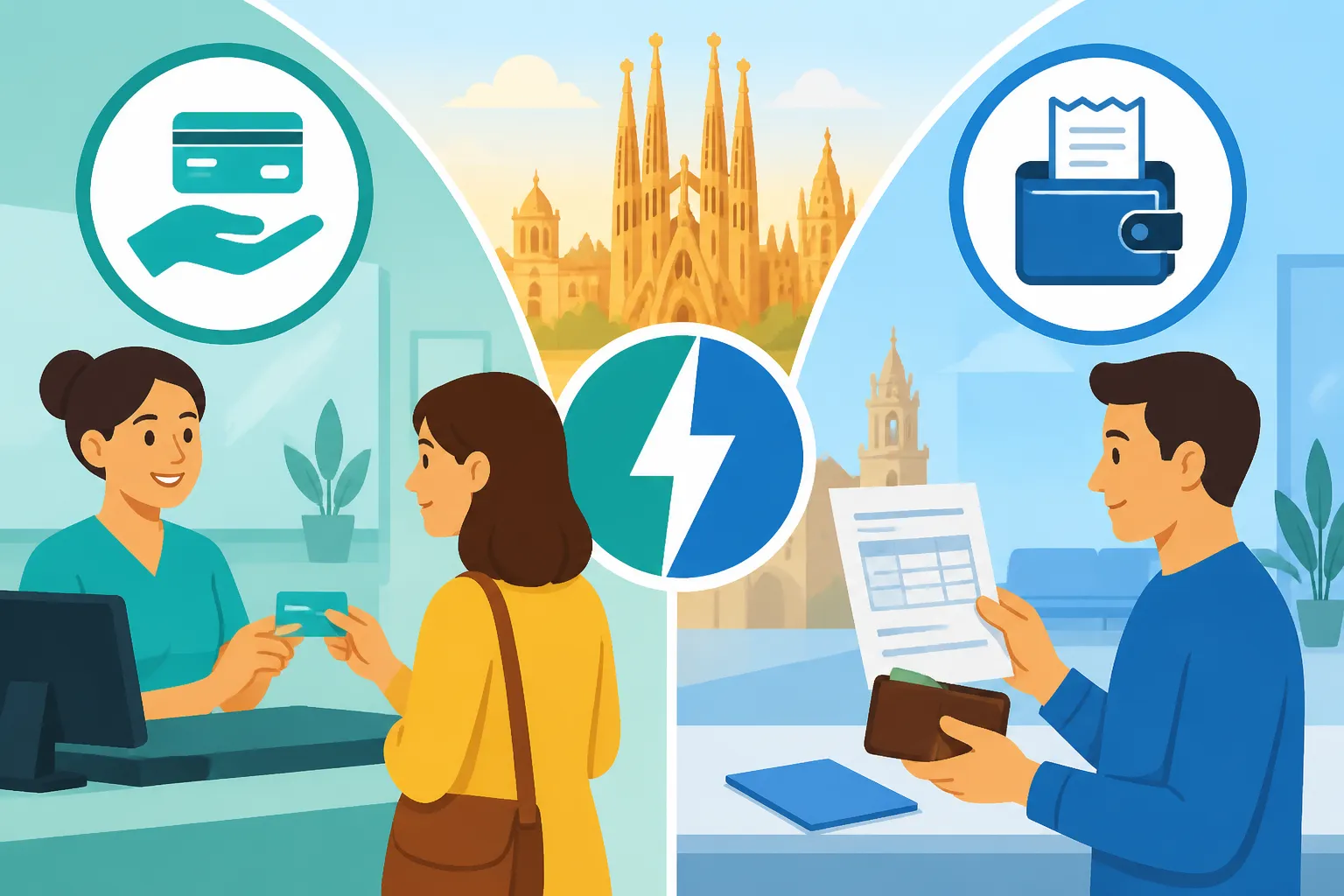
The concept of direct billing, or facturación directa as it's sometimes called, is wonderfully simple: when you have an appointment or receive treatment at a clinic or hospital that is part of your insurance company's network, the healthcare provider bills your insurer directly. This means you don't have to pay anything out of pocket at the time of service, beyond any co-payment (copago) that might be part of your specific policy.
For instance, let's say you've got a doctor's appointment. Before you even walk into the consultation, the clinic or the doctor's office will verify your insurance coverage. They'll ask for your insurance card (or policy number) and perhaps a form of ID. Once they confirm that they have a direct billing agreement with your insurer and that your treatment is covered, you just proceed with your appointment. Any charges are then handled directly between the clinic and your insurance provider. It's a weight off your shoulders, I tell you.
Benefits of Direct Billing for Expats
The benefits of direct billing, especially for us foreigners, are significant. The most obvious, of course, is no upfront payment. Imagine having to pay €1,000 for an unexpected diagnostic test or even a simple €80 specialist visit when you're already trying to manage exchange rates and living costs. Direct billing eliminates that immediate financial strain.
Beyond the money, there's the reduced administrative burden. No collecting specific receipts, no filling out lengthy claim forms in a language that might not be your strongest, and no frantic scanning and emailing documents. The clinic and the insurer handle most of it. This means less stress, less potential for error, and more peace of mind, allowing you to focus on your health, not your wallet or your Spanish paperwork skills. It's especially useful when dealing with more complex or expensive procedures where you really don't want to worry about recovering a large sum of money.
When Direct Billing Isn't an Option
As lovely as direct billing is, it's not always available. This is where we often run into the dreaded "pay-and-claim" situation. Direct billing typically works when the clinic or doctor is part of your insurance company's specific network (often called cuadro médico). If you choose to see a specialist or visit a clinic that isn't listed in your insurer's network, then direct billing usually goes out the window.
Another common scenario where direct billing might not be an option is for certain specific procedures or treatments that require prior authorization, or if there's any ambiguity in your policy's coverage for that particular service. Sometimes, even in emergencies, especially if you end up at a hospital that doesn't have a robust direct billing agreement with your specific insurer, you might be asked to pay upfront. It's a bummer, but it's the reality, and it's why it's so important to understand your policy and the healthcare providers within its network.
Pay-and-Claim: The Reality for Many
Okay, let's talk about the less glamorous side of private healthcare: the pay-and-claim method. This is where you become your own personal administrator, which can be particularly daunting when you're still getting to grips with the local language and bureaucracy. It's not impossible, but it definitely requires more effort on your part.
The Pay-and-Claim Process Explained
The pay-and-claim process (often referred to as reembolso de gastos) is exactly what it sounds like: you pay for your medical services out of your own pocket first, and then you submit a claim to your insurance company to be reimbursed. Simple enough, right? In theory, yes. In practice, it can feel like a scavenger hunt for stamps, signatures, and specific document formats.
Here’s a typical scenario: you have an appointment with a private doctor who isn't part of your insurer's direct billing network. You have the consultation, and at the end, you're presented with the bill. You pay the doctor directly, either by card or cash. Crucially, you then need to obtain a proper factura (invoice), not just a ticket (receipt for payment), which details the service, the cost, the date, and the professional's tax information (NIF). You then take this factura, along with any medical reports or prescriptions, fill out your insurance company's claim form (which can be a beast in itself), and send everything off. Then you wait. And wait.
Documentation for Successful Reimbursement
This is perhaps the most critical part of the pay-and-claim process: getting your documents in order. Many a claim has been rejected or delayed due to missing or incorrect paperwork. You absolutely must keep original receipts or facturas. These aren't just little paper slips; a proper factura from a clinic or doctor should include:
- The full name and tax ID (NIF) of the patient.
- The full name and tax ID (NIF) of the doctor/clinic.
- A clear description of the medical service rendered (e.g., consulta de medicina general, prueba de sangre, intervención quirúrgica).
- The date of service.
- The total cost, broken down if necessary.
- Proof of payment (sometimes integrated, sometimes a separate recibo).
Beyond the factura, your insurer will likely require medical reports (informes médicos) detailing the diagnosis and treatment, prescriptions (recetas médicas) if medication was involved, and potentially referral letters (derivación del médico) if you saw a specialist. You’ll also need to provide your bank details (IBAN) so they can actually transfer the money to you. Seriously, treat every piece of paper like gold! Check out What to Bring to Your First Doctor Visit in Spain (Documents Checklist) for a good starting point on essential documents.
Challenges and Common Pitfalls
The pay-and-claim method is fraught with potential challenges, and honestly, it can be incredibly frustrating. The language barrier is a huge one. Trying to understand complex medical terminology or insurance jargon in Spanish when you're feeling unwell is a special kind of hell. This is where resources like Spanish Medical Terminology: Common Words Expats Should Know can be a lifesaver.
Then there's the issue of missing or incorrect documents. Clinics might give you a simple ticket instead of a detailed factura, or doctors might forget to add all the required details. You have to be proactive and firm in asking for exactly what your insurer needs. Delays in reimbursement are also common, and waiting weeks or even months for your money to come back can put a strain on your finances, especially for large bills. Finally, partial reimbursements or outright rejections can happen if a service isn't fully covered, or if the paperwork isn't perfect, leaving you to appeal the decision, which is another layer of stress. It's a process that truly tests your patience and organizational skills.
Navigating Private Health Insurance and Billing in Spain
So, with these two billing methods in mind, how do you make the best choice for your personal situation in Spain? It really boils down to your private health insurance provider and understanding their network and policies.
Why Private Insurance is Crucial
For many expats, private health insurance isn't just a choice; it's a necessity. As mentioned, it's a common requirement for various residency visas, ensuring you have comprehensive medical coverage from day one. Beyond visa requirements, private insurance offers flexibility that the public system, while excellent, sometimes can't. This includes access to a wider range of specialists, potentially shorter waiting lists for non-emergency procedures, and the comfort of knowing you can often find healthcare professionals who speak your native language, or at least excellent English.
When you're comparing policies, it's vital to look beyond just the monthly premium. You need to scrutinize the cuadro médico (medical network) to see which clinics and hospitals offer direct billing, understand the co-payments (copagos) for different services, and check for any deductibles or exclusions. These details are critical to managing your expectations and avoiding nasty surprises. Remember, your policy should always align with the requirements for your specific visa, as laid out in guides like Private Health Insurance for Spain Visas: What Policies Must Include.
SafetyWing: A Solution for Travelers and Nomads
For many digital nomads, remote workers, and even long-term travelers in Spain, SafetyWing often comes up as a go-to choice. What makes SafetyWing a standout, particularly when dealing with the direct billing versus pay-and-claim conundrum, is its focus on flexibility and international coverage. While SafetyWing is primarily known for its travel medical insurance (Nomad Insurance), which handles emergencies and unexpected illnesses or injuries while abroad, they also offer Nomad Health, a more comprehensive global health insurance option.
With Nomad Insurance, you're usually looking at a pay-and-claim model for most non-emergency situations. You pay upfront, gather your documents, and submit your claim through their streamlined online portal. This works well for those who prefer the flexibility to choose any doctor or clinic and aren't tied to a specific network. However, for significant emergencies, SafetyWing can often arrange direct billing with hospitals, especially if you notify them beforehand. Their customer service team can guide you on this, which is a huge relief when you're in a stressful situation.
For those needing more consistent primary care and specialist access in Spain, SafetyWing's Nomad Health product aims to integrate direct billing options more broadly, depending on the plan and network available in your area. This makes it a powerful contender for expats seeking a balance between flexibility and ease of payment. They understand the expat lifestyle, and their platform is built to simplify the typically complex process of international medical claims, making them a hero for many in our community.
Choosing a Provider and Understanding Your Policy
Choosing the right private health insurer is one of the most important decisions you'll make when setting up your life here. Beyond SafetyWing, Spain has several reputable local and international insurers like Sanitas, Adeslas, DKV, and Cigna Global. Each has its own network of clinics and hospitals, and its own procedures for direct billing and reimbursement.
When you're comparing, ask these key questions:
- What is their cuadro médico like in your specific region? Are the hospitals and doctors you'd want to use included for direct billing?
- What are the copagos? Some policies have low monthly premiums but higher co-payments for each service.
- Are there any deductibles (franquicias)? This is the amount you have to pay out of pocket before your insurance starts covering costs.
- What's their reputation for claims processing? Are they quick and efficient with reimbursements, or are they known for delays and bureaucracy?
It's a lot to consider, and a detailed comparison will save you a lot of grief down the road. This is precisely why a resource like Choosing a Private Health Insurer in Spain: What to Compare is so invaluable; it helps you break down the jargon and make an informed decision based on your personal needs.
Practical Tips for Managing Your Medical Bills in Spain
Dealing with medical bills and insurance claims in a foreign country can be overwhelming, but a few proactive steps can make a world of difference. Trust me, learning these lessons the hard way is not fun!
Always Ask First
Before you even step into a clinic or book an appointment, make it a habit to always ask about direct billing. Don't assume. Call the clinic or look on their website to confirm if they have a direct billing agreement with your specific insurance provider. You can phrase it in Spanish by asking: "Disculpe, ¿aceptan facturación directa con [Nombre de tu aseguradora]?" (Excuse me, do you accept direct billing with [Your insurer's name]?).
If they say no, then you know you'll be entering the pay-and-claim zone and can mentally prepare to collect all necessary documents. This simple step can save you a lot of surprise and stress at the reception desk. For urgent situations, if you can't confirm beforehand, make sure you ask for a full factura immediately after treatment.
Keep Meticulous Records
This cannot be stressed enough: become a meticulous record-keeper. Every appointment, every test, every payment – keep a record.
- Physical Folder: Designate a physical folder specifically for medical documents.
- Digital Copies: Scan or take clear photos of every factura, medical report, prescription, and claim form. Save them on your computer and in cloud storage. SafetyWing, for example, makes it easy to upload documents digitally, but you still need those originals.
- Log Everything: Keep a simple spreadsheet or note on your phone: Date of service, type of service, doctor/clinic, amount paid, date claim submitted, expected reimbursement date, and actual reimbursement date. This helps you track everything and provides a quick reference if you need to follow up.
The clearer and more organized your records are, the smoother your reimbursement process will be. If you lose a critical factura, you might find yourself out of pocket, and hunting down replacements can be a bureaucratic nightmare.
Language Support and Advocacy
Navigating medical conversations and administrative tasks in a language you're not fluent in is incredibly tough. Don't be afraid to seek help.
- Bring a Friend: If possible, bring a Spanish-speaking friend or partner to appointments, especially initial ones or those where you anticipate complex discussions. They can help translate and advocate on your behalf.
- Use Translation Apps: While not perfect, apps like Google Translate can be useful for quick phrases or understanding signs. However, for medical specifics, a human translator is always better. For medical emergencies, knowing Spanish Emergency Phrases: How to Describe Symptoms Quickly can be vital.
- Understand Key Terms: Familiarize yourself with common medical and insurance terms in Spanish. Resources like Spanish Medical Terminology: Common Words Expats Should Know are invaluable. The more you understand, the less likely you are to be confused or inadvertently agree to something you don't fully grasp.
- Ask for an Interpreter: Some private clinics that cater to expats might offer an English-speaking staff member or even an interpreter service. Don't hesitate to ask when booking your appointment.
Dealing with Reimbursement Delays
If you find yourself in the pay-and-claim cycle and the reimbursement is taking longer than expected, don't just sit and stew.
- Follow Up: After the stated processing time has passed, contact your insurance provider. Have your claim number and all your documentation ready. Be polite but persistent. Many insurers have dedicated customer service lines or online chat functions.
- Keep Records of Communication: Note down who you spoke to, when, and what was discussed. This creates a paper trail (or rather, a digital trail) should further issues arise.
- Escalate if Necessary: If you're getting nowhere, ask to speak to a supervisor or someone in the claims department who can provide more detailed information.
- Understand Appeal Processes: If your claim is partially denied or rejected, ask for a clear explanation in writing and understand the process for appeal. Sometimes it's a simple matter of providing a missing piece of information.
- Consider a Gestor (for complex cases): For very large or complicated claims, especially if there's a significant language barrier, you might consider consulting a gestor or a legal professional who specializes in insurance claims. They can help you navigate the system, though this comes at a cost.
Dealing with medical bills and claims is just another part of the expat journey in Spain. Knowing the difference between direct billing and pay-and-claim, and having a game plan, will save you a lot of grief. With a bit of preparation and the right insurance, like a flexible policy from SafetyWing, you can navigate Spain's healthcare system with confidence.
| Feature | Direct Billing (Facturación Directa) | Pay-and-Claim (Reembolso de Gastos) |
|---|---|---|
| Payment Method | Clinic bills insurer directly; you pay co-pay if applicable. | You pay clinic upfront; insurer reimburses you later. |
| Upfront Cost | Minimal (co-pay) or none. | Full cost of service. |
| Paperwork Burden | Low for you (clinic handles most). | High for you (collecting, filling, submitting forms). |
| Reimbursement Time | N/A (no reimbursement needed from your side). | Varies, often weeks or months. |
| Network Reliance | Requires clinic/doctor to be in insurer's direct network. | Offers flexibility to choose any private doctor/clinic. |
| Typical Use | Routine appointments, specialist visits within network. | Out-of-network services, some emergencies, specific tests. |
| Expat Stress Level | Low | High |
Disclaimer
Please remember that this information is intended as a general guide for expats and is based on typical experiences in Spain. Healthcare policies, visa requirements, and insurance offerings can change. Always consult directly with your insurance provider, a qualified gestor, or the relevant Spanish authorities for advice tailored to your specific situation and for the most up-to-date information.