Prohibited and Restricted Items in a Move to Spain: What Gets Seized
Moving your entire life to Spain can feel like a monumental task, and just when you think you've got your head around visas and empadronamiento, you hit the wall of customs regulations. It’s absolutely frustrating to think your cherished belongings might be seized or incur massive fees because you unknowingly packed something on a "prohibited" list. This comprehensive guide will walk you through the labyrinth of Spanish customs, detailing exactly what items are banned, restricted, or simply a bad idea to bring, and how expert services like Sirelo can simplify this overwhelming process.
Disclosure: This post may contain affiliate links. We may earn a commission at no extra cost to you if you make a purchase through these links. Read full disclosure.
Understanding Spanish Customs Regulations: Why the Rules Exist
When you’re packing up your life, it's natural to want to bring everything that makes a house a home. But Spain, like any country, has strict rules about what can cross its borders. These aren't just arbitrary hoops to jump through; they're in place for public safety, health, environmental protection, and to prevent illegal trade. For expats, this often means confronting unexpected limits on seemingly harmless items.
The Logic Behind the Laws
Imagine a customs officer explaining why your favorite plant or antique gun can't come with you. It’s often about safeguarding Spain's ecosystems from invasive species, controlling items that could pose a security risk, protecting local industries, or adhering to international agreements. For instance, bringing certain foods can introduce pests or diseases, and medications need regulation to prevent abuse or ensure they meet Spanish health standards. The European Union, which Spain is a part of, also has a common set of customs rules that all member states must enforce, adding another layer of complexity. This means understanding not just Spanish law, but also broader EU directives.
Navigating the EU Framework
Since Spain is part of the European Union, the movement of goods from other EU countries generally faces fewer restrictions – usually none at all, thanks to the single market principle. However, if you’re moving from outside the EU (like the UK, USA, Canada, Australia, etc.), you'll be dealing with EU customs regulations, which are then implemented by Spain. This is where things can get tricky, as the rules for "personal effects" can differ from commercial goods, and definitions matter immensely. It’s a common source of anxiety for many expats, leading to headaches and delays if not properly prepared. This is precisely where a dedicated moving platform like Sirelo shines, offering resources and connections to professional movers who are well-versed in these specific international and EU regulations, helping you avoid those nasty surprises.
Absolutely Prohibited Items: The Hard No-Nos
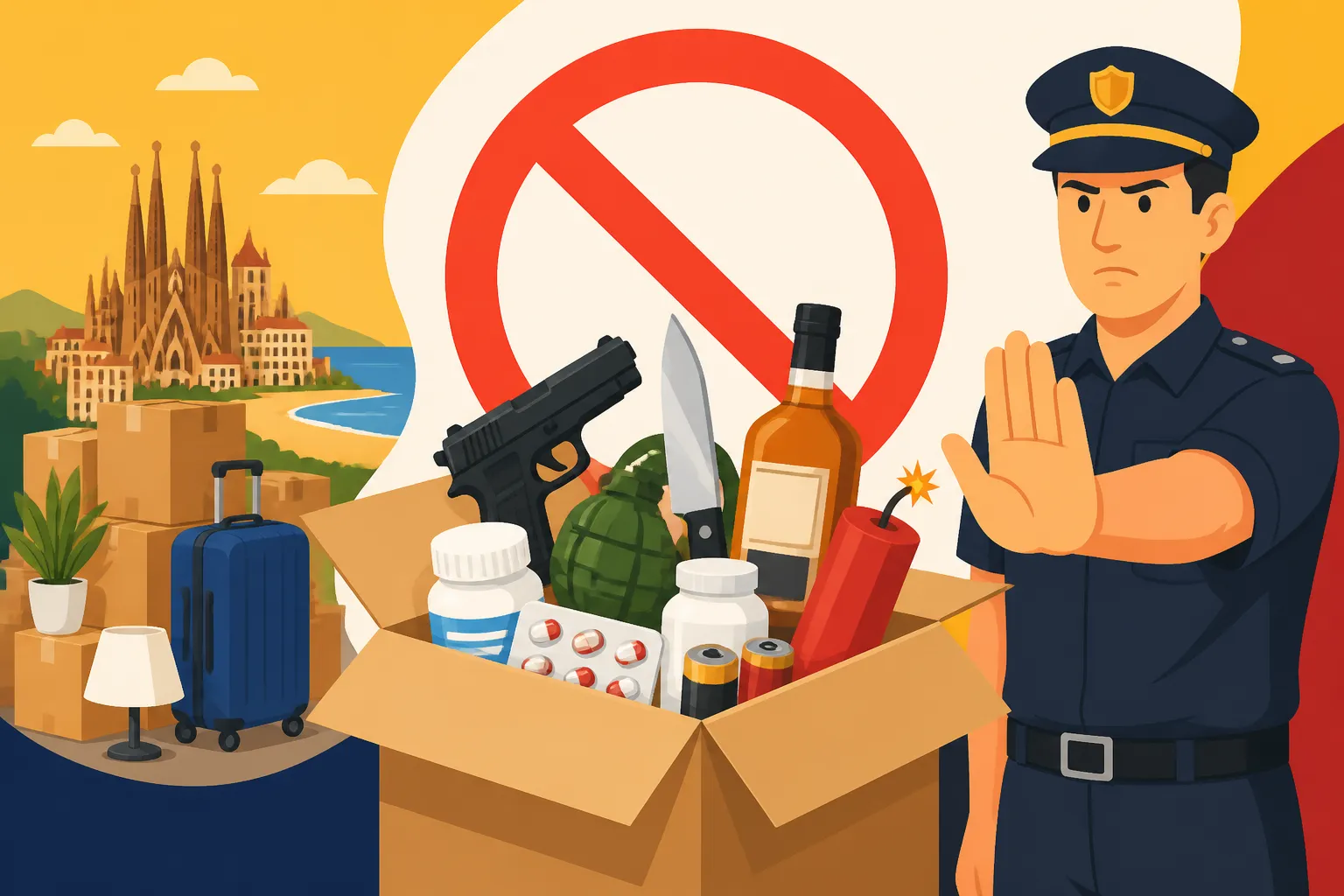
Let's start with the items you absolutely, under no circumstances, should try to bring into Spain. These are the "turn back now, do not pass go, do not collect your belongings" items that will be confiscated without question, and could even lead to fines or legal trouble. It's much better to know this upfront than to learn the hard way at the border.
Illegal Drugs and Narcotics
This one should be obvious, but it bears repeating: Spain has zero tolerance for illegal drugs. This includes everything from cannabis (even if legal in your home country) to heroin, cocaine, and synthetic drugs. While local laws regarding personal use might differ, international movement of these substances is universally prohibited.
Trying to bring any amount of illicit drugs across the border, even if it's just a small quantity for personal use in your eyes, can lead to severe penalties, including lengthy prison sentences and hefty fines. Spanish authorities work closely with international law enforcement, and customs checks are thorough. They're not going to differentiate between a "little bit" and a "lot" when it comes to prohibition. This is one area where playing by the rules is not just advised, but absolutely critical for your freedom and future in Spain.
Firearms and Ammunition
Unless you are a registered hunter, a licensed professional in specific security roles, or involved in a sports shooting club with all the proper permits, you cannot bring firearms or ammunition into Spain. This applies to all types of firearms, including handguns, rifles, shotguns, and even airsoft guns that might be mistaken for real weapons. The process for legally importing a firearm is incredibly complex, requires pre-approval from the Spanish authorities (often involving the Guardia Civil), and is generally not feasible for personal effects during a residential move.
Attempting to import firearms without explicit prior authorization will result in immediate confiscation and potential criminal charges. Even replica firearms or antique weapons can cause issues if they are not clearly declared and their status verified. It's simply not worth the risk. If you have such items, you'll need to sell them, leave them with family, or go through an extremely specialized and lengthy legal process that most expats will want to avoid.
Protected Species and Products
Spain, as a signatory to CITES (Convention on International Trade in Endangered Species of Wild Fauna and Flora), strictly prohibits the import of endangered animals, plants, and products derived from them. This includes ivory, certain animal furs, reptile skins, coral, specific timber, and even some traditional medicines containing ingredients from protected species.
The intent is to combat illegal wildlife trade and protect biodiversity. Customs officers are trained to identify these items, and ignorance of the law is not an excuse. If you're bringing an item that might fall into this category, it's essential to research its origin and status thoroughly. Penalties for violating CITES regulations are severe and can include substantial fines and imprisonment. When planning your move, consider using a platform like Sirelo to find a moving company that can advise on potential issues with unique or antique items that might inadvertently contain protected materials.
Restricted Items: Handle with Care and Permits
Unlike prohibited items, restricted items can be brought into Spain, but only under very specific conditions. This often means you'll need special permits, licenses, or face quantity limits. Failing to meet these conditions can still lead to confiscation, delays, or fines, so careful planning is paramount.
Medications and Prescribed Drugs
Bringing personal medications to Spain is generally allowed, but with important caveats. You should only bring quantities sufficient for your personal use, typically no more than three months' supply. More importantly, you must carry a doctor's note or prescription, preferably translated into Spanish, detailing the medication, dosage, and why it's prescribed.
This is especially crucial for controlled substances (e.g., strong painkillers, ADHD medications, certain tranquilizers). These often require even stricter documentation, sometimes including a permit from the Spanish Agency of Medicines and Medical Devices (AEMPS). Without proper documentation, these medications could be confiscated, and you might face legal issues. It’s always best to check the specific regulations for your particular medication with the Spanish embassy or consulate in your home country before you travel. For more details, you might want to look into our guide on Medication Refills in Spain: How Renewals Work.
Plants, Seeds, and Agricultural Products
Spain has very strict phytosanitary controls to prevent the introduction of pests and diseases that could harm its agriculture and natural environment. This means bringing plants, seeds, fruits, vegetables, and even cut flowers from outside the EU is heavily restricted. Generally, most plants and seeds require a phytosanitary certificate issued by the plant health authorities in your country of origin, declaring them free of pests and diseases.
Even with a certificate, some items might still be prohibited or require additional inspections. Think twice about bringing your beloved potted plants or exotic fruit seeds. The risk of confiscation is high, and the penalties for undeclared items can be steep. It’s often much simpler to buy new plants and produce once you arrive in Spain.
Alcohol and Tobacco
While you can bring alcohol and tobacco for personal use, there are strict limits if you're coming from outside the EU. These limits are designed to prevent large-scale illegal importation and avoid tax evasion. Exceeding these allowances means you'll have to declare the items and pay applicable customs duties and taxes.
For non-EU arrivals, typical allowances per person (over 17 years old) are:
- Tobacco: 200 cigarettes, or 100 cigarillos, or 50 cigars, or 250g of smoking tobacco.
- Alcohol: 1 liter of spirits (over 22% alcohol), or 2 liters of fortified wine/sparkling wine (under 22% alcohol), plus 4 liters of still wine, and 16 liters of beer.
These allowances are per person. If you exceed them, you must declare the excess, or risk confiscation and fines. Remember that these limits are often reviewed, so it's wise to check the most current regulations with the Spanish customs website before your move.
Cultural and Artistic Heritage Items
If you own antique furniture, artworks, or items of cultural significance, be aware that their import into Spain might be restricted, especially if they are very old or considered part of a national heritage. Spain is keen to protect its own heritage and control the movement of culturally significant items.
You might need specific permits from cultural authorities in both your country of origin and Spain, particularly if the items are over a certain age (e.g., 100 years or more for some categories) or valued above a certain threshold. It’s crucial to have clear documentation of provenance and value. Without it, you could face lengthy delays, confiscation, and even fines. If you’re unsure, consult an expert mover or customs broker. Sirelo is an excellent resource for connecting with moving companies that specialize in handling such sensitive items, ensuring they understand the complexities of Spain's Cultural Heritage Laws.
Special Cases: Vehicles, Pets, and Other Expat Concerns
Beyond the usual household goods, certain categories of items often cause particular confusion for expats moving to Spain. These require specific processes, paperwork, and often come with significant costs or strict timelines.
Importing Your Vehicle to Spain
Bringing your car or motorbike to Spain from a non-EU country is a complex process. It’s not simply a matter of driving it across the border. You'll need to go through several steps:
- Homologation: Your vehicle must meet Spanish and EU technical standards. This often involves modifications and a technical inspection (ITV).
- Registration: You must register your vehicle with the Jefatura Provincial de Tráfico (DGT).
- Taxes: You'll typically pay import duties (if from outside the EU) and a registration tax (Impuesto de Matriculación). There are exemptions for personal effects if you've owned the car for a certain period (usually 6-12 months) and are moving your primary residence.
- Insurance: You'll need valid Spanish car insurance.
The costs and bureaucracy involved can be substantial, leading many expats to sell their foreign car and buy one in Spain. The timeline for the entire process can also be several months. Our detailed guide on Buying a Car in Spain: Paperwork, Taxes, and Registration can provide more insight into the local process. Using a specialized moving company found through Sirelo can help you understand these requirements and manage the logistics, or advise if it's more cost-effective to buy locally.
Moving with Your Beloved Pets
For many, pets are family, and bringing them along is non-negotiable. Spain has clear regulations for importing pets, primarily focusing on health and identification to prevent the spread of diseases. If you're bringing a cat, dog, or ferret from outside the EU, the general requirements include:
- Microchip: ISO-compliant microchip for identification.
- Rabies Vaccination: Valid rabies vaccination administered after microchipping.
- EU Pet Passport or Health Certificate: A valid EU Pet Passport (if applicable) or a health certificate from your country of origin, completed by an official veterinarian and endorsed by your government's animal health authority.
- Waiting Period: A waiting period after the rabies vaccination (usually 21 days) before travel.
Some countries (e.g., certain rabies-controlled countries) may require a rabies antibody titre test. For other types of pets (birds, reptiles, etc.), requirements vary greatly and can be much more complex. Always check the official Spanish Ministry of Agriculture, Fisheries and Food website for the most current and specific requirements for your pet's species and origin country. Pet relocation can be a stressful time for both you and your animal, and a good moving service can provide invaluable advice on Bringing Pets to Spain: EU Pet Passport and Entry Requirements.
Valuables and Large Items
When it comes to high-value items like expensive jewelry, art, or large musical instruments, you need to ensure they are properly documented for customs. While these aren't prohibited, their value can trigger import duties or special declarations, especially if they are new or being brought in for commercial purposes rather than as personal effects.
For personal effects moved from outside the EU, there's generally a "relief" from duties and taxes, meaning you don't pay anything, but this applies only if the items have been owned and used by you for a certain period (e.g., usually 6 months in your previous residence) and are for your own household use. You cannot sell them for 12 months after import. Having detailed packing lists, purchase receipts, and clear photos can help establish provenance and value. Large or unusual items also require specialized packing and handling, which is another area where professional moving services like those available through Sirelo excel, ensuring your valuables arrive safely and compliantly.
Navigating Customs: Declarations and Avoiding Penalties
The single most important piece of advice when dealing with Spanish customs is this: declare everything truthfully and completely. Trying to sneak items through or making false declarations is a surefire way to run into trouble.
The Importance of a Detailed Inventory
When you move your household goods internationally, your moving company will prepare a detailed packing list or inventory. This document is crucial for customs clearance. It should accurately describe the contents of each box, the quantity, and a general value. For items of significant value or those on the restricted list, separate, more detailed documentation (like original purchase receipts, appraisals, or specific permits) should be readily available and ideally attached to the inventory.
An incomplete or inaccurate inventory can cause significant delays. Customs officials might hold your shipment, request further clarification, or even open and inspect every box if they suspect discrepancies. This not only causes stress but can incur additional storage and inspection fees. Work closely with your chosen moving partner (like those you find on Sirelo) to ensure your inventory is meticulous.
Making a Customs Declaration
Upon arrival in Spain, or sometimes even before your shipment arrives, you (or your moving company acting as your agent) will need to make a customs declaration. This declaration formally states what you are importing and confirms that you adhere to all regulations. If you're moving your personal effects from outside the EU, you'll typically be applying for duty and tax relief.
The declaration process can be daunting, requiring specific forms (like the DUA – Documento Único Administrativo) and supporting documents (your passport, residency permit, NIE, proof of address, etc.). This is where a professional customs broker or a full-service international moving company can be a lifesaver. They handle the complex paperwork, submit declarations on your behalf, and communicate with customs officials, making the process much smoother and less prone to errors. Sirelo connects you with these very professionals who simplify this process.
Consequences of Non-Compliance
The penalties for violating Spanish customs regulations can range from annoying to devastating:
- Confiscation: Prohibited items will be seized and destroyed. Restricted items brought without proper permits or exceeding limits will also be confiscated.
- Fines: You can be fined heavily. The amount depends on the item, its value, and the severity of the infringement. Fines can quickly accumulate, sometimes exceeding the value of the items themselves.
- Delays: Your entire shipment can be held at customs for weeks or even months while issues are resolved, incurring storage fees.
- Criminal Charges: For serious offenses, like drug trafficking or illegal firearms import, you could face criminal prosecution, imprisonment, and a permanent blot on your record.
It’s simply not worth the risk. Transparency and preparation are your best defense. If in doubt about any item, always err on the side of caution and either leave it behind, sell it, or seek expert advice.
Getting Expert Help for a Smooth Move
Given the complexity of international customs regulations, especially when moving from a non-EU country, trying to manage everything yourself can be a recipe for stress, delays, and unexpected costs. This is where professional assistance becomes not just a luxury, but a necessity.
The Value of a Professional Moving Company
A reputable international moving company offers much more than just packing and transport. They are essentially your guides through the customs maze. They have experience dealing with Spanish customs, understand the specific documentation required, and can advise you on what items might cause issues. They also:
- Provide accurate quotes: Factor in potential customs duties and fees (or duty exemptions).
- Handle packing: Use proper packing materials and methods to protect your belongings and comply with shipping regulations.
- Manage paperwork: Assist with preparing detailed inventories and customs declarations.
- Liaise with customs: Act as your point of contact, reducing language barriers and bureaucratic headaches.
- Offer insurance: Provide options for transit insurance to protect your goods against loss or damage.
Choosing the right moving company can make all the difference between a nightmare move and a smooth transition. That's precisely why Sirelo exists.
How Sirelo Simplifies Your Move
Sirelo is your ultimate companion in planning an international move to Spain. It's a platform designed to take the guesswork out of finding reliable, professional movers. Here's why Sirelo is the hero in your relocation story:
- Compare Quotes: Sirelo allows you to easily compare quotes from multiple reputable international moving companies that specialize in moves to Spain. You get transparent pricing, helping you find the best value for your budget.
- Vetted Movers: The companies on Sirelo are pre-vetted, ensuring they have the experience and expertise needed for complex international moves, including knowledge of Spanish customs regulations. This significantly reduces the risk of choosing an inexperienced mover.
- Expert Advice: Sirelo offers a wealth of information and guides, helping you understand crucial aspects of your move, including customs requirements for Spain. This empowers you to ask the right questions and prepare thoroughly.
- Stress Reduction: By connecting you with professionals who understand the intricate details of what gets seized and what gets through, Sirelo helps you navigate your move with confidence, leaving you free to focus on settling into your new life in Spain.
Imagine the relief of knowing that the heavy lifting of understanding complex customs forms and specific item restrictions is being handled by experts. Sirelo doesn't just help you move your boxes; it helps you move your life, your precious belongings, and your peace of mind, directly to your new Spanish home without the dread of customs holding things up.
By leveraging Sirelo, you're not just hiring a moving service; you're investing in peace of mind. They help ensure you avoid those costly mistakes, navigate the red tape, and ultimately, have a smoother, more enjoyable arrival in your beautiful new country.
Prohibited and Restricted Items in Spain: Quick Reference
This table provides a summary of common items that are either strictly prohibited or heavily restricted when moving personal effects to Spain from outside the EU. Always verify current regulations.
| Category | Item Examples | Status | Key Considerations & Documentation |
|---|---|---|---|
| Illegal Substances | Narcotics, illegal drugs (cannabis, cocaine) | Prohibited | Strict legal penalties, immediate confiscation. |
| Weapons | Firearms, ammunition, explosives, certain knives | Prohibited | Requires special permits (highly unlikely for personal move), often criminal charges. Replicas can also cause issues. |
| Endangered Species | Ivory, certain furs, coral, exotic timber | Prohibited | CITES regulations, severe fines/imprisonment. Proof of legal origin often insufficient for import. |
| Medications | Prescription drugs, controlled substances | Restricted | Doctor's note/prescription (translated), max 3 months' supply, specific permits for controlled substances from AEMPS. |
| Plants & Seeds | Live plants, bulbs, seeds, fresh produce | Restricted | Phytosanitary certificate from origin country, specific prohibitions, risk of pests/diseases. |
| Alcohol | Spirits, wine, beer | Restricted | Quantity limits for personal use (e.g., 1L spirits, 4L wine, 16L beer per adult). Excess requires declaration and duties. |
| Tobacco | Cigarettes, cigars, loose tobacco | Restricted | Quantity limits for personal use (e.g., 200 cigarettes or 250g tobacco per adult). Excess requires declaration and duties. |
| Vehicles | Cars, motorbikes | Restricted | Complex homologation, registration, and tax processes. Duty/tax relief possible if owned for >6-12 months. Often costly and time-consuming. |
| Pets | Dogs, cats, ferrets | Restricted | Microchip, valid rabies vaccination, EU Pet Passport or official health certificate, waiting periods. |
| Cultural Heritage | Antiques, artworks, archaeological finds | Restricted | Requires permits from cultural authorities in both countries, proof of provenance and value. Can be subject to duties if not personal effects. |
Disclaimer
The information provided in this guide is for general informational purposes only and does not constitute legal or professional advice. Customs regulations in Spain and the EU are subject to change and can be highly complex. It is essential to consult with the official Spanish customs authorities (Agencia Tributaria), the Spanish embassy or consulate in your country of origin, or a qualified international moving company/customs broker for the most accurate and up-to-date information regarding your specific situation and items before planning your move. We cannot be held responsible for any decisions made based on this information.