Getting Your NIE and Padron Before Your Container Lands: The Sequencing Problem
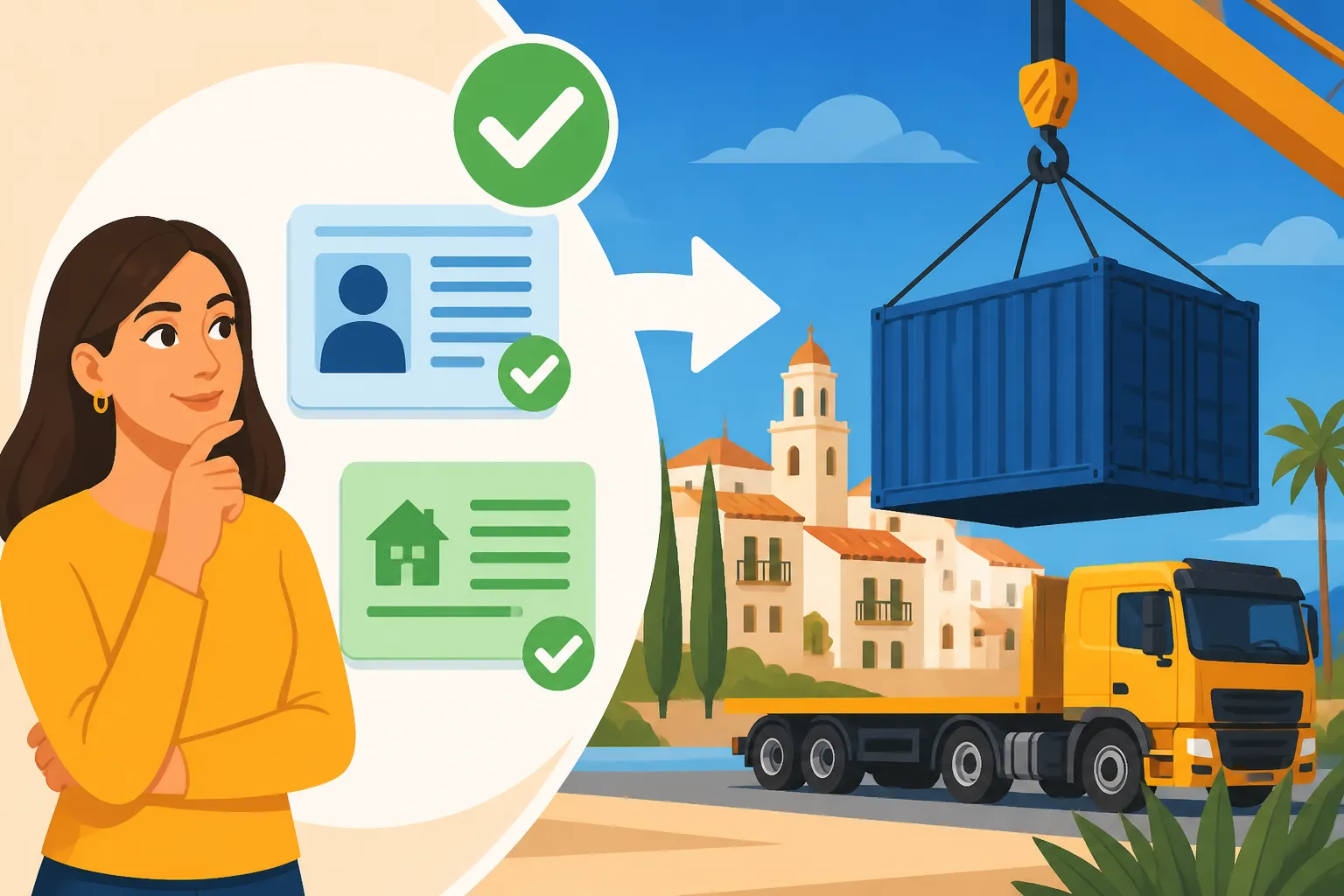
Ah, the Spanish moving riddle! You've landed, full of dreams and maybe a suitcase or two, only to find yourself caught in that classic expat Catch-22: you need an address to get your vital identification numbers, but you need those numbers to properly sort out your long-term address and, crucially, get your beloved belongings delivered. It's a logistical nightmare that leaves many feeling stuck before they've even truly begun. This guide is here to walk you through the frustrating, often confusing process of securing your NIE and padrón while simultaneously managing your international move, ensuring your container doesn't end up in limbo.
Disclosure: This post may contain affiliate links. We may earn a commission at no extra cost to you if you make a purchase through these links. Read full disclosure.
The Classic Expat Catch-22: NIE, Padrón, and Your Stuff
Moving to Spain is exhilarating, but the administrative hurdles can feel like an Olympic sport you didn't train for. The most common early pain point for many of us is the relentless demand for a Spanish address, particularly when trying to obtain essential documents like the NIE and empadronamiento. It's a circular problem: you can't officially register your presence without an address, and you can't do many adulting things (like getting a phone contract or, indeed, receiving your household goods) without proof of that registration. It's enough to make you want to pull your hair out!
Why the NIE and Padrón Are Non-Negotiable
Let's break down these two administrative behemoths. First up, the NIE – or Número de Identificación de Extranjero. This isn't just a number; it's practically your entry ticket to adult life in Spain. Think of it as your primary identification number for nearly everything. You'll need it to open a bank account, sign a rental contract, buy a car, get a phone, apply for a job, and yes, even to process the customs clearance for your international shipment. Without it, you're essentially a ghost in the system, and Spain's bureaucracy, while charming in its own way, really doesn't like ghosts.
Then there's the empadronamiento, or padrón. This is your registration with your local town hall (Ayuntamiento), officially declaring you live at a specific address within that municipality. It's proof of residence and provides access to local services like public healthcare – which, believe me, is a huge relief once you get it sorted out. The padrón also influences where your children can attend school and even your voting rights in local elections. For many official processes, particularly those involving your physical presence in Spain, the padrón is often required alongside your NIE. Both are foundational, and the lack of either will block countless subsequent steps, including the final leg of your international move. Many expats report feeling immense relief once they finally figure out How to Get a Spanish Health Card (Tarjeta Sanitaria), a step that absolutely relies on having your padrón in order.
The Address Predicament: You Need an Address to Get an Address
Here's where the real headache begins. To apply for your NIE, while theoretically possible from outside Spain or with a temporary address in some cases, often becomes smoother once you have a more concrete base. And for the padrón, it's almost universally required that you present a valid, long-term rental contract (or proof of property ownership) for a Spanish address. This means you need to have secured permanent housing before you can officially register as living there.
The problem then compounds when your moving container arrives. Shipping companies, for customs clearance and final delivery, require a definitive, verifiable delivery address. They often need this address to match the one on your official documents, or at the very least, they need you to be legally established enough to receive and sign for your goods. If your container arrives while you're still living in a short-term Airbnb, hotel, or crashing on a friend's sofa, and you haven't secured your padrón, you could face significant delays, storage fees, and an absolute mountain of stress. Imagine paying daily storage fees for your entire life's possessions because you can't legally prove where to put them! This is precisely why it’s so important to have a plan for managing your move, and this is where a reliable moving partner like those you can find through Sirelo can be a godsend.
Navigating the Bureaucratic Labyrinth: Strategies and Workarounds
The Spanish administrative system isn't always linear, and for foreigners, it can feel like a game of whack-a-mole. You solve one problem, and two more pop up. But with a bit of foresight and the right approach, you can navigate this maze.
Tackling the NIE First: The Chicken or the Egg?
Many expats find themselves asking, "Which do I get first, the NIE or the padrón?" Generally, the NIE is the first document you should aim for. It's often requested for the rental contract itself, which then allows you to get your padrón. While you can apply for your NIE from your home country at a Spanish consulate, many choose to do it upon arrival in Spain for various reasons – often related to visa requirements or simply the logistics of timing.
If you're applying in Spain, you'll typically need to make an appointment (cita previa) at an Oficina de Extranjería or a police station. These appointments are notoriously difficult to secure, often disappearing seconds after they're released online. My advice? Be tenacious. Refresh the page constantly, try different times of day, and be prepared to travel to a smaller town if you're desperate. For the application itself, you'll need your passport, the EX-15 form, and proof of why you need the NIE (e.g., a job offer, property purchase agreement, or even a declaration of intent to reside). Crucially, some offices will accept a temporary address, like a hotel or an Airbnb, for the NIE application itself, especially if you also show proof of having applied for a visa that requires long-term residency. However, this is at the discretion of the officer, and consistency isn't always a given across different regions or even different offices in the same city. Having all your documentation in order is key. It's also wise to prepare for any eventuality, including considering how to Handle Medical Emergencies If You Don’t Speak Spanish, as this also relies on having your basic ID sorted.
The Empadronamiento Challenge: Proving You Live Here
Once you (hopefully) have your NIE, or at least a temporary one, the next step is securing your long-term accommodation. Only then can you officially register your empadronamiento. For this, you'll need to go to your local Ayuntamiento with your NIE, passport, and most importantly, your signed rental contract (or property deeds). The contract needs to be legally valid, often registered with a regional housing authority, and typically for a duration of at least six months or a year.
What if you're staying with friends or family? This can complicate things. In such cases, the person whose name is on the rental contract (or property deeds) will usually need to accompany you to the Ayuntamiento and provide their ID, a copy of their contract/deeds, and often a signed letter authorizing you to register at their address. This is why it’s so critical to plan ahead, as finding a suitable long-term rental in Spain can be a challenge in itself, especially if you're looking to rent with pets in Spain, for example. The Spanish system prioritizes physical proof of residence, so don't expect to secure your padrón without a solid, long-term address.
The Logistics Lifeline: How to Manage Your Move While Waiting
Given this complex dance between bureaucracy and finding a home, the timing of your international shipment is absolutely paramount. Many expats underestimate the time it takes to secure the NIE and padrón, leading to stressful situations when their container arrives before they're ready.
Timing Your Shipment to Spain: Don't Rush It
This is where the voice of experience comes in: do not rush your shipment. I know it's tempting to get all your household goods on a boat as soon as you decide to move, but seriously, resist the urge. The absolute best-case scenario is to wait until you have a signed rental contract and your NIE in hand before your container even sets sail. This gives you a clear address for customs and delivery, and ensures you're legally recognized to receive your goods.
If your container arrives at a Spanish port or warehouse before you have a permanent address or your NIE/TIE sorted, you'll likely incur significant demurrage (fees for holding the container at the port) and storage costs. These can quickly add up, turning an already expensive move into a financially painful one. I've seen countless friends get caught in this trap, frantically scrambling to find an apartment and get their paperwork in order, all while the clock ticks (and money drains). It’s always best to have your ducks in a row – or at least your address sorted – before your belongings start their journey. Understanding the typical Spain Immigration Timeline can help you plan this better.
The Role of a Reliable Moving Partner (Sirelo)
This is precisely where a professional moving platform like Sirelo becomes your absolute hero. Navigating international logistics, especially with the added layer of Spanish bureaucracy, is a specialized skill. Sirelo connects you with experienced, reputable moving companies that understand these unique challenges. They're not just about transporting boxes; they're about providing solutions that account for the expat experience.
Imagine this: you've used Sirelo to get quotes and chosen a mover. You're still in the process of apartment hunting and NIE appointments when your container is nearing Spain. A good moving company, facilitated by a platform like Sirelo, can offer flexible services. This might include:
- Temporary Storage: They can hold your container or goods in a secure warehouse until you have your permanent address and padrón sorted. This costs money, yes, but it’s often far less than port demurrage and provides peace of mind that your items are safe.
- Customs Expertise: They are well-versed in Spanish customs requirements and can advise you on what documents you'll need (including your NIE!) to clear your personal effects. This proactive advice can prevent huge delays.
- Coordinated Delivery: Once you finally have the keys to your new Spanish home and your padrón certificate, they can coordinate the final delivery to your doorstep, minimizing stress and ensuring a smooth transition into your new space.
Using a platform like Sirelo means you’re not going it alone. You're tapping into a network of movers who’ve handled countless expat relocations and understand the intricate dance of paperwork and logistics in Spain. They know the reality of things taking longer than expected and can build that flexibility into their service offerings. Don't let logistics add to your stress. Get free quotes from trusted moving companies through Sirelo and find a partner who understands the unique challenges of moving to Spain.
Essential Documents to Keep Handy
Regardless of whether you're dealing with immigration officials, your landlord, or the moving company facilitated by Sirelo, having your documents impeccably organized is crucial. Always carry both original and photocopied versions, and keep digital copies on your phone and in cloud storage.
| Document Type | Purpose | Where You'll Need It |
|---|---|---|
| Passport | Primary identification for everything. | NIE application, padrón, rental contracts, opening bank accounts, customs |
| NIE Number/Card | Foreigner Identification Number. Essential for almost all administrative tasks, including signing contracts and customs. | Rental contracts, bank accounts, utilities, customs clearance, employment, healthcare |
| Padrón | Proof of municipal registration at a specific address. | Health card application, school enrollment, driving license exchange, voting |
| Rental Contract | Proof of long-term address. | Padrón registration, utility setup, bank account address updates, parcel deliveries |
| Visa/Residency Card | Proof of legal right to reside in Spain (e.g., Spain Digital Nomad Visa, Spain Non-Lucrative Visa). | All official registrations, travel in and out of Spain, job applications |
| Proof of Funds | Required for many visa types and residency applications. | Visa applications, some NIE processes, often good to have for initial bank account setup |
| Health Insurance | Mandatory for most non-EU visa applications and highly recommended for everyone. | Visa applications, Health Insurance in Spain: Options for Residents, Students, and Families |
| Criminal Record Cert | Often required for visa and residency applications, and for some jobs. | Visa/residency applications, some job applications |
| Apostilled Documents | Legalized foreign documents (birth certificates, marriage certificates, diplomas, etc.). | Visa applications, degree homologation, family reunification |
Practical Tips and Avoiding Common Pitfalls
Even with all your information, moving to Spain will inevitably throw a few curveballs your way. Being prepared for these can save you a world of hurt.
Seek Professional Help: Gestores and Lawyers
Let's be real, the Spanish bureaucracy is a beast. While I encourage everyone to try and navigate some of it themselves to truly feel settled, there are times when professional help is worth every penny. A gestor (administrative consultant) or an immigration lawyer specializes in these processes. They speak the language, know the ins and outs of each Oficina de Extranjería, and are often aware of subtle changes in requirements before the general public.
For issues like securing cita previa appointments, ensuring your NIE application is flawless, or clarifying regional specificities for your padrón, a gestor can be invaluable. They can prepare the forms, often attend appointments with you (or even for you, with power of attorney), and follow up on your behalf. This frees up your precious time and mental energy to focus on practicalities like settling into your new neighborhood, learning Spanish, or coordinating the delivery of your belongings with your chosen moving company from Sirelo. While it's an added cost, the reduction in stress and potential avoidance of costly delays often makes it a worthwhile investment. Sometimes, trying to save a few euros upfront can cost you far more in the long run, both financially and emotionally.
Communication is Key (with Everyone)
In Spain, clear and consistent communication can smooth many rough edges. This applies to your moving company, your potential landlord, your gestor, and the various administrative offices you'll interact with.
- With Your Moving Company: Be transparent about your timeline and potential delays in securing your address and NIE. A good moving partner found through Sirelo will appreciate the heads-up and can offer solutions like temporary storage, as discussed. Keep them updated on your padrón progress.
- With Landlords/Estate Agents: Clearly communicate your situation regarding the NIE and padrón. Some landlords might be understanding, while others may prefer tenants who already have everything sorted. Don't sign anything you don't fully understand, especially if it's not in English – consider hiring a legal professional to review your rental contract.
- With Government Offices: Be polite, patient, and persistent. Have all your documents organized. While many officials speak some English, it’s always beneficial to learn some key Spanish phrases related to your appointments. Even a simple "Hola, tengo una cita para mi NIE" (Hello, I have an appointment for my NIE) can go a long way.
Remember, flexibility and a good attitude are your best allies when dealing with Spanish bureaucracy. It’s a process, not a race. By managing your expectations, leveraging professional help, and using a smart moving solution like Sirelo, you can tackle the NIE and padrón puzzle and get your container safely to your new Spanish home.
Disclaimer
Please note that immigration laws and administrative procedures in Spain can change frequently. While we strive to provide accurate and up-to-date information, this guide is for informational purposes only and does not constitute legal advice. Always consult with official government sources, a qualified immigration lawyer, or a gestor for advice tailored to your specific situation.