Sea Freight From Chinese Ports to Spain: Costs and Realistic Timelines
Disclosure: This article contains affiliate links. If you buy through them, we may earn a commission at no extra cost to you. Read our full disclosure.
Moving your belongings across continents, especially from a bustling hub like China to the sunny shores of Spain, can feel like tackling a giant jigsaw puzzle blindfolded. The sheer thought of coordinating sea freight, understanding obscure charges, and navigating paperwork is enough to make anyone's head spin. But don't you worry, because this guide is here to unravel the complexities of sea freight from Chinese ports to Spain, giving you a crystal-clear picture of what costs to expect and, more importantly, a realistic timeline for when your cherished possessions or crucial inventory will arrive. We’ll also show you how a trusted platform like Sirelo can cut through the noise and make this daunting task surprisingly manageable.
Understanding the Sea Freight Landscape from China to Spain
When you're looking at moving anything substantial from China to Spain, whether it's a houseful of furniture, a vehicle, or commercial goods, sea freight inevitably rises to the top of the list. It's the workhorse of international shipping, and for good reason, despite its longer transit times.
Why Sea Freight is the Go-To for Large Shipments
Let's face it, air freight is lightning fast, but the cost for anything beyond a few boxes or urgent documents quickly becomes astronomical. For bulk goods, household moves, or less time-sensitive commercial inventory, sea freight is hands down the most economical choice. It can handle massive volumes, from small pallets consolidated with other shipments to entire containers dedicated solely to your goods. This cost-effectiveness is precisely why businesses and individuals worldwide rely on it.
However, the affordability often comes with the trade-off of speed. When you're used to ordering something online and having it at your door in a week, waiting a month or more for a shipment can feel agonizing. It's a valid frustration, especially when planning a move or launching a new product. But understanding this fundamental difference is the first step in setting realistic expectations and appreciating the value sea freight offers in terms of sheer capacity and price per cubic meter. For those planning a big move, understanding the nuances of the broader Spain Visas & Residency: Complete Guide for Foreigners is also crucial before your items even leave port.
Key Chinese Ports and Their Significance
China's coastline is dotted with some of the world's largest and most efficient ports, acting as crucial gateways for global trade. The port of origin for your shipment will significantly impact transit times and, at times, even costs due to varying levels of congestion and direct shipping routes available.
For instance, the Port of Shanghai is consistently ranked as the busiest container port globally. Its sheer volume means frequent departures to virtually any major port worldwide, offering a wide array of shipping line options. Then you have Ningbo-Zhoushan, another colossal port known for its advanced facilities and close proximity to manufacturing hubs in Zhejiang province. Further south, Shenzhen and Guangzhou serve the Pearl River Delta, a massive manufacturing and export region, making them prime choices for goods originating from southern China. These ports, along with others like Qingdao in Shandong and Tianjin near Beijing, form the backbone of China's maritime trade. Choosing the right port, often dictated by the origin of your goods, is a key strategic decision that your freight forwarder or a platform like Sirelo can help you with.
Major Spanish Ports for Receiving Cargo
Once your precious cargo has made its long journey across the seas, it will typically arrive at one of Spain's bustling port cities. These ports are strategically located to serve different regions of the peninsula and beyond, acting as critical distribution hubs.
Valencia, located on Spain's eastern coast, is arguably the country's busiest container port and a major Mediterranean gateway. Its modern infrastructure and excellent connections to the national road and rail networks make it an ideal point of entry for goods destined for central Spain, including Madrid, as well as the eastern and southern regions. Just further up the coast, Barcelona is another vital port, particularly important for the Catalonian region and serving as a major link to other European ports. Down south, the Port of Algeciras stands out due to its strategic location at the Strait of Gibraltar, making it a critical transshipment hub for goods moving between the Atlantic and the Mediterranean. And let's not forget Bilbao in the north, serving the Basque Country and providing access to northern Spain and beyond into France. The choice of the arrival port is usually determined by where your goods ultimately need to go within Spain, and how smoothly you can manage onward distribution, which can sometimes involve understanding the nuances of Spain Relocation Checklist: First 30 Days for New Residents.
Unpacking the Costs of Sea Freight: What to Expect
Ah, the dreaded cost question! It's one of the biggest anxieties for anyone shipping internationally. Unlike simply buying a plane ticket, sea freight pricing is a complex beast with many moving parts. Understanding these components is crucial to budgeting accurately and avoiding nasty surprises. This is where a service like Sirelo really shines, helping you get clear, transparent quotes.
Core Freight Charges: FCL vs LCL
At the heart of sea freight pricing lies the distinction between Full Container Load (FCL) and Less than Container Load (LCL). Each has its own pricing structure and is suited for different shipment sizes.
-
Full Container Load (FCL): This means you're renting an entire shipping container, typically a 20-foot or 40-foot unit, exclusively for your goods. Even if your items don't fill the container completely, you pay for the whole space. FCL is usually more cost-effective per cubic meter if you have enough volume to fill a significant portion of a container. It also tends to be faster because your container isn't waiting for other shipments to be consolidated, and there's less handling involved at the ports. The price for FCL is generally a flat rate per container type, plus applicable surcharges. If you're buying Property in Spain as a Foreigner: Process and Costs, and furnishing it entirely from abroad, FCL might be your best bet.
-
Less than Container Load (LCL): This option is for smaller shipments that don't warrant an entire container. Your goods are consolidated with other people's cargo into one container. You pay only for the space your items occupy, calculated by volume (cubic meters) or weight (kilograms), whichever is greater. While LCL might seem cheaper upfront for small volumes, the cost per cubic meter is often higher than FCL due to the additional handling, sorting, and documentation required for consolidation and deconsolidation. It also inherently involves more steps and potential for delays. Getting accurate LCL quotes can be particularly tricky, which is why having a system that provides clear comparisons, such as what Sirelo offers, is invaluable.
Hidden Fees and Surcharges to Watch Out For
This is where many expats and businesses get caught out, experiencing that sinking feeling of an unexpected bill. Beyond the basic freight rate, a host of surcharges can quickly add up, turning an "affordable" quote into a significant expenditure. Being aware of these helps you scrutinize quotes and ask the right questions.
Common culprits include:
- Bunker Adjustment Factor (BAF): A surcharge to cover fluctuations in fuel prices. Since fuel is a major operational cost for shipping lines, this fee can change frequently.
- Currency Adjustment Factor (CAF): Applied to offset currency exchange rate fluctuations between the currency of the freight rate and the currency of the operating costs.
- Terminal Handling Charges (THC): Fees levied by port terminals for handling your container or cargo, both at the origin (loading) and destination (unloading) ports.
- Customs Clearance Fees: Charges for the administrative process of getting your goods cleared through customs in both China and Spain.
- Documentation Fees: Costs associated with preparing and processing all the necessary paperwork, such as bills of lading, manifests, and customs declarations.
- Demurrage and Detention: These are penalties. Demurrage is charged by the shipping line if your container sits too long at the destination port before being picked up. Detention is charged if you keep the container outside the port for too long after pickup. These fees are often daily rates and can escalate rapidly, so swift action at the destination port is vital.
- Storage Fees: If your cargo needs to be stored at the port or a warehouse before pickup or onward delivery, you'll incur storage charges.
It's completely normal to feel overwhelmed by this list. The frustration of these "surprise" costs is something every expat moving to Spain has likely faced in some form, whether it's with utilities or shipping. A service like Sirelo can help consolidate these costs into more transparent quotes from reputable movers, giving you a clearer financial picture from the outset.
Customs Duties, VAT, and Import Taxes in Spain
This is another major cost component that often gets overlooked in initial freight quotes but can significantly impact your final bill. When importing goods into Spain from outside the EU, you're subject to various taxes and duties.
- Customs Duties: These are applied based on the type of goods you're importing, determined by their TARIC code (Integrated Tariff of the European Community). The duty rate varies widely, from 0% for some goods to significant percentages for others. It’s crucial that your goods are correctly classified to ensure accurate duty assessment. Misclassification can lead to delays, fines, and unexpected charges.
- Value Added Tax (VAT / IVA): In Spain, the standard VAT rate is 21%, though reduced rates apply to certain goods. This tax is typically calculated on the total value of the goods, plus the international freight cost, and any customs duties incurred. So, it's not just the item's price that gets taxed, but the "landed cost."
- Special Taxes: For certain items like alcohol or tobacco, additional special taxes might apply.
For personal effects when moving your residence to Spain, there are often exemptions from customs duties and VAT, provided you meet specific criteria (e.g., owning the goods for a certain period, moving within a year of receiving your residency). However, navigating these exemptions requires careful documentation and adherence to specific deadlines. This is precisely why expert guidance, which you can find through platforms like Sirelo, is critical to avoid costly mistakes. Ignoring these regulations can lead to your goods being held at customs, incurring storage fees, and ultimately adding immense stress and expense to your move. For more on managing your finances, check out our guide on Spanish Taxes for Foreign Residents: Practical Guide to Staying Compliant.
Realistic Timelines for Your Shipment: Patience is Key
One of the biggest lessons you learn as an expat shipping things internationally is patience. Sea freight isn't Amazon Prime. Understanding the real-world timelines, and what can influence them, is vital for planning your move or managing your business inventory effectively.
Typical Transit Times from Chinese Ports to Spain
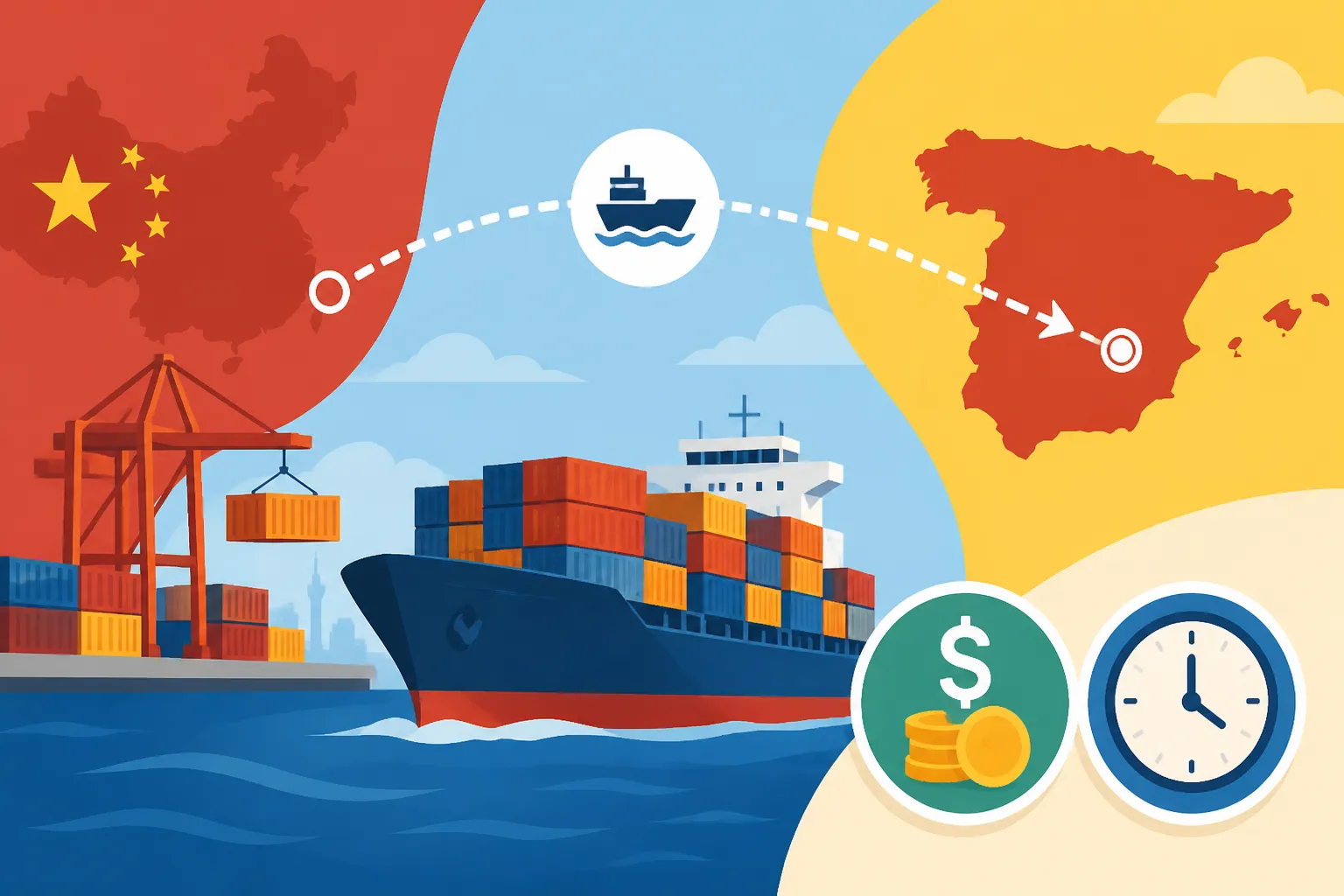
When you look at a shipping schedule, you'll often see "port-to-port" transit times. These figures typically represent the actual time the vessel spends at sea. For a direct route from a major Chinese port (like Shanghai or Shenzhen) to a major Spanish port (like Valencia or Barcelona), you're generally looking at 25 to 45 days.
However, this is just the sailing time. Several factors can push these figures up:
- Specific Ports: Smaller, less frequently serviced ports might involve transshipments, where your container is moved from one vessel to another at an intermediate hub (e.g., Singapore, Dubai). Each transshipment adds several days, sometimes even a week, to the journey.
- Shipping Lines and Services: Different shipping lines operate different routes and schedules. Some offer faster, more direct services (often at a premium), while others consolidate more to offer lower prices, which can mean more stops.
- Weather Conditions: Rough seas, particularly in certain seasons, can cause vessels to slow down or reroute, adding days to transit.
- Seasonal Demands: Peak shipping seasons (like before major holidays or during specific trade windows) can lead to slower loading and unloading at ports.
So, while 25-45 days might sound like a solid range, always consider the actual route your shipment will take. It’s a common expat frustration to be given an optimistic estimate only to face delays, so always pad your expected arrival dates.
Factors Causing Delays and How to Mitigate Them
Beyond the straightforward transit time, various unpredictable factors can throw a wrench into your carefully planned timeline. Being aware of these can help you manage expectations and, in some cases, take proactive steps.
- Port Congestion: This is a perennial issue, especially at major global hubs. Too many ships arriving at once, labor shortages, or equipment breakdowns can lead to vessels waiting offshore for days or even weeks before they can dock and unload. This has become particularly pronounced in recent years due to global supply chain disruptions.
- Customs Inspections: While routine, customs inspections can add significant delays. If your shipment is randomly selected for a more thorough examination, it could be held for several days. Incorrect or incomplete documentation is a surefire way to trigger these delays, highlighting why proper paperwork is paramount.
- Holidays: Major holidays in both China and Spain can halt operations. Chinese New Year is a critical period when factories close, and shipping activity slows dramatically for weeks. Similarly, Semana Santa and other public holidays in Spain can affect port operations and onward logistics. Always check the calendar!
- Vessel Breakdowns or Rerouting: Mechanical issues with the ship, or unexpected rerouting due to political instability or adverse weather, can cause unforeseen delays.
- Documentation Errors: As mentioned, even a small mistake on the bill of lading or customs declaration can cause your shipment to be held indefinitely until rectified.
To mitigate these, choose experienced freight forwarders, often found through services like Sirelo, who can provide real-time tracking and navigate common pitfalls. Plan well in advance of peak seasons and holidays, and ensure all your documentation is meticulously prepared. Remember, for anything that might need specific care, like important documents for your Spain Digital Nomad Visa, carry them with you, don't ship them!
The Full Door-to-Door Journey: Beyond Ocean Transit
It's easy to focus solely on the "shipment on the water" part of sea freight, but the ocean transit is just one segment of the entire journey. A truly realistic timeline includes all the stages of a door-to-door move.
Let's break down the full process:
- Preparation and Pickup (China): This involves packing your goods, transporting them from your factory or residence to the Chinese loading port. This pre-carriage can take anywhere from a few days to a week, depending on distance and local logistics.
- Origin Port Handling & Customs (China): Your goods are loaded onto the vessel, and Chinese export customs are cleared. This can add another 3-7 days, especially for LCL shipments that require consolidation.
- Ocean Transit: The 25-45 days we discussed earlier.
- Arrival and Customs Clearance (Spain): Once the ship docks in a Spanish port, your container needs to be unloaded, deconsolidated (for LCL), and then undergo Spanish import customs clearance. This stage alone can take 5-15 business days, especially if there are any issues with documentation or an inspection is triggered.
- Onward Delivery (Spain): Finally, your cleared goods need to be transported from the Spanish port to your final destination in Spain. This domestic leg can take another few days to a week, depending on the distance, local delivery schedules, and accessibility of your new home. For those setting up a new life, our guide on Setting Up Your Life in Spain: Utilities, Internet, and Essentials might be useful during this wait.
When you add all these stages up, a "realistic" door-to-door timeline for sea freight from China to Spain often stretches to 6-10 weeks, and sometimes even longer during peak seasons or for complex shipments. It's a marathon, not a sprint, and managing expectations around this extended timeline is probably the most crucial piece of advice any veteran expat can give you.
Navigating the Complexities with Confidence: The Sirelo Advantage
Alright, we've gone through the nitty-gritty of costs and timelines, and I can almost hear you sighing, "This is way too much to handle!" And you're absolutely right. Trying to coordinate all these moving parts, understand every surcharge, and ensure seamless customs clearance on your own is a recipe for immense stress and potential financial pitfalls. This is precisely why having a dedicated, transparent partner makes all the difference.
Why a Trusted Partner Like Sirelo Makes All the Difference
You're moving your life, or your business, halfway across the world. You need someone who understands the intricacies of international shipping, has a network of reliable professionals, and can demystify the entire process. This is where Sirelo steps in as your guiding light. Forget drowning in a sea of confusing quotes and shady brokers; Sirelo connects you with vetted, reputable international movers who specialize in routes from China to Spain.
They act as a crucial intermediary, cutting through the noise and providing clarity. Their value proposition for expats and businesses is simple: transparency, reliability, and peace of mind. Instead of spending countless hours researching and vetting different shipping companies, only to find yourself comparing apples to oranges with disparate quotes, Sirelo does the heavy lifting for you. They help you compare services that are truly comparable, ensuring you understand exactly what you're paying for and when you can expect your goods to arrive. It's like having a seasoned expat friend who knows all the tricks and trustworthy contacts in the moving industry. For managing the broader aspects of your move, you might also find useful information in our guide on Money in Spain for Expats: Banking, Taxes, and Everyday Payments.
Streamlining Your Sea Freight Process with Sirelo
So, how exactly does Sirelo make this complex process less of a headache? Their platform is designed to streamline every crucial step, making it easier for you to get from point A (China) to point B (Spain) without the usual international moving anxieties.
First, you provide your shipment details – what you're moving, where it's coming from, and its final destination in Spain. Sirelo then leverages its extensive network to gather multiple quotes from pre-screened, professional international moving companies that handle the China-Spain route. This isn't just about getting quotes; it's about getting transparent quotes that break down the costs, helping you avoid those notorious hidden fees. You get to compare options side-by-side, not just on price, but also on the services included, estimated transit times, and insurance options.
This comparative approach is crucial. It empowers you to make an informed decision based on your budget, timeline, and specific needs, rather than just picking the cheapest (and potentially riskiest) option. Sirelo saves you time, reduces administrative burden, and significantly lowers the chance of encountering unexpected costs or unreliable service providers. They truly act as your advocate in the complex world of international moving.
Beyond Just Shipping: Additional Services for a Smoother Move
A good international moving experience goes far beyond simply getting your items from one port to another. The best moving partners, which you can find through Sirelo, offer a suite of additional services that can transform a chaotic move into a smooth transition.
These often include professional packing services, where experienced teams ensure your items are securely packed for the long journey, minimizing the risk of damage. Many also offer comprehensive insurance options, which, trust me, are non-negotiable for international shipments. You don't want to be left heartbroken if something goes wrong. Furthermore, a full-service mover can assist with temporary storage solutions on either end of your move, which can be invaluable if your arrival in Spain doesn't perfectly align with your new home's readiness. Crucially, they also provide expert guidance on customs regulations and required documentation for both China and Spain, helping you navigate the often-confusing bureaucratic hurdles and preventing costly delays. It’s all about minimizing stress and maximizing efficiency, ensuring your move to Spain starts on the right foot, making sure you are ready to find your Finding Doctors in Spain: Appointments, Referrals, and Language Tips right when you need to.
| Feature | Full Container Load (FCL) | Less than Container Load (LCL) |
|---|---|---|
| Shipment Size | Ideal for large volumes (entire household, significant cargo) | Suitable for smaller shipments (a few boxes, a pallet) |
| Cost Basis | Flat rate per container, plus surcharges | Priced by volume (CBM) or weight (KG), plus surcharges |
| Cost-Effectiveness | Lower cost per CBM for large shipments | Higher cost per CBM due to consolidation/deconsolidation |
| Transit Time | Generally faster, as no consolidation/deconsolidation needed | Typically slower due to consolidation process at origin/destination |
| Handling | Less handling, container sealed from origin to destination | More handling as goods are loaded/unloaded with other shipments |
| Security | Often perceived as more secure due to dedicated container | Slightly higher risk of damage/loss due to more handling |
| Flexibility | Less flexible for small, irregular shipments | More flexible for smaller volumes, but requires coordination |
| Ideal For | Full house moves, commercial bulk goods, vehicles | Partial moves, small business inventory, specific items |
Disclaimer
Please note that while this guide provides comprehensive information, shipping costs and timelines are subject to constant change due to global economic factors, fuel prices, port congestion, and evolving regulations. Always obtain multiple, up-to-date quotes and consult with professional moving services like those found through Sirelo for the most accurate and personalized information for your specific shipment. This information is for general guidance only and should not be taken as legal or financial advice.