How to Hike Safely in Spain’s Summer Heat
Many hikers arrive in Spain dreaming of dusty sierras and coastal cliffs, only to be hit by a wall of heat that feels like opening a preheated oven. Temperatures in regions like Andalusia or Extremadura regularly soar past 40°C in July and August, turning a scenic walk into a life-threatening situation. This guide provides the hard-won wisdom of a long-term resident to ensure you experience Spain’s natural beauty without falling victim to the sun.
Disclosure: This post may contain affiliate links. We may earn a commission at no extra cost to you if you make a purchase through these links. Read full disclosure.
Understanding the Intensity of the Spanish Summer
When I first moved here, I made the classic "guiri" mistake of thinking a 10:00 AM start was early enough for a summer hike in the Sierra Nevada. By noon, the air was shimmering with heat, and my pulse was racing before I’d even hit the steep inclines. You have to realize that the Spanish sun isn't just "warm"—it is aggressive. In central and southern Spain, the UV index is consistently high, and the lack of shade on many popular routes can lead to rapid physical exhaustion.
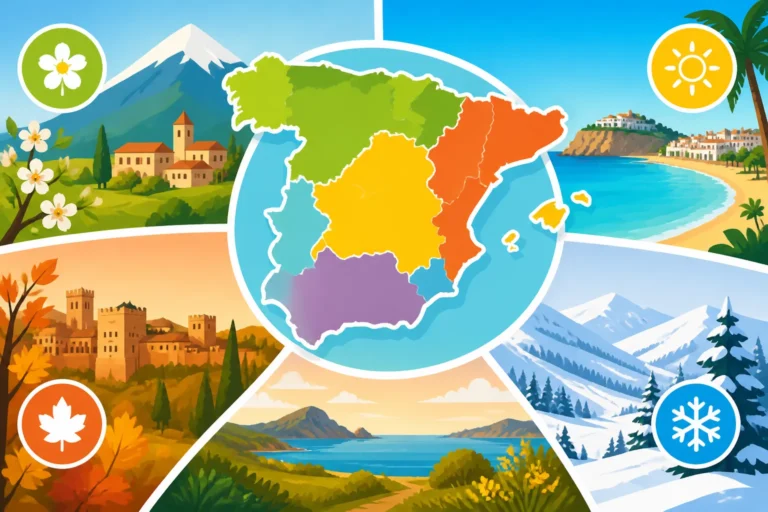
The geography of Spain means that heat behaves differently depending on where you are. In the Meseta (the high central plateau), you face a dry, relentless heat that wicks moisture from your body before you even notice you’re sweating. On the Mediterranean coast, the humidity makes it harder for your body to cool down via evaporation. If you are planning to reach the trailheads, using Omio can help you navigate the regional train and bus networks to reach cooler, high-altitude zones more efficiently.
It is also vital to check the AEMET (State Meteorological Agency) alerts before you head out. They issue yellow, orange, and red alerts for heat. If there is an orange alert in your area, quite frankly, you should stay home or head to the nearest beach. The mountains will still be there tomorrow, but your health is a one-time resource. For more on managing the general climate, see Heatwaves in Spain: Health Precautions for Expats.
Strategic Timing and the Art of the Early Start
In Spain, the concept of a "morning hike" takes on a very specific meaning during the summer months. To hike safely, you need to be off the trail—or at least descending into a shaded valley—by 11:00 AM. This means starting your hike at sunrise, often around 6:30 or 7:00 AM. The temperature rises exponentially once the sun clears the horizon, and the period between 2:00 PM and 6:00 PM is when the heat is at its most dangerous.
It is wise to book your accommodation as close to the trailhead as possible using Booking.com to avoid long drives in the early morning. Being able to step out of your door and onto the path at dawn gives you a four-hour window of relatively pleasant temperatures. If you prefer a guided experience to ensure you don't get lost in the heat, checking GetYourGuide for early-morning local tours is a smart move, as professional guides know exactly which paths stay in the shade the longest.
If you find yourself still on the trail when the "siesta" hours hit, you must adapt. Do not push through the heat to reach the summit. Find a deep limestone cave, a thicket of cork oaks, or a mountain stream and wait. The Spanish tradition of the siesta isn't just about laziness; it’s a historical survival mechanism. Embracing this rhythm is part of Staying Healthy in Spain: Preventive Care, Vaccines, and Wellness.
Essential Gear and Hydration Tactics
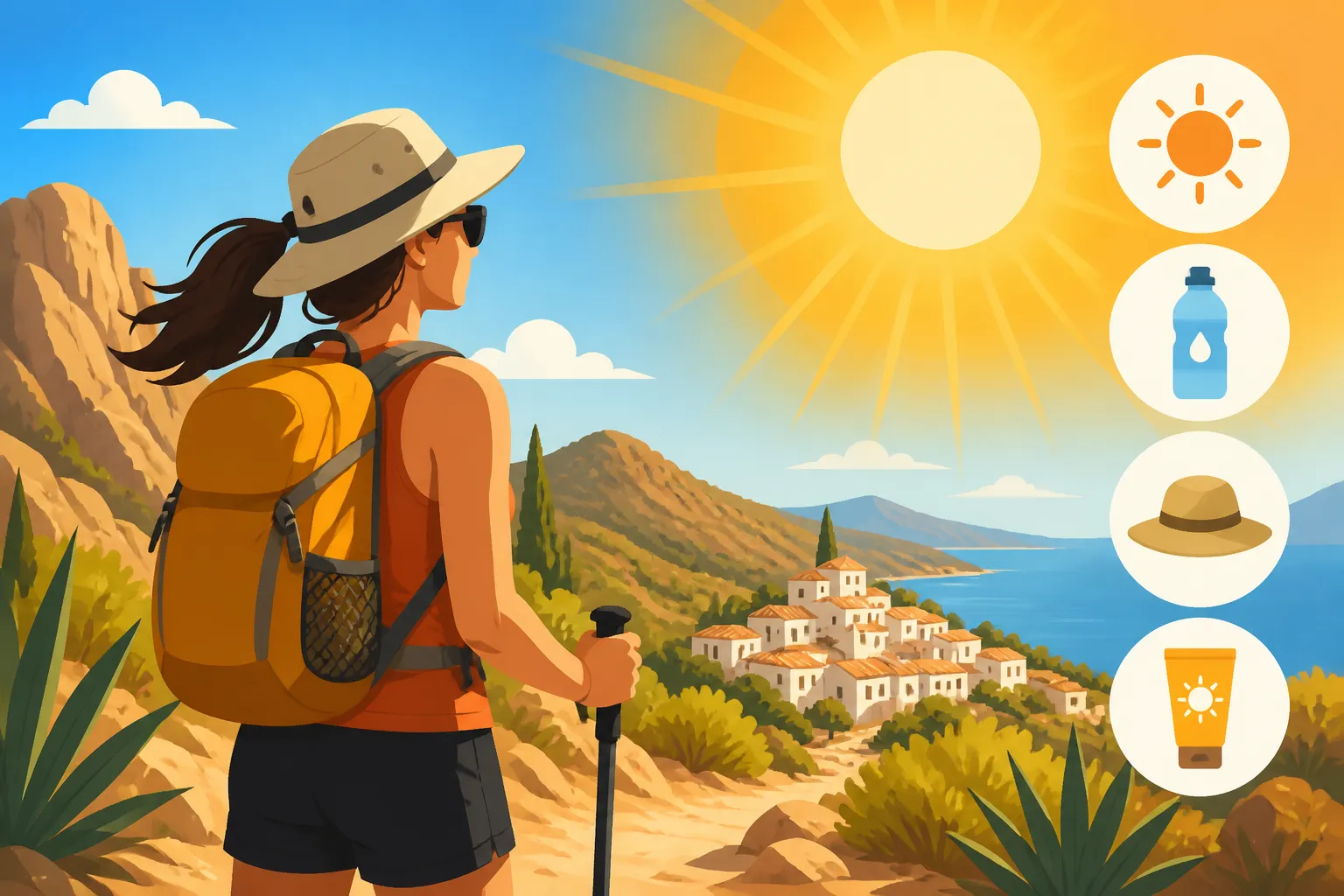
Your packing list for a Spanish summer hike should look very different from a spring stroll in the Lake District or the Appalachians. First and foremost: water. The rule of thumb in Spain is one liter of water for every hour of hiking, plus an extra liter for emergencies. Do not rely on "fuentes" (fountains) marked on old maps. Many mountain springs dry up completely by July. I’ve seen hikers desperately trying to squeeze moisture out of a mossy pipe in the Grazalema mountains because they didn't carry enough.
Clothing should be loose, light-colored, and breathable. While it might seem counterintuitive, long sleeves made of technical UV-rated fabric are often better than t-shirts because they keep the sun's direct radiation off your skin. A wide-brimmed hat is non-negotiable—not a baseball cap, which leaves your ears and neck to sizzle, but a full-circumference brim.
Don't forget the electrolytes. Drinking plain water all day while sweating profusely can lead to hyponatremia. I always carry salt tablets or isotonic powders to mix into my CamelBak. A small snack of salty nuts or olives can also make a huge difference in maintaining your energy levels. For more on what to pack for safety, review Preparing a Simple Home First‑Aid Kit for Spain (Expats Checklist).
Choosing the Right Terrain for July and August
If you are determined to hike in peak summer, you must be selective about your location. Southern Spain is generally a no-go for anything other than very short, coastal walks at dawn. Instead, look toward the "Green Spain" of the north—Asturias, Cantabria, and Galicia—where the Atlantic influence keeps temperatures more manageable. The Picos de Europa offers world-class trekking where the breeze actually feels cool.
Another option is high-altitude hiking. The Pyrenees or the highest peaks of the Sierra Nevada (like Mulhacén) can be 10 to 15 degrees cooler than the valleys. However, remember that the UV radiation is much stronger at these heights. You might feel cool because of the wind, but your skin is actually burning faster. This is covered in more detail in Sun Safety in Spain: UV Index Basics and Habits.
Forest hikes are also a great alternative. Seeking out the "Canuto" forests of Alcornocales or the ancient laurel forests of the Canary Islands provides a natural canopy that can drop the local temperature by several degrees. For general advice on safe outdoor activities, check Outdoor Activities in Spain: Safe Hiking, Swimming, and Sun Care.
| Region | Typical Summer Highs | Recommended Hike Type | Best Starting Time |
|---|---|---|---|
| Andalusia (South) | 35°C – 45°C | River walks (Rio Chillar) | 7:00 AM |
| Central Meseta | 32°C – 40°C | Forested pine groves | 6:30 AM |
| Pyrenees (North) | 20°C – 30°C | High-altitude alpine | 8:00 AM |
| Canary Islands | 25°C – 35°C | Laurel forests / Coastal | 7:30 AM |
Recognizing and Treating Heat-Related Illness
Even with the best preparation, things can go wrong. It is vital to monitor your own condition and that of your companions. The transition from heat exhaustion to heatstroke can happen surprisingly quickly. If you or someone in your group starts feeling dizzy, nauseous, or develops a headache, you must stop immediately.
Heat exhaustion presents as heavy sweating, rapid pulse, and a feeling of faintness. If this occurs, get to the shade, douse the person with water, and have them sip fluids. Heatstroke is a medical emergency where the body loses its ability to regulate temperature. Signs include a lack of sweating despite the heat, confusion, and a temperature above 40°C. In this case, you must call for help immediately.
Knowing how to communicate in an emergency is critical. Familiarize yourself with Spanish Emergency Phrases: How to Describe Symptoms Quickly so you can explain the situation to responders. If you are in a remote area, having the "My112" app installed on your phone is a lifesaver, as it sends your exact GPS coordinates to the dispatchers. You can find more details on this process in How to Call 112 in Spain: What to Say and What Happens Next. For a deeper dive into the symptoms, see Heatstroke vs Dehydration: Prevention Tips for Spain Summers.
Cultural Norms and the "Solo" Hiking Risk
In Spain, hiking is often a social activity, and for good reason. Going solo in the summer heat adds a layer of risk that is hard to justify. If you do go alone, you must tell someone exactly where you are going and when you expect to be back. The "Padrón" or local town hall often has information on which trails are currently maintained, but don't expect a ranger to be waiting at every trailhead to check on you.
Locals will often look at you with concern if they see you heading up a trail at noon with a small bottle of water. Listen to them. If a village elder tells you it’s "mucho calor," they aren't just making small talk; they are giving you a warning based on a lifetime of living with the Spanish sun.
Respecting the local environment also means being hyper-aware of fire risks. Spain suffers from devastating wildfires every summer, many caused by discarded glass or cigarettes. Most mountain regions have strict "No Fire" policies during the summer, including portable gas stoves. Always check the local regulations of the "Parque Natural" you are visiting to ensure you are compliant and safe.
Final Thoughts for the Summer Explorer
Hiking in Spain is one of the most rewarding ways to see the country's diverse landscapes, but the summer heat requires a level of respect and humility that many visitors overlook. By shifting your schedule, choosing your gear wisely, and knowing when to turn back, you can enjoy the trails without ending up as a cautionary tale in the local news.
Whether you are using Booking.com to find a quiet farmhouse in the Picos de Europa or Omio to book a train ticket to the cooler north, preparation is your best defense. The beauty of the Spanish wilderness is immense, but in the months of July and August, the sun is the true ruler of the land.
Disclaimer
This guide provides general safety information for hiking in Spain and is based on personal experience and local safety guidelines. It is not a substitute for professional medical advice or official emergency instructions. Always check local weather alerts and trail conditions before departing, and ensure you have adequate insurance and communication tools for your journey.