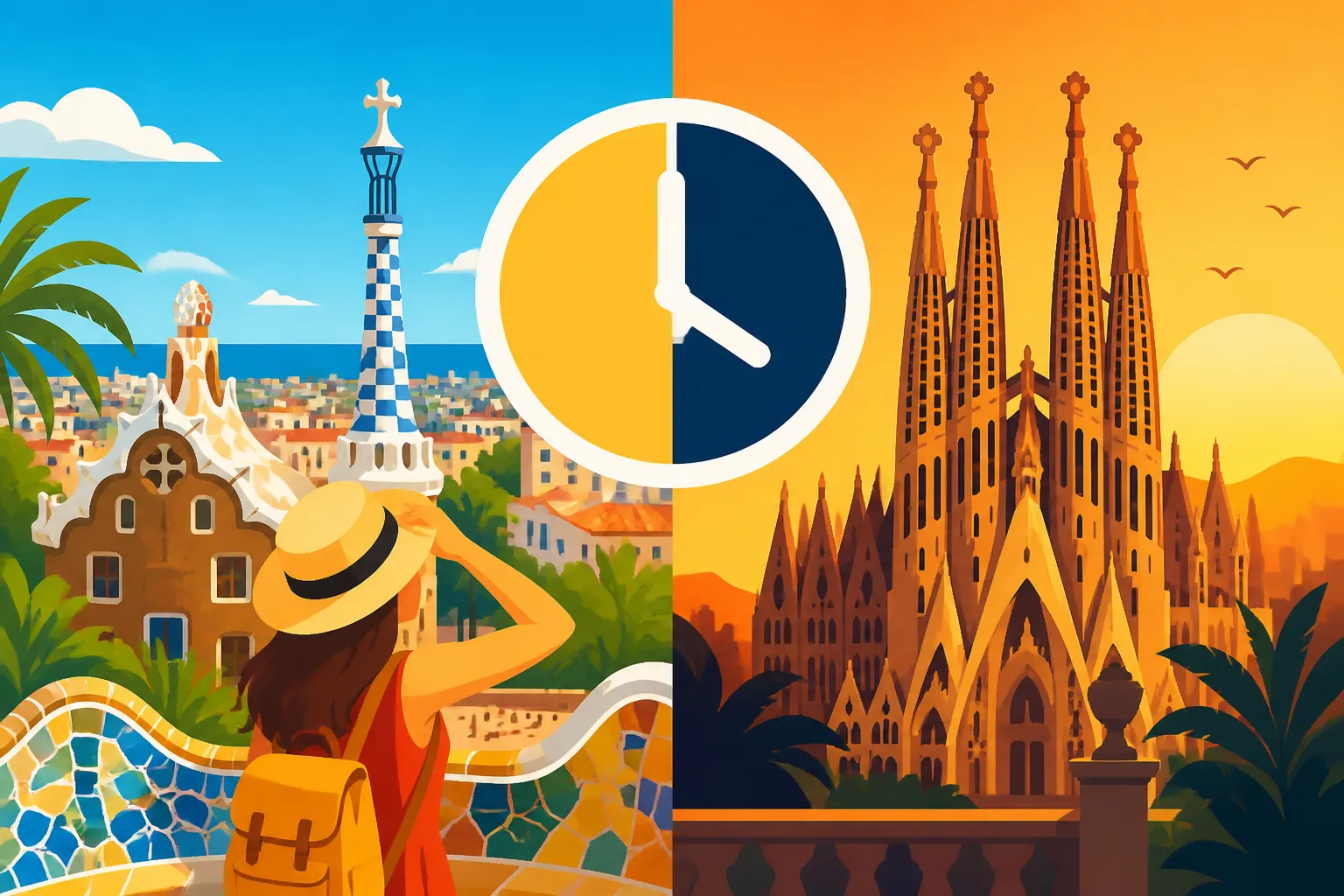
How to Spend 48 Hours in Barcelona
Oh, Barcelona! It’s a city that grabs you by the heart, pulls you in with its vibrant energy, stunning architecture, and mouth-watering food. But let’s be real, you’ve only got 48 hours, and the sheer volume of things to see can feel utterly overwhelming. This guide is going to cut through the noise, offering a realistic, day-by-day plan to help you experience the very best of Barcelona without feeling like you’re running a marathon.
Disclosure: This post may contain affiliate links. We may earn a commission at no extra cost to you if you make a purchase through these links. Read full disclosure.
Day 1: Gaudí's Masterpieces and Gothic Charm
Your first day in Barcelona is all about diving headfirst into the city's iconic sights, starting with the visionary genius of Antoni Gaudí, before losing yourself in the labyrinthine alleys of its ancient heart. Get ready for a day of awe-inspiring architecture and a good dose of history.
Morning: A Date with La Sagrada Família and Park Güell
There's no easing into it when you've only got 48 hours; you go straight for the jugular. And in Barcelona, that means Gaudí's unfinished masterpiece, La Sagrada Família. This basilica isn't just a church; it's an entire universe of symbolism, intricate details, and breathtaking scale. You absolutely must book your tickets online well in advance, and I mean weeks, even months, ahead, especially during peak season. Don't even think about just showing up; you'll be met with queues that eat up precious hours. Opt for the audio guide; it truly brings the history and architectural vision to life. Spend a good 1.5 to 2 hours here, marveling at the Nativity and Passion façades, and especially the dazzling interior with its forest-like columns and stained-glass windows that bathe everything in otherworldly light.
Once you’ve had your fill of the basilica’s grandeur, it’s time to head up to Park Güell. This whimsical park, another Gaudí creation, offers incredible panoramic views of the city. While the outer areas are free, the monumental zone – where you'll find the iconic mosaic lizard, Hansel and Gretel houses, and the serpentine bench – requires a ticket. Again, book these online ahead of time. To get there, you can take the metro to Lesseps or Vallcarca and prepare for a bit of an uphill walk, or utilize the convenient bus options that drop you closer to the entrance. Honestly, navigating the city's public transport is quite straightforward once you get the hang of it; check out our guide on Getting Around Spanish Cities: Metro, Bus, Tram, and Bikes for more detailed tips.
Afternoon: Passeig de Gràcia's Architectural Wonders
After the visual feast of La Sagrada Família and Park Güell, head back down towards the Eixample district, specifically Passeig de Gràcia. This elegant avenue is basically an open-air museum of Modernista architecture. Here, you’ll find two more of Gaudí's incredible residential buildings: Casa Batlló and Casa Milà (affectionately known as La Pedrera). Both are open to visitors and offer a fascinating glimpse into Gaudí's organic forms and innovative designs. Casa Batlló, with its dragon-like roof and skeletal balconies, is truly unique. Casa Milà, a wave-like stone quarry, features a surreal rooftop dotted with chimney pots that look like ancient warriors.
You don't necessarily need to go inside both if time is tight, but definitely pick one, or at least admire their exteriors. The detail is astounding, and they tell a story about Barcelona's wealthy industrialist past. While Passeig de Gràcia is also famous for its high-end shopping, resist the urge to get lost in the boutiques – your 48 hours are too precious! Instead, soak in the architectural splendor and perhaps grab a quick, authentic bocadillo (sandwich) from a local spot tucked away on a side street.
Evening: Delving into the Gothic Quarter and a Traditional Dinner
As the afternoon light begins to soften, make your way to the heart of old Barcelona: the Gothic Quarter (Barri Gòtic). This area is a delightful maze of narrow, winding streets, hidden squares, and ancient buildings that whisper tales of centuries past. Start at Plaça de Catalunya and wander down, letting yourself get gloriously lost. You’ll stumble upon the magnificent Barcelona Cathedral, a stunning example of Gothic architecture. Step inside if you have a moment, but even its exterior details are captivating. Explore Plaça Reial, with its arcades and palm trees, and delve into the smaller alleys where Roman ruins peek out from unexpected corners.
For dinner, the Gothic Quarter is brimming with fantastic tapas bars. This is your chance to truly immerse yourself in Spanish culinary culture. Look for a place that's bustling with locals, perhaps standing-room-only, and don't be afraid to try a little bit of everything. Patatas bravas, pimientos de padrón, jamón ibérico, and fresh seafood are usually on offer. This is where a place like Booking.com can be a real lifesaver for finding a cozy apartment or hotel nearby, so you can stumble back easily after a delicious meal and perhaps a glass or two of local wine. To make the most of your culinary adventure, take a look at our guide on Spanish Tapas Culture: How to Order and Where to Go.
Day 2: Market Bustle, Mountain Views, and Magic Fountains
Day two offers a mix of vibrant market life, stunning cityscapes from above, and a relaxing evening by the sea, potentially capped off with a spectacular show.
Morning: La Boqueria Market and Las Ramblas Energy
Kick off your second day with a sensory overload at La Boqueria Market, just off Las Ramblas. This historic public market is a kaleidoscope of colors, smells, and sounds. Fresh fruits, seafood, cured meats, cheeses, and juices are beautifully displayed. It’s a fantastic spot to grab a fresh fruit smoothie, some jamón, or even a quick, delicious meal from one of the small stands inside. Just be prepared for the crowds; it’s a popular spot for both locals and tourists. Take your time, wander through the aisles, and soak in the lively atmosphere. If you’re a food lover, this is pure heaven. You can find more details on exploring local markets in our article on Spanish Markets and Food Halls: Where to Eat and Shop.
From La Boqueria, step back onto Las Ramblas. While it can be touristy and crowded, it’s still an iconic Barcelona experience. Stroll down towards the Columbus Monument, observing the street performers, flower stalls, and historic buildings along the way. Keep a close eye on your belongings here, as it's a known area for pickpockets – a common-sense tip for any busy tourist area. If you're interested in really delving into the history and hidden gems of the area, consider looking for a guided walking tour; companies like GetYourGuide offer many excellent options that can provide a deeper insight into Barcelona's storied past.
Afternoon: Montjuïc's Panoramic Views and Cultural Gems
After the hustle and bustle of the market and Las Ramblas, it's time for some fresh air and stunning views from Montjuïc. This prominent hill offers a fantastic escape and incredible vistas over the city and the Mediterranean Sea. You can get there by public bus, or for a more scenic route, take the Montjuïc cable car (telefèric de Montjuïc) from the Funicular de Montjuïc station (which is accessible via the metro). The cable car ride itself is an experience, providing increasingly breathtaking views as you ascend.
Once at the top, you can explore the Castell de Montjuïc, an old fortress with a rich history, offering 360-degree panoramic views. There are also beautiful gardens, and the area around the Magic Fountain (Font Màgica de Montjuïc) is impressive even during the day, with its grand Palau Nacional building housing the Museu Nacional d'Art de Catalunya (MNAC) in the background. It's a great place to relax, take photos, and reflect on your whirlwind Barcelona adventure. Remember, efficient transport is key to maximizing your short stay, so brush up on Public Transport in Spain: Cards, Discounts, and Etiquette.
Evening: Beach Vibes, Barceloneta, and Farewell Dinner
For your final evening, head to the vibrant Barceloneta neighborhood and its urban beach. After a full day of sightseeing, a walk along the sandy shore or a moment to dip your toes in the Mediterranean is the perfect way to unwind. The atmosphere here is lively, with beach bars (chiringuitos) and restaurants lining the promenade. It’s a fantastic spot to enjoy the sunset.
For your farewell dinner, Barceloneta specializes in fresh seafood and paella. Find a restaurant with outdoor seating and indulge in some traditional Spanish cuisine. Be mindful of Spanish meal times; dinner often starts later than you might be used to, typically around 8:30 PM or 9:00 PM. Knowing a bit about Spanish Meal Times and Dining Etiquette Explained can make your dining experience even smoother. If your schedule allows and you happen to be visiting on a Thursday, Friday, or Saturday evening (check seasonal schedules, as they change), make your way back to the Magic Fountain of Montjuïc for its spectacular light and music show – it’s a truly magical way to end your Barcelona trip, though it can get very crowded.
Getting Around Barcelona: Making Every Minute Count
With only 48 hours, efficient transportation isn't just a convenience; it's a necessity. Barcelona is a wonderfully walkable city, but its public transport system is excellent and will save your feet, and your time, immensely.
Public Transport and Walking
The metro is your best friend for quickly zipping between neighborhoods. It's clean, efficient, and well-connected. Consider purchasing a T-Casual card, which gives you 10 journeys at a reduced price and can be used on the metro, bus, and tram. Each zone offers different travel passes, so be sure to get the right one for your needs, usually Zone 1 for central Barcelona. While the metro is fast, don't underestimate the power of walking. Many of Barcelona's most charming areas, like the Gothic Quarter or Gràcia, are best explored on foot. You’ll discover hidden gems you’d never see from a train carriage. Combining walking with public transport will give you the best of both worlds. For a deep dive into the local transport options, refer to our comprehensive guide on Getting Around Spanish Cities: Metro, Bus, Tram, and Bikes.
Taxis and Ride-Shares
Taxis are plentiful in Barcelona and can be a good option for late-night journeys or when you're simply too tired to navigate public transport. They are typically black and yellow, and you can hail them on the street or find them at designated taxi stands. Fares are reasonable, especially if you’re splitting the cost with others. While ride-sharing apps like Uber and Cabify operate in Barcelona, their availability and pricing can fluctuate, and often local taxis are just as convenient and sometimes cheaper. Save them for when you're really pressed for time or carrying a lot of luggage. If you're planning any travel beyond Barcelona, tools like Omio can help you compare and book train or bus tickets to other Spanish cities quickly.
Avoiding Crowds and Saving Time
The golden rule for popular attractions is always to book tickets online in advance. This bypasses long queues and guarantees entry, which is crucial when your time is limited. Many sites, like La Sagrada Família and Park Güell, offer timed entry slots, so arrive a little early. Try to visit major attractions first thing in the morning or later in the afternoon to avoid the mid-day rush. Additionally, consider visiting during the shoulder seasons (spring or fall) if your travel dates are flexible, as the weather is pleasant and the crowds are generally thinner. To get a head start on what's essential for your first visit, check out Barcelona for First-Time Visitors: What to See and Skip.
Practical Tips for a Smooth 48 Hours
Even with the best itinerary, a short trip can throw unexpected curveballs. A few practical tips can make all the difference in ensuring your 48 hours in Barcelona are as enjoyable and stress-free as possible.
Accommodation Choices
Where you choose to stay can significantly impact your experience. For a short visit, aim for centrally located neighborhoods that offer easy access to public transport and major sights. The Eixample district is excellent for its wide boulevards and proximity to Gaudí's works, while the Gothic Quarter offers historical charm but can be noisier. El Born is another popular choice, known for its bohemian vibe and trendy eateries. Regardless of where you decide to lay your head, book your accommodation well in advance, especially during peak travel times. Websites like Booking.com are invaluable for finding everything from budget-friendly hostels to luxurious hotels, and often offer flexible cancellation policies. For more detailed advice, read our guide on Accommodation in Spain: Hotels, Hostels, and Rentals.
Eating Like a Local
Eating well in Spain isn't hard, but eating smart can save you time and money. Look out for the "Menú del Día" – a fixed-price lunch menu typically offered on weekdays, often including two or three courses, bread, a drink, and sometimes dessert or coffee, all for a very reasonable price. It's a fantastic way to enjoy a substantial, authentic meal. Tapas are perfect for grazing and trying many different dishes, but be aware that they can add up quickly if you're not careful. Embrace the late dining culture; many restaurants don't even open for dinner until 8 PM or later. Don't be afraid to try local specialties like pa amb tomàquet (bread with tomato) or crema catalana. Understanding the nuances of Spanish Tapas Culture: How to Order and Where to Go will definitely enhance your dining adventures.
Safety and Awareness
Barcelona is generally a safe city, but like any major tourist destination, it has its share of petty crime, particularly pickpocketing. Always be vigilant, especially in crowded areas like Las Ramblas, on public transport, and at major tourist attractions. Keep your valuables secure, ideally in a cross-body bag worn in front of you, or a money belt. Avoid flaunting expensive items. It’s also a good idea to have a copy of your passport and important documents stored separately from the originals. For comprehensive advice on keeping yourself and your belongings safe, check out Staying Safe in Spain: Practical Safety Tips for New Residents. Also, consider getting a local eSIM or SIM card for your phone; having reliable Mobile Data and eSIMs for Travel in Spain is incredibly useful for navigation, checking opening hours, and making reservations on the go.
Your 48-Hour Barcelona Itinerary at a Glance
| Time Slot | Day 1: Gaudí & Gothic Quarter | Day 2: Markets & Views |
|---|---|---|
| Morning | La Sagrada Família (pre-booked ticket, audio guide) | La Boqueria Market (explore, grab a snack) |
| Park Güell (pre-booked ticket, panoramic views) | Stroll down Las Ramblas (observe, people-watch) | |
| Afternoon | Passeig de Gràcia (Casa Batlló, Casa Milà exteriors) | Montjuïc (cable car, Castell de Montjuïc, MNAC area) |
| Lunch in Eixample | Lunch in Montjuïc or Poble Sec | |
| Evening | Gothic Quarter (explore alleys, Barcelona Cathedral) | Barceloneta Beach (relax, walk along promenade) |
| Traditional Tapas Dinner in El Gòtic | Seafood dinner/Paella in Barceloneta | |
| Consider Magic Fountain show (check schedule) |
Disclaimer
Please note that while this guide provides general information and advice based on typical experiences in Barcelona, circumstances can change. Always check the latest opening hours, ticket prices, public transport schedules, and local regulations before and during your trip. We recommend confirming details with official sources for the most up-to-date information.