What’s the Best Area to Stay in Barcelona?
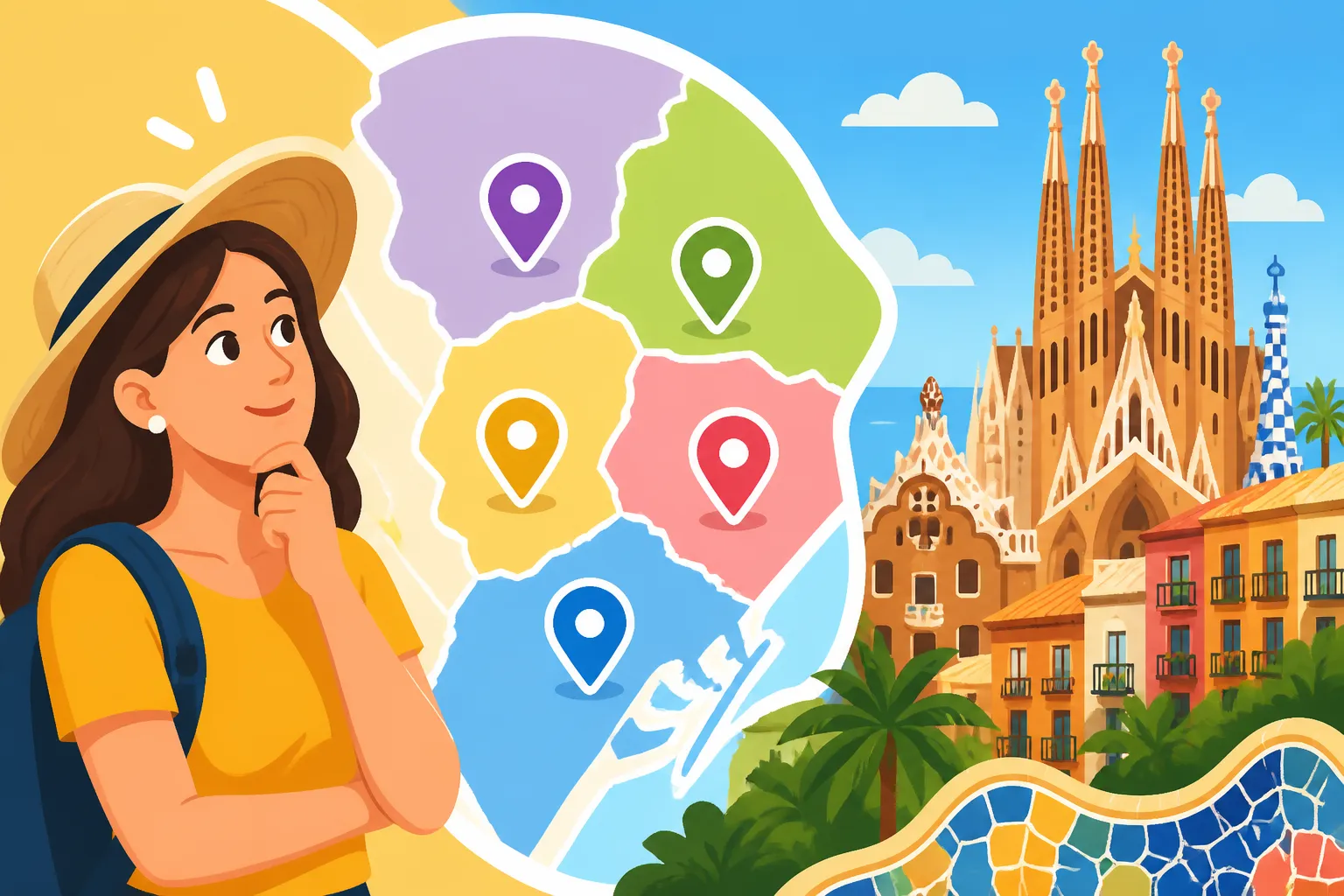
Oh, the age-old question that plagues every first-timer (and even some seasoned expats!) heading to this magnificent city: "Where exactly should I stay in Barcelona?" It's not just about finding a roof over your head; it's about finding the right vibe, the perfect launchpad for your Spanish adventure. With its labyrinthine Gothic alleys, grand boulevards, and sun-kissed beaches, Barcelona offers a dazzling array of neighborhoods, each with its own distinct personality. This guide is here to cut through the confusion and help you pinpoint the ideal area to unpack your bags, ensuring your stay is nothing short of spectacular.
Disclosure: This post may contain affiliate links. We may earn a commission at no extra cost to you if you make a purchase through these links. Read full disclosure.
Understanding Barcelona's Vibe: What Kind of Traveler Are You?
Before we dive into the nitty-gritty of individual neighborhoods, let's take a moment to reflect on what kind of experience you're truly seeking in Barcelona. The city is a chameleon, capable of offering everything from frenetic nightlife to tranquil mornings by the sea, from high-brow cultural immersion to casual street art exploration. Knowing your priorities will be your compass in navigating the city's diverse districts.
The History Buff and Culture Seeker
If your idea of a perfect day involves wandering through ancient streets, marveling at architectural masterpieces, and soaking up centuries of history, then certain areas will speak to your soul. You'll want to be close to the grand cathedrals, the Roman ruins, and the modernist marvels that define Barcelona's rich past and vibrant artistic scene. Think winding alleyways, hidden plazas, and the sheer joy of stumbling upon a piece of living history around every corner. For you, accessibility to museums and historic sites is paramount, and you likely won't mind a bit of a bustling atmosphere that comes with being at the heart of it all.
Imagine sipping a coffee in a square where Picasso once walked, or being just a short stroll from Gaudí's early works. These central, historic districts offer that immersive experience, sometimes at the expense of quiet evenings, but always with a palpable sense of Barcelona's enduring spirit. You might be the kind of traveler who thrives on being able to step out of your door and immediately be enveloped in the city's narrative, ready to explore every nook and cranny. Check out our guide on how to avoid crowds at the Sagrada Família if this is high on your list!
The Beach Lover and Relaxed Explorer
Perhaps your vision of a perfect Barcelona trip includes sun, sand, and the soothing sound of waves. You dream of morning runs along the promenade, lazy afternoons catching rays, and fresh seafood dinners with a sea breeze. While Barcelona is a major European city, it's also wonderfully coastal, offering urban beaches that are surprisingly accessible. If you prioritize easy access to the Mediterranean and a more laid-back, resort-like feel during your downtime, even if it means being a little further from the absolute core historical sights, then a beachside neighborhood is definitely for you.
These areas offer a different rhythm, often a touch quieter in the evenings compared to the city center, and provide a fantastic escape from the urban hustle. It's about balancing city exploration with seaside relaxation, ensuring you get the best of both worlds. The convenience of a quick dip in the sea after a day of sightseeing is an undeniable draw for many, allowing you to truly unwind and enjoy Barcelona's sunny climate.
The Night Owl and Party Goer
For those who believe a city truly comes alive after dark, Barcelona's nightlife scene is legendary. From chic cocktail bars and pulsing nightclubs to authentic flamenco shows and late-night tapas joints, the options are endless. If your itinerary includes dancing until dawn, sampling local craft beers, or soaking in live music, then you'll want to be nestled in an area known for its vibrant evening energy. Convenience to bars, clubs, and late-night eateries will be a key factor, minimizing travel time and maximizing your fun.
These neighborhoods are typically buzzing from evening well into the early hours, offering a dynamic and social atmosphere. You’ll find people spilling out of bars, music drifting from various venues, and a general celebratory mood. It’s important to note that "late" in Spain means truly late, with dinners often starting at 9 PM and going out not truly kicking off until past midnight. Being strategically located means you can easily stumble home or grab a quick taxi without any hassle after an unforgettable night.
The Family Vacationer
Traveling with children presents its own unique set of considerations. You'll likely be looking for areas that offer green spaces, playgrounds, family-friendly dining options, and a sense of safety and calm. Proximity to attractions that appeal to all ages, good transport links without being overly crowded, and perhaps quieter streets for bedtime are often high on the list. Families often seek a balance between sightseeing and having comfortable, practical amenities nearby.
These neighborhoods tend to be residential but still offer excellent connectivity to the city's main attractions. They provide a more relaxed pace, with parks where kids can run free and restaurants that cater to diverse tastes. Finding accommodation with enough space for everyone to spread out is also often a priority. Consider areas with good public transport that allow easy access to Barcelona's best family-friendly destinations without the stress of constant navigating or long commutes.
The Budget-Conscious Traveler
Let's be real, Barcelona can be pricey, especially if you're staying right in the tourist hotbeds. If you're traveling on a shoestring or simply prefer to save your euros for experiences rather than expensive accommodation, then looking slightly outside the most central or trendy areas can yield significant savings. This might mean a slightly longer commute to some attractions, but it often comes with the bonus of experiencing more authentic, local neighborhoods and finding more affordable eateries and shops.
These areas often feature a mix of local life and good value hotels or apartments. You'll find genuine local markets, community parks, and a less tourist-centric atmosphere. The trade-off for a slightly longer metro ride is usually a more spacious, quieter, and definitely more wallet-friendly stay. Plus, you’ll get to see parts of Barcelona that many tourists miss, giving you a deeper appreciation for the city beyond its postcard-perfect sites.
Diving Deep into Barcelona's Top Neighborhoods
Now that you've got a clearer picture of your travel style, let's explore some of Barcelona's most popular and distinct neighborhoods. Each offers a unique blend of atmosphere, attractions, and amenities.
Ciutat Vella (Gothic Quarter, El Born, El Raval)
This is Barcelona's historical heart, the "Old City," and it's where much of the magic began. Ciutat Vella is divided into several sub-neighborhoods, each with its own character.
Gothic Quarter (Barri Gòtic)
Stepping into the Gothic Quarter is like stepping back in time. It's a labyrinth of narrow, winding cobblestone streets, ancient Roman walls, hidden plazas, and stunning medieval architecture. You'll find the magnificent Barcelona Cathedral here, along with countless boutiques, artisanal shops, and small, atmospheric bars and restaurants. It's incredibly central, putting you within easy walking distance of Las Ramblas, Plaça de Catalunya, and the port.
The vibe here is undeniably romantic and historic, perfect for those who crave immersion in Barcelona's past. However, it can also be very crowded, especially during peak season, and some of the smaller streets can feel a bit enclosed. Accommodation ranges from charming boutique hotels nestled in historic buildings to older apartments. It's fantastic for history buffs and culture seekers who want to be in the absolute thick of things, but perhaps less ideal for families seeking quiet evenings or those on a tight budget, as prices tend to be higher. You'll be right on the doorstep of "Barcelona for First-Time Visitors: What to See and Skip".
El Born
Adjacent to the Gothic Quarter, El Born offers a similar historic charm but with a slightly more bohemian, trendy edge. It's known for its designer boutiques, vibrant tapas bars, art galleries (including the Picasso Museum), and the impressive Santa María del Mar basilica. The Passeig del Born is a lively promenade, especially in the evenings, with outdoor terraces buzzing with activity.
El Born strikes a wonderful balance between history and modernity. It's great for couples, those seeking a lively atmosphere, and culture lovers who appreciate art and design alongside ancient streets. While still central and busy, it feels a bit more refined than some parts of the Gothic Quarter. You'll find plenty of fantastic spots to try authentic Spanish tapas culture: how to order and where to go. It offers stylish apartments and hotels, generally a bit pricier due to its popularity.
El Raval
Once considered the city's rougher, edgier district, El Raval has undergone significant regeneration. It's now a melting pot of cultures, known for its vibrant street art, independent shops, quirky bars, and diverse culinary scene. You'll find the MACBA (Museum of Contemporary Art of Barcelona) here, along with the CCCB (Centre of Contemporary Culture of Barcelona). It borders Las Ramblas on one side and Sant Antoni on the other.
El Raval offers a more gritty, authentic, and multicultural experience. It's perfect for budget-conscious travelers, artists, and those who appreciate an alternative, urban vibe. While some parts are still a bit rough around the edges, especially late at night, many areas are lively and full of character. It's also often where you'll find more affordable accommodation options in the very center of the city, from hostels to budget-friendly guesthouses.
Eixample (Dreta de l'Eixample, Esquerra de l'Eixample)
The Eixample, meaning "expansion" in Catalan, is Barcelona's grand, grid-like extension built in the 19th century. It's famous for its wide boulevards, elegant modernist architecture, and the iconic Sagrada Família, Casa Batlló, and Casa Milà. This area offers a stark contrast to the winding streets of Ciutat Vella.
Dreta de l'Eixample (Right Eixample)
This section, particularly around Passeig de Gràcia, is Barcelona's upscale shopping and architectural hub. You'll find luxury boutiques, high-end restaurants, and some of Gaudí's most famous works. It's a sophisticated and elegant district, with beautiful tree-lined streets and a more open, airy feel compared to the Old City.
It's an excellent choice for those seeking comfort, elegance, and high-end experiences, as well as easy access to major architectural sights. Families might appreciate the wider sidewalks, but it's generally a more adult-oriented area. Accommodation here is predominantly stylish hotels and larger, often renovated, apartments. It's well-connected by metro, making it easy to reach other parts of the city.
Esquerra de l'Eixample (Left Eixample)
While still part of the grand Eixample, the left side tends to be a bit more residential and slightly less touristy than its right counterpart. It offers a fantastic array of local cafes, smaller shops, and a vibrant LGBTQ+ scene, particularly around the 'Gaixample' area. It maintains the elegant architecture and wide streets of Eixample but with a slightly more local, neighborhood feel.
This area is great for travelers looking for a comfortable, well-located base that's a little removed from the intense tourist crowds but still very accessible. It offers excellent dining options, from traditional Spanish fare to international cuisine. You'll find plenty of good quality hotels and serviced apartments here, often at a slightly better value than Dreta de l'Eixample. It’s perfect for those who enjoy a lively local atmosphere without being overwhelmed by tourists, and it boasts excellent connectivity via the Barcelona Metro, making it simple to get around.
Gràcia
Once an independent village, Gràcia retains a distinct charm and identity that sets it apart from the rest of Barcelona. It's known for its picturesque plazas (Plaça del Sol, Plaça de la Vila de Gràcia, Plaça de la Revolució), bohemian vibe, independent shops, artisan workshops, and a fantastic array of bars and restaurants. Parc Güell is also located on its northern edge.
Gràcia is perfect for couples, artists, and those seeking a charming, village-like atmosphere with a strong local community feel. It's less touristy than Ciutat Vella or central Eixample, offering a more relaxed pace and an abundance of lovely outdoor terraces where you can while away the hours. The narrow streets are delightful for wandering, though they can be a bit hilly towards the northern parts. Accommodation tends to be in smaller boutique hotels or charming apartments. It's a great spot if you’re looking for a slightly more authentic "Barcelona-as-a-local" experience, though its metro connections are still excellent.
Barceloneta
If the beach is your absolute top priority, then Barceloneta is your undisputed champion. This triangular spit of land jutting into the sea is where you'll find Barcelona's most famous city beach, along with a bustling promenade, seafood restaurants, and a lively, laid-back atmosphere. It was historically a fishing district, and you can still feel that heritage in its narrow streets and community spirit.
Barceloneta is ideal for beach lovers, sun worshippers, and those who enjoy fresh seafood and a casual, seaside vibe. It's particularly popular in summer. While it offers quick access to the beach, it is also a short walk or metro ride to the Gothic Quarter and El Born. Families might appreciate the beach access, but it can also be quite lively and noisy, especially closer to the beachfront bars (chiringuitos). Accommodation here includes many holiday rental apartments and some hotels, offering direct access to the sand and sea.
Poblenou
Further up the coast from Barceloneta, Poblenou is a fascinating district that perfectly blends its industrial past with a modern, innovative future. Once known as the "Catalan Manchester" due to its factories, it's now home to the 22@Barcelona innovation district, attracting tech companies and creatives. It boasts long stretches of less crowded beaches, the beautiful Parc de la Ciutadella, and the iconic Torre Glòries. The Rambla de Poblenou is a lovely pedestrian street filled with cafes, bars, and local life.
Poblenou is an excellent choice for those seeking a modern, relaxed, and slightly less touristy experience with great beach access. It's increasingly popular with digital nomads and families due to its spacious feel, green areas, and more affordable housing compared to the city center. You'll find a mix of modern apartments and renovated industrial spaces. It's well-connected by metro and tram, offering a different facet of Barcelona that feels both contemporary and authentic.
Sants-Montjuïc (Poble Sec, Hostafrancs)
This large district encompasses a variety of areas, but for travelers, Poble Sec and the area around Sants Estació (train station) are most relevant.
Poble Sec
Nestled at the foot of Montjuïc hill, Poble Sec offers a charming, residential feel with a burgeoning culinary scene. It's particularly known for its "pincho" bars (Basque-style tapas), especially along Carrer de Blai, which buzzes in the evenings. You're also close to the Magic Fountain of Montjuïc and the Poble Espanyol, making it a great base for exploring the Montjuïc parks and cultural sites.
Poble Sec is excellent for budget-conscious travelers, foodies, and those who appreciate a local, residential vibe with good access to cultural attractions on Montjuïc. It’s well-connected by metro to the city center, offering a quieter retreat after a day of sightseeing. You'll find a range of budget to mid-range hotels and apartments here.
Hostafrancs / Sants Estació
Around the major Sants train station, this area is primarily a transport hub but also offers practical, no-nonsense accommodation. It's incredibly well-connected for traveling to other parts of Spain (you can easily book train tickets via Omio) and for getting to and from Barcelona Airport.
While not the most picturesque, it's highly convenient for business travelers, those arriving or departing by train, or anyone looking for easy connectivity. Accommodation tends to be functional and often offers good value. You can find out more about getting from Barcelona Airport to the city center from this area.
Les Corts / Sarrià-Sant Gervasi
These districts are further from the absolute city center, leaning heavily into residential, affluent areas.
Les Corts
Home to FC Barcelona's Camp Nou stadium, Les Corts is a predominantly business and residential district. It's quieter, greener, and more spread out than central Barcelona, offering a very local, sophisticated feel. It's a great option for those attending football matches or business conferences.
This area is ideal for longer stays, families seeking peace and quiet, or travelers who prioritize comfort and a non-touristy environment. You'll find upscale hotels and larger apartments. While further out, it has excellent metro connections to all major sights.
Sarrià-Sant Gervasi
One of Barcelona's most exclusive neighborhoods, Sarrià-Sant Gervasi, offers a truly tranquil, upscale residential experience. It still retains a village feel in parts, with charming squares, local markets, and beautiful parks. This is where many affluent locals reside.
If you're looking for a luxurious, peaceful retreat away from the tourist bustle, and don't mind a slightly longer commute, this could be perfect. It’s ideal for longer-term visitors or those seeking a very high-end experience. The accommodation here tends to be grander apartments or boutique hotels.
Practical Considerations for Your Stay
Choosing the right area is just the first step. Thinking about how you'll move around, where you'll find your accommodation, and how to stay safe will make your trip even smoother.
Transport Links and Connectivity
Barcelona boasts an excellent public transport system, including metro, buses, and trams. Most neighborhoods are well-served, especially those within the Eixample and Ciutat Vella. However, areas like Gràcia (especially the higher parts) and Sarrià-Sant Gervasi might require a bit more walking to reach a metro station, or a transfer or two.
Consider how much you value being able to walk everywhere versus relying on public transport. While the Gothic Quarter is walkable to many major sights, you'll still use the metro to reach Parc Güell or the beach. Knowing how to use the Barcelona Metro as a first-time visitor is a game-changer, and it's generally very efficient and safe. You can also explore options for renting a car in Spain if you plan on extensive day trips or exploring beyond the city limits. However, for getting around the city itself, public transport is usually best.
Accommodation Types and Booking Platforms
Barcelona offers a huge variety of accommodation, from budget-friendly hostels and guesthouses to luxury hotels and charming holiday apartments. Your chosen neighborhood will influence the style and availability of options. For instance, you'll find more historic, boutique hotels in Ciutat Vella, while Eixample offers grander hotels and more modern apartments. Poblenou is seeing a rise in stylish, contemporary rentals.
When booking, platforms like Booking.com offer a vast selection of hotels and apartments across all neighborhoods, often with flexible cancellation policies. For tours and experiences, GetYourGuide is an excellent resource to book skip-the-line tickets for major attractions or unique local experiences, which can be particularly useful in popular areas. For flights and train tickets within Spain or Europe, Omio is a handy tool to compare routes and prices. Always ensure your chosen accommodation is legitimate and read reviews, particularly if booking apartments in residential areas, to avoid any surprises. Remember to check out general advice on accommodation in Spain for tips.
Safety and Local Nuances
Barcelona is generally a safe city, but like any major tourist destination, it has its share of petty crime, particularly pickpocketing in crowded areas like Las Ramblas, the Gothic Quarter, and on public transport. Always be aware of your surroundings, especially in busy tourist zones and late at night. Some parts of El Raval, while vibrant, can feel a bit more edgy after dark.
It's always wise to practice common sense safety measures, such as keeping valuables out of sight, not leaving bags unattended, and being mindful when using your phone in public. Choosing a well-lit street for evening strolls and sticking to main thoroughfares can also make a difference. Our guide on staying safe in Spain offers more practical safety tips for new residents. Embrace the local nuances, like late dining (Spanish meal times and dining etiquette explained), but always prioritize your personal safety and comfort.
| Neighborhood | Vibe/Best For | Proximity to Main Sights | Nightlife | Cost (Accommodation) | Transport |
|---|---|---|---|---|---|
| Gothic Quarter | History buffs, first-timers, romantic | Excellent (walkable) | Lively | High | Good (Metro) |
| El Born | Culture, trendy, bohemian, couples | Excellent (walkable) | Lively | High | Good (Metro) |
| El Raval | Budget, alternative, multicultural, artsy | Excellent (walkable) | Edgy/Lively | Low-Medium | Good (Metro) |
| Dreta de l'Eixample | Upscale, architecture, shopping, sophistication | Good (short metro) | Moderate | High | Excellent (Metro) |
| Esquerra de l'Eixample | Residential, local, comfort, LGBTQ+ | Good (short metro) | Moderate | Medium | Excellent (Metro) |
| Gràcia | Village feel, bohemian, local, couples | Medium (metro ride) | Lively | Medium | Good (Metro) |
| Barceloneta | Beach lovers, casual, seafood | Medium (walk/bus/metro) | Lively | Medium-High | Good (Metro/Bus) |
| Poblenou | Modern, beach, tech, relaxed, families | Medium (metro/tram) | Moderate | Medium | Good (Metro/Tram) |
| Poble Sec | Foodies, budget, local, culture on Montjuïc | Medium (short metro) | Lively | Low-Medium | Good (Metro) |
| Les Corts | Business, quiet, families, FC Barcelona | Far (metro ride) | Quiet | Medium-High | Excellent (Metro) |
| Sarrià-Sant Gervasi | Luxury, peaceful, long-term, upscale families | Far (metro ride) | Quiet | High | Good (Metro/FGC) |
Ultimately, Barcelona is a city that delights, no matter where you choose to rest your head. By considering your travel priorities and delving into the unique character of each neighborhood, you'll be well on your way to finding your perfect slice of Catalan heaven. Enjoy your journey, and don't forget to savor every moment of this incredible city!
Disclaimer
The information provided in this guide is intended for general informational purposes only. While we strive to keep the content up-to-date and accurate, situations can change rapidly. Always cross-reference details with official sources, local authorities, and reputable booking platforms before making any travel decisions. Travel conditions, prices, and regulations are subject to change.