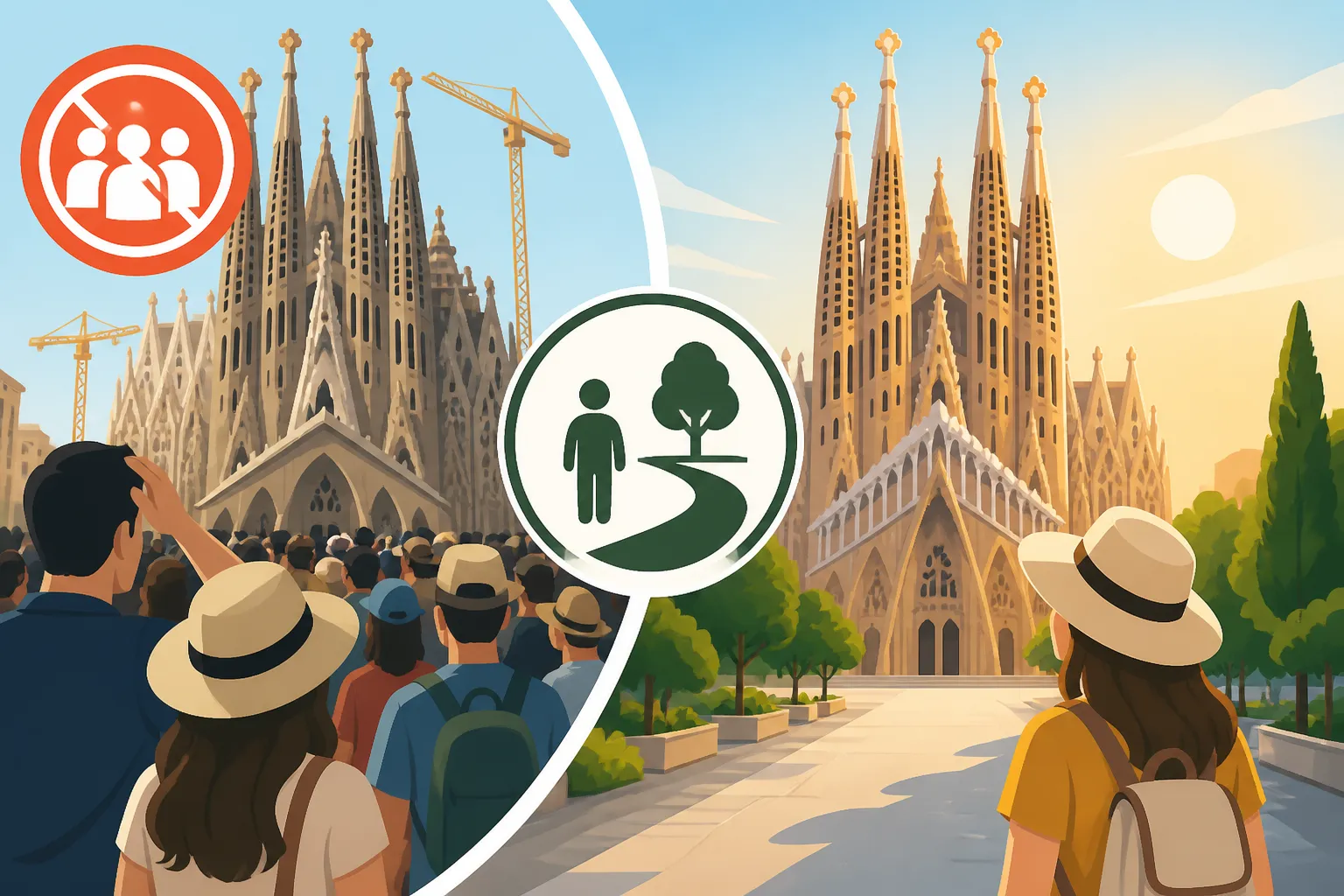
How to Avoid Crowds at the Sagrada Família
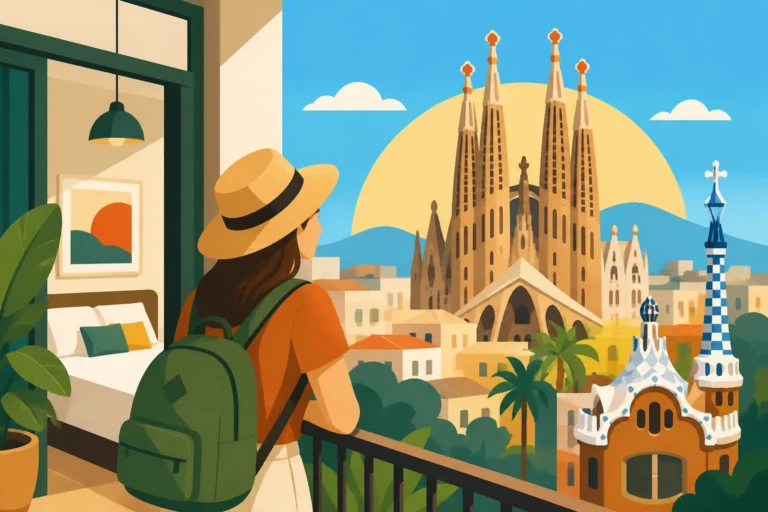
Ah, the Sagrada Família! It’s truly an awe-inspiring masterpiece, a crown jewel of Barcelona that draws millions to its unique blend of Gothic and Art Nouveau architecture. But let’s be real, darling, experiencing Gaudí's unfinished symphony often feels less like a spiritual journey and more like navigating a human obstacle course. This guide is going to spill all the expat secrets on how to dodge those crushing crowds and actually see the magic, allowing you to soak in its majesty without feeling like a sardine in a can.
Disclosure: This post may contain affiliate links. We may earn a commission at no extra cost to you if you make a purchase through these links. Read full disclosure.
Understanding the Sagrada Família's Enduring Popularity and Peak Times
Before we dive into the "how-to," it's vital to grasp why the Sagrada Família is such a magnet for visitors and what drives those inevitable crowd surges. It’s not just a church; it’s a living, breathing work of art, a UNESCO World Heritage site, and a testament to one man's incredible vision.
Why It's Always So Crowded
Let's face it, the Sagrada Família is an iconic global landmark, ranking consistently among the most visited attractions in Spain, and often Europe. Its sheer scale and intricate details, from the Nativity Facade's organic sculptures to the Passion Facade's stark, angular figures, captivate everyone. Antoni Gaudí's genius is evident in every stone, column, and stained-glass window, drawing people from every corner of the world. Moreover, its status as an ongoing construction project, with completion anticipated around 2026, adds to its allure – visitors are not just seeing history, but witnessing its making. This continuous appeal, coupled with Barcelona's immense popularity as a tourist destination, means the Sagrada Família is almost never truly "empty."
Beyond its architectural wonder, the Sagrada Família holds a deep spiritual significance. It's an active basilica, hosting masses and religious events, which can sometimes impact visitor access or contribute to localized crowds, especially around major religious holidays. Its history, Gaudí's tragic story, and the sheer ambition of the project all contribute to its mystique, ensuring a steady stream of curious minds year-round.
Identifying Peak Seasons and Daily Rush Hours
Just like any major attraction, the Sagrada Família experiences distinct peak times. Understanding these patterns is your first step to a more tranquil visit.
Peak Seasons:
- Summer (June, July, August): This is the absolute busiest time. European school holidays align, and many international tourists flock to Spain for the sun, beaches, and city breaks. Expect long queues, packed interiors, and a buzzing atmosphere (sometimes too buzzing!). Accommodation also tends to be at its highest during these months.
- Easter Week (Semana Santa): As a basilica, Easter is a profoundly significant period, attracting both religious pilgrims and tourists. While the religious ceremonies are beautiful, they coincide with school breaks, creating major crowd hotspots.
- Public Holidays and Long Weekends: Spain loves its fiestas and puentes (long weekends). National or regional holidays can turn an otherwise quiet weekday into a bustling tourist day. It's always a good idea to check the Public Holidays in Spain: How They Affect Travel and Opening Hours before planning your trip.
Daily Rush Hours:
- Mid-morning (10:00 AM – 2:00 PM): This is when most organized tour groups arrive, fresh from breakfast and ready to hit the sights. The basilica tends to fill up quickly, and the queue for entry, even with pre-booked tickets, can be substantial.
- Early Afternoon (2:00 PM – 4:00 PM): While slightly less intense than mid-morning, this period is still very popular, especially with those finishing lunch or transitioning from other nearby attractions. The light inside the basilica can also be at its harshest, depending on the time of year, affecting photo opportunities.
Strategic Planning for a Serene Visit
Now for the good stuff! Avoiding the biggest throngs requires a bit of cunning and foresight, but trust me, it’s entirely possible to carve out a wonderfully peaceful experience.
Best Times of Day to Visit
This is perhaps the most crucial piece of advice for crowd avoidance. Aim for the "shoulder" hours of the day.
- First Thing in the Morning (9:00 AM – 10:00 AM): Be there at opening time. Seriously, be among the first. The air inside is cooler, quieter, and the light streaming through the stained-glass windows is often breathtakingly soft and magical. You'll get to wander relatively freely, take photos without a hundred heads in the way, and truly appreciate the scale. This window is your best bet for moments of genuine serenity.
- Late Afternoon (After 4:00 PM, especially 5:00 PM onwards): As the day progresses, tour groups start to disperse, and many visitors head off for dinner or other activities. The light in the late afternoon can also be incredibly dramatic, particularly as the sun begins to set, casting long shadows and illuminating the interior with warm hues. The period between 5:00 PM and closing time is often significantly less crowded than the midday rush. Check the official Sagrada Família website for precise closing times, as they can vary seasonally.
- Avoiding Lunch Hours: While not a peak time, the Spanish lunch hour (typically 2:00 PM to 4:00 PM) can see a slight dip in visitor numbers as people head for their menú del día. However, this isn't as reliable as early morning or late afternoon for significant crowd reduction.
Best Days of the Week and Months to Visit
Thinking about your calendar carefully can also make a huge difference.
- Weekdays Are Your Friend: Tuesdays, Wednesdays, and Thursdays are generally the quietest days. Mondays can sometimes be busier due to attractions closing on other days, and Fridays often see a slight uptick as weekenders begin to arrive. Saturdays and Sundays, understandably, are almost always packed. If you have flexibility in your itinerary, always opt for a mid-week visit.
- Shoulder Seasons for the Win: Forget summer if you can. The "shoulder seasons" offer the best balance of pleasant weather and fewer crowds.
- Spring (April, May): Beautiful weather, fewer crowds than summer, and the city is vibrant with blooming flowers. Just be mindful of Easter, which can fall in April.
- Autumn (September, October): Again, fantastic weather, and as schools resume, the tourist numbers drop significantly. Early September can still feel a bit like summer, but by mid-month, it's usually much more manageable. You'll find it a great time for exploring Barcelona for First-Time Visitors: What to See and Skip more broadly.
- Winter (November – March, excluding holidays): If you don't mind cooler temperatures, winter can be surprisingly good for crowd avoidance, especially in January and February. The festive period around Christmas and New Year will, of course, be busy, but outside of that, you'll experience a much calmer Barcelona. Plus, flight and accommodation prices can be lower during this period.
Special Events and Closures to Avoid
Always, always, always check the official Sagrada Família website for any special events, maintenance closures, or altered opening hours before you go. Religious services can mean restricted access to certain parts of the basilica. During specific Masses, particularly international ones, visitor access might be paused or parts of the main nave inaccessible.
Beyond the Sagrada Família itself, major city events like the La Mercè festival in September, the Mobile World Congress, or large sporting events can draw massive crowds to Barcelona, making every attraction, including Gaudí's masterpiece, busier than usual. Planning your visit to Barcelona generally, including considering when to use Getting Around Spanish Cities: Metro, Bus, Tram, and Bikes, is key.
Smart Ticketing and Entry Hacks
Getting your tickets sorted ahead of time is not just a convenience; it's a strategic weapon in your battle against the crowds.
Why Pre-Booking Online Is Crucial
This cannot be stressed enough: DO NOT just show up and expect to buy a ticket on the day. The queues for on-the-day tickets are often hours long, stretching far outside the entrance, and there's no guarantee you'll even get in, especially during peak times, as tickets can sell out.
- Guaranteed Entry & Time Slots: Pre-booking online secures your entry for a specific date and, crucially, a specific 15-minute time slot. This means you can bypass the main ticket purchase queue entirely and head straight for the entrance. It's a lifesaver.
- "Skip-the-Line" Access: Many online tickets are explicitly "skip-the-line." While you might still queue briefly for security, this is typically much faster than waiting for ticket purchase and entry.
- Convenience: Print your tickets at home or have them on your phone, ready to scan. No fumbling with cash or language barriers at a ticket window.
Choosing the Right Ticket Type
The Sagrada Família offers several types of tickets, and choosing wisely can enhance your experience.
- Basic Entry Ticket: This gets you into the basilica. It's the most fundamental option and perfectly sufficient for many.
- Entry with Audio Guide: Highly, highly recommended. The audio guide (available in many languages) provides invaluable context, explaining the intricate symbolism, Gaudí's vision, and the ongoing construction process. It transforms your visit from merely looking at pretty architecture to understanding a profound narrative. You can often download an app for the audio guide, so bring headphones!
- Entry with Guided Tour: For a deeper dive, consider a guided tour. These are led by expert guides who can answer questions and offer unique insights. They are typically available in various languages. Services like
GetYourGuideoften offer excellent small-group guided tours, which can further enhance the experience by keeping your group size manageable. - Entry with Tower Access: This is a popular add-on, allowing you to ascend one of the completed towers (Nativity or Passion Facade) for panoramic views of Barcelona and a closer look at Gaudí's structural elements. Be aware:
- Limited Availability: Tower tickets sell out very quickly due to limited capacity and timed entry. If you want to go up a tower, book these even further in advance.
- Accessibility: You go up by lift but descend by a narrow, spiral staircase. This is not suitable for everyone, including those with mobility issues or claustrophobia. Small children may also find the descent challenging.
- Views: While interesting, the views can be somewhat obstructed by netting or building elements. Manage your expectations.
When planning your purchase, consider platforms like Omio not just for train or bus tickets to Barcelona, but also for curated travel experiences that might include Sagrada Família tickets bundled with other attractions or transport.
Utilizing Specific Tour Operators
While you can book directly on the official Sagrada Família website, using reputable third-party booking platforms can sometimes offer advantages like flexible cancellation policies, bundled deals, or access to more diverse tour options.
- GetYourGuide: This platform is fantastic for finding a wide array of Sagrada Família tours, from basic skip-the-line tickets to comprehensive guided experiences that might include additional Barcelona highlights. They often have good last-minute availability, though booking far in advance is always best for the Sagrada Família.
- Other Platforms: Many other reputable tour operators and ticketing sites offer similar options. Always compare prices, inclusions (audio guide, tour guide, tower access), and cancellation policies before booking.
Navigating the Experience Once Inside
You've successfully dodged the major queues, you're inside, and now it's time to immerse yourself. Even with fewer crowds, the sheer size of the basilica means you'll encounter other people. Here's how to make the most of it.
Exploring Different Areas
Give yourself ample time, at least 1.5 to 2 hours, for the basic entry, and more if you have a guided tour or tower access.
- The Nave: This is the heart of the basilica, with its towering, tree-like columns and incredible stained-glass windows. Take your time to walk around, sit on the benches, and look up. The light changes constantly throughout the day, creating an ever-shifting kaleidoscope of colors.
- The Facades: Don't just rush past the Nativity and Passion Facades outside. Spend time examining their intricate details. The Nativity Facade, facing East, is Gaudí’s original work, rich with life and symbolism. The Passion Facade, facing West, is a stark contrast, designed by Josep Maria Subirachs, depicting Christ’s final days. If you're using an audio guide, these sections are usually covered in great detail.
- The Crypt: Located beneath the main basilica, this is where Gaudí himself is buried. It's often quieter and offers a sense of solemnity. Check if your ticket includes access or if it's restricted to specific times.
- The Museum: Situated in the basement, the museum provides a fascinating insight into Gaudí's working methods, models, and the history of the basilica. It’s a great place to understand the scale of the project and see how it all comes together. This area can be a good escape if the main nave feels too busy.
- The Towers: As mentioned, these offer different perspectives. The Nativity Facade tower views lean towards the older parts of the city and the sea, while the Passion Facade towers offer vistas over the newer districts and inland. Remember the narrow descent!
Tips for Enjoying the Visit Despite Crowds
Even with careful planning, you won't have the Sagrada Família entirely to yourself. Here's how to maintain your zen.
- Focus Your Gaze: Instead of being overwhelmed by the multitude of people, direct your attention upwards, to the intricate details, the light, and the vastness of the space. Look for specific architectural elements that catch your eye.
- Utilize the Audio Guide: Put on your headphones and let the narrative guide you. It creates a personal bubble, allowing you to tune out the ambient noise and focus on the story of the basilica.
- Take Breaks: If you start to feel overwhelmed, find one of the benches, sit down, and simply be. Observe the light, the colors, and the subtle changes around you. Sometimes a short pause helps reset your perspective.
- Patience is a Virtue: You might have to wait a moment to get the perfect photo angle or to move through a particularly narrow section. Embrace it as part of the experience of visiting a world-renowned landmark.
- Go Digital: If you're a photography enthusiast, consider using a good camera phone with wide-angle capabilities rather than lugging heavy camera gear. You'll be more agile in crowded spaces.
Post-Visit Relaxation Spots Nearby
After your awe-inspiring visit, you'll likely want to decompress. Thankfully, the area around the Sagrada Família offers several options.
- Gaudí's Park (Plaça de Gaudí): Directly opposite the Nativity Facade, this park offers a lovely green space with benches. It's perfect for sitting, reflecting, and getting those iconic exterior shots of the basilica with its reflecting pond. It can still be busy, but offers more breathing room than inside.
- Local Cafés: Head a few blocks away from the immediate tourist trap restaurants to find more authentic local cafés where you can grab a coffee, a pastry, or a light snack. It's a great way to observe local life and recharge.
- Sant Pau Recinte Modernista: A short walk from the Sagrada Família, this stunning former hospital complex is another UNESCO site, often overlooked by tourists. It’s a tranquil oasis of Modernista architecture, much less crowded, and a wonderful place to continue your architectural exploration in peace.
- Accommodation in Quieter Areas: If you're planning your trip, consider booking accommodation a little outside the immediate tourist hotspots, which
Booking.comcan help you with. This allows you to retreat to a calmer environment after a day of sightseeing. Perhaps look into areas slightly further out but with good metro connections, like Gràcia, known for its village-like charm and independent shops.
Crowd Level Comparison Table
To give you a clearer picture, here's a general guide to crowd levels at the Sagrada Família based on my expat experiences and general tourism patterns. Remember, these are generalizations, and specific events can always alter the reality!
| Time of Day/Season | Crowd Level | Notes |
|---|---|---|
| Early Morning (9:00 – 10:00 AM) | Low to Moderate | Best chance for tranquility. First groups arriving. |
| Mid-Morning (10:00 AM – 2:00 PM) | High | Peak time for tour groups and general visitors. |
| Early Afternoon (2:00 PM – 4:00 PM) | Moderate to High | Still busy, slight dip during Spanish lunch hour. |
| Late Afternoon (4:00 PM – Closing) | Moderate to Low | Crowds thin out. Beautiful light for photography. |
| Mid-Week (Tues-Thurs) | Low to Moderate | Significantly calmer than weekends. |
| Weekends (Sat-Sun) | High | Consistently busy, expect longer waits and denser crowds. |
| Winter (Nov-Mar, ex. holidays) | Low | Coldest months, but fewest tourists. Best for budget travel too. |
| Spring (Apr-May, ex. Easter) | Moderate | Pleasant weather, growing crowds but manageable. |
| Summer (Jun-Aug) | Very High | Hottest, busiest, most expensive time to visit. |
| Autumn (Sep-Oct) | Moderate | Ideal balance of good weather and fewer crowds. |
Ultimately, visiting the Sagrada Família is an unforgettable experience, regardless of the crowds. But with a little strategic planning and insider knowledge, you can truly elevate your visit from a rushed photo op to a deeply meaningful encounter with one of the world's architectural wonders. Enjoy your adventure, and may Gaudí’s spirit guide you to a crowd-free corner!
Disclaimer
The information provided in this guide is intended for general informational purposes only and is subject to change. While we strive to keep the content up-to-date, opening hours, ticket prices, crowd levels, and public holiday schedules for the Sagrada Família and Barcelona can vary. It is always recommended to check the official Sagrada Família website and other reliable sources for the most current information before planning your visit. We do not assume any liability for decisions made based on this information.