How to Find Free Festival Events in Spanish Cities
You arrive in Madrid or Seville, hear brass bands two streets away, and still have no idea whether the concert in the main square is free, ticketed or invitation-only. Spanish cities run huge numbers of no-cost festival events, but the information lives on municipal websites, posters and local word of mouth. This guide shows how to find free festival events, read the listings, and plan around them.
Disclosure: This post may contain affiliate links. We may earn a commission at no extra cost to you if you make a purchase through these links. Read full disclosure.
Why Free Festival Events in Spain Are Easy to Miss
When I first moved here, I assumed big events would be advertised the way they are back home, with one central website, a ticket link and a clear “free” badge. Spain doesn’t work that way. Festivals are usually organised by the local ayuntamiento, a neighbourhood association, a parish brotherhood, or all three together. Each publishes its own programme in its own format, and much of the best material only appears a week or two before the event.
The good news is that a large share of Spanish festival life is free. Processions, fireworks, street parades, open-air concerts in plazas, children’s activities in parks and neighbourhood dances are mostly paid for by the city and open to anyone. You just need to know where to look and how to read the small print.
The Municipal Model Behind Most Fiestas
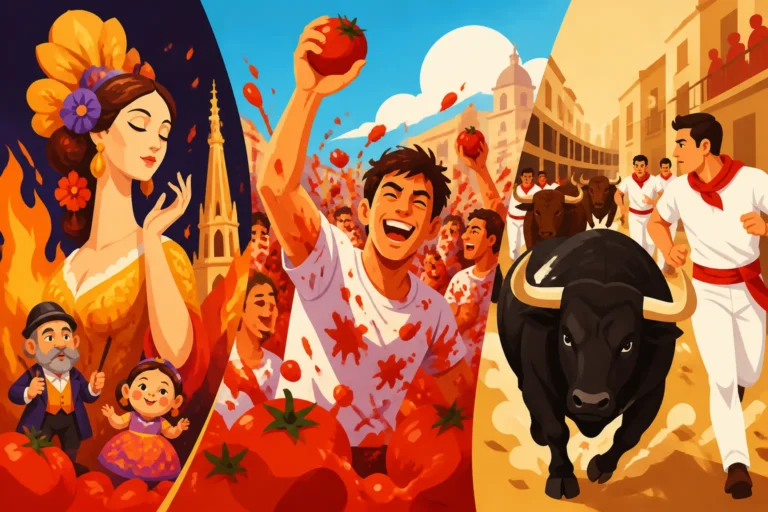
Most fiestas in Spain are public celebrations, not commercial products. The city hall funds the stage, the sound system, the fireworks and the security, and the event is open to everyone because it’s meant for residents. That’s why Madrid’s San Isidro in May puts free concerts in parks and squares, and why Barcelona’s La Mercè in late September fills the city with free shows, giant figures and correfocs.
For a visitor, the town hall is your most reliable source. Every ayuntamiento publishes a “programa de fiestas”, often as a downloadable PDF, a printed booklet handed out at tourist offices, or a section on the city’s agenda page. If you’re not used to municipal websites, Using Spanish ‘Ayuntamiento’ Services: What You Can Do Online explains how they’re usually organised and where the events agenda tends to sit.
Neighbourhood Fiestas Versus Citywide Celebrations
Here’s a distinction it took me a couple of summers to understand. Big cities have citywide fiestas, but they also have dozens of fiestas de barrio, neighbourhood festivals with their own processions, verbenas, which are open-air dances, and children’s games. In Madrid, August brings San Cayetano, San Lorenzo and La Paloma in the old central barrios, with free concerts and chotis dancing in the streets. In Barcelona, the Festa Major de Gràcia in mid-August turns whole streets into decorated outdoor rooms, and walking through them costs nothing.
These neighbourhood events rarely reach international travel sites. They’re advertised on lamp-post posters, in local bars and through neighbourhood associations. If you only check the major tourist portals, you’ll miss most of them. How to Find Local Fiestas Happening During Your Visit goes further into tracking these smaller celebrations down.
What Free Usually Covers and What It Does Not
Free in a Spanish festival context usually means the street-level experience: watching the parade, standing in the square for the concert, seeing the fireworks from the beach. It doesn’t always cover the best spots. In Seville during Semana Santa, the processions are free to watch from the street, but seats along the official route are sold separately. At the Feria de Abril, walking around the fairground is free, but most casetas, the striped tents, are private and belong to families, clubs or companies. A smaller number of public casetas are open to anyone.
Once you understand that layering, you’ll stop feeling shut out. The public, free layer is genuinely the heart of most festivals. The paid layers are mostly about comfort.
Where to Look for Free Events in Spanish Cities
Here’s the search routine I use whenever I visit a new city or a friend asks me what’s on.
A Step-by-Step Search Routine
- Identify which fiestas fall within your dates. Start with a broad calendar such as Spain’s Biggest Festivals: A Year-Round Calendar, then check whether the city you’re visiting has its own patron saint festival, its fiestas patronales, around the same time.
- Go to the ayuntamiento’s website and find the “Agenda”, “Cultura” or “Fiestas” section. Look for the official programme, usually published shortly before the festival.
- Download the programme PDF and search it for words like “gratuito”, “entrada libre” and “acceso libre”. Note the venue, the start time and any registration requirement.
- Check the city’s official tourism portal. Madrid, Barcelona, Valencia, Seville, Málaga and Bilbao all run tourism sites with event listings in English, though these usually feature the bigger headline acts.
- Look at local newspaper agenda sections. Regional papers publish weekend guides that often include free concerts, markets and children’s events the tourism sites skip.
- Follow the ayuntamiento, the culture department and the neighbourhood associations on social media. Last-minute changes, such as a concert moved indoors because of rain, usually appear there first.
- Visit the tourist office in person. Staff can hand you the printed programme and tell you which events are expected to fill up.
- Walk around and read the posters. Bars, bakeries and community notice boards carry carteles for neighbourhood events you won’t find online.
Tourist Offices, Civic Centres and Libraries
Tourist offices are underrated. In smaller cities like Cáceres, Salamanca or Zaragoza, the staff often helped organise the event, or know someone who did. They’ll tell you where locals stand for the fireworks, which concert is worth the wait, and whether a procession has changed its route.
Civic centres and public libraries are the other hidden source. Many host free workshops, film screenings, concerts and children’s activities tied to festival weeks, especially around Christmas, Carnival and the patron saint fiestas. How to Find Local Community Centers in Spain: Centro Civico Guide explains how these centres work and how to find their activity listings. If you enjoy cultural events in general, pair your festival plans with How to Find Free Museum Days in Spanish Cities, since many museums open their doors for free on special dates like International Museum Day or during a Noche de los Museos.
Reading Posters in Regional Languages
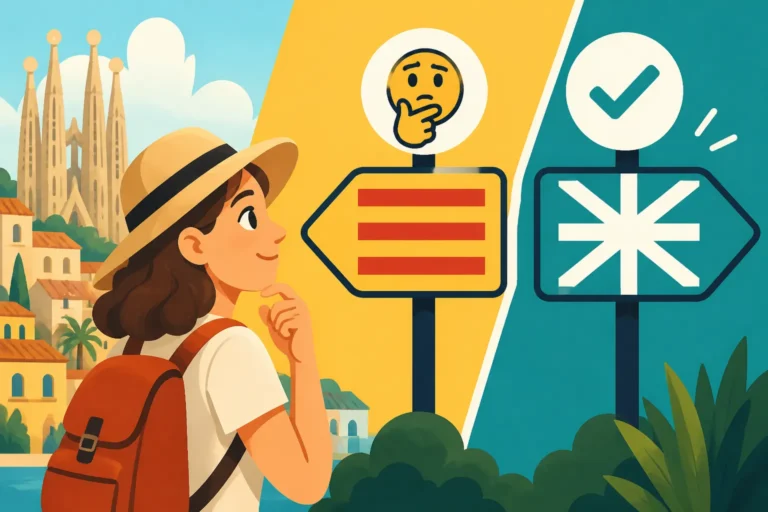
If you’re in Catalonia, Valencia, the Balearics, the Basque Country or Galicia, festival posters and programmes may be printed partly or entirely in Catalan, Valencian, Basque or Galician. In Barcelona you’ll see “gratuït” and “entrada lliure”. In Valencia during Fallas, much of the programme uses Valencian. In Bilbao and San Sebastián, Basque terms sit alongside Spanish.
Don’t let that put you off. Key information like dates, times and place names is usually easy to pick out, and a phone translation app handles the rest. For a practical primer on recognising common words on signage and posters, see How to Handle Catalan or Basque Signs as a Visitor.
Key Terms on Spanish Event Listings
This is the table I wish someone had handed me in my first year. It covers the phrases that tell you whether an event is free and what conditions apply.
| Term on the listing | What it means in practice | What you should do |
|---|---|---|
| Gratuito or gratis | Free of charge | Just turn up, but arrive early for popular acts |
| Entrada libre | Free entry, no ticket needed | Expect a queue at small venues |
| Entrada libre hasta completar aforo | Free until the venue reaches capacity | Arrive well before the start time |
| Con invitación | Free, but you need an invitation collected in advance | Check where invitations are handed out, often a box office or civic centre |
| Previa inscripción | Free, but you must register first | Register online or in person before the deadline |
| Acceso libre | Open access, usually outdoors | No ticket required |
| Recogida de entradas | Ticket pickup, sometimes free | Note the pickup date, since free tickets go quickly |
| Aplazado or suspendido | Postponed or cancelled | Check official channels for the new date |
| Por determinar | To be confirmed | Recheck closer to the date |
| Verbena | Open-air dance, usually free | Expect late hours and loud music |
| Pasacalles | Street parade or marching band | Stand along the route listed in the programme |
| Mascletà | Daytime firework and firecracker display | Free to watch, but crowds pack in early |
Free Festival Highlights by City and Season
You can find free events almost any week of the year, but some festivals are especially generous with their public programme. Below are the ones I recommend to friends, grouped by season.
Winter and Spring Celebrations
The Cabalgata de Reyes on the evening of 5 January is one of the most joyful free events in the country. Every city and most towns hold a parade where the Three Kings throw sweets to the crowd, and families line the streets for hours beforehand. Christmas and Three Kings in Spain: Traditions Explained covers the traditions around it, including what happens the following morning.
February brings Carnaval. Cádiz is famous for its street comparsas and chirigotas, satirical singing groups that perform in squares and on corners for free, while the official competition happens in a ticketed theatre. Santa Cruz de Tenerife and Las Palmas de Gran Canaria hold huge free outdoor parades and street parties.
March means Las Fallas in Valencia. The daily mascletà in the Plaza del Ayuntamiento from 1 to 19 March is free, and so are walks around the giant monuments, the flower offering to the Virgin and the burning of the fallas on the final night. For crowd tactics and where to stand, read How to Enjoy Las Fallas in Valencia as a Visitor.
Semana Santa processions across Andalusia, Castile and León and beyond are free to watch from the street. Seville, Málaga, Granada, Valladolid and Zamora each have a very different atmosphere. The processions run to fixed schedules published by the brotherhoods, so you can plan exactly where to stand.
Summer Fiestas and Street Parties
Summer is when Spain truly lives outdoors. The night of San Juan around 23 June brings free bonfires and beach gatherings in cities like A Coruña, Barcelona and Alicante, where the Hogueras fill the streets with monuments and fireworks. Madrid’s summer cultural programmes include free outdoor events in parks and plazas, though some shows within them are ticketed, so check each listing individually.
August is the peak month for neighbourhood fiestas. Beyond Madrid’s central barrio celebrations and Gràcia’s decorated streets in Barcelona, Bilbao’s Aste Nagusia fills the riverside with free concerts, txosnas run by local groups, and nightly fireworks. San Sebastián’s Semana Grande hosts an international fireworks competition over La Concha bay that anyone can watch from the beach or the promenade. For a broader view of what’s on in smaller places, browse Regional Fiestas in Spain: Local Celebrations Worth Catching.
Autumn Highlights
Barcelona’s La Mercè in late September is probably the best free festival in any major Spanish city. There are open-air concerts across several stages, human towers in Plaça de Sant Jaume, giant figures, correfocs where fire-wielding devils run through the streets, and plenty of children’s activities, almost all of it free.
In October, Zaragoza celebrates the Fiestas del Pilar, with the Ofrenda de Flores on 12 October, when thousands of people in traditional dress carry flowers to the Basílica del Pilar. Watching is free, and the city programme includes free concerts and street entertainment throughout the week.
Autumn also brings food and harvest festivals in wine regions and inland towns, many with free tastings of local dishes, markets and folk dancing. They’re smaller, but often more relaxed and more local than the big city fiestas.
Planning Around Free Festivals Without Stress
Finding a free event is only half the job. Big crowds, late-night schedules and transport pressure can turn a great evening into a stressful one if you don’t prepare.
Getting There and Finding a Bed
Free festivals still drive up demand for trains, buses and rooms. If you’re travelling between cities to catch a fiesta, a comparison app like Omio is handy for checking train and bus options side by side, especially when direct services sell out and you need to piece together a route through a hub city.
Accommodation is the bigger issue. During Fallas, Semana Santa, San Fermín or La Mercè, central rooms fill early and minimum-stay rules appear. I usually check Booking.com well in advance, filter for free cancellation, and stay one or two metro stops from the action rather than right on the procession route, where noise runs until dawn. If you’re heading south for Easter, Semana Santa Bookings in Spain: Which Cities Sell Out and When explains the pressure points city by city. It’s also worth reading How to Plan Travel Around Spanish Public Holidays, because fiestas often line up with local holidays that close shops, change transport timetables and create long weekends known as puentes.
Free Versus Paid Experiences at the Same Festival
Sometimes the free version is perfect, and sometimes paying for a small part of the experience changes your whole day. Here’s how I weigh it up.
| Festival experience | Free option | Optional paid add-on | Who the paid option suits |
|---|---|---|---|
| Semana Santa processions | Watching from the street along the route | Reserved seating on the official route, or a guided explanation of the brotherhoods | Older travellers, families with small children, first-timers who want context |
| Feria de Abril | Walking the fairground and visiting public casetas | Dinner or drinks in a private caseta through a contact or organised experience | Visitors who want the full caseta atmosphere |
| Las Fallas | Mascletà, monuments, offering and burning night | Balcony viewing spots or guided falla walks | Anyone who dislikes very tight crowds |
| Neighbourhood fiestas | Street dances, parades and decorated streets | Food and drink from neighbourhood stalls | Everyone, since spending at stalls supports local associations |
| Cabalgata de Reyes | Standing along the parade route | Rarely needed | Families who arrive early can enjoy it fully for free |
For context-heavy events like Semana Santa, a guided walking tour booked through a platform like GetYourGuide can help you understand what you’re seeing, from the meaning of the different brotherhoods to the history behind each image. The processions themselves stay free, and the tour simply adds an interpretive layer if you want one.
Crowd Safety and Practical Comfort
Free festival events draw huge crowds, and huge crowds draw pickpockets. Keep your phone in a front pocket or a zipped bag, carry only one card and a little cash, and stay especially alert during fireworks and parades, when everyone is looking up. Avoiding Pickpockets in Spain’s Tourist Areas has more detailed tactics that work just as well at fiestas.
A few comfort habits have saved me many times:
- Arrive early for anything marked “hasta completar aforo”, because capacity limits are enforced.
- Agree on a meeting point with your group in case phones lose signal in dense crowds.
- Carry water during spring and summer events, since standing in the sun for a procession can be draining.
- Bring ear protection for children at mascletàs and correfocs, which are extremely loud.
- Wear closed shoes for correfocs and cover your arms and head if you plan to get close to the sparks.
- Check the last metro or night bus times, as many cities extend services during big fiestas but not always on every night.
For a fuller packing list for long days on your feet, read What to Wear and Bring to a Spanish Outdoor Festival.
Respecting the Local Spirit
Finally, remember that these free events exist mainly for residents. Neighbourhood fiestas are run by volunteers who spend months preparing decorations, organising concerts and cooking for the community. Buying a drink or a snack from the neighbourhood association’s stall, keeping quiet during solemn moments in religious processions, and not blocking the route for photos all go a long way.
In return, you’ll often be welcomed into the celebration in ways no paid ticket could buy. I’ve been handed a plate of paella at a Valencian street party, pulled into a sevillana by strangers at the Feria, and taught the chotis by a grandmother in Lavapiés. That’s the real value of Spain’s free festival culture, and with a bit of preparation, it’s open to you too.
Disclaimer
This article is for general informational purposes only and does not constitute professional advice. Laws, prices and regulations vary by location and change over time. Consult a qualified professional for guidance on your specific situation.