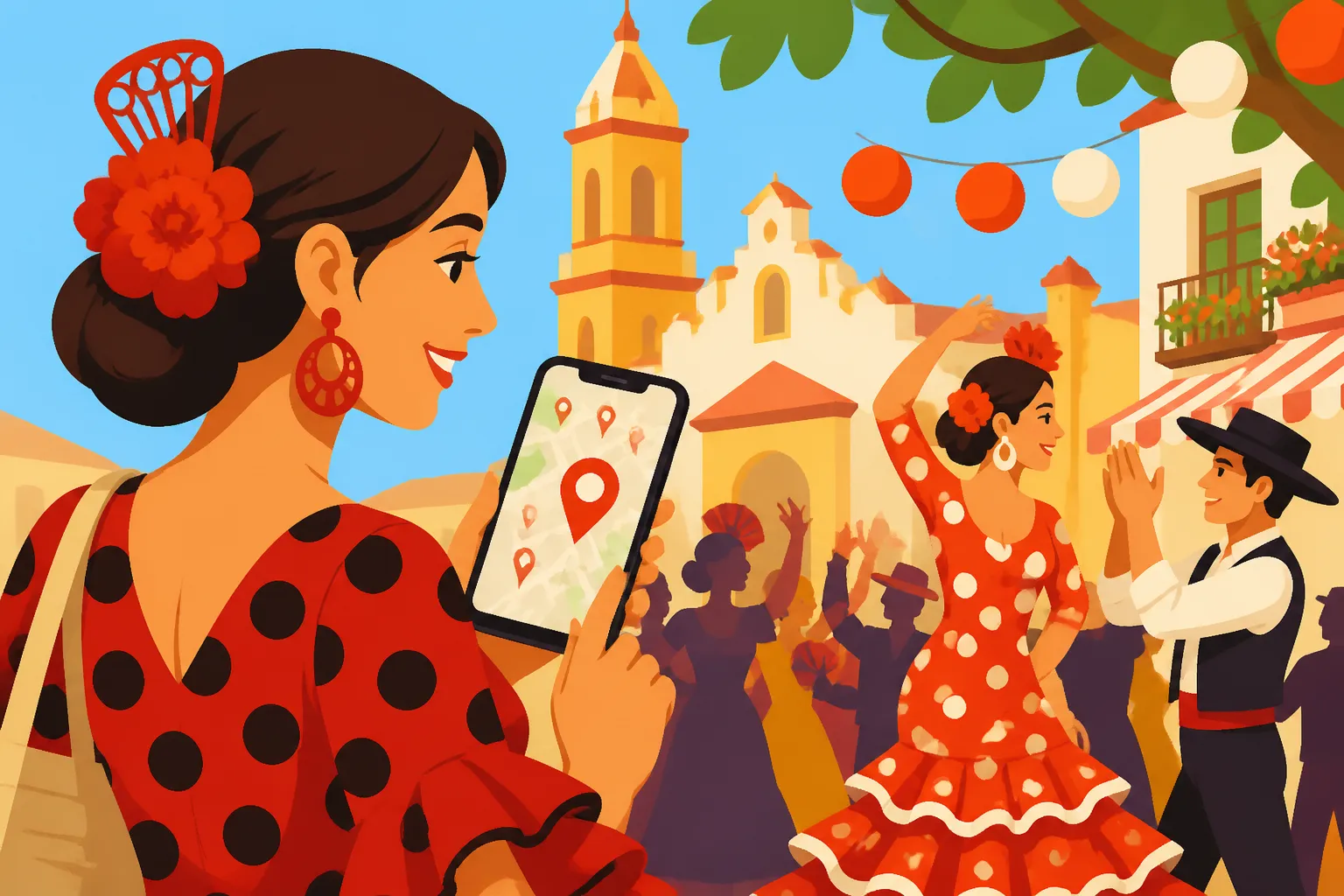
How to Find Local Fiestas Happening During Your Visit
One of the most magical things about living in Spain is the constant hum of celebration, the way almost every town, big or small, seems to have a reason to throw a party. But here’s the kicker for us expats and visitors: while Spain is practically overflowing with fiestas, actually finding these local gems can feel like trying to catch smoke. You hear the distant music, you see the fireworks, but pinpointing what’s happening, where, and when, often feels like it's a closely guarded local secret. This guide is here to cut through the confusion and help you uncover those authentic, vibrant Spanish celebrations during your visit.
Disclosure: This post may contain affiliate links. We may earn a commission at no extra cost to you if you make a purchase through these links. Read full disclosure.
The Elusive Fiesta: Why It's Tricky to Find Local Celebrations in Spain
You arrive in a charming Spanish pueblo, and suddenly, the main square is adorned with banners, there’s music drifting from a stage, and everyone seems to know exactly what’s going on, except you. It’s a frustratingly common scenario for anyone new to the rhythm of Spanish life. The truth is, while major festivals like La Tomatina or Semana Santa are plastered across international travel sites, the vast majority of Spain’s rich tapestry of local celebrations remain delightfully, maddeningly, local.
Beyond the Big Names: The Everyday Fiesta
It's easy to assume that "fiesta" only refers to the massive, internationally renowned events that draw crowds from across the globe. But in Spain, a fiesta can be anything from a bustling village market celebrating its harvest, a humble street fair honoring a neighborhood saint, or even a local food festival dedicated to the region’s prized olive oil or cured ham. These are the lifeblood of Spanish communities, woven deeply into the fabric of daily existence and tradition. They’re not designed for tourism, but rather as genuine expressions of local culture and communal spirit.
These smaller, often overlooked celebrations offer a truly authentic glimpse into Spanish life. They’re where you'll find generations dancing together, where local delicacies are proudly shared, and where the sense of community is palpable. You might stumble upon a medieval market in a tiny Galician village, a wine tasting event in a remote corner of La Rioja, or a maritime procession in a coastal Andalusian town. The beauty lies in their unpretentiousness and the genuine joy they evoke among the locals. Don’t underestimate the charm of a fiesta that barely registers on Google’s radar.
The Information Maze: Where to Even Begin Looking
The biggest challenge, and perhaps the source of much expat head-scratching, is that there isn't one centralized, easy-to-access database for all local fiestas across Spain. Information is often fragmented, localized, and sometimes, well, a bit chaotic. International tourism boards naturally focus on the big draws, leaving the smaller, more intimate events largely undocumented for external audiences. It's a bit like trying to find out about a local bake sale in your hometown if you're living on the other side of the world – the information exists, but it's not broadcast globally.
Furthermore, language can be a significant barrier. Most local announcements, posters, and even small town websites are exclusively in Spanish, or in regional languages like Catalan, Basque, or Galician. Without a good grasp of the local tongue, deciphering event schedules, locations, and even the type of celebration can be a monumental task. You might find yourself staring at a beautifully designed poster, knowing it’s for something exciting, but completely unable to understand the details. This decentralized, often oral, flow of information makes finding these hidden gems a true treasure hunt.
Your Digital Toolkit for Unearthing Local Fiestas
While the local grapevine is king, the digital age does offer some invaluable tools to help you navigate Spain's fiesta landscape. It requires a bit of detective work and knowing where to point your browser, but with these tips, you'll significantly increase your chances of finding a celebration worth experiencing.
Official Tourism Websites and Apps
Your first stop should always be the official sources. Every level of government in Spain, from the national tourism board down to the tiniest Ayuntamiento (city hall), has some form of online presence. The key is to drill down from the general to the specific. Start with national and regional tourism websites, then narrow your focus to the specific province or municipality you'll be visiting. Look for sections titled "agenda cultural," "eventos," "fiestas," or "qué hacer."
For instance, if you're planning a trip to Andalusia, you'd check the official Andalusia tourism website, then potentially the specific provincial tourism sites like Turismo de Sevilla or Turismo de Granada. Once you've identified your target city or town, a quick search for "[City Name] Ayuntamiento agenda cultural" or "[City Name] turismo fiestas" will often lead you to the local council's website. These municipal sites are often the most accurate and up-to-date sources for genuinely local events, as they're directly responsible for organizing or promoting them. They often list everything from major concerts to children's storytelling events, and yes, all the local patron saint festivities. These websites are also fantastic for discovering upcoming Spanish Holidays and Public Closures: Planning Errands in 2026 which often have associated local events.
Social Media and Local Community Groups
In today's interconnected world, social media has become an unexpected but powerful ally in the quest for local fiestas. Many Ayuntamientos maintain active Facebook pages, as do local cultural associations, neighborhood groups, and even individual bars or restaurants that often host events. These pages will frequently post about upcoming celebrations, often with photos and videos that give you a real sense of what to expect.
Look for Facebook groups dedicated to expats in a specific region or city (e.g., "Expats in Valencia" or "Americans in Madrid"). Members often share information about local events, ask questions, and even organize meetups to attend fiestas together. On Instagram, try searching hashtags like #Fiesta[CityName], #Agenda[CityName], or #[TownName]Tradición. You might find posts from locals or small businesses promoting events, and you can often click through to their profiles for more details. While you're at it, consider looking up local news outlets' social media feeds, as they'll invariably cover major local happenings.
Event Aggregators and Ticketing Platforms
While these platforms tend to focus on larger, more commercial events, they can still be useful, especially for finding live music, theatre, or other cultural performances that might coincide with a broader fiesta atmosphere. Websites like Ticketmaster España or Entradas.com are good starting points for concerts. For broader cultural experiences or tours that might incorporate festival visits, platforms like GetYourGuide can be excellent. They often offer guided excursions that align with significant regional festivities, providing a curated experience if you prefer not to navigate the logistics yourself.
When considering travel to a fiesta-heavy town, don't forget transport. Platforms like Omio can help you find bus or train tickets to smaller towns that are hosting events. If you're heading to a region famous for a particular type of celebration, like Las Fallas, La Tomatina, and San Fermín: Spain's Famous Events, booking transport and accommodation well in advance is absolutely crucial. These larger events can sell out quickly and prices can skyrocket.
Boots on the Ground: Old-School Methods for Discovering Local Charm
Sometimes, the best way to find a truly local fiesta is to put down your phone, step away from the screen, and embrace the analog world. The most authentic information often isn't found online, but whispered over a coffee or tacked to a dusty bulletin board.
The Power of Local Information Points
Once you arrive in a town, make a beeline for the local tourist information office (Oficina de Turismo). These are absolute goldmines of information for local events. The staff are typically locals themselves, eager to share their town's unique traditions, and they'll often have physical printouts, calendars, or even insider tips about smaller events that haven't made it online. Don't be shy; arm yourself with a few basic Survival Spanish for Travelers: Key Phrases to Learn First and ask "¿Hay alguna fiesta local o evento especial pronto?" (Is there a local fiesta or special event soon?)
Beyond the official tourist office, talk to people! The staff at your hotel, hostel, or even a local Airbnb host can be incredibly knowledgeable. Shopkeepers, bartenders at your local café, and even friendly passersby are often proud to share details about their town's happenings. They might point you towards a specific square, a church, or a bar where something special is about to kick off. This is where embracing Spanish Social Customs: Greetings, Kisses, and Personal Space can really open doors and lead to unexpected discoveries. Many a memorable evening has started with a casual chat over tapas.
Keep Your Eyes Peeled: Posters and Public Notices
Spain still loves a good poster. Seriously, look up! As you wander through any Spanish town, pay attention to lamp posts, public bulletin boards outside the Ayuntamiento, church doors, and the windows of local shops and bars. These are prime locations for bandos (official announcements from the city council) and colorful posters advertising upcoming fiestas, concerts, markets, and cultural events. These posters are often beautifully designed, featuring local artists and providing all the essential details – dates, times, locations, and sometimes even a detailed schedule of events.
Religious holidays are deeply ingrained in Spanish culture, and church bulletins or announcements outside the local iglesia can be great sources for understanding religious processions, masses, or celebrations tied to specific saints' days. Even if you don't speak fluent Spanish, you can often pick out dates, times, and key locations, and then use a translation app for the more detailed text.
Embrace Serendipity: Just Wander and Observe
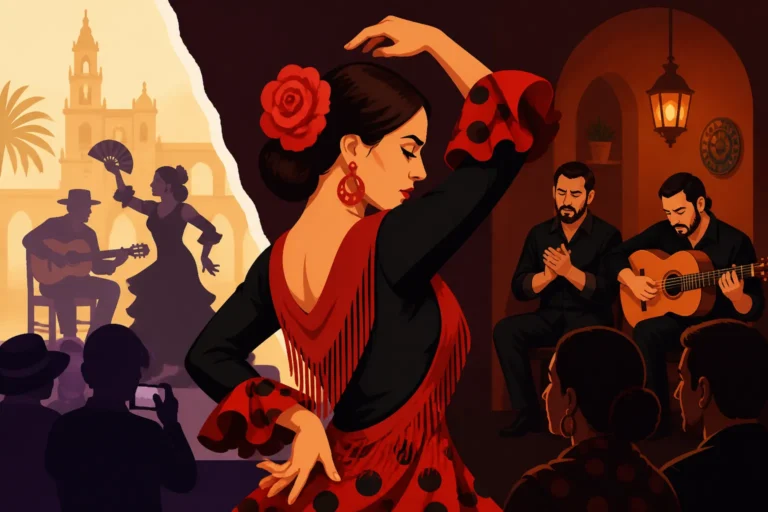
Perhaps the most charming way to find a local fiesta is simply to let it find you. Spain is a country that lives its life outdoors, especially when the weather is good. Go for a stroll in the late afternoon or early evening, particularly on weekends. Follow the sound of music, the smell of street food, or the sight of people gathering in a plaza. You might just stumble upon an impromptu flamenco performance, a group of sardana dancers, or a small procession you never would have found online.
This approach requires a relaxed attitude and a willingness to simply absorb the atmosphere. Sometimes, the most memorable experiences are the ones you didn't plan. Keep an eye out for unusual decorations, temporary stages, or increased foot traffic in an unexpected part of town. This is the essence of experiencing Spain beyond the guidebooks – being open to the unexpected magic that unfolds around you. Don't forget to consider how to Get Around a Spanish City Without Speaking Spanish if you decide to wander and explore without a solid plan.
Planning Your Fiesta-Filled Itinerary: Tips for Success
Finding local fiestas can be part of the adventure. With a little strategic planning and a flexible mindset, you can significantly enhance your chances of weaving these authentic celebrations into your Spanish journey.
Regional Nuances: Fiestas Differ Across Spain
Spain is a land of incredible diversity, and its fiestas are no exception. What you experience in one region might be completely different from another. For example, the elaborate and solemn processions of Semana Santa in Spain: What to Expect as a Visitor in Andalusia stand in stark contrast to the fiery, satirical celebrations of Las Fallas in Valencia, or the traditional sardana dances in Catalonia. Each region, and often each province, has its own unique calendar of celebrations, influenced by history, geography, and local patron saints.
It's worthwhile to do a quick regional search. If you're heading to the Basque Country, you might find specific gastronomical societies celebrating local produce. In Galicia, ancient Celtic traditions sometimes blend with Christian festivities. Understanding these regional characteristics will not only help you search more effectively but also prepare you for the cultural immersion you'll experience. Don't forget that trying Regional Spanish Dishes Every Visitor Should Try is also a key part of the fiesta experience!
Timing is Everything: Aligning Your Visit with the Celebrations
To maximize your chances of catching a fiesta, try to align your travel dates with known periods of celebration. The summer months (June, July, August) are often prime time for patron saint festivals (fiestas patronales) in towns across the country. These typically involve processions, live music, dancing, and often bullfights or other traditional events. Spring also brings a flurry of activity, particularly leading up to Easter (Semana Santa) and throughout May, with various romerías (pilgrimages) and flower festivals.
Consider extending your stay in a particular area if you know a local holiday is approaching. Checking a local calendar for días festivos (public holidays) or fiestas locales (local holidays) can be incredibly insightful. These are often the days when towns truly come alive. However, be mindful that during major fiestas, Accommodation in Spain: Hotels, Hostels, and Rentals can become very scarce and expensive. If you plan to visit during a popular festival, booking your stay through sites like Booking.com far in advance is absolutely essential. Remember also to check What to Wear and Bring to a Spanish Outdoor Festival to be prepared for the weather and specific activities.
Essential Phrases for Fiesta Hunting
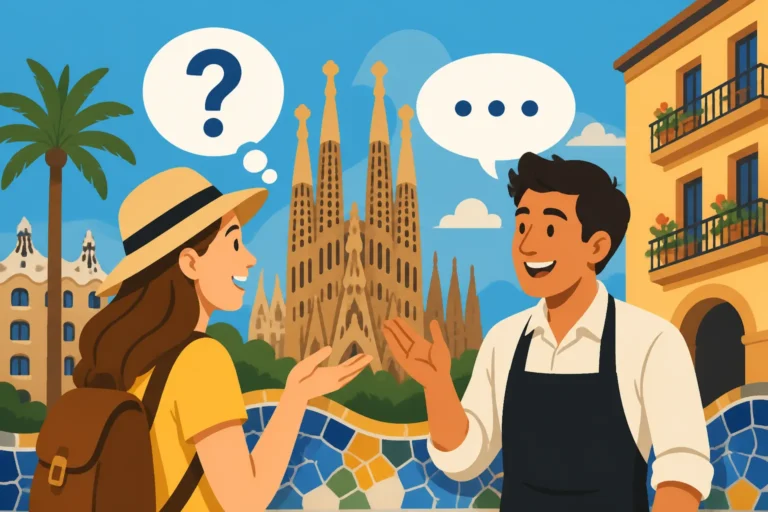
Having a few key Spanish phrases in your arsenal can make all the difference when you're trying to gather information about local events. Don't worry about perfect grammar; most Spaniards appreciate the effort!
Here's a quick cheat sheet:
| Phrase in Spanish | English Translation | Usage |
|---|---|---|
| ¿Hay alguna fiesta local o evento especial pronto? | Is there a local fiesta or special event soon? | Your go-to question for tourist offices, hotel staff, or friendly locals. |
| ¿Dónde puedo encontrar información sobre las celebraciones? | Where can I find information about the celebrations? | Useful when you see decorations but need details. |
| ¿Cuál es la fecha de la fiesta? | What is the date of the fiesta? | To clarify timing. |
| ¿A qué hora empieza/termina? | What time does it start/end? | For planning your day around the events. |
| ¿Es por aquí? | Is it around here? | When pointing to a poster or asking about a specific location. |
| ¿Es una fiesta tradicional? | Is it a traditional fiesta? | To gauge the type of celebration. |
| ¿Qué es esto? | What is this? | When you stumble upon something and want to know more. |
| ¡Muchas gracias! | Thank you very much! | Always important to be polite! |
Remember, a genuine smile and an attempt at communication go a long way. Even if you only manage a few words, locals are often incredibly welcoming and happy to share their traditions with interested visitors. Sometimes, you might even get invited to join in! Don't be afraid to Tip in Spain: When, Where, and How Much as a sign of appreciation if someone goes out of their way to help you with information.
Disclaimer
The information provided in this guide is intended for general informational purposes only and is subject to change. While we strive to provide accurate and up-to-date advice, local regulations, event schedules, and cultural norms in Spain can vary and evolve. Always cross-reference information with official local sources, especially for critical planning like travel or accommodation. Travel insurance is always recommended.