What’s the Quietest Region in Spain for a Relaxed Trip?
Oh, the perennial quest for tranquility in Spain! I hear you, loud and clear. After years of navigating the vibrant, bustling, and sometimes overwhelmingly crowded corners of this incredible country, I completely understand the longing for a place where the loudest sound is the rustle of leaves or the gentle lapping of waves. It’s not always about chasing the next big fiesta or the most famous monument; sometimes, your soul just yearns for a proper exhale. If you're tired of elbowing your way through crowded plazas and want to truly unwind, you’ve landed in the right spot. This guide is all about helping you discover those serene, less-trodden paths where you can genuinely relax and soak in Spain's authentic, peaceful side.
Disclosure: This post may contain affiliate links. We may earn a commission at no extra cost to you if you make a purchase through these links. Read full disclosure.
The Quest for Calm: Why Seeking Tranquility in Spain Is More Rewarding Than Ever
Spain is, without a doubt, a country of incredible contrasts. On one hand, you have the pulsating energy of cities like Madrid and Barcelona, the sun-drenched beaches of the Costa del Sol, and the historic grandeur of Seville and Granada, all drawing millions of visitors each year. And let’s be honest, those places are amazing for a reason! But sometimes, that very popularity can become a double-edged sword, especially if you’re hoping for a genuinely relaxed trip. The crowds, the constant buzz, the struggle to find an empty spot at a chiringuito – it can all chip away at the very peace you came here to find.
As expats, we often arrive with romanticized notions, only to find the reality of tourism can be a bit… much. We learn quickly that true immersion and relaxation often mean stepping away from the main tourist circuits. The good news is, Spain is vast and wonderfully diverse, brimming with countless hidden gems that offer a stark contrast to the tourist hotspots. These quieter regions often hold the most authentic experiences, where local life unfolds at its own unhurried pace, traditions are deeply ingrained, and the natural beauty is simply breathtaking without needing a selfie stick to capture it. It’s in these pockets that you can truly connect with the essence of Spain, away from the marketing hype and the crowds. It's about exchanging frantic sightseeing for gentle exploration, noisy streets for birdsong, and rushed meals for long, lingering conversations over local delicacies.
Unveiling Spain's Undiscovered Gems: Top Regions for a Truly Relaxed Trip
When it comes to finding true tranquility in Spain, you need to set your sights beyond the usual suspects. Forget the beaches packed with sun-worshippers or the city centers teeming with tour groups. We're talking about regions where natural beauty reigns supreme, small villages preserve ancient rhythms, and the pace of life feels refreshingly slow. While "the quietest" is subjective, these regions consistently offer a peaceful escape.
Green Spain's Coastal Charm: Galicia, Asturias, and Cantabria
Ah, Green Spain! This arc of northern coastline, stretching from Galicia through Asturias and Cantabria, is perhaps the most obvious answer for those seeking solitude and natural beauty. It's a world away from the arid, sun-baked south, with lush green landscapes, dramatic cliffs, pristine beaches, and a climate that's milder and wetter.
-
Galicia: Picture mist-shrouded forests, a wild, rugged coastline known as the "Costa da Morte" (Coast of Death) with towering lighthouses, and estuaries (rías) that resemble Norwegian fjords. Beyond Santiago de Compostela, which is bustling due to the Camino, the rest of Galicia is astonishingly serene. You'll find charming fishing villages like Combarro, ancient Celtic ruins (castros), and an incredibly rich gastronomic culture centered around seafood and Albariño wine. Life here moves slowly, dictated by the tides and the seasons. Wandering through the cobbled streets of a tiny Galician village, you might feel like you've stepped back in time. You can explore a quiet stretch of beach, hike through ancient oak groves, or simply sit in a local tasca, savoring fresh pulpo a feira (octopus) and listening to the local chatter. It's a place where you can truly unwind, without feeling the pressure to rush from one attraction to the next.
-
Asturias: Nestled between Galicia and Cantabria, Asturias is often called "Natural Paradise," and it truly lives up to the name. It boasts the stunning Picos de Europa National Park, with its dramatic limestone peaks, glacial lakes, and an abundance of hiking trails that will take you far from any crowd. But it's not just mountains; the Asturian coast offers secluded beaches and picturesque fishing towns like Cudillero and Lastres. The region is famous for its sidra (cider), poured with a theatrical flourish, and hearty mountain cuisine. Imagine spending your days hiking in the mountains, then descending to a coastal village for a meal of fabada asturiana (bean stew) and freshly caught fish. The capital, Oviedo, is elegant and charming but far from the frenetic pace of Spain's larger cities. Asturias is ideal for those who love outdoor activities in a quiet, majestic setting.
-
Cantabria: Sharing the Picos de Europa with Asturias and Castilla y León, Cantabria offers a similar blend of mountains and stunning coastline. The capital, Santander, has a lovely bay but venture west or east, and you'll find places like the medieval village of Santillana del Mar, or the natural park of Cabárceno, which is a zoo in a unique natural setting. The Valleys of Pas and Soba offer deep rural immersion, with traditional cabins (cabañas pasiegas) and a strong sense of local identity. The beaches here, such as those near Noja or Laredo, are often wide and less developed than those further south. It's a perfect region for scenic drives, gentle walks along the coast, and enjoying delicious local cheeses and seafood without the hordes.
The Vastness of Inland Castile: Castilla y León and Extremadura
If northern Spain’s green landscapes aren’t quite what you had in mind, perhaps the vast, golden plains and ancient cities of inland Spain will call to you. These regions, particularly Castilla y León and Extremadura, offer a different kind of quiet – one steeped in history, vast open spaces, and a profound sense of timelessness.
-
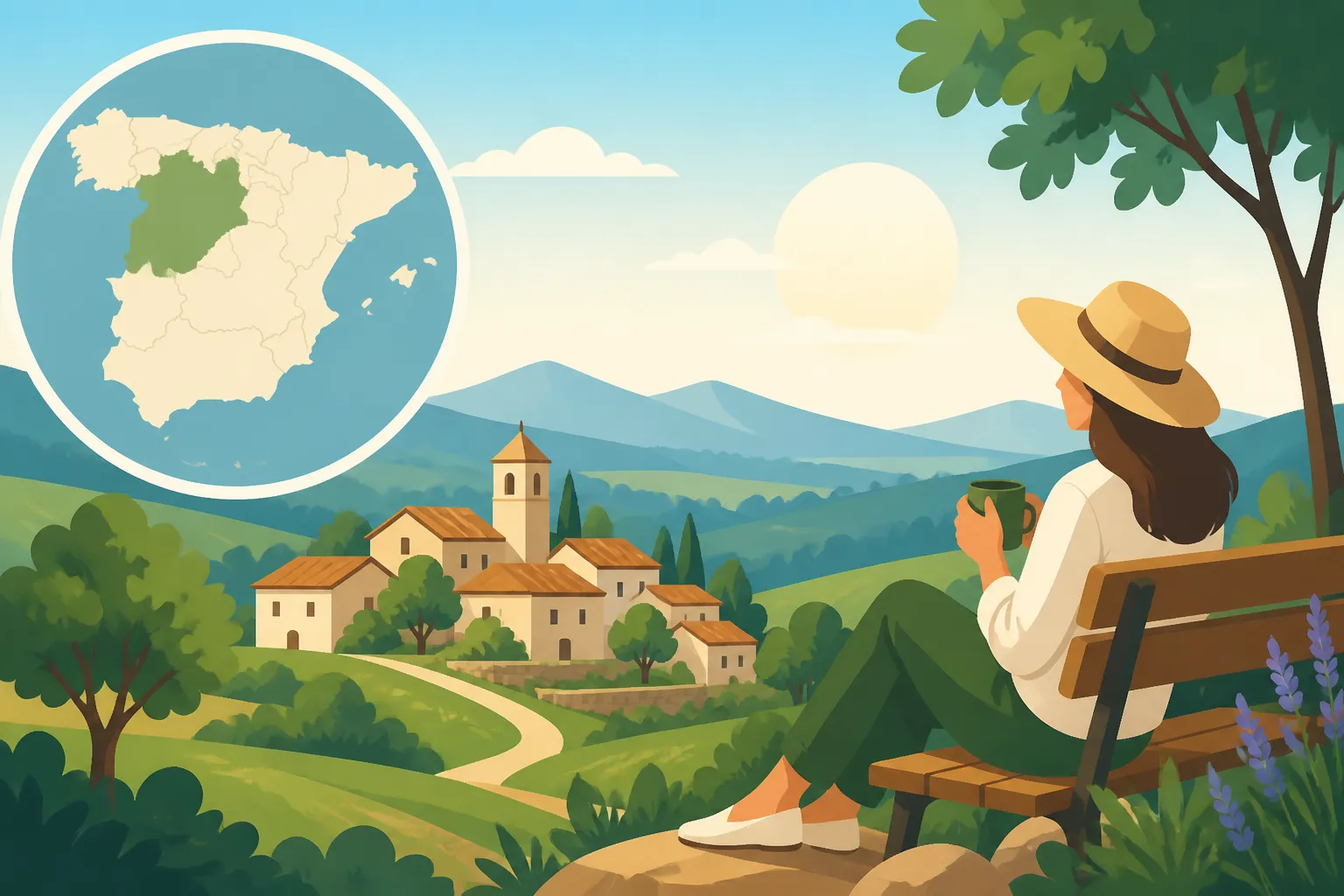
Castilla y León: This is Spain's largest autonomous community, a historical heartland with an incredible density of medieval castles, Roman ruins, and UNESCO World Heritage cities like Salamanca, Segovia, and Ávila. While these cities can attract visitors, the sheer size of the region means that vast swathes of it remain wonderfully uncrowded. Drive through the provinces of Zamora, Palencia, or Soria, and you'll encounter charming villages, expansive natural parks like the Arribes del Duero (a canyon shared with Portugal), and a serene agricultural landscape. The cuisine is hearty and traditional, known for its roast meats (lechazo asado) and rich red wines from Ribera del Duero. Imagine exploring an ancient Roman villa in the morning, enjoying a leisurely lunch in a tiny village, and then hiking through rolling hills in the afternoon, encountering only sheep and the occasional farmer. For those who appreciate history, gastronomy, and quiet contemplation amidst epic landscapes, Castilla y León offers an unparalleled sense of peace. Many find that its small towns and villages are perfect for a genuine, unhurried cultural experience.
-
Extremadura: Bordering Portugal, Extremadura is arguably one of Spain's least-visited and most authentic regions, making it a prime candidate for a quiet escape. It's a land of wide-open dehesa (oak-dotted pastures), where Iberian pigs roam freely, producing some of the world's finest jamón. Cáceres, a UNESCO city, feels like a living museum, and Trujillo boasts an impressive Plaza Mayor. But beyond these, Extremadura is home to Europe's largest and most important bird sanctuary, Monfragüe National Park, a paradise for birdwatchers and nature lovers. The region's history is deeply intertwined with the conquistadors, and you'll find impressive castles and monasteries tucked away in the landscape. The pace of life here is truly slow, almost languid. It's a place where you can savor silence, indulge in exceptional food, and immerse yourself in an untouched rural Spanish culture. If you're looking for a quiet region that truly feels off the beaten path, Extremadura delivers.
Pockets of Peace in the South: Rural Andalusia and Beyond
While Southern Spain is famous for its vibrant cities and sunny beaches, it also harbors incredibly tranquil pockets if you know where to look. The key is to venture away from the coast and the major tourist hubs.
- Rural Andalusia: The white villages (pueblos blancos) of inland Andalusia, especially in areas like the Sierra de Grazalema or the Axarquía region east of Málaga, offer a peaceful escape. These charming villages cling to hillsides, with narrow, winding streets and stunning views. While some, like Ronda, attract day-trippers, many others remain incredibly tranquil. Imagine staying in a boutique hotel in a village like Grazalema, Frigiliana, or Competa, spending your days hiking through olive groves, enjoying local tapas on a quiet terrace, and watching the sunset over the mountains. These areas provide a taste of authentic Andalusian life without the constant buzz of the coast. You can explore the natural parks, enjoy traditional cooking classes, or simply relax by a pool with breathtaking vistas. For those who love the warm climate but yearn for calm, these hidden gems are perfect.
Crafting Your Quiet Escape: Practical Tips for a Serene Spanish Journey
Once you've zeroed in on a region that speaks to your desire for peace, it's time to think about the practicalities of making your tranquil trip a reality. A relaxed trip requires a little forethought, especially when venturing off the main tourist grid.
Navigating to Your Nook: Transport and Accessibility
Getting to these quieter regions often means embracing different modes of transport than you might use for the major cities. While Spain has an excellent high-speed train network, the AVE often connects only major hubs. For the truly peaceful spots, you’ll usually need to rely on regional trains, buses, or, ideally, a rental car.
- Driving is King: For ultimate flexibility and to reach the most secluded villages and natural parks, renting a car is almost essential. This allows you to explore at your own pace, stop spontaneously for photos, and access charming accommodations that public transport might not reach. Many international car rental companies operate at major airports, and booking in advance, especially during peak season, is always a good idea. Remember, driving in Spain is generally pleasant, with well-maintained roads, though mountain roads can be winding. For more on navigating Spanish roads, check out my guide on Driving in Spain: Road Rules, Fines, and What Surprises Expats.
- Buses and Regional Trains: Don't discount Spain's extensive bus network (companies like ALSA are prominent) or regional train lines (Renfe Media Distancia). These are often excellent for connecting smaller towns and can be incredibly scenic. While less flexible than a car, they offer a stress-free way to travel and give you a chance to truly observe the passing landscapes. You can often find tickets and compare routes on platforms like Omio, which can be a real lifesaver for plotting out less-obvious journeys.
- Flying In (Strategically): For Green Spain, consider flying into smaller regional airports like Santiago de Compostela (SCQ), Asturias (OVD), or Santander (SDR), rather than just Madrid or Barcelona, to minimize travel time to your chosen quiet corner.
Finding Your Home Away From Home: Accommodation Choices
In Spain's tranquil regions, the accommodation options often lean towards charming, authentic, and intimate settings rather than large, bustling resorts.
- Casas Rurales & Agritourism: These rural houses or farm stays are fantastic options. Often beautifully restored stone buildings, they offer a cozy, often luxurious, experience in stunning natural surroundings. Many come with breathtaking views, local hospitality, and delicious home-cooked meals. They are perfect for truly disconnecting.
- Boutique Hotels & Guesthouses: Small, independently run hotels or hostales (which are often more like guesthouses than hostels) in quiet villages offer personalized service and a great way to immerse yourself in local life.
- Camping & Glamping: For the adventurous and nature-loving, many natural parks and coastal areas have well-maintained campsites, and increasingly, glamping options, offering a unique way to experience the quiet outdoors.
- Booking Your Stay: Platforms like Booking.com are invaluable for finding these types of accommodations. Use their filters to search for "rural properties," "guesthouses," or specific areas within the regions I mentioned. It's often best to book directly with a casa rural or small hotel if you can, once you've found it, to ensure the best rates and support local businesses. For more tips on finding a serene spot, check out Accommodation in Spain: Hotels, Hostels, and Rentals.
Embracing the Slow Lane: Activities and Local Immersion
The beauty of a relaxed trip to a quiet region isn't about ticking off sights; it's about slowing down and savouring the experience.
- Nature Walks & Hiking: This is often the primary attraction. Whether it’s coastal paths in Galicia, mountain trails in the Picos de Europa, or walking through the dehesa in Extremadura, spending time in nature is incredibly restorative. You don't need to be an expert hiker; there are trails for all levels. A local guide can sometimes enhance the experience, offering insights into flora, fauna, and local history. You can sometimes find such unique, localized experiences on platforms like GetYourGuide, where they specialize in smaller, more authentic tours. If you're considering a serious trek, I recommend reading our guide on Hiking in Spain: Popular Trails and How to Prepare.
- Gastronomic Exploration: Food is a cornerstone of Spanish culture, and in quieter regions, it's often fiercely traditional and hyper-local. Seek out small, family-run restaurants, visit local markets, and try regional specialties. This is where you'll find the most authentic flavors and genuine hospitality. For a full dive into Spanish culinary delights, see Spanish Food and Drink: A Practical Culture Guide.
- Cultural Immersion: Wander through ancient villages, visit small churches or local museums, and simply observe daily life. Engage with locals (even a few basic Spanish phrases go a long way!). Attend a local fiesta (not a massive city one, but a small village celebration) if one coincides with your visit. It’s a fantastic way to experience authentic Spanish Customs, Etiquette, and Social Life.
- Digital Detox: Consider putting away your phone and truly disconnecting. Embrace the lack of a packed itinerary. Read a book, sketch, journal, or simply sit and enjoy the silence.
Here's a quick comparison of some of Spain's tranquil havens:
| Region | Vibe | Main Activities | Best For | Accessibility (from major airports) |
|---|---|---|---|---|
| Galicia | Mystical, rugged, culinary delight | Coastal walks, seafood, exploring fishing villages | Nature lovers, foodies, Camino walkers (off-peak) | Good (Santiago, A Coruña) |
| Asturias | Natural paradise, adventurous, traditional | Mountain hiking (Picos), cider culture, stunning coast | Hikers, outdoor enthusiasts, authentic cultural seekers | Good (Asturias airport) |
| Cantabria | Green valleys, charming villages, diverse coast | Beach relaxation, cave exploration, rural tourism | Families, scenic drives, cultural explorers | Good (Santander) |
| Castilla y León | Historic, vast, authentic, gastronomic | Castle visits, wine tasting, city exploration | History buffs, wine lovers, long scenic drives | Moderate (better with car from Madrid) |
| Extremadura | Untouched, wildlife-rich, slow-paced | Birdwatching, rural life, historical sites | Nature photographers, peace seekers, off-the-beaten-path | Moderate (better with car from Madrid/Seville) |
| Rural Andalusia | Sun-drenched, white villages, hiking | Village hopping, hiking, local cuisine, relaxation | Warm weather seekers, romantics, cultural explorers | Good (Málaga, Seville) |
Ultimately, finding the "quietest" region is a personal journey, but by venturing into these less-explored corners of Spain, you’re guaranteed to discover a profound sense of peace and an authentic connection to the local way of life that will truly nourish your soul.
Disclaimer
The information provided in this guide is for general informational purposes only and does not constitute professional advice. While we strive to keep the information up-to-date and accurate, Spain's regulations, conditions, and travel advisories can change. We recommend verifying all details with official sources or local experts before making any travel plans or decisions.