Is Galicia Worth Visiting? What to Expect
You’ve probably heard all the buzz about Barcelona’s vibrant streets, Madrid’s art scene, or the sun-drenched beaches of Andalusia. For many of us living in or visiting Spain, these are the obvious choices, the destinations that dominate our social feeds and travel brochures. But what if you’re longing for something genuinely different? A corner of Spain that defies the stereotypes of flamenco and bullfighting, a place where lush green landscapes meet a rugged coastline, and ancient traditions whisper tales of Celtic pasts? If that sounds like you, then you might be wondering if Galicia, that mysterious northwestern region, is worth making the trek. As someone who’s explored nearly every nook of this incredible country, I can tell you, Galicia is not just worth visiting – it’s a soul-stirring experience that will captivate you with its unique charm and leave you yearning for more.
Disclosure: This post may contain affiliate links. We may earn a commission at no extra cost to you if you make a purchase through these links. Read full disclosure.
Why Galicia Might Just Be Your Next Spanish Obsession
Galicia stands apart from the rest of Spain, both geographically and culturally. It’s a region that feels like a world unto itself, offering a refreshing contrast to the arid plains of the south and the bustling metropolises of central Spain. Here, you’ll discover a pace of life that encourages slow travel, deep breaths, and an appreciation for raw, untamed beauty. If you're looking to break away from the tourist crowds and truly immerse yourself in a distinct Spanish identity, Galicia offers an authentic and unforgettable journey.
A Breath of Fresh Air: Landscape and Climate
Forget the endless golden beaches and scorching temperatures of the Mediterranean coast; Galicia offers a different kind of coastal paradise. Its landscape is famously verdant, earning it the nickname "Green Spain," a dramatic shift from what many foreigners typically picture when they think of the country. Rolling hills, dense forests, and deep river valleys dominate the interior, creating a picturesque backdrop for hiking and exploring.
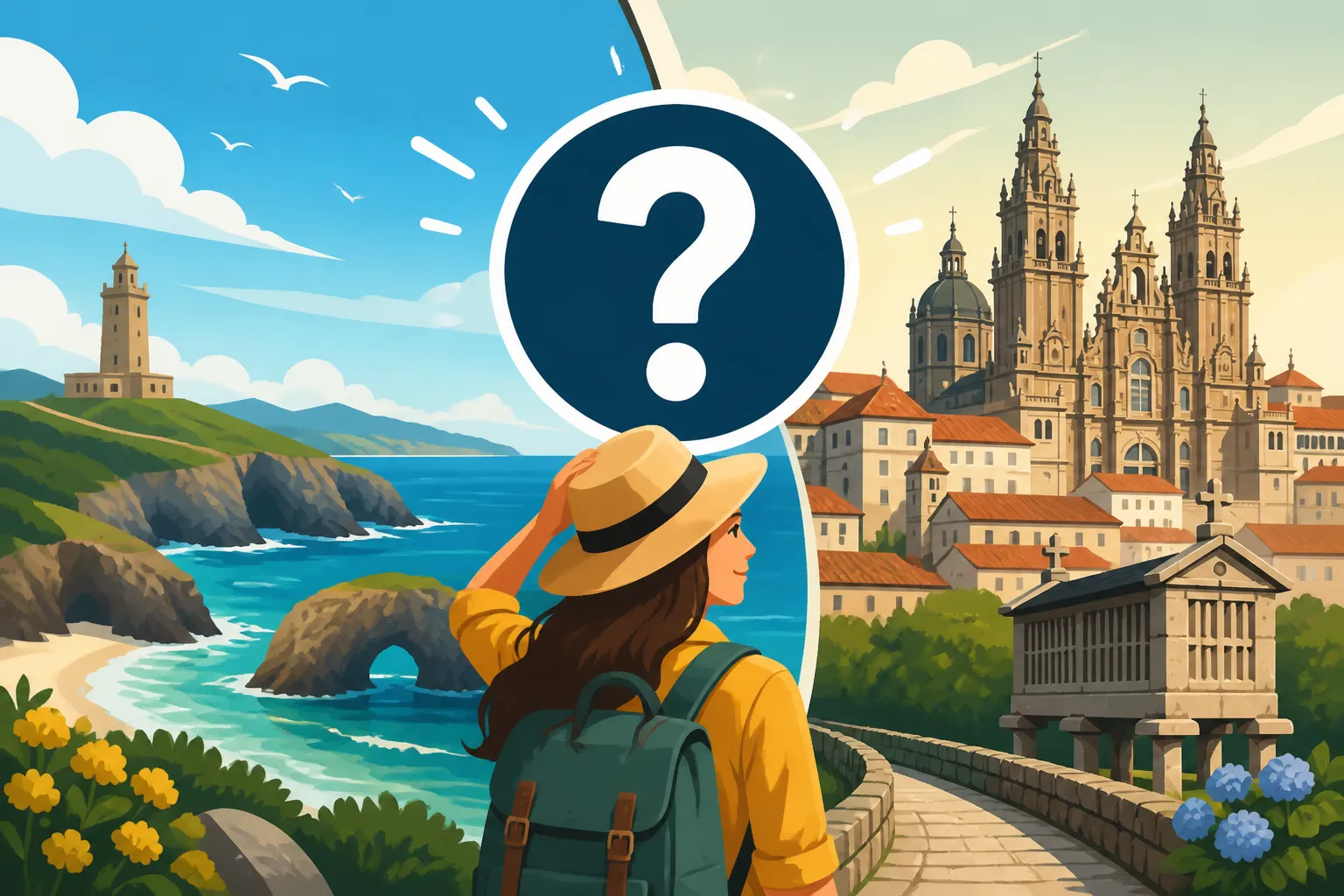
But it’s the coastline that truly steals the show. Galicia is defined by its spectacular Rías, a series of deeply indented estuaries that stretch inland like fjords, creating a magnificent tapestry of land and sea. The Rías Baixas, in particular, are renowned for their beauty, dotted with charming fishing villages, pristine beaches, and sheltered coves. The wilder Costa da Morte (Coast of Death) further north offers dramatic cliffs, powerful waves, and a rugged, untamed feel that speaks to its ancient, mythical past. The air here is often fresh, sometimes misty, carrying the scent of salt and pine, a delightful change from the heat and dust you might find elsewhere. This unique climate supports an incredible biodiversity, making it a haven for nature lovers and those seeking cooler temperatures during Spain’s hot summer months.
Gastronomy That's a Deep Dive: Seafood and Local Delights
Oh, the food in Galicia! If you’re a seafood lover, prepare to be utterly spoiled. This region is a true culinary treasure trove, celebrated across Spain for its exceptional quality ingredients, especially its marisco (seafood). From the iconic pulpo a la gallega (Galician-style octopus, boiled and served with olive oil, paprika, and sea salt) to succulent scallops (vieiras), percebes (goose barnacles – don't knock 'em 'til you've tried 'em!), clams (almejas), and fresh fish, every meal is an adventure. You'll find these delicacies served in bustling tabernas, often grilled simply to let their natural flavors shine.
Beyond the ocean’s bounty, Galicia boasts other unique specialties. The Padrón peppers (pimientos de Padrón), famously fried and sprinkled with coarse salt (and sometimes spicy, sometimes not – uns pican e outros non!), are addictive. You'll also encounter delicious empanadas gallegas, savory pies filled with tuna, cod, or meat, which make for a perfect picnic or light lunch. And let's not forget the renowned Albariño wine, a crisp, aromatic white wine produced primarily in the Rías Baixas, which pairs perfectly with the local cuisine. For dessert, the Tarta de Santiago, an almond cake dusted with powdered sugar and a St. James cross, is a must-try. This isn't just eating; it's a profound cultural experience deeply rooted in the region's traditions. If you're curious to delve deeper into Spain's culinary scene, be sure to check out our guide on Spanish Food and Drink: A Practical Culture Guide.
Unearthing Ancient History and Unique Culture
Galicia's history is as rich and layered as its landscapes. Unlike much of Spain, it has strong Celtic roots, a heritage evident in its traditional music, folklore, and even some architectural styles. You’ll hear the haunting sounds of bagpipes (gaitas) and encounter ancient stone carvings (castros) that speak of a distant past. The Roman influence is also palpable, with fascinating ruins and bridges still standing proud.
However, no discussion of Galician culture is complete without mentioning Santiago de Compostela. This magnificent city, with its breathtaking cathedral, is the culmination point of the Camino de Santiago (Way of St. James), one of the most important Christian pilgrimages in the world. Walking through its historic streets, you can feel the centuries of devotion and countless footsteps of pilgrims from across the globe. It's an incredibly spiritual and historically significant place that truly defines the region. Discover more about this epic journey in our article The Camino de Santiago: A Practical Introduction. Furthermore, Galicia has its own language, Galician (Gallego), which is co-official with Castilian Spanish. This unique linguistic identity adds another fascinating layer to the region's distinct cultural tapestry, reinforcing its sense of independence and pride.
What to Expect When You Get There: Practicalities and Peculiarities
Venturing into Galicia requires a slightly different mindset than, say, a trip to the bustling streets of Seville or the beaches of Málaga. While it's still very much Spain, there are subtle differences in pace, communication, and getting around that are good to be aware of. Embracing these peculiarities is part of what makes the Galician experience so rewarding.
Getting Around Galicia: Transport Challenges and Triumphs
While major cities like Santiago de Compostela, A Coruña, and Vigo are well-connected by train and bus, exploring the more remote coastal villages and stunning natural parks often requires a bit more planning. Public transport is reliable within and between larger towns, but it can be less frequent or simply non-existent for those hidden gems off the beaten path. For maximum flexibility, especially if you plan to explore the Rías or the Costa da Morte, renting a car is highly recommended. It allows you to set your own schedule, pull over at picturesque viewpoints, and discover tiny hamlets that bus routes simply don't reach.
However, driving in rural Galicia can sometimes mean navigating narrow, winding roads, so take your time and enjoy the scenery. If you prefer to rely on public transport, booking your tickets in advance, especially during peak season, is a smart move. Websites like Omio can be incredibly helpful for finding and comparing train and bus routes across Spain, including those into and around Galicia. For a deeper dive into transportation options, check out our guide on Traveling Around Spain: Trains, Buses, Flights, and Car Hire. For those considering renting a car, our article on Renting a Car in Spain: Requirements, Insurance, and Driving Tips offers invaluable advice.
Language and Communication: Beyond Castilian Spanish
As mentioned, Galicia has its own official language, Gallego, which is a Romance language closely related to Portuguese. You’ll see road signs, menus, and official documents in both Castilian Spanish and Galician. Don't panic if your Spanish is fluent, but you suddenly encounter phrases you don't recognize – almost everyone in Galicia also speaks excellent Castilian Spanish. Locals are generally proud of their language but are very accommodating to visitors.
Learning a few basic phrases in Gallego like "Bos días" (Good morning) or "Grazas" (Thank you) will certainly earn you extra smiles, but your Castilian Spanish will serve you perfectly well. In tourist-heavy areas like Santiago de Compostela, you'll also find a decent amount of English spoken, especially in hotels and major attractions. The key is to approach conversations with an open mind and a willingness to try, which is always appreciated by the locals. If you're brushing up on your Spanish before you go, our article on Spanish Language and Everyday Communication for Visitors might come in handy.
Accommodation and Booking: Finding Your Galician Home
Galicia offers a wonderful array of accommodation options to suit every taste and budget. In the larger cities, you'll find everything from international hotel chains to charming boutique hotels in historic buildings. However, the real magic often lies in the region's unique rural accommodations. Casas rurales are beautifully restored country houses, often family-run, offering a taste of authentic Galician hospitality, complete with home-cooked meals and stunning natural surroundings. These are perfect for those seeking tranquility and a deeper connection with the local culture.
Coastal towns and villages also offer a mix of guesthouses (pensiones), apartments, and smaller hotels, many with breathtaking sea views. For pilgrims finishing the Camino, Santiago de Compostela has countless hostels and hotels catering specifically to their needs. Websites like Booking.com are excellent resources for finding and comparing a wide range of accommodation, from city apartments to secluded country retreats, ensuring you find the perfect base for your Galician adventure. Exploring other options like those on GetYourGuide for unique stays or experiences can also lead to delightful discoveries. You can find more comprehensive advice on this in our article about Accommodation in Spain: Hotels, Hostels, and Rentals.
Common Concerns and How to Navigate Them
When planning a trip to a less-trodden region, it's natural to have a few questions or concerns. Galicia's distinct character can sometimes lead to preconceived notions, but many of these are easily addressed with a little local insight. Let's tackle some common worries head-on.
Weather Worries: Is It Always Raining?
Ah, the classic Galician stereotype: rain, rain, and more rain! While it's true that Galicia experiences more rainfall than, say, the deserts of Almería, it's far from a constant downpour. The Atlantic influence means a milder, wetter climate, resulting in that incredible lush greenery. The famous orballo is a fine, misty drizzle, more atmospheric than a heavy rain, that often gives the landscape a mystical, almost magical quality.
Summers (July and August) are generally warm and pleasant, often with plenty of sunshine, though certainly not as scorching as the south. Spring and autumn offer comfortable temperatures and fewer crowds, with beautiful foliage and blooming flowers. Even in winter, while wetter, temperatures rarely drop below freezing, making it a viable destination for those seeking a quiet escape. The key is to pack smart: layers are your friend, and a good waterproof jacket and comfortable walking shoes are essential, regardless of the season. Embrace the changeable weather; it’s part of Galicia's charm and why it feels so different from the rest of Spain. For seasonal tips, read our guide on When to Visit Each Spanish Region for the Best Weather.
Crowds and Solitude: Finding Your Balance
Santiago de Compostela, particularly its historic center and cathedral, can get quite crowded, especially during peak Camino season (spring and autumn) and in the summer. Thousands of pilgrims arrive daily, and tourists flock to witness the iconic landmarks. However, even within Santiago, you can find quieter corners by exploring the labyrinthine side streets or visiting attractions earlier or later in the day.
Outside of Santiago, finding solitude in Galicia is incredibly easy. The vast coastline, numerous natural parks, and charming inland villages offer endless opportunities for peaceful reflection. Head to the more remote beaches, hike a less-known trail, or simply wander through a small fishing village, and you'll often feel like you have the place to yourself. The region truly allows for a balance between vibrant cultural experiences and serene natural escapes. If you enjoy discovering serene locales, our article on Spain's Most Beautiful Small Towns to Visit offers more inspiration.
Budgeting for Your Galician Adventure
Compared to some of Spain’s more well-known tourist hotspots like Barcelona or the Balearic Islands, Galicia tends to be quite budget-friendly. Accommodation, especially in casas rurales or smaller towns, is generally more affordable. Dining out, particularly for the incredible seafood, offers excellent value for money, with generous portions and fresh ingredients that won’t break the bank. Local wines are also very reasonably priced.
Transportation costs will vary depending on whether you rent a car or rely on public transport, but overall, daily expenses can be managed quite efficiently. Many of Galicia's best attractions – its beaches, hiking trails, and picturesque villages – are free to enjoy. Even entry fees for museums or historic sites are often modest. This makes Galicia an ideal destination for travelers who want to experience authentic Spain without having to splurge constantly.
Galicia vs. Andalusia: A Snapshot Comparison
To help illustrate Galicia's unique appeal, here's a quick comparison with Andalusia, a region often considered its sunny counterpart:
| Feature | Galicia | Andalusia |
|---|---|---|
| Climate | Mild, oceanic, green, occasional mist | Hot, dry, Mediterranean, sunny |
| Landscape | Lush forests, rugged coasts, deep rías | Arid plains, rolling hills, vast beaches, mountains |
| Primary Cuisine | Seafood (octopus, scallops), Albariño wine | Tapas, jamón, sherry wine, olive oil |
| Cultural Roots | Celtic, Roman, Camino de Santiago | Moorish, flamenco, bullfighting, Christian heritage |
| Vibe | Mystical, tranquil, authentic, serene | Vibrant, passionate, lively, energetic |
| Main Draw | Natural beauty, gastronomy, pilgrimage | Historic cities, cultural shows, sunny beaches |
In conclusion, Galicia is undoubtedly worth visiting, particularly if you’re looking to explore a different, perhaps more soulful, side of Spain. It’s a place that asks you to slow down, savor the food, breathe in the fresh air, and connect with a rich history that feels both ancient and alive. So, if you're feeling a pull towards its emerald landscapes and the whispers of the Atlantic, don't hesitate. Galicia awaits, ready to enchant you.
Disclaimer
Please note that travel information, prices, and regulations can change. While every effort has been made to provide accurate and up-to-date information, it is always recommended to verify details with official sources before making travel plans. This guide is for informational purposes only.