Family, Accessible, and Slow Travel in Spain
Planning a cross-generational trip or a slow-paced residency in Spain often feels like trying to solve a puzzle where the pieces keep changing shape. When I first moved to Madrid with my extended family, I spent weeks stressing over stroller-friendly metros and whether my elderly parents could handle the steep hills of Toledo. This guide solves those logistical nightmares by providing a blueprint for family-friendly, accessible, and slow-paced travel across the Iberian Peninsula.
Disclosure: This post may contain affiliate links. We may earn a commission at no extra cost to you if you make a purchase through these links. Read full disclosure.
Planning a Family Adventure in Spain
Traveling with children in Spain is a rewarding experience, largely because Spanish culture is profoundly centered around the family unit. Unlike in some northern European countries where children are expected to be seen and not heard, kids in Spain are welcomed almost everywhere, from late-night tapas bars to high-end museums. However, the logistical reality of moving a group of people with different energy levels and needs requires a shift in perspective. You cannot approach a Spanish family holiday with a rigid, minute-by-minute itinerary.
Choosing the Right Destination for Kids
When deciding where to plant your flag, consider the specific needs of your children's age group. For those with toddlers, the flat, wide promenades of the Costa Dorada or the expansive parks of Valencia are ideal. Valencia, in particular, is a haven for families due to the Turia Gardens, a five-mile-long park situated in a diverted riverbed that features playgrounds, bike paths, and the futuristic City of Arts and Sciences. It is one of those places where you can let the kids run wild without worrying about traffic, which is a rare luxury in European city centers.
If you have teenagers, you might want a destination with more "cool" factor and active options. The Basque Country offers a rugged coastline perfect for surf lessons in San Sebastián or hiking along the flysch cliffs of Zumaia. For a comprehensive look at the best urban options, you should check out What Are the Best Cities in Spain for Traveling With Kids? to help narrow down your search. I personally found that staying in medium-sized cities like Seville or Malaga provides a better balance of culture and convenience than the overwhelming scale of Madrid or Barcelona during peak season.
Choosing a home base is the most critical decision you will make. When I travel with my family, I always look for apartments rather than hotels. Using platforms like Booking.com allows you to filter specifically for properties with multiple bedrooms, full kitchens, and—most importantly in Spain—elevators. Many older buildings in historic centers (cascos antiguos) have beautiful facades but four flights of narrow stairs that are a nightmare for strollers or tired legs. Always verify the "ascensor" situation before hitting the book button.
Navigating Spanish Meal Times with Little Ones
The biggest culture shock for most families is the Spanish dining schedule. Lunch usually happens between 2:00 PM and 4:00 PM, and dinner rarely starts before 9:00 PM. If your kids are used to eating at 6:00 PM, you will find many restaurants are completely closed or only serving drinks at that hour. To survive this, you have to embrace the "merienda"—the late afternoon snack. Around 5:00 PM or 6:00 PM, Spanish families head to cafes for chocolate con churros or pastries to bridge the gap until the late dinner.
Another trick is to seek out "terrazas" in public squares. Spain is full of plazas where the perimeter is lined with tables and the center is a safe, open space. This allows parents to enjoy a slow glass of wine and some tapas while the children play within eyesight. It is a much more relaxed environment than trying to keep a toddler seated in a formal dining room for two hours. For more specific advice on handling the logistics of traveling with infants, How to Travel Spain With a Baby or Toddler offers great insights into finding high chairs and changing stations, which aren't as common as you might think.
Don't be afraid to ask for "media raciones" (half portions) or a "plato combinado." While many places offer a "menú infantil" with the standard chicken nuggets and fries, most Spanish kids eat what their parents eat, just in smaller quantities. A simple plate of Jamón Ibérico, some local cheese, and "pan con tomate" is usually a hit with even the pickiest eaters. It’s also worth noting that many family-friendly tours, like those found on GetYourGuide, offer food-focused walks specifically designed to introduce children to Spanish flavors without the stress of a sit-down meal.
Essential Packing Tips for Spanish Terrain
The cobblestone streets of Spain are the natural enemy of the small-wheeled travel stroller. I learned this the hard way during my first trip to Granada, where my lightweight umbrella stroller nearly shook to pieces on the way up to the Albayzín. If you are bringing a stroller, ensure it has sturdy, multi-terrain wheels. Alternatively, a high-quality baby carrier is worth its weight in gold for navigating the narrow, hilly alleys of historic cities.
In terms of clothing, think in layers. Even in the height of summer, the stone interiors of cathedrals and palaces can be surprisingly chilly. Conversely, the Spanish sun is intense, particularly in the south. High-SPF sunscreen and wide-brimmed hats are non-negotiable. If you're planning on staying healthy while on the move, it’s a good idea to read up on Staying Healthy in Spain: Preventive Care, Vaccines, and Wellness to ensure your family is prepared for the local climate and any seasonal bugs.
Lastly, always carry a small "emergency kit" for the kids. While pharmacies in Spain are excellent and very common, having a supply of familiar snacks, a portable power bank for tablets, and a few small toys will save you during long waits for the high-speed AVE train. Using services like Omio can help you book these train tickets in advance, ensuring you get seats together in the "family" carriages that some trains offer, which provide a bit more room and proximity to the nursery facilities.
Accessible Spain: Travel for Everyone
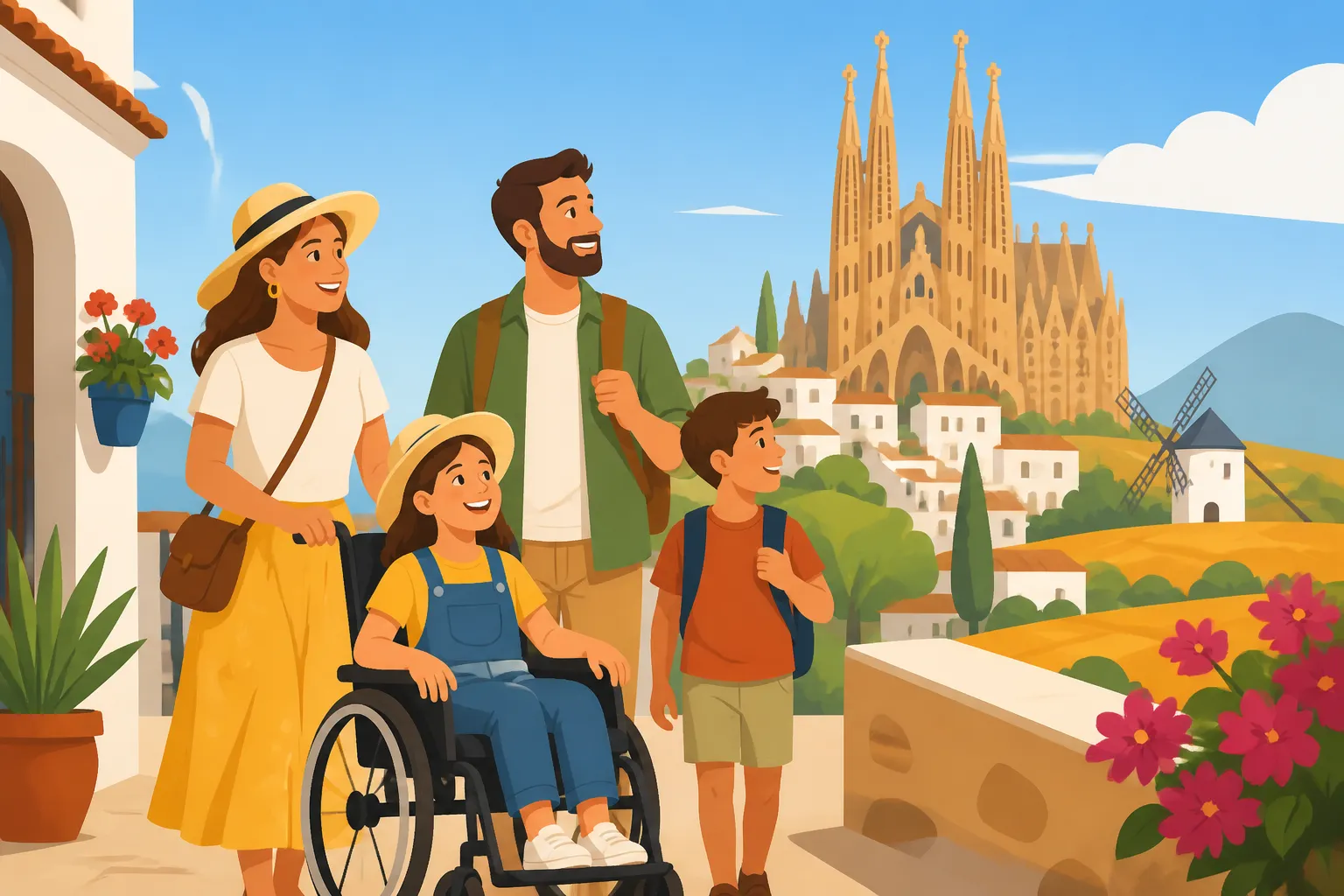
Spain has made incredible strides in accessibility over the last decade, but it remains a country of contrasts. You will find ultra-modern, fully accessible museums right next to 500-year-old plazas with deep gutters and high curbs. For travelers with limited mobility or those using wheelchairs, the key to a successful trip is meticulous research and knowing which resources to tap into before you arrive.
Mobility-Friendly Cities and Infrastructure
Barcelona is widely considered one of the most accessible cities in Europe. Most of its metro stations have elevators, and the city’s buses are 100% accessible with ramps. The famous Eixample district, with its wide, gridded streets and chamfered corners, makes navigating the city in a wheelchair much easier than in the cramped Gothic Quarter. Madrid is also catching up, though its hilly terrain can still pose challenges in areas like La Latina.
Smaller cities shouldn't be overlooked either. Valencia and Malaga have invested heavily in flat, accessible promenades and adapted public spaces. When planning your route, How to Find Wheelchair-Accessible Attractions in Spain is an essential resource for identifying which of the major landmarks have been retrofitted with ramps and lifts. For example, the Prado Museum in Madrid has excellent accessibility, providing free wheelchair loans and clearly marked routes that bypass stairs.
When booking your stay, use Booking.com to filter for "facilities for disabled guests." However, it is always wise to send a quick message to the host or hotel manager to confirm the width of the elevator and whether there is a walk-in shower. "Accessible" can sometimes be a subjective term in older Spanish buildings. A veteran tip is to look for newer hotels in the "modernist" or "expansion" districts of cities rather than the medieval cores, as these buildings were constructed under much stricter accessibility laws.
Public Transport and Assistance Services
The Spanish national rail network, Renfe, offers a fantastic service called "Adif Acerca." This service provides free assistance for passengers with reduced mobility, including help boarding and alighting trains and navigating the station. You can request this service when you buy your tickets through platforms like Omio, or by calling Renfe directly at least 24 hours in advance. It takes a huge amount of stress out of the travel day to know that someone will be waiting for you at the platform with a ramp.
Taxis in Spain are also a viable option. In major cities, you can specifically request an "Eurotaxi," which is a vehicle adapted for wheelchairs. Apps like Free Now or Uber allow you to select these vehicles in certain cities, though they can have longer wait times than standard cars. If you are planning a trip involving multiple cities, How to Plan a Stress-Free Family Trip to Spain also touches on the best ways to coordinate transport for groups with varied mobility needs.
For those flying into Spain, Aena (the Spanish airport authority) provides a comprehensive assistance service. This should be booked at least 48 hours in advance through your airline or the Aena website. They will meet you at the check-in desk, help you through security, and ensure you are safely seated on the plane. Having used this service with my parents, I can attest to how professional and empathetic the staff are, often making the difference between an exhausting day and a manageable one.
Visiting Historical Sites with Limited Mobility
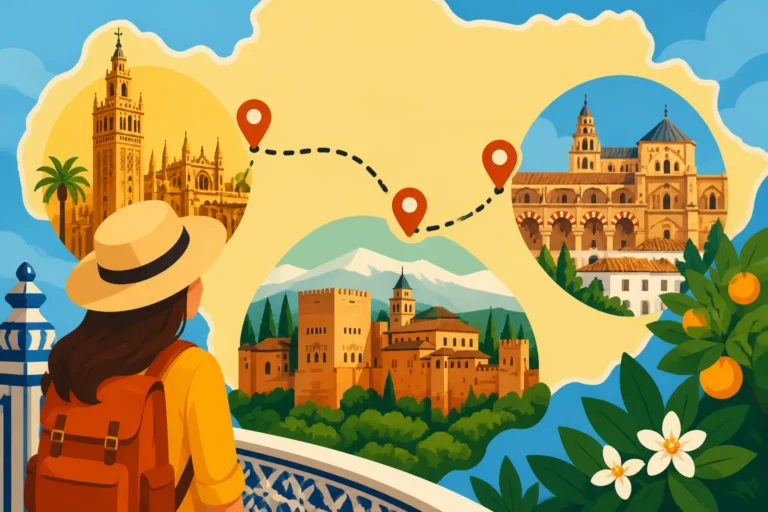
The jewel in Spain's crown, the Alhambra in Granada, is a challenge for anyone due to its size and hilltop location. However, they have created a specific "accessible itinerary" that avoids the most difficult stairs and slopes. You can view these maps on their official site or book specialized tours through GetYourGuide that focus on the most accessible parts of the Generalife gardens and the Nasrid Palaces. It requires more planning, but seeing the intricate stucco work of the Alhambra is a bucket-list experience that shouldn't be missed just because of mobility concerns.
In Seville, the Cathedral (the largest Gothic cathedral in the world) is largely accessible, including the main floor and the treasury. However, the famous Giralda bell tower uses a series of 34 ramps instead of stairs. While this was originally designed so the Muezzin could ride a horse to the top, it is still a very steep climb that might be too taxing for some. Always check the specific accessibility details for each monument, as many offer discounted entry for travelers with disabilities and their companions.
If you ever find yourself in a situation where the infrastructure fails or you need urgent help, don't panic. The Spanish healthcare system is robust. For visitors, knowing where to go is half the battle. Emergency Healthcare in Spain: 112, Urgent Care, and What to Expect provides a clear guide on how to access medical services if an injury or illness occurs while you're exploring. The "Urgencias" (emergency rooms) at public hospitals are equipped to handle all levels of care, though having private travel insurance is always recommended for extra peace of mind.
The Art of Slow Travel in Spain
Slow travel isn't just a trend; in Spain, it's a way of life. The concept of "prisa" (hurry) is generally frowned upon. To truly experience the country, you need to stay in one place long enough to recognize the guy who works at the local bakery and to understand the distinct rhythm of your "barrio" (neighborhood). Slow travel allows you to bypass the burnout that comes with trying to see ten cities in two weeks.
Immersing Yourself in Local Neighborhoods
Instead of staying in the tourist-heavy "Centro," look for residential neighborhoods that offer a more authentic experience. In Madrid, neighborhoods like Chamberí or Arganzuela provide a glimpse into everyday Madrileño life, with bustling local markets and traditional taverns. In Barcelona, Gràcia feels like a small village within a city, with its narrow streets and independent boutiques.
When you stay in a neighborhood for a week or more, you stop being a tourist and start being a temporary resident. You’ll find yourself shopping at the local "mercado municipal" for fresh produce, which is not only cheaper but also a fantastic way to practice your Spanish. For those thinking of making a more permanent move or an extended stay, understanding the local administrative requirements is key. For instance, How to Register Your Address (Empadronamiento) When You Move House is a vital piece of the puzzle if you decide to extend your stay beyond the typical tourist visa.
Slow travel also gives you the time to maintain your wellness routine. I’ve found that joining a local yoga studio or finding a park for a morning run helps ground me in a new city. If you’re looking for community-based wellness, you might want to look into How to Find English-Friendly Fitness Classes in Spain to stay active while you're settling in. Taking care of your physical health makes the transition to a new culture much smoother.
Exploring Regional Identity Beyond the Hotspots
Spain is incredibly diverse, with distinct languages, cuisines, and traditions in every region. Slow travel allows you to venture into the "Españа Vaciada" (Empty Spain)—regions like Extremadura or Castilla-La Mancha that are often ignored by the coastal crowds. These areas are home to incredible Roman ruins, medieval castles, and some of the best stargazing spots in Europe.
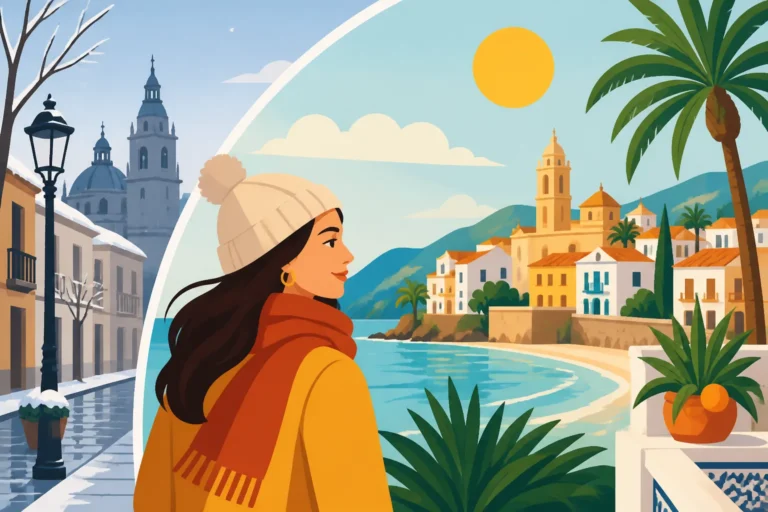
In the north, Galicia offers a lush, green landscape that feels more like Ireland than the typical image of sunny Spain. Here, the pace of life is dictated by the tides and the harvest. You can spend days exploring the "rías" (coastal inlets) and eating the freshest seafood you've ever tasted. To really get a handle on how to structure a month-long trip like this, How to Travel Spain Slowly Over a Month provides a great framework for pacing your journey across different regions.
Slow travel is also an opportunity to support local economies. By staying in small, family-run guesthouses you find on Booking.com and booking locally-led tours through GetYourGuide, you ensure that your travel dollars stay within the community. This "slow" approach often leads to the most memorable experiences, like being invited to a village festival or discovering a hidden vineyard that doesn't show up on any "Top 10" lists.
Practical Logistics for Long-Term Stays
If you’re planning to stay in Spain for several months, you need to consider the more mundane aspects of life, such as healthcare and banking. While the public system is excellent, many expats and long-term travelers choose to supplement it with private options for faster access to specialists. It’s worth comparing the two; for example, Public vs Private Dental Care in Spain: What Expats Usually Choose explains why many people opt for private dental clinics even if they use the public system for general health.
Internet connectivity is also crucial for slow travelers, especially digital nomads. Fortunately, Spain has some of the best fiber-optic coverage in Europe. Most apartments will come with high-speed Wi-Fi, but it’s always worth checking the speed if you plan to work remotely. You can also pick up a local SIM card very easily at any "locutorio" or mobile phone shop to ensure you stay connected while out exploring.
Managing your finances is another consideration. While most places in cities accept cards, cash is still king in smaller villages. Having a low-fee international card is a must. If you find yourself needing more than just a quick check-up, such as a regular dental cleaning or a minor procedure, knowing the costs ahead of time is helpful. For a realistic budget, you might check How Much Does a Dental Cleaning Cost in Spain? to avoid any surprises at the clinic.
Logistics for Stress-Free Travel
The difference between a stressful trip and a seamless one often comes down to the tools you use to manage your bookings. In a country as geographically diverse as Spain, you will likely use a mix of trains, buses, and the occasional rental car.
Booking Transport and Accommodation
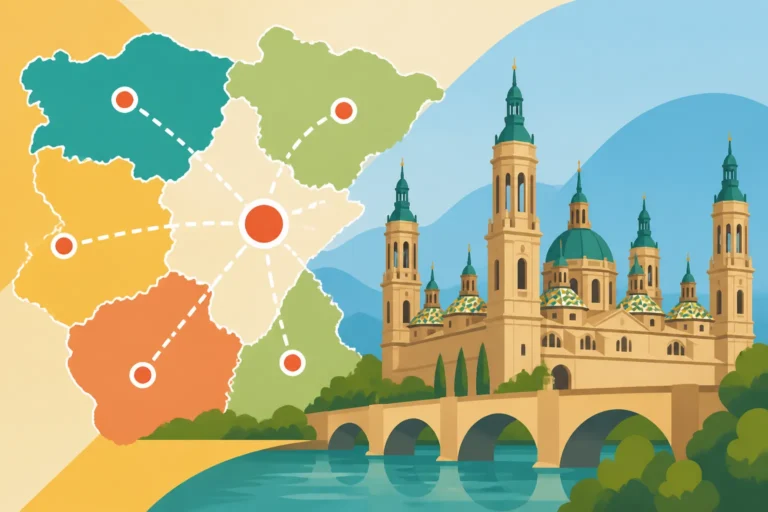
For intercity travel, the train is almost always the best option. The high-speed AVE network connects Madrid to most major cities in under three hours. However, for smaller towns in regions like Andalusia or the Asturias, the bus network (run by companies like Alsa) is much more extensive and surprisingly comfortable. I always use Omio to compare prices and durations between trains and buses in one place. It saves the headache of navigating multiple Spanish-only websites.
When it comes to where you sleep, don't overlook the "Paradores." These are state-run hotels often located in historic buildings like monasteries, castles, and palaces. They are generally very well-maintained and many have been updated with modern accessibility features. You can often find them listed on Booking.com alongside boutique hotels and apartments. If you're traveling as a larger group, look for "viviendas turísticas" (tourist apartments) which give you the space to spread out and cook your own meals, which is a significant cost-saver.
Organizing Experiences and Tours
The most popular attractions in Spain—the Sagrada Família, the Alhambra, the Royal Palace of Madrid—sell out weeks in advance. If you show up on the day hoping for a ticket, you will be disappointed. I recommend booking your "must-see" tickets as soon as your travel dates are confirmed. GetYourGuide is a reliable platform for this, as they often offer skip-the-line options and free cancellation up to 24 hours before, which is vital when traveling with kids or elderly relatives whose plans might change.
For a deeper dive into a city's history, consider a private walking tour. While more expensive than a group tour, a private guide can tailor the pace to your needs, taking breaks when you're tired and choosing routes that avoid steep hills or stairs. This is particularly useful for accessible travel, as a local guide will know exactly which streets have the best pavement and where the "secret" elevators are located.
Managing Connectivity and Communication
While many Spaniards in tourist areas speak some English, your experience will be infinitely better if you learn a few basic phrases. Simple greetings like "Buenos días" and "Gracias" go a long way. Use translation apps for more complex interactions, especially at local markets or pharmacies.
Having a local data plan is also essential for navigating with Google Maps and using translation tools on the fly. Most international roaming plans are expensive, so it is usually wise to get an eSIM or a local prepaid SIM card upon arrival. This allows you to look up restaurant reviews, check train times on Omio, and message your Booking.com host without worrying about a massive bill when you get home.
Summary of Travel Options in Spain
To help you decide which style of travel fits your needs, I've put together a comparison of some of the most popular regions for family, accessible, and slow travel.
| Region | Best For | Accessibility Rating | Highlight for Families | Slow Travel Vibe |
|---|---|---|---|---|
| Valencia | Families & Easy Mobility | High | Turia Gardens & Oceanogràfic | Modern, clean, and very flat |
| Catalonia | Culture & Coastal Slow Travel | High | Barceloneta Beach & Park Güell | Sophisticated but relaxed |
| Andalusia | History & Traditional Charm | Medium | Maria Luisa Park (Seville) | Intense heat but soulful pace |
| Basque Country | Foodies & Active Teens | Medium | La Concha Beach (San Seb) | Rugged, rainy, and authentic |
| Madrid | Urban Exploration | Medium/High | Retiro Park & Zoo Aquarium | Fast-paced but with green lungs |
| Galicia | Nature & Authentic Living | Low/Medium | Coastal Inlets (Rías Baixas) | Quiet, green, and very slow |
Health and Wellness on the Move
No matter how well you plan, things can happen. Being prepared for the Spanish climate and knowing how to navigate the health system will keep your trip on track.
Handling Medical Situations on the Road
If you or a family member feels unwell, your first stop should be a "Farmacia" (marked by a glowing green cross). Spanish pharmacists are highly trained and can provide advice and over-the-counter medication for minor ailments like hay fever, stomach upsets, or sunstroke. If the situation is more serious, you should head to the nearest "Centro de Salud" or "Urgencias."
For non-EU citizens, it is vital to have travel insurance that covers medical expenses. While you will never be denied emergency care in Spain, you will be billed for it if you don't have coverage. If you’re planning a longer stay, you might want to look into Health Insurance in Spain: Options for Residents, Students, and Families to see what kind of policy best suits your situation. Having your insurance documents easily accessible on your phone or in your day bag is a simple step that can save a lot of stress in an emergency.
Managing Heat and Sun Exposure
The Spanish sun is no joke, especially between June and September. Heat exhaustion can set in quickly, particularly for children and the elderly. The best way to manage this is to follow the local lead: stay indoors or in the shade during the hottest part of the day (2:00 PM to 5:00 PM). This is the traditional time for a siesta, and for good reason.
Hydration is key. While tap water is safe to drink in most of Spain, the taste varies wildly by region (it's great in Madrid, but a bit metallic on the coast). Carry a reusable water bottle and fill it up at the many public fountains you'll find in parks and plazas. If you’re feeling the effects of the heat, don't push through. Stop at a cafe, order a "caña" or a "tinto de verano" (or a cold water!), and rest in the air conditioning for a while. Taking it slow isn't just a travel philosophy; in the Spanish summer, it's a health requirement.
Disclaimer
The information provided in this guide is for general informational purposes only and does not constitute legal, medical, or professional travel advice. While every effort has been made to ensure the accuracy of the information, travel regulations, accessibility features, and local laws in Spain can change frequently. Readers are encouraged to verify specific details with official government sources or professional service providers before making travel arrangements. The author and publisher assume no liability for any loss or inconvenience resulting from the use of this information.