How to Register Your Address (Empadronamiento) When You Move House
Moving house in Spain is often a whirlwind of excitement followed by the crushing realization that you have to face the town hall once again. I still remember my second move in Barcelona; I assumed my old registration would just "figure itself out," only to be denied a doctor's visit weeks later. This guide simplifies the process of updating your address on the municipal register.
Disclosure: This post may contain affiliate links. We may earn a commission at no extra cost to you if you make a purchase through these links. Read full disclosure.
The Absolute Necessity of Updating Your Padrón
The empadronamiento, or padrón as we expats colloquially call it, is the most humble yet powerful document in your Spanish folder. It is the administrative record of where you live. When you move from a cozy studio in Madrid to a larger flat in Valencia, or even just three blocks down the street in the same neighborhood, your registration does not automatically follow you. In the eyes of the Spanish government, if you haven't updated your padrón, you still live at your old address. This can lead to a domino effect of bureaucratic headaches, ranging from missing important tax letters to being unable to renew your residency.
For many of us, the padrón is the gateway to every public service. You will need a current certificate to access the Spain Healthcare System for Expats: Public vs Private or to enroll your children in a local school. It is also a fundamental requirement for the NIE, TIE & Empadronamiento: Essential IDs and Registrations in Spain ecosystem. Without an updated address, the local health center (Centro de Salud) won't be able to assign you a doctor, as these services are strictly territorial. Expats often wait months for a specialist appointment only to be told their padrón was out of date, forcing them to start the referral process from scratch.
Beyond healthcare, your padrón is your proof of residency time in Spain. If you ever plan to apply for permanent residency or citizenship, every gap in your padrón history is a red flag for the authorities. It proves you have been physically present in the country. Therefore, re-registering isn't just about following rules; it's about protecting your long-term future in Spain. If you used a platform like Spotahome to find your new apartment, ensure your contract explicitly states that you are the legal tenant, as this is the primary document the town hall will demand to see.
How the Re-Registration Process Actually Works
The process of changing your address is technically a "new" registration that replaces the old one. You don't need to go back to your old town hall to "de-register." Instead, when you register at your new Ayuntamiento (Town Hall), the system automatically notifies the previous municipality that you have moved. This is one of the few instances where Spanish bureaucracy actually communicates with itself fairly well. However, the onus is entirely on you to initiate the update at your new local office.
Your first step is almost always booking a Cita Previa. In big cities like Madrid, Barcelona, or Seville, getting an appointment can feel like winning the lottery. You’ll often find yourself refreshing the municipal website at 8:00 AM on a Monday morning. During this transition period, while you're navigating new streets and trying to find the town hall, having a reliable data connection is a lifesaver. I highly recommend using an eSIM from Airalo to ensure you have data the moment you step out of your new flat, especially since getting home fiber installed can take a week or more.
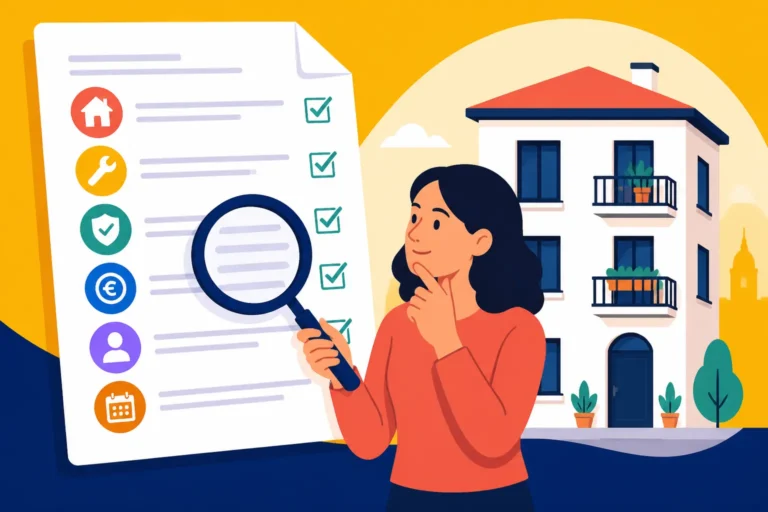
Once you have your appointment, you need to gather your paperwork. The requirements are generally standard across Spain, but some regions have their own quirks. You are essentially proving two things: who you are and that you actually live where you say you live. For the former, your TIE or passport is sufficient. For the latter, you need a signed rental contract. If you are renting a room in a shared house, you will likely need the "autorización" of someone already registered there or the landlord's explicit permission. This is often where things get tricky, as some landlords are hesitant to have more people on the padrón than the contract specifies.
| Document Type | Requirement Detail | Why You Need It |
|---|---|---|
| Identification | Original TIE, Green NIE, or Passport | To verify your legal identity in Spain |
| Housing Proof | Original Rental Contract (signed by all parties) | To prove you have a legal right to occupy the property |
| Recent Bill | Utility bill (Water, Electricity, or Gas) | To show the property is active and you are the bill-payer |
| Application Form | Hoja de Empadronamiento (provided by Ayuntamiento) | The official request to be added to the municipal census |
| Authorization | Signed form from the landlord or current tenant | Required if you are not the primary person on the lease |
Gathering the Required Paperwork Without the Stress
The most common reason for a rejected padrón application is a lack of "fresh" documents. The clerk at the Ayuntamiento wants to see a rental contract that is current. If your contract was signed more than a year ago, they will often ask for the last month’s rent receipt or a recent utility bill in your name. If you’ve just moved in and the bills are still in the landlord's name, you should bring the "inventory" or "entry" document provided by your agency. When I first moved to a flat I found through Spotahome, the digital contract they provided was perfectly acceptable, provided I had a printed copy ready for the official to stamp.
If you are moving into a property you have purchased, the process is slightly different. Instead of a rental contract, you will need to bring the Escritura (Title Deeds) or a Nota Simple from the Land Registry. We dive deeper into these property-specific terms in our guide on Buying Property in Spain as a Foreigner: Process and Costs. Regardless of whether you rent or buy, make sure the address on your documents exactly matches the address on the town hall's database. If your contract says "3rd floor, door A" but the town hall has it listed as "3rd floor, door 1," you might be sent home to get a clarification letter.
While you are waiting for your appointment and getting your new home in order, you’ll likely be ordering essentials like curtains, kitchenware, or even basic cleaning supplies. Using Amazon Spain is the most efficient way to get these items delivered directly to your new address, which also helps establish your presence there. Just remember to update your "default address" in your account so your packages don't end up at your old flat! The small acts of settling in, like receiving mail and setting up your kitchen, are part of the broader Spain Relocation Checklist: First 30 Days for New Residents that every newcomer should follow.
Special Scenarios: Roommates, Partners, and Families
Moving with others adds a layer of complexity to the empadronamiento. If you are moving as a family, one parent can usually register the entire household, provided they have the original IDs and birth certificates for everyone involved. For couples who are not married, both individuals generally need to appear in person or provide a signed authorization form. In the context of Women’s and Family Health in Spain: Maternity, Pediatrics, and Screening, having the entire family correctly registered at the same address is vital for ensuring everyone is assigned to the same local pediatric clinic.
In a "piso compartido" or shared flat scenario, the process is often more manual. If you are moving into a room where others are already registered, the Ayuntamiento will often require one of the current residents to sign a form "authorizing" your registration at that address. They may even need to come with you to the appointment. This is a common hurdle for students and young professionals. If you find yourself in this situation, ensure you discuss the padrón with your potential flatmates before signing anything. This transparency is a key part of understanding How Spanish Rental Contracts Work: Key Clauses Explained.
There is also the question of moving between different Comunidades Autónomas. Spain is highly decentralized, and moving from Andalusia to Catalonia means entering a different regional health and education system. While the padrón process is similar, you must be proactive in updating your details with the Regional Health Systems in Spain: How Coverage Differs by Comunidad once your new address is registered. I learned the hard way that the town hall does not tell the health department you’ve moved; you have to take your new padrón certificate to your new local Centro de Salud yourself.
Digital Certificates and the Modern Way to Register
If you have a digital certificate or a Cl@ve PIN, you might be able to skip the physical queue at the town hall entirely. Many municipalities now allow you to update your address online. This involves uploading scanned copies of your contract and ID. While this sounds modern and easy, the systems can be finicky. I’ve had friends attempt the online route only to have their application sit in "pending" status for weeks because a scan was slightly blurry. If you are in a rush to get your Health Insurance in Spain: Options for Residents, Students, and Families sorted, the in-person appointment is often faster as you walk out with the document in hand.
For those who are not tech-savvy or simply prefer a paper trail, the in-person visit remains the gold standard. When you go, ask for a Certificado de Empadronamiento rather than just a Volante. The Volante is an informal printout, whereas the Certificado is a signed official document often required for immigration and legal matters. This distinction is one of many nuances covered in our look at Spanish Bureaucracy for Daily Life: Padrón, IDs, and Local Services. Always ask for two or three copies; the clerk might grumble, but it saves you another trip later when the Extranjería office keeps your only original.
During the days surrounding your move, your phone will be your most important tool. From using maps to find the municipal office to translating the clerk's rapid-fire Spanish, having a steady data plan is non-negotiable. If your home internet isn't yet active, an Airalo eSIM can bridge that gap so you aren't left standing on a street corner unable to load your appointment confirmation. Once you are registered, you can finally relax and start enjoying your new neighborhood, knowing that you are legally "there."
Updating Your Address With Other Authorities
Once the padrón is in your hand, your job is only halfway done. The town hall knows where you live, but several other major institutions do not. You must notify the Dirección General de Tráfico (DGT) if you have a car or a Spanish license, the Social Security office, and the Tax Agency (Hacienda). Failure to notify Hacienda of an address change can result in fines if they send you a notification that you never receive. We cover the logistics of this in our guide on Spain Address Change for Residents: Updating Padrón and TIE Records.
You should also update your details with your bank and insurance providers. If you have private health insurance, they need your new address to ensure you are covered for local clinics. When I moved, I used a quiet Sunday to go through my "digital life," updating my address on Amazon Spain for my deliveries and ensuring my bank knew where to send my new cards. It’s a tedious afternoon, but it prevents the stress of a lost replacement credit card or a missed utility bill notification.
Finally, don't forget the small things. If you have pets, their microchip registry needs to be updated with your new address. If you’ve moved to a new city, your old library card might not work, and you’ll need to show your new padrón to get a new one. Each of these steps, while small, helps you transition from being a "visitor" in a new flat to a truly settled resident. The padrón is the foundation upon which your new life in that specific Spanish street is built.
Summary of Next Steps After Moving
- Secure your new rental contract or title deeds immediately.
- Book a Cita Previa for empadronamiento at your new Ayuntamiento.
- Ensure you have a printed copy of your ID and proof of housing.
- Attend the appointment and request multiple copies of the Certificado.
- Take the certificate to your new local Centro de Salud to update your How to Get a Spanish Health Card (Tarjeta Sanitaria): Step‑by‑Step.
- Update your address with the DGT, Social Security, and your bank.
- Check your digital accounts (like Amazon Spain) to avoid delivery mishaps.
Disclaimer
This guide is for informational purposes only and does not constitute legal advice. Requirements for the empadronamiento can vary significantly between municipalities and autonomous communities in Spain. Always check the official website of your local Ayuntamiento for the most current procedures, required forms, and appointment booking systems. Bureaucratic processes are subject to change without notice.