How to Handle a Hospital Stay in Spain: What to Pack and Expect
Navigating the Spanish healthcare system can feel like a labyrinth, especially when an outpatient visit turns into an overnight stay. I remember the sheer panic I felt during my first emergency admission in Madrid, realized I had no pajamas, no charger, and absolutely no idea how to ask for water. This guide breaks down exactly what to expect and what to pack to ensure your recovery is as stress-free as possible.
Disclosure: This post may contain affiliate links. We may earn a commission at no extra cost to you if you make a purchase through these links. Read full disclosure.
Understanding the Spanish Hospital Landscape
The very first thing you need to realize is that the experience of a hospital stay in Spain varies significantly depending on whether you are entering the public system (Seguridad Social) or a private facility. Both offer world-class medical care, but the "lifestyle" aspect of your stay will be worlds apart. If you are here on a visa that requires private coverage, you likely have a policy through providers like Cigna Global or have used a facilitator like Innoinsure to set up your requirements.
In the public system, the focus is strictly clinical. The doctors are some of the best in the world, and the equipment is top-tier, but the amenities are sparse. You are there to get better, not to be pampered. On the flip side, private hospitals often feel more like hotels. You will almost certainly have a private room, a sofa for a guest, and perhaps even a menu with a few more choices. For a deep dive into these differences before you find yourself in an ambulance, you should read up on the Spain Healthcare System for Expats: Public vs Private to understand which path you are likely to take.
Public Hospitals: Excellence Without the Frills
If you are admitted to a public hospital, prepare for the possibility of sharing a room. While newer hospitals are moving toward individual rooms, many older, prestigious university hospitals in cities like Barcelona or Seville still have two beds per room. There is usually a curtain for privacy, but you will hear your roommate’s TV, their visitors, and their conversations with doctors.
The level of medical attention is high, but the "nursing" culture is different than in the US or UK. In Spain, nurses handle medical tasks—injections, vitals, and wound care. They generally do not act as personal assistants. This is where the cultural concept of the acompañante (companion) comes in, which we will discuss shortly. If you are entering through the ER, you might want to check our guide on What to Expect at a Spanish Emergency Room (Urgencias) Visit to understand the triage process.
Private Hospitals: The Expat Comfort Zone
For those with private insurance, such as a plan from Cigna Global, the experience is much more familiar to those used to private healthcare in Northern Europe or North America. Private hospitals like the Quirónsalud network or HM Hospitales provide private suites. These rooms usually have a dedicated bed or pull-out sofa for a family member to stay overnight comfortably.
Communication is also generally easier in private facilities. While not every staff member will be fluent, the likelihood of finding an English-speaking doctor is much higher. If you are still in the process of choosing your coverage, it is worth Choosing a Private Health Insurer in Spain: What to Compare to see which networks include the best hospitals in your specific region.
The Cultural Role of the Acompañante
This is perhaps the biggest "shocker" for expats. In many Spanish hospitals, especially in the public sector, it is expected that a family member or friend—the acompañante—stays with the patient almost 24/7. This person is responsible for the non-medical needs of the patient. If you need a glass of water, help reaching the TV remote, or someone to help you adjust your pillow, it is usually your acompañante who does it, not the nursing staff.
If you don't have family nearby, don't panic. The nurses will help you, but they may be stretched thin. If you are a solo expat, this is the time to call in a favor from a friend or neighbor. Having someone there to navigate the bureaucracy and keep you company is vital for your mental health. It also helps if your companion knows some Spanish Medical Terminology: Common Words Expats Should Know so they can communicate basic needs to the floor staff.
What to Pack for Your Stay
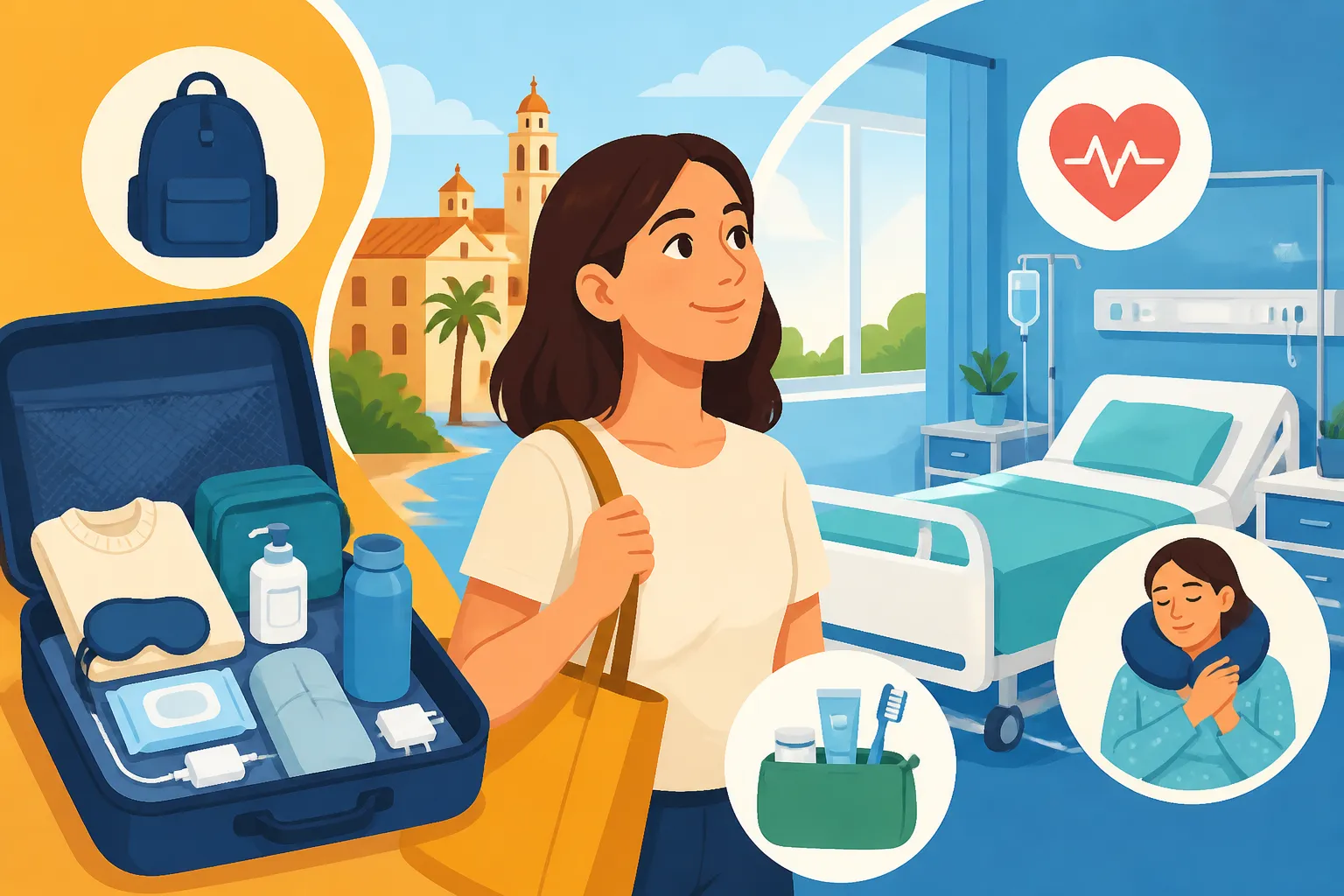
Spanish hospitals do not provide a "care package" upon arrival. You won't find a little kit with a toothbrush, comb, and grippy socks waiting for you. You are expected to bring almost everything for your personal hygiene and comfort. If you are heading in for a planned surgery, use this checklist. If it’s an emergency, try to get a friend to grab these items from your home.
Personal Hygiene and Toiletries
In a public hospital, you will likely be provided with a thin towel and some basic soap, but it is much better to bring your own.
- A full toiletry kit: Toothbrush, toothpaste, deodorant, and a hairbrush.
- Shower shoes/Flip-flops: Essential for shared bathrooms to avoid infections.
- Moisturizer and Lip Balm: Hospital air is notoriously dry, and the Mediterranean climate can exacerbate this.
- Tissues and Wet Wipes: These are rarely provided in the room and are incredibly useful.
Comfort and Clothing
You will be given a hospital gown for procedures, but once you are stable, you are often allowed (and encouraged) to wear your own clothes.
- Loose, comfortable pajamas: Ensure they open at the front if you have chest monitors or IV lines.
- A robe: For walking the hallways (which doctors will encourage as soon as you are able).
- Slippers with good grip: Hospital floors are slippery and often cold.
- Earplugs and an Eye Mask: Especially if you are sharing a room. Spanish hospitals can be loud, with staff moving equipment and talking in the hallways at all hours.
Electronics and Entertainment
- Extra-long charging cable: Power outlets are often positioned in awkward spots behind the bed.
- Noise-canceling headphones: To drown out the TV of your roommate who might be watching game shows at 11 PM.
- A tablet or Kindle: WiFi in public hospitals can be spotty, so download your movies and books in advance. If you are a digital nomad using something like SafetyWing for your emergency needs, ensure your data plan allows for a hotspot just in case the hospital WiFi fails.
Documentation
Never go to a hospital without your paperwork. Even if you are already in the system, having physical copies can save hours of administrative headache. For a full list of what to keep in your "emergency folder," see What to Bring to Your First Doctor Visit in Spain (Documents Checklist).
- TIE or Passport: Your primary identification.
- SIP Card or Private Insurance Card: Whether it's the public health card or your Cigna Global card.
- Recent Medical Reports: Especially if you have chronic conditions or are taking specific medications.
Comparison of Public vs. Private Hospital Stays
| Feature | Public Hospital (Seguridad Social) | Private Hospital (Sanitas/Cigna/etc.) |
|---|---|---|
| Room Type | Often shared (2 people) | Almost always private |
| Guest Accommodation | Basic chair (overnight stays common) | Sofa-bed (overnight stay encouraged) |
| English Proficiency | Variable; often low among nursing staff | Generally higher; some dedicated translators |
| Catering | Standardized; very "traditional" Spanish | Choice of menus; often higher quality |
| Wait Times for Surgery | Can be long for non-emergencies | Very short; usually within days |
| Amenities | Minimal; bring your own toiletries | Basic toiletries often provided |
Navigating the Daily Routine
The "Spanish rhythm" of life does not stop at the hospital doors. In fact, it can be even more pronounced. Understanding the schedule will help you manage your expectations regarding food and doctor visits.
Meal Times
If you are used to dinner at 6 PM, you are in for a shock. In a Spanish hospital, the schedule usually looks like this:
- Desayuno (Breakfast): 8:30 AM – 9:00 AM (Usually coffee and some crackers or toast).
- Comida (Lunch): 1:30 PM – 2:30 PM (This is the main meal of the day, often two courses).
- Merienda (Snack): 5:00 PM (Usually a juice or a piece of fruit).
- Cena (Dinner): 8:30 PM – 9:30 PM (A lighter meal, like soup or a tortilla).
If you have dietary restrictions (vegan, gluten-free), you must communicate this immediately upon admission. While hospitals are getting better at this, the default "dietary" meal is often very basic.
The Doctor’s Rounds (El Médico)
Doctors usually do their rounds in the morning, between 9 AM and 12 PM. This is your primary window to ask questions. In Spain, doctors are very direct. They will give you the facts, but they might not spend 20 minutes chatting about your feelings unless you prompt them. If your Spanish is shaky, have your acompañante there, or use a guide on How to Ask for an English‑Speaking Doctor Appointment in Spanish (Phrase Guide) to prepare your questions in advance.
Communication and the Language Barrier
Even if you live in an expat hub like the Costa del Sol or Altea, the technical staff in a hospital may speak very little English. This can lead to significant stress when you are trying to explain symptoms or understand a diagnosis.
If you find yourself struggling, ask for a traductor (translator). Many hospitals have volunteer translation services, or your private insurance provider, like Innoinsure, might offer a helpline to assist with communication. If you are using travel insurance such as SafetyWing, they often have a 24/7 assistance line that can help coordinate with the medical team.
Don't be afraid to use translation apps on your phone, but be aware that medical terminology can sometimes be mistranslated. It is always better to have a human who understands the context. If you find the bureaucracy overwhelming, you might want to look into Emergency Healthcare in Spain: 112, Urgent Care, and What to Expect to understand your rights as a patient.
The Discharge Process (El Alta)
The moment you’ve been waiting for: el alta médica. Discharge usually happens in the morning after the doctor’s rounds. However, "being told you can go" and "actually leaving" are two different things. You must wait for the physical paperwork, known as the informe de alta.
This document is crucial. It contains your diagnosis, the treatment you received, and, most importantly, your follow-up instructions. Do not leave the hospital without it. If you are working in Spain, you will also need the baja médica (sick note) for your employer. You can find out more about how that works in our guide on How to Get a Sick Note in Spain (Baja Médica) — Overview.
Managing Your Meds
When you are discharged, the doctor will give you a list of medications. In the public system, these are often linked electronically to your health card. You simply go to any pharmacy and hand over your card. If you are in the private system, you will receive paper or digital prescriptions that you may need to pay for upfront and then claim back from your insurer. To understand the nuances of the local pharmacy, read Prescription System in Spain: How ePrescriptions Work.
Aftercare and Recovery
Recovery doesn't end when you walk out the hospital doors. Spain has an excellent network of Centros de Salud (local clinics) that handle your follow-up care, such as removing stitches or monitoring blood work. If you were treated in a private hospital, you will likely return to that same hospital for your follow-up appointments with the specialist.
If you find that your recovery is taking longer than expected or you are struggling with the transition, don't hesitate to reach out for support. Many expat communities have "helping hands" groups specifically for people who have recently been hospitalized and need help with grocery shopping or getting to appointments.
Disclaimer
The information provided in this guide is for informational purposes only and does not constitute medical or legal advice. Healthcare regulations and hospital policies in Spain can change frequently and may vary by autonomous community. Always consult with a qualified medical professional or your insurance provider regarding your specific health situation and coverage.