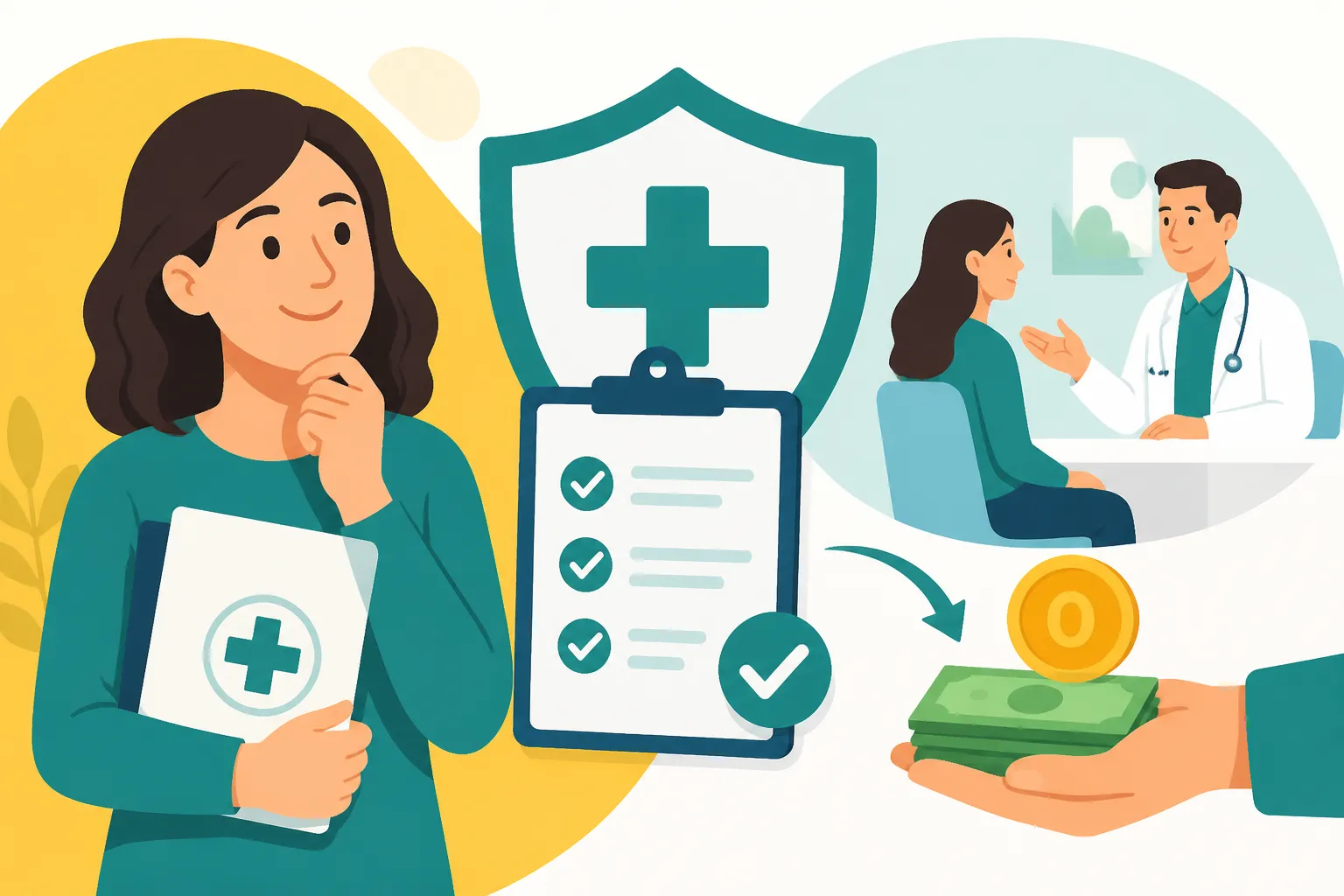
How to Get Reimbursed for Private Treatment Under Spanish Insurance
Navigating the paperwork for a medical claim in a foreign language is a special kind of stress, especially when you are already feeling under the weather. I still remember the sinking feeling in my gut when a Spanish clinic handed me a simple receipt, and my insurance provider rejected it because it lacked a specific tax ID number. This guide solves the mystery of the "reembolso" process so you can get your money back quickly and without the tears.
Disclosure: This post may contain affiliate links. We may earn a commission at no extra cost to you if you make a purchase through these links. Read full disclosure.
The Difference Between Direct Access and Reimbursement Plans
In Spain, most people with private health insurance are used to "Cuadro Médico" or direct access. This means you show your plastic or digital card at a hospital within the insurer's network, and you pay nothing—the hospital bills the insurance company directly. However, if you choose to see a specialist who isn't in that network, or if you have a specific international policy, you move into the territory of reimbursement.
When you are Choosing a Private Health Insurer in Spain: What to Compare, it is vital to check if your policy is a "Mixed" or "Reimbursement" (Reembolso) plan. A reimbursement plan allows you the freedom to visit any doctor in the world, pay the bill yourself upfront, and then claim a percentage—usually between 80% and 100%—back from your provider. Companies like Cigna Global are famous for these high-flexibility plans, which are perfect for expats who want to keep seeing a specific English-speaking specialist who might not be on the local Spanish lists.
If you are on a more standard local plan, such as those often arranged through Innoinsure, you might only have reimbursement for specific things like pharmacy costs or emergency dental work. Always check the "Condiciones Particulares" of your policy to see your specific limits. If you do not have a reimbursement clause, the insurance company will simply refuse to pay for any treatment done outside their specific network of hospitals.
Documents You Must Request Before Leaving the Clinic
The biggest reason claims are rejected in Spain isn't because the treatment wasn't covered; it is because the paperwork wasn't "legal" in the eyes of the Spanish tax agency (Hacienda) or the insurer's audit department. You cannot simply submit a credit card slip or a small "ticket" from a thermal printer.
The All-Important Factura
In Spain, there is a massive difference between a "recibo" (a receipt of payment) and a "factura" (a formal invoice). For a reimbursement claim, you must have a "Factura Ordinaria." This document must include the clinic's name, their CIF (tax identification number), their registered address, a unique invoice number, the date, and a breakdown of the services provided.
Crucially, it must also include your full name and your NIE or passport number. Don't leave the front desk until you see those details printed clearly. If you are unsure of the vocabulary, checking a guide on Spanish Medical Terminology: Common Words Expats Should Know can help you communicate these requirements to the administrative staff.
Detailed Medical Reports
A bill tells the insurer how much you paid, but it doesn't tell them why you needed the treatment. For anything beyond a simple consultation, you will need an "Informe Médico." This is a signed and stamped document from the doctor explaining your symptoms, the diagnosis, and the treatment plan.
If you are undergoing a series of sessions, such as physiotherapy or speech therapy, the insurer will often demand an initial report before they pay for the subsequent sessions. If you are using a provider like SafetyWing for more nomadic or temporary stays, they may be more flexible, but Spanish-based companies are notoriously strict about having a doctor's signature on a formal report for every claim over a certain euro amount.
How to Submit Your Reimbursement Claim Step-by-Step
Once you have your documents, the clock is ticking. Most Spanish insurers give you between 7 and 15 days to notify them of a claim, though the actual submission of the invoice can sometimes happen later. However, I always recommend doing it the same day you get home from the doctor.
Using Digital Apps and Portals
The days of mailing original paper invoices to an office in Madrid or Barcelona are mostly over. Most modern providers now have a "Customer Area" on their website or a dedicated mobile app. You will typically log in, select the "Reembolsos" or "Gestiones" tab, and upload a clear photo or PDF of your factura and your medical report.
When you File a Private Health Claim in Spain: Typical Steps, make sure the photo is high-resolution. If the tax ID (CIF) of the clinic is blurry, the system might auto-reject it. After uploading, you will usually be asked to enter the total amount of the bill and your IBAN (bank account number). While most expats have a Spanish bank account, some international insurers like Cigna Global can reimburse into foreign accounts, though you may lose money on the exchange rate.
Managing Timeframes and Deadlines
After submission, the "wait and see" game begins. By law, Spanish insurers have a period to process the claim, but typically you will see the money in your account within 10 to 30 days. If the claim is for a high amount—say, several thousand euros for a surgery—expect them to ask for more information.
| Document Type | Must Include | Typical Expiry for Claiming |
|---|---|---|
| Factura (Invoice) | CIF, Invoice Number, Patient NIE, Service Breakdown | 90 Days to 1 Year (Policy Dependent) |
| Informe Médico | Diagnosis, Doctor's Signature/Stamp, Date of Symptoms | Should match Factura date |
| Prescripción (Prescription) | Medication name, dosage, doctor's details | Required for pharmacy reimbursement |
| Proof of Payment | Stamped factura or bank transfer confirmation | Sometimes requested for high amounts |
Pre-Authorization: The Hidden Requirement for Expensive Treatments
This is the "gotcha" that catches almost every expat at least once. For many private treatments in Spain—such as MRIs, surgeries, long-term physiotherapy, or specialized oncology—you cannot just go get the treatment and ask for the money later. You must get "Autorización" (Pre-authorization) first.
The process usually involves taking the "Prescripción" (the order the doctor gave you for the test) and uploading it to your insurance portal. The company's medical board will review it and send you a document (the authorization) which you then take to the clinic. If you are going the reimbursement route, you still need to check if your policy requires you to notify them before the surgery happens. If you skip this step, they can legally deny the reimbursement entirely, even if the surgery was medically necessary.
This is particularly important for Private Health Insurance for Spain Visas: What Policies Must Include, as those policies are often scrutinised for how they handle major medical events. Always call the customer service line—most have English speakers—if you are scheduled for anything more significant than a standard check-up.
Why Spanish Insurance Claims Get Rejected
If your claim is denied, don't panic. It is rarely a final "no" and more often a "we need more paper." One common reason is the "periodo de carencia" (waiting period). When you first sign up for Health Insurance in Spain: Options for Residents, Students, and Families, there are usually windows of 3, 6, or even 8 months where you cannot claim for certain high-cost services like hospitalizations or complex tests. If you submit a claim for a surgery two months after joining, it will be auto-rejected.
Another reason is the "pre-existing condition" clause. If the medical report mentions that you have been suffering from this condition for years, and you didn't declare it when you signed up, the insurer will investigate. They might deny the claim on the grounds of "non-disclosure." This is why it is so important to be honest on your health questionnaire, even if it means a slightly higher premium.
Finally, check the language. While international providers like Cigna Global or SafetyWing accept documents in English or Spanish, many local Spanish insurers might demand a translation if your medical report is from a doctor back in your home country. If you find yourself needing to see a doctor while traveling, try to get them to write the diagnosis in English at the very least, as most Spanish medical reviewers can understand standard English medical terms.
Navigating Pharmacy and Medication Reimbursements
If your policy includes "farmacia," getting reimbursed for your meds is a slightly different process. In Spain, you cannot just buy a bottle of aspirin and claim it back. It must be a prescription medication, and you must have the physical prescription or a digital copy of it.
When you go to the pharmacy, tell them you need a "Factura Simplificada" or a full "Factura" with your NIE on it. The little white slip they usually give you is not enough. You will need to upload both the invoice from the pharmacy and the "receta" (prescription) from your doctor. If you are a regular patient, it is much easier to ask your doctor for a long-term prescription so you don't have to keep going back every time you need a refill.
For those who are working, knowing How to Get a Sick Note in Spain (Baja Médica) — Overview is also helpful, as the process for getting your medication and your work excuse often happens in the same medical visit. Private doctors can provide the prescriptions for reimbursement, but only public doctors (Seguridad Social) can provide the official "Baja" for your employer, so keep that distinction in mind if you are trying to balance private treatment with public administrative requirements.
Practical Tips for Success
My best advice for surviving the Spanish medical system is to stay organized. I keep a physical folder and a digital folder on my phone dedicated solely to "Salud." Every time I leave a doctor’s office, I take a photo of the invoice and the report immediately. If you wait until you get home, those thermal-paper receipts have a way of disappearing into the bottom of a handbag or getting coffee spilled on them.
If you are struggling to find a provider who understands the reimbursement process, you might want to look at How to Find an English‑Speaking Doctor in Spain (Practical Guide). These doctors are very used to dealing with expats and international insurance companies, and they usually know exactly how to word the "Informe Médico" to ensure the insurance company doesn't have any excuses to deny your claim.
Lastly, always be polite but persistent with the insurance adjusters. If a claim is rejected, call them and ask specifically which part of the "factura" was the problem. Often, it's a tiny fix—a missing stamp or a misspelled name—that can be resolved with one quick email to the clinic.
Disclaimer
The information provided in this article is for general informational purposes only and does not constitute legal, financial, or medical advice. Insurance policies and Spanish regulations can change frequently. Always consult with a qualified insurance broker or legal professional regarding your specific situation and refer to your policy's terms and conditions for the most accurate information.