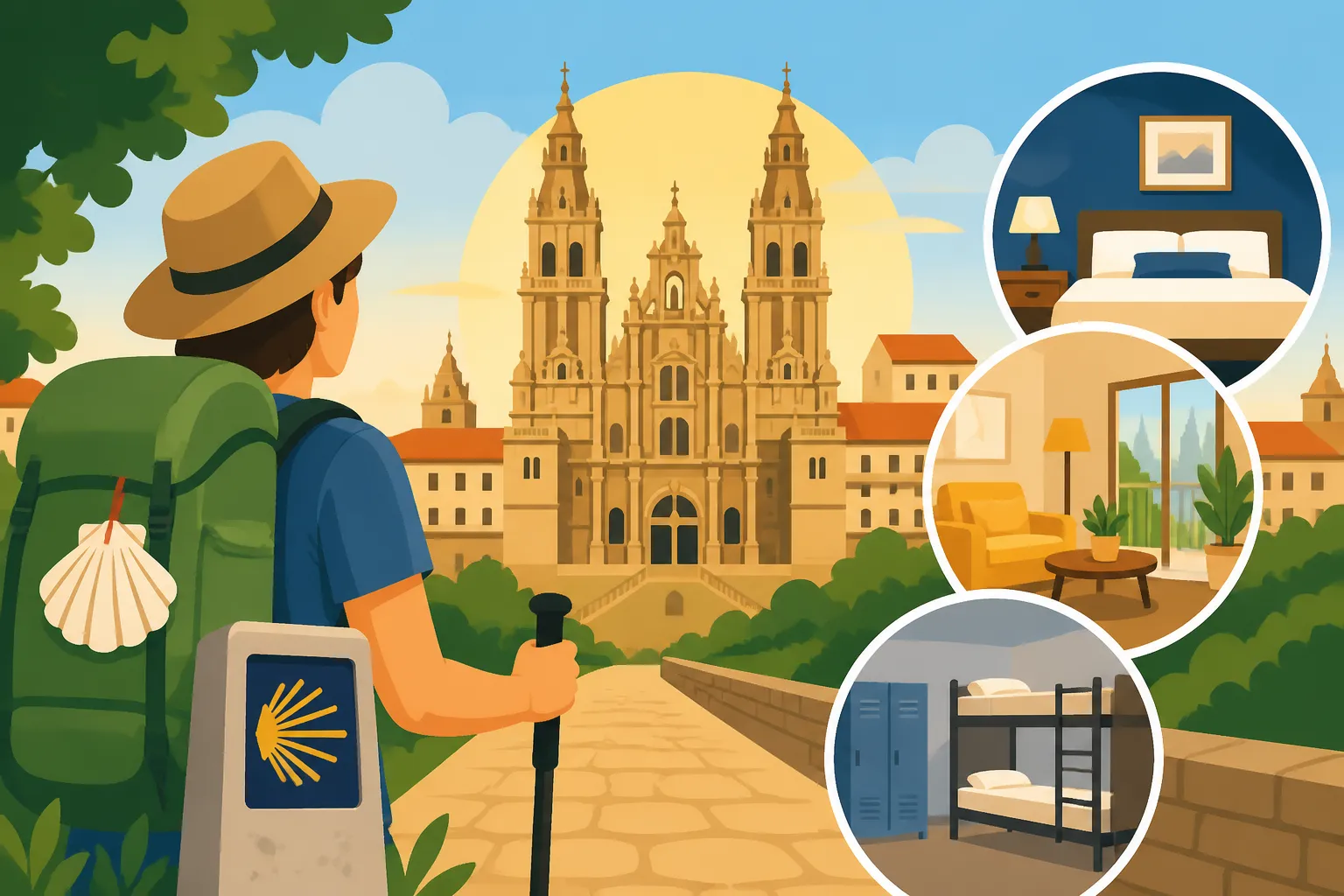
Where to Stay in Santiago de Compostela: Camino Finish Line Options
After weeks, or even months, of planning, walking, or simply dreaming, you’ve finally reached Santiago de Compostela. The monumental Cathedral is in sight, the botafumeiro is calling, and your feet are screaming for a rest. But before you get lost in the emotional embrace of the Praza do Obradoiro, you need a place to lay your head. Navigating accommodation options in a historic city, especially one that draws millions of pilgrims and tourists, can feel like another journey itself. This guide will walk you through everything you need to know about finding the perfect place to stay in Santiago, whether you’re celebrating a Camino achievement or just here to soak in the Galician charm, making sure your booking experience is as smooth as a freshly paved path.
Disclosure: This post may contain affiliate links. We may earn a commission at no extra cost to you if you make a purchase through these links. Read full disclosure.
Understanding Your Santiago Accommodation Options
Santiago de Compostela offers a truly diverse range of places to stay, catering to every budget, style, and travel need. From centuries-old monasteries turned luxury hotels to cozy private apartments and vibrant hostels, there's a spot for everyone. The key is knowing what each type offers and which one aligns best with your post-Camino exhaustion or tourist exploration goals.
Hotels: From Luxury to Boutique Stays
Santiago's hotel scene is surprisingly varied, with options ranging from grand, historic establishments to modern, sleek boutique hotels. If you've been roughing it in albergues or budget accommodations during your travels across Spain, treating yourself to a comfortable hotel room might just be the perfect reward.
You'll find some truly iconic hotels right in the heart of the old town, like the Parador de Santiago – Hostal dos Reis Católicos. This isn't just a hotel; it's a piece of history, originally built as a hospital for pilgrims in the 15th century. Staying here feels like stepping back in time, with opulent rooms, stunning courtyards, and a location that can't be beaten. Of course, such luxury comes at a price, but for a special occasion (like finishing the Camino!), it's an unforgettable experience. Beyond the grand dames, there are countless smaller, family-run hotels and modern chains. Many boutique hotels are tucked away in renovated historic buildings, offering charm, character, and often, beautifully appointed rooms with contemporary comforts. These often provide a more intimate experience than larger chains, and the staff are usually incredibly knowledgeable about local tips and hidden gems. When you're browsing on platforms like Booking.com, pay attention to the photos and descriptions; sometimes a "hotel con encanto" (charming hotel) can offer a truly unique and memorable stay without the hefty price tag of a five-star establishment.
Hostels and Albergues: Budget-Friendly and Social
For those on a tighter budget, or if you're keen to maintain that communal Camino spirit, Santiago has an abundance of hostels and albergues. While albergues are specifically designed for pilgrims (often requiring a credencial or pilgrim passport), many hostels cater to a broader audience of backpackers and budget travelers.
The traditional pilgrim albergues are simple, functional, and very affordable, often run by churches, municipalities, or private owners. They typically feature dormitory-style rooms with bunk beds and shared bathrooms. Some even offer communal dinners, which are fantastic opportunities to connect with fellow pilgrims, share stories from the path, and bond over a simple, hearty meal. However, privacy is minimal, and facilities can be basic. If you're a Camino finisher, this might feel like a natural extension of your journey, but after weeks of shared spaces, you might be craving a bit more solitude. Modern hostels, on the other hand, often bridge the gap between albergues and budget hotels. Many now offer private rooms alongside dorms, and their common areas are usually more vibrant and social, with bars, cafes, and organized activities. They generally provide better amenities, like individual lockers, stronger Wi-Fi, and more stylish decor. Websites like Booking.com allow you to filter specifically for hostels, and you can often find reviews detailing the atmosphere, cleanliness, and facilities, which is crucial when picking a budget-friendly option. Just remember, Santiago's hostels can get incredibly busy, especially during peak Camino season, so booking ahead is always a good idea.
Apartments and Guesthouses: Home Comforts and Local Vibes
If you're planning a longer stay, traveling with family, or simply prefer the independence of having your own space, a self-catering apartment or a cozy guesthouse (known as a pensión or casa rural in Spain) can be an excellent choice. These options allow you to immerse yourself more deeply in local life and enjoy amenities like a kitchen.
Renting an apartment, especially through a platform like Booking.com, gives you the freedom to cook your own meals – a huge plus if you're on a budget or have specific dietary needs. Imagine strolling through the Mercado de Abastos, Santiago's bustling central market, picking up fresh local produce, seafood, and cheeses, and then preparing a delicious Galician dinner in your own kitchen. This can be a wonderful way to experience the city at your own pace. Many apartments also come with multiple bedrooms, making them ideal for families or small groups of friends traveling together. Pensiones and casas rurales offer a different kind of charm. Pensiones are typically smaller, family-run guesthouses, often located in historic buildings, providing a more intimate and personalized experience than a large hotel. Casas rurales, while less common right in the city center, are traditional country homes or farmhouses converted into accommodation, usually found in the picturesque rural areas surrounding Santiago. If you're looking for a peaceful escape with authentic Galician hospitality, a casa rural could be perfect for a post-Camino unwind, offering a tranquil base from which to explore the local countryside.
Santiago de Compostela's Key Neighborhoods for Visitors
Santiago de Compostela isn't a sprawling metropolis, but its distinct areas offer different vibes and conveniences. Choosing the right neighborhood can significantly enhance your experience, whether you prioritize proximity to the Cathedral, quiet streets, or a lively nightlife.
Casco Antiguo (Old Town): The Heart of History
The Casco Antiguo, or Old Town, is undoubtedly the jewel in Santiago’s crown and the area most visitors dream of staying in. It's where the majestic Cathedral stands, where centuries of history echo through narrow, stone-paved streets, and where the air buzzes with a unique blend of pilgrim reverence and vibrant local life.
Staying in the Old Town means you're right in the thick of it all. You can literally roll out of bed and be at the Cathedral within minutes, ready to witness the arrival of pilgrims or attend the pilgrim's mass. The Praza do Obradoiro, Praza das Praterías, and Praza da Quintana are all right on your doorstep. This area is a labyrinth of charming alleys filled with traditional Galician restaurants, cozy cafes, and artisan shops. You’ll find everything from luxurious boutique hotels to charming pensiones and converted albergues here. However, be prepared for some challenges: the Old Town is mostly pedestrianized, meaning cars are restricted, and walking with luggage can be a bit of a trek over cobblestones. It can also be quite noisy, especially in the evenings, as the bars and restaurants come alive. If you're after absolute peace and quiet, a spot just outside the immediate center might be better. But for immersion in Santiago's unique atmosphere, this is the place to be. Exploring the historic center is a joy, with surprises around every corner, from street musicians to hidden courtyards. You might find it helpful to learn some Spanish Medical Terminology: Common Words Expats Should Know if you ever need assistance, though many in the tourist-heavy Old Town speak English.
Ensanche (New Town): Modern Comforts and Local Life
Just beyond the ancient walls of the Old Town lies the Ensanche, Santiago's modern expansion. This area offers a stark contrast to the historic center, with wider streets, modern buildings, and a more contemporary feel. If you’re looking for convenience, a wider range of services, and a glimpse into everyday Santiago life, the Ensanche is a fantastic choice.
The Ensanche is where many locals live, shop, and socialize. You’ll find larger supermarkets, department stores like El Corte Inglés, and a broader array of modern restaurants, bars, and cafes that cater more to local tastes than to tourists. Accommodation here tends to be more modern and often more affordable than in the Old Town, with plenty of contemporary hotels offering amenities like underground parking and easier access for cars. It’s also home to the university campus, giving the area a youthful, energetic vibe. From the Ensanche, the Old Town is usually just a 10-15 minute walk away, making it perfectly accessible for sightseeing while offering a quieter retreat for sleeping. If you plan on exploring more of the region, perhaps taking a bus to the coast or other Galician towns, the main bus and train stations are also typically closer to the Ensanche, making it a convenient base for wider Traveling Around Spain: Trains, Buses, Flights, and Car Hire. This neighborhood strikes a great balance between accessibility, modern comfort, and a more authentic local experience.
San Pedro and Surrounding Areas: Tranquility with Proximity
For those who crave a bit more tranquility without being too far from the action, neighborhoods like San Pedro (just east of the Cathedral) or the areas immediately surrounding the historic center offer a wonderful compromise. These areas provide a quieter, more residential atmosphere while still being within easy walking distance of the main sights.
San Pedro, in particular, has a charming village-like feel, with its own local shops, traditional bars, and a lovely sense of community. It's an ideal spot if you want to experience a slice of genuine Santiago life, away from the constant tourist bustle but close enough to pop into the Old Town whenever you wish. You'll often find more traditional Galician homes, small guesthouses, and apartments available here, some with lovely gardens. These areas are generally much quieter at night, allowing for a more restful sleep after a long day of sightseeing or walking. They also tend to be where you'll find some excellent, more traditional restaurants that cater to locals, often offering fantastic value and authentic Spanish Tapas Culture: How to Order and Where to Go. The walk into the city center from these peripheral areas is typically flat or gently sloped, offering pleasant strolls through tree-lined streets rather than challenging cobblestone climbs. This makes them especially appealing for families, older travelers, or anyone simply seeking a peaceful base for their Santiago adventure.
| Neighborhood | Vibe & Atmosphere | Proximity to Cathedral | Accommodation Types | Pros | Cons |
|---|---|---|---|---|---|
| Casco Antiguo | Historic, bustling, atmospheric, pilgrim-centric | Excellent (0-5 min) | Hotels, Pensiones, Albergues | Immersive, central, iconic views | Can be noisy, pedestrian-only, pricier, crowded |
| Ensanche | Modern, urban, local, convenient, lively student area | Good (10-15 min walk) | Modern Hotels, Apartments, Hostels | Easier access for cars, more services, diverse dining, generally quieter | Less historic charm, further from Cathedral |
| San Pedro/Surrounds | Residential, quiet, local, charming, village-like | Good (5-10 min walk) | Pensiones, Apartments, Guesthouses | Peaceful, authentic local feel, good value, often greener | Slightly further walk to main sights |
Practical Tips for Booking Your Stay in Santiago
Finding the right accommodation isn't just about location and type; it's also about smart booking strategies to ensure you get the best deal, avoid common pitfalls, and prepare for a seamless arrival.
Utilize Online Booking Platforms Effectively
In today's travel landscape, online booking platforms are your best friend, and for a city like Santiago with its constant influx of visitors, they are indispensable. We highly recommend using Booking.com because of its extensive inventory, user-friendly interface, and robust filtering options that make finding your ideal spot a breeze.
Booking.com offers a vast selection of hotels, hostels, apartments, and pensiones in Santiago de Compostela. You can filter by price range, accommodation type, star rating, specific amenities (like free Wi-Fi, breakfast included, or pet-friendly options), and even review scores. This means you can quickly narrow down your choices, whether you’re looking for a luxury stay near the Praza do Obradoiro or a budget-friendly hostel with a communal kitchen. One of the greatest advantages is the sheer volume of genuine reviews from previous guests. These insights are gold, giving you a realistic picture of what to expect regarding cleanliness, noise levels, staff helpfulness, and location accuracy. Always read a few recent reviews to get a balanced perspective. Another fantastic feature is the flexible booking options – many properties offer free cancellation up to a certain point, which is incredibly useful if your travel plans are subject to change, as often happens when traversing the Camino. Remember that good deals disappear fast, especially during peak season (spring to autumn), so booking as far in advance as possible on Booking.com is always recommended to secure your preferred room and price. You can often snag early bird discounts or better availability by planning ahead.
Timing Your Booking and Managing Expectations
Santiago de Compostela is a popular destination year-round, but it experiences significant peaks, primarily linked to the Camino de Santiago. Understanding these cycles can help you secure better accommodation and manage your expectations.
The busiest periods are generally from April to October, with July and August being particularly packed, not just with pilgrims but also with general tourists enjoying their summer holidays. During these times, accommodation prices can skyrocket, and the best places get fully booked months in advance. If you're planning to visit during this peak season, you absolutely must book your stay early. Think 3-6 months in advance, especially if you have specific requirements or want to stay in a highly-rated spot. If you're flexible, consider visiting in the shoulder seasons (March-April or October-November) when the weather is still pleasant, the crowds are thinner, and prices are often more reasonable. For instance, finding Accommodation in Spain: Hotels, Hostels, and Rentals can be much easier then. Even during quieter periods, it's wise to book at least a few weeks ahead, especially for weekends. Also, be aware that while many accommodations are modern, some pensiones or apartments in older buildings might not have elevators or air conditioning, which could be a factor during hotter months. Always check the amenities list on Booking.com carefully to avoid any surprises upon arrival.
Checking In and Post-Camino Logistics
Arriving in Santiago, especially after completing the Camino, comes with its own unique set of logistical considerations. Beyond just booking your room, you need to think about baggage, arrival times, and how you'll feel once you finally kick off your boots.
Many hotels and hostels in Santiago are accustomed to pilgrim arrivals, often offering early check-in (if available) or secure luggage storage until your room is ready. If you’ve sent your backpack ahead via one of the numerous Camino luggage transfer services, make sure you coordinate its arrival with your accommodation. For instance, companies like Correos or Tuitsan offer convenient delivery directly to your hotel or albergue. It's always a good idea to confirm check-in times directly with the property, particularly if you anticipate arriving very early or very late. Some smaller pensiones might have limited reception hours. Once you’ve checked in, don't underestimate the power of a good shower and a comfortable bed! After all that walking, your body will thank you. Many places are within walking distance of the Cathedral, but be mindful that the Old Town's cobblestones can be hard on weary feet. Consider booking a place that's not too far from the main Square if your legs are completely done. Also, having a few Spanish Emergency Phrases: How to Describe Symptoms Quickly handy is always a good idea, though hopefully, your only emergency will be deciding which tapas bar to hit first!
Special Considerations for Camino Pilgrims
For those finishing the Camino de Santiago, your accommodation needs might be slightly different from the average tourist. The blend of spiritual fulfillment, physical exhaustion, and communal camaraderie creates a unique set of requirements.
Albergues for the True Camino Experience
If you've walked hundreds of kilometers and want to stick to the pure pilgrim experience right to the end, staying in an albergue in Santiago can be a powerful final chapter. While Santiago has many private albergues, the municipal and church-run ones often offer the most authentic feel, sometimes even requiring your credencial for entry.
These albergues are more than just places to sleep; they are places of shared stories, quiet reflection, and continued connection with fellow pilgrims. You’ll find simple facilities, often large dormitories, and sometimes strict curfews and early wake-up times (which might feel familiar by now!). However, the low cost is a huge draw, and many provide an environment where the Camino spirit continues to thrive. Some offer communal meals, allowing you to share one last pilgrim feast. The most famous is perhaps the Seminario Menor, a massive albergue located a short walk from the Cathedral, offering hundreds of beds. For a more central experience, seek out private albergues within the Old Town. Just remember that post-Camino exhaustion can make shared dorms feel a bit less appealing than they did on day one. If you’re looking to unwind completely and treat yourself after your epic journey, you might consider booking just one night in an albergue for the experience, and then moving to a hotel or apartment for the rest of your stay.
Post-Camino Relaxation and Recovery
After days, or even weeks, of walking, your body will be craving proper rest and recovery. This is where treating yourself to a comfortable, private room can make all the difference. Think about what your feet and muscles truly need: a soft mattress, a private bathroom, and perhaps a bathtub for a long, soothing soak.
Many pilgrims opt for a hotel or apartment for their Santiago stay specifically for this reason. The joy of spreading out your belongings, taking a long, uninterrupted shower, and sleeping in a proper bed without the rustle of other pilgrims can't be overstated. Look for hotels with good beds and quiet rooms. Some accommodations even offer special services for pilgrims, such as laundry facilities (essential for washing all that walking gear!), massage services, or even early breakfast options if you plan to attend the 9:30 AM pilgrim's mass. Santiago also has many excellent physiotherapists and massage therapists if you need some professional help to get those weary muscles moving again; ask your hotel reception for recommendations. A bit of comfort goes a long way in helping you fully appreciate your accomplishment and explore Santiago without feeling utterly drained. Don’t forget about enjoying the local cuisine – perhaps a hearty What Is a 'Menú del Día' and How Does It Work? to refuel!
Celebrating and Connecting with Fellow Pilgrims
Santiago is a place of celebration, and you’ll want to find accommodations that allow you to fully participate in the joyful atmosphere, whether that means sharing a drink with newfound friends or enjoying a quiet moment of reflection.
Even if you choose a private room, don't isolate yourself completely! Many hotels and hostels have common areas, bars, or cafes where you can meet other travelers and share your Camino stories. The social aspect of Santiago is a huge part of its charm. You’ll often find groups of pilgrims spilling out of bars onto the streets, clinking glasses of Albariño and reliving their journeys. If you prefer a more low-key celebration, many apartments offer a private balcony or a comfortable living space where you can relax with your travel companions. Booking.com provides detailed descriptions and photos of common areas, so you can pick a place that aligns with your desired level of social interaction. Whether you're heading out to explore Nightlife, Music, and Entertainment in Spain or simply enjoying the peaceful evening strolls, Santiago offers endless opportunities to cap off your journey perfectly.
No matter where you choose to stay, Santiago de Compostela is a city that welcomes everyone with open arms. It's a place of reflection, celebration, and new beginnings. By planning ahead and using reliable resources like Booking.com, you can ensure your final destination is as rewarding as the journey itself.
Disclaimer
Please note that while every effort has been made to provide accurate and up-to-date information, circumstances such as prices, opening hours, and availability of specific services can change. We recommend verifying details directly with establishments or official sources before making travel plans. This guide offers general advice and personal opinions based on expat experience.