Postnatal Care in Spain: Follow‑Ups, Pediatric Visits, and Support
Navigating the postpartum period in a foreign country can be simultaneously beautiful and overwhelming. This comprehensive guide details everything expats must know about postnatal care in Spain, from managing hospital discharges and scheduling pediatric checkups to finding local breastfeeding support and securing parental leave benefits.
Disclosure: This post may contain affiliate links. We may earn a commission at no extra cost to you if you make a purchase through these links. Read full disclosure.
The First Days Home in the Spanish System
Immediate Postpartum Recovery Expectations
The transition from the hospital environment to your own home marks the beginning of the crucial postnatal recovery period, known in Spain as the cuarentena (the first 40 days). In the Spanish public healthcare system (Sistema Nacional de Salud), mothers who experience an uncomplicated vaginal delivery are typically discharged 48 hours after birth. For those who undergo a cesarean section, the hospital stay is generally extended to 72 or 96 hours to monitor the surgical incision and manage initial pain levels.
Upon discharge, your public hospital medical team will provide you with a comprehensive set of documents. This includes a detailed discharge report (informe de alta) for both you and the baby, outlining the specifics of the delivery, the baby’s Apgar scores, birth weight, and the results of the initial neonatal hearing and metabolic heel-prick tests. You will also be sent home with a prescription for essential pain relief (usually paracetamol or ibuprofen) and strict instructions on how to care for any perineal stitches or abdominal wounds. The cultural expectation in Spain is that the mother rests completely during these first weeks, heavily supported by family members.
If you gave birth in a private hospital, your discharge timeline might be slightly more flexible. Private clinics often allow mothers an extra night of recovery if requested and approved by the attending obstetrician. Regardless of where you give birth, leaving the hospital is just the first step. You must quickly pivot from being a patient to managing a newborn, which involves a specific set of administrative and medical follow-ups. If you are still exploring your broader insurance options for the family, reviewing our guide on the Spain Healthcare System for Expats: Public vs Private provides vital context for navigating these next steps.
Public vs Private Hospital Discharge Procedures
The procedural differences between leaving a public versus a private hospital in Spain primarily center around administrative support and continuity of care. In a public hospital, you are handed your physical paperwork and instructed to independently contact your local primary care center (Centro de Salud) to schedule your immediate follow-ups.
Conversely, the private sector often provides a more seamless handover. Before you leave a private clinic, your dedicated obstetrician—who likely attended your birth—will personally clear you for discharge and schedule your six-week follow-up appointment in their office.
Understanding the differences in these pathways is crucial for setting your expectations. While the public system offers phenomenal, entirely free clinical safety nets for emergencies, the administrative legwork falls heavily on the parents. For a deeper dive into how the actual delivery experiences compare, our article on Giving Birth in Spain: What Foreign Parents Should Expect breaks down the nuances of the labor ward.
Registering the Birth and Securing Health Cards
Before you can settle fully into a postnatal routine, a critical administrative hurdle must be cleared: legally registering your child’s birth. In Spain, parents have exactly eight days to register the newborn at the local Civil Registry (Registro Civil). Fortunately, many major hospitals now facilitate this electronically directly from the maternity ward. If this service is unavailable, you must physically take the hospital’s medical birth certificate, your passports, and your residency cards to the registry office.
Once the birth is officially registered and you receive your family book (Libro de Familia) or birth certificate, your immediate next step is securing the baby’s public health card (Tarjeta Sanitaria). You must first register the child as a beneficiary under your Spanish Social Security number. This can be done online via the Instituto Nacional de la Seguridad Social (INSS) portal if you have a digital certificate.
Midwife Follow-Ups and Maternal Care
Scheduling the First Public Clinic Visit
In the Spanish public health system, your primary caregiver during the immediate postnatal period is the local clinic midwife (matrona). It is standard protocol to visit the midwife at your Centro de Salud between five and seven days after giving birth. You must call or use your regional health app to book this appointment as soon as you are discharged from the hospital. Because midwives operate locally, this clinic is usually within walking distance or a short drive from your registered address.
During this vital first appointment, the midwife performs a comprehensive physical and emotional assessment. For the mother, this includes checking blood pressure, examining the healing of episiotomy or cesarean stitches, and assessing vaginal bleeding (lochia). For the baby, the midwife will weigh them to ensure they are regaining their birth weight and check for signs of severe jaundice or umbilical cord infections. This appointment is also your first dedicated opportunity to ask detailed questions about your physical recovery and infant care in a quiet, non-hospital environment. This is also the standard time to discuss birth control options, a topic we cover extensively in Women’s Health Services in Spain: Contraception and Checkups.
Private Obstetrician Postnatal Checkups
If you navigated your pregnancy and birth through the private healthcare sector, your postnatal follow-up structure will be entirely doctor-led. Instead of visiting a community midwife, your postnatal care revolves around your chosen private obstetrician. However, unlike the public system’s immediate one-week check-in, private obstetricians generally do not see the mother until the end of the cuarentena, roughly 40 days post-delivery, unless there are acute complications like an infection or severe bleeding.
At this six-week appointment, the private obstetrician conducts a thorough gynecological examination. They will perform a transvaginal ultrasound to ensure the uterus has fully contracted to its pre-pregnancy size and that no retained placental tissue remains. Because private appointments are often less rushed than public clinic visits, you have ample time to discuss any lingering physical discomforts, sexual health, and future family planning. For expats who travel frequently or split their time between Spain and their home country, maintaining a flexible international health policy via platforms like SafetyWing can provide peace of mind, ensuring that if postpartum complications arise while traveling, you have immediate access to high-quality private specialist care.
Pelvic Floor Recovery and Physical Therapy
One area where the standard Spanish public healthcare system often falls short is proactive pelvic floor rehabilitation. Unless you suffer a severe third- or fourth-degree perineal tear or experience extreme organ prolapse, routine pelvic floor physical therapy is not standardly prescribed or covered by the public Sistema Nacional de Salud. The public midwife will manually assess your pelvic floor strength at your six-week checkup and advise you to perform Kegel exercises, but specialized, ongoing therapy is rarely offered.
Booking an evaluation with a private pelvic floor physiotherapist around eight weeks postpartum is highly recommended. These sessions are usually paid out-of-pocket, costing between €50 and €80 per visit, though some premium private health insurance policies may cover a limited number of sessions if medically referred by a gynecologist. Investing in this specialized physical therapy is crucial for long-term maternal wellness, allowing you to safely return to exercise and daily activities without chronic discomfort. Check our guide on Women’s Health Services in Spain: Contraception and Checkups.
Establishing Pediatric Care for Your Newborn
Assigning a Public Pediatrician
The cornerstone of your child’s long-term health in Spain is their assigned public pediatrician. Once your baby is registered at your local Centro de Salud, they are allocated a specific pediatrician and a pediatric nurse (enfermera pediátrica). This duo will oversee your child’s well-baby checkups (revisiones del niño sano) from birth until they reach 14 years of age. Having a dedicated pediatric team ensures consistent monitoring of your child’s developmental milestones.
The schedule for public well-baby checkups is rigorous and reassuring. After the initial midwife checks, your first official appointment with the public pediatrician occurs when the baby is 15 days old. Subsequent mandatory checkups are scheduled at 1 month, 2 months, 4 months, 6 months, 9 months, 12 months, 15 months, and 18 months. During these visits, the pediatric nurse measures the baby’s weight, length, and head circumference, plotting them on national growth charts, while the pediatrician assesses motor skills, reflexes, and overall health.
Navigating Private Pediatric Networks
Many expat families choose to utilize a private pediatrician either exclusively or in conjunction with the public system. The primary appeal of private pediatric care is the ability to select a doctor who speaks fluent English and whose medical philosophy aligns with your cultural expectations. Private pediatricians often spend more time during consultations, offering detailed advice on sleep training, introducing solid foods, and managing minor illnesses without the rushed atmosphere of a public clinic. Check our guide on Pediatric Care to know more about pediatric care in Spain.
It is important to note that if you opt exclusively for private pediatric care, you must ensure your private insurance policy comprehensively covers vaccines, as some basic plans do not. If you are paying out-of-pocket for private pediatric visits, managing these recurring medical expenses via cross-border transfers can be costly. Utilizing efficient financial platforms like Wise to move funds into your Spanish account ensures you avoid exorbitant bank fees when paying for premium specialist care.
The Spanish Vaccination Schedule
Spain boasts exceptionally high childhood vaccination rates, and the national immunization program is highly structured. Vaccinations are administered by the pediatric nurse during your scheduled well-baby checkups. The core vaccines—including Hepatitis B, Diphtheria, Tetanus, Pertussis, Polio, Haemophilus influenzae type b, Pneumococcus, Meningococcus, Measles, Mumps, and Rubella—are fully funded by the state and provided entirely free of charge at public health centers.
The Spanish Association of Pediatrics (AEP) sets the gold standard recommendations, which are largely adopted by the individual autonomous communities. However, because healthcare management is decentralized in Spain, there can be slight variations in the schedule between regions like Andalusia, Catalonia, or Madrid.
While the majority of vaccines are free, there are a few optional vaccines recommended by the AEP that are not always covered by public funding in every region, most notably the Rotavirus vaccine (Rotarix or RotaTeq) and, in some areas, the Meningococcus B vaccine (Bexsero).
Navigating Breastfeeding and Infant Nutrition
Hospital Lactation Consultants and Midwife Advice
Spain actively promotes breastfeeding, but the quality of immediate postnatal support can vary drastically depending on the hospital and the specific staff on duty. In public hospitals, nurses and midwives will strongly encourage immediate skin-to-skin contact and guide the first latch. However, because public maternity wards are often exceptionally busy, the support can sometimes feel rushed. You may receive conflicting advice from different nurses regarding latching techniques, feeding schedules, or the necessity of formula top-ups.
Once you are discharged, your primary source of state-funded breastfeeding support is your local clinic midwife. During your early postnatal visits, they will assess the baby’s latch and weight gain. If you are experiencing severe pain, cracked nipples, or signs of low milk supply, the midwife can offer practical interventions. Some larger Centros de Salud also host weekly breastfeeding support groups (grupos de lactancia), providing a safe space for local mothers to share experiences and receive guidance.
Independent Support Groups and IBCLCs
For targeted, evidence-based breastfeeding assistance, many mothers in Spain turn to International Board Certified Lactation Consultants (IBCLCs). While IBCLCs are relatively rare in the standard public system, there is a robust network of private consultants operating across major Spanish cities. These professionals offer private home visits, providing intensive, personalized support for complex issues like tongue ties, severe engorgement, or transitioning from exclusively pumping to nursing.
Hiring a private IBCLC is an out-of-pocket expense, typically costing between €60 and €100 per consultation, but the customized support is often invaluable for saving a struggling breastfeeding journey. In addition to private consultants, organizations like La Leche League operate active chapters throughout Spain. They host free, regular meetups—often with English-speaking facilitators in expat-heavy areas—providing peer-to-peer support, emotional solidarity, and practical troubleshooting.
Formula Feeding and Pharmacy Supplies
If you choose to formula feed, or if you need to supplement, navigating the Spanish market is straightforward but culturally distinct. In Spain, standard infant formula (leche de fórmula) is widely available in large supermarkets (supermercados). However, specialized formulas—such as hypoallergenic, anti-reflux, or lactose-free varieties—are almost exclusively sold in pharmacies (farmacias).
Many expat parents prefer to source their preferred international brands of bottles, specific nipple flows, or organic lactation teas and supplements online. Platforms like iHerb are incredibly popular among the expat community in Spain for their massive selection of specialized maternal and infant wellness products, offering reliable delivery right to your door when you are too exhausted to navigate the local shops.
Managing Postpartum Mental Health
Recognizing the Baby Blues and Postpartum Depression
The emotional toll of childbirth and new parenthood is universal, and recognizing the signs of postpartum mood disorders is critical. The “baby blues”—characterized by weepiness, anxiety, and mood swings—are extremely common in the first two weeks as hormones drastically crash. However, if these feelings intensify, persist beyond the first month, or manifest as severe panic attacks, overwhelming guilt, or an inability to bond with the baby, it may indicate Postpartum Depression (Depresión Posparto).
In Spain, the awareness of maternal mental health is growing, but it is not always proactively screened for during standard pediatric or midwife visits. The focus during public checkups is heavily skewed toward the physical health of the baby and the physiological recovery of the mother. It is often up to the mother or her partner to explicitly raise emotional concerns with their healthcare provider.
Accessing Psychological Support in Spain
If you recognize signs of postpartum depression or severe anxiety, you can access psychological support through the public system by requesting a referral from your primary care doctor (médico de cabecera). They can refer you to a public psychologist or psychiatrist. However, wait times for non-emergency public mental health services in Spain can be frustratingly long, sometimes taking several months for an initial appointment.
Because timely intervention is crucial for postnatal mental health, many expats opt for private therapy. Finding an English-speaking therapist who understands the unique intersection of postpartum trauma and expat isolation is highly beneficial. You can find specialized perinatal psychologists through private clinics or online directories.
Expat Isolation and Finding Community
Experiencing the postpartum period without the immediate physical presence of your extended family is one of the hardest challenges for expat parents in Spain. The absence of a traditional “village” can lead to profound feelings of isolation, especially during the long days of early maternity leave. Actively building a new community is essential for your emotional survival.
Major Spanish cities like Madrid, Barcelona, and Valencia boast vibrant international communities with numerous expat parenting groups organized via Facebook or WhatsApp. Joining these groups allows you to connect with other mothers experiencing the exact same cultural and linguistic hurdles. Many groups organize regular coffee meetups, stroller walks in local parks, and playdates.
Bureaucracy and Financial Support During Maternity
Applying for Paid Parental Leave
Spain offers one of the most generous and egalitarian parental leave systems in Europe. The “Birth and Child Care” benefit (Prestación por Nacimiento y Cuidado de Menor) grants both the mother and the second parent 16 weeks of fully paid leave, funded entirely by the Social Security system. This leave is non-transferable, ensuring both parents have the opportunity to bond with the newborn. The first six weeks immediately following the birth are mandatory for both parents to take simultaneously.
To qualify, you must be legally working in Spain, registered with Social Security, and have met the minimum contribution periods (which vary based on your age at the time of birth). You must apply for this benefit through the INSS portal. Processing can take a few weeks, meaning you might not receive your first payment immediately.
The application requires your identification, the baby’s birth certificate, and a certificate from your employer confirming the start of your leave. Managing this paperwork online using your digital certificate is the most efficient method, saving you from navigating government offices with a newborn in tow.
Child Benefit Options and Tax Deductions
Beyond paid leave, the Spanish government provides ongoing financial support to assist with the costs of raising a child. The most notable benefit is the Working Mother Deduction (Deducción por Maternidad). If you are a mother legally working and paying taxes in Spain, you are entitled to a deduction of up to €1,200 per year until the child reaches three years of age.
Most mothers choose to receive this benefit as an advance payment of €100 per month (el abono anticipado), which is deposited directly into your bank account. You can apply for this via the Spanish Tax Agency (Agencia Tributaria) by submitting Form 140.
Additionally, depending on your family’s income level, you may be eligible for the Minimum Vital Income (Ingreso Mínimo Vital) or regional child benefits specific to your autonomous community. Navigating the Spanish tax system can be complex, so consulting with a local gestor (administrative agent) who specializes in expat taxes ensures you do not miss out on any financial support your growing family is legally entitled to.
Managing Out-of-Pocket Expenses Internationally
While the public healthcare system is free, expats often incur significant out-of-pocket expenses during the postnatal period. Hiring a private IBCLC, paying for specialized pelvic floor physical therapy, purchasing premium private pediatric care, or hiring a postpartum doula can quickly add up.
If you are transferring savings from your home country to cover these premium services while you are on maternity leave, optimizing your currency exchange is essential. Traditional banks often apply poor exchange rates and hidden transfer fees. Using dedicated financial technology platforms like Wise allows you to move money internationally at the mid-market exchange rate with transparent, minimal fees. Setting up a multi-currency account ensures you have the euros necessary to pay your local Spanish specialists promptly, without wasting precious funds on banking bureaucracy.
Essential Products and Pharmacy Needs
Navigating Spanish Farmacias for Postpartum Care
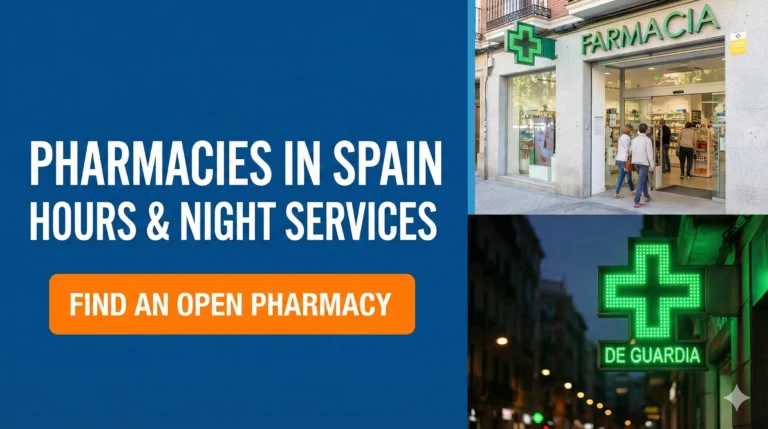
The Spanish farmacia is a critical resource during your postnatal recovery. Recognizable by their large flashing green crosses, these establishments are far more than mere dispensaries; they act as the first line of primary healthcare for minor issues. Pharmacists in Spain are highly trained and can offer expert advice on treating common postpartum ailments like hemorrhoids, sore nipples, and minor infant rashes.
When you need specialized postpartum supplies, the pharmacy is your destination. You will find high-quality maternity pads (compresas de maternidad), soothing witch hazel compresses, perineal irrigation bottles, and lanolin creams. They also sell infant weigh scales, breast pumps for rent or purchase, and premium baby skincare brands like ISDIN or Mustela.
Sourcing International Supplements and Baby Goods
While Spanish pharmacies carry excellent products, they can be quite expensive, and the selection of international brands is often limited. Many expats prefer to continue taking the specific high-dose postnatal vitamins or specialized DHA supplements they used in their home countries to support their postpartum recovery and breastfeeding journey.
For these specific needs, online health retailers are the preferred option. Platforms like iHerb are incredibly popular, offering a massive selection of high-quality postnatal vitamins, organic nipple balms, herbal lactation support teas, and natural infant probiotics. The prices are often significantly lower than local pharmacies, and the convenience of home delivery is a massive advantage for exhausted new parents navigating the early months of life in Spain.
Comparison of Postnatal Care: Public vs Private
| Feature | Public Healthcare System (SNS) | Private Healthcare Sector |
| Primary Postnatal Caregiver | Local Clinic Midwife (Matrona) | Private Obstetrician |
| First Mother Checkup | 5-7 days postpartum at local clinic | 40 days postpartum (cuarentena) at clinic |
| First Pediatric Checkup | 15 days postpartum at local clinic | Variable, often within first week |
| Wait Times | Can be long; scheduled via app/phone | Generally short; scheduled directly with clinic |
| Language | Primarily Spanish | High availability of English-speaking doctors |
| Cost | Completely Free | Out-of-pocket or via monthly insurance premiums |
References
Primary sources (official)
- Ministerio de Sanidad – Calendario de vacunación a lo largo de toda la vida: https://www.sanidad.gob.es/areas/promocionPrevencion/vacunaciones/calendario/home.htm
- Seguridad Social – Prestación por nacimiento y cuidado de menor: https://prestaciones.seg-social.es/servicio/prestacion-nacimiento-adopcion-cuidado-menor.html
Other helpful sources
- Asociación Española de Pediatría (AEP) – Calendario de Vacunaciones: https://vacunasaep.org/profesionales/calendario-de-vacunaciones-e-inmunizaciones-aep-2026
- AEPAP – Calendario de Vacunación Infantil: https://aepap.org/calendario_vacunacion/
Disclaimer
The information provided in this article is for educational and informational purposes only and does not constitute medical, legal, or financial advice. Healthcare regulations, vaccination schedules, and social security benefits in Spain are subject to change. Always consult with a qualified healthcare professional regarding your postnatal recovery and infant care, and verify specific legal and insurance requirements directly with official government agencies and your chosen providers.