Paying for Spanish Transport With a Foreign Card: Declines and Fixes
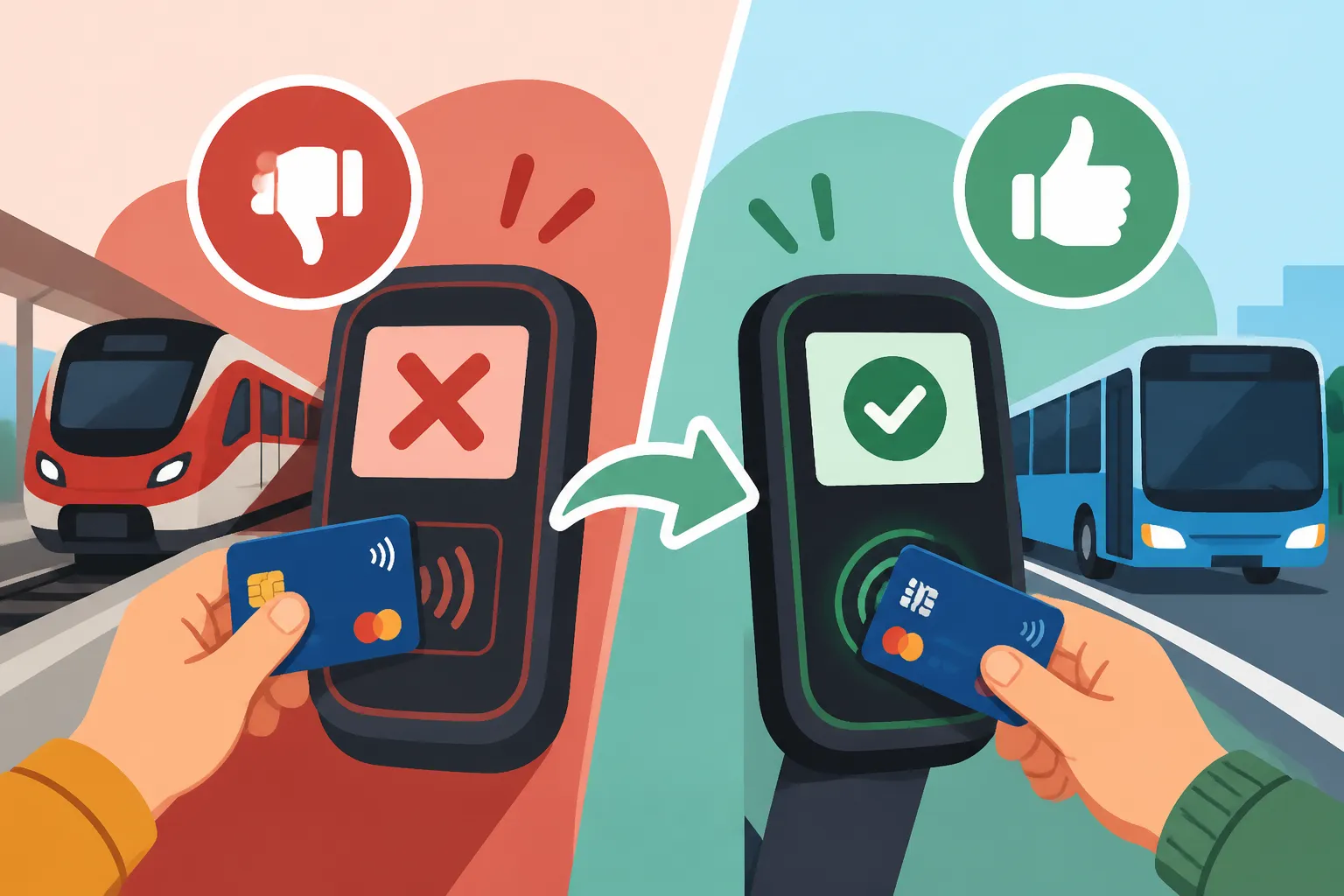
Oh, the sheer frustration of trying to pay for a train ticket or bus ride in Spain with your perfectly valid foreign credit or debit card, only to be met with that dreaded "Transaction Denied" message! It's a common expat headache, trust me. This guide is here to unravel why your cards might be failing you and, more importantly, to give you some rock-solid solutions, with a special shout-out to Omio, which has saved my bacon more times than I can count.
The Head-Scratching Reasons Your Foreign Card Might Be Failing in Spain
Let's face it, moving to a new country like Spain comes with a fair share of administrative hurdles, and payment systems can be a surprisingly stubborn one. You've got a shiny new card from back home, it works everywhere else, but suddenly Renfe or ALSA are giving you the cold shoulder. What gives? It's not usually your bank trying to be difficult, but rather a combination of security protocols, regional banking habits, and sometimes just plain old tech quirks.
Disclosure: This post may contain affiliate links. We may earn a commission at no extra cost to you if you make a purchase through these links. Read full disclosure.
Fraud Prevention and Geolocation Blocks
One of the biggest culprits behind foreign card declines is often a bank's automated fraud detection system. Imagine you've been using your card in your home country for years, and suddenly there's a transaction attempted in Spain. Your bank might flag this as suspicious activity, especially if you haven't notified them of your travel plans. It's a double-edged sword: you appreciate the security, but not when it stops you from getting on that urgent train to Seville.
Many banks, particularly those from outside the EU or even some within the EU but not heavily used in Spain, have default settings that might restrict transactions in certain geographic locations. This is an extra layer of security, assuming that if you're not physically in your home country, any transaction initiated there might be fraudulent. It doesn't care that you're trying to buy a ticket for a high-speed AVE train; it just sees an unusual pattern and hits the brakes. This is especially true for online purchases, where the card isn't physically present. The system might detect the IP address of the website as Spanish, but your card's "usual" activity is elsewhere, causing the automated block.
Different Payment Network Protocols
While most of the world uses Visa and Mastercard, the way transactions are processed can vary slightly. Spain, like many European countries, has specific security protocols, such as 3D Secure (often branded as "Verified by Visa" or "Mastercard Identity Check"), which requires an extra verification step, usually a code sent to your phone or a biometric scan via your banking app. If your foreign bank or card isn't fully integrated with these specific protocols, or if your phone number associated with your home bank isn't working with international SMS, the transaction will simply fail.
I remember once trying to book a bus ticket from a rural station in Galicia. My US card had worked fine in Madrid, but this smaller, older system seemed to have an issue. It wasn't 3D Secure, but something about the terminal itself just didn't like my card. It turned out their system was a bit outdated and preferred local Spanish cards or specific European chip-and-PIN systems. These subtle differences, from how a chip is read to how online gateways communicate, can be enough to throw a wrench in your travel plans. It’s not a huge difference, but it’s enough to cause a denial.
Currency Conversion Issues and Fees
Sometimes, the problem isn't outright rejection but a bank's internal policy regarding foreign currency transactions or the fees associated with them. While most major cards offer decent exchange rates, some banks impose hefty foreign transaction fees. In some rare cases, the Spanish payment system (or your bank) might interpret a potential currency conversion fee as a reason to decline, thinking it's protecting you from an unexpected charge.
Also, some point-of-sale (POS) terminals or online gateways in Spain might offer "Dynamic Currency Conversion" (DCC). This means they convert the price into your home currency before processing the payment. While this sounds convenient, it often comes with a terrible exchange rate. Your foreign bank might decline the transaction if it detects DCC and considers the rate excessively poor, or if their system is not set up to process transactions that have already undergone a conversion by a third party. While most advise against DCC, sometimes your card simply refuses to play ball if it's offered. It's just another layer of complexity that can lead to frustration when all you want to do is buy a coffee, let alone a vital train ticket. If you're looking for more general payment advice, our guide on Cash vs Card in Spain: What’s Accepted and Where might be a useful read.
The Frustration is Real: Expat Experiences with Spanish Transport Payments
Let me tell you, I've been there. We've all been there. Standing at a taquilla (ticket booth) or staring blankly at a screen in a bus station, watching that "denied" message flash, heart sinking, while a queue forms behind you. It's not just an inconvenience; it feels like a personal affront, a little "welcome to Spain, where things don't always work like they do back home" slap in the face. And it often happens at the worst possible moment.
Missed Connections and Stressful Starts
Imagine you've just arrived at Madrid-Barajas Airport, exhausted after a long flight, ready to catch your first high-speed train, perhaps an AVE, to another city. You've planned everything, but when you go to buy that crucial ticket, your card fails. Suddenly, your carefully orchestrated journey is in jeopardy. You see the train departing, and you're stuck, frantically trying different cards or scrambling for cash. It's a baptism by fire into Spanish bureaucracy and payment quirks.
I vividly recall a friend who, fresh off the plane, tried to buy a ticket for a regional train to an obscure town in Extremadura. His perfectly good Canadian credit card just wouldn't process. After several failed attempts, a helpful local suggested a small corner shop that could process phone top-ups and sometimes also bus tickets. It was completely unexpected, but it worked! However, not everyone has such a helpful local handy, and the stress of potentially missing a connection or having your plans derailed right at the start of a trip is truly unwelcome. This is where having a reliable workaround becomes less of a luxury and more of a necessity. For more on navigating Spain's rail system, check out High-Speed Trains in Spain AVE: Routes, Booking, and Savings.
Language Barriers Compounding the Problem
When your card is declined, the last thing you want is to try and troubleshoot the issue in a language you're not fully fluent in. The error messages on screens can be cryptic, and explaining the situation to a ticket agent who might not speak English (especially outside major tourist hubs) can feel like trying to solve a complex puzzle with half the pieces missing.
"¿No funciona?" (It doesn't work?) becomes your go-to phrase, usually met with a shrug. Then you're trying to figure out if it's your card, the machine, or something else entirely. Are they asking for a PIN, or is it a contactless issue? Is the problem with your bank, or theirs? The added pressure of a language barrier can make an already frustrating situation feel utterly overwhelming. You might feel a bit silly or incompetent, even though it's absolutely not your fault. It's the system, not you! This is why it is wise to have multiple payment strategies up your sleeve when traveling or living here. If you struggle with Spanish, our Spanish Medical Terminology: Common Words Expats Should Know guide can help with healthcare, but sadly, there isn't one for card machines!
The "Just Use Cash" Advice Isn't Always Practical
Often, the default advice from locals or even other expats is, "Just use cash." And yes, having euros on hand is always a good idea, as our Travel Money in Spain: Cards, Cash, and Safety Tips article extensively covers. But let's be real: for expensive train tickets, a long bus journey, or if you're traveling light, carrying hundreds of euros in cash isn't always feasible or safe. Plus, who wants to run to an ATM (and potentially pay withdrawal fees) every time they need a ticket?
For larger purchases, like long-distance train tickets or multiple bus fares for a family, relying solely on cash can quickly become a burden. Furthermore, some modern transport apps or online booking platforms simply don't accept cash. They require digital payment, bringing you right back to square one with your foreign card. It's a circular problem that leaves many expats feeling exasperated and searching for a truly reliable digital solution.
The Lifeline: Omio and Other Solutions for Smooth Journeys
Alright, enough lamenting the problems. Let's talk solutions! After experiencing my fair share of card woes, I can tell you that having a few tricks up your sleeve makes all the difference. And top of that list, without a doubt, is Omio.
Omio: Your Multi-Modal, Multi-Currency Hero
Let me introduce you to Omio, if you haven't already discovered it. This platform is a game-changer for booking transport in Spain, and honestly, across Europe. What makes Omio so fantastic is its ability to aggregate trains, buses, and even flights, allowing you to compare options and book seamlessly. But the real magic for expats struggling with foreign card declines? Omio generally has much better international card processing capabilities than many individual Spanish transport providers.
With Omio, you can search for tickets for Renfe trains, ALSA buses, and other regional operators all in one place. You can pay in various currencies, and their payment gateway is typically far more robust when it comes to accepting international credit and debit cards. I've personally used Omio countless times to book tickets when the Renfe website or app flat-out refused my foreign bank card. It acts as an intermediary, effectively bypassing the finicky local payment systems that often reject foreign transactions. Think of it as your universal translator for transport payments. Plus, it stores your tickets digitally, so no more fumbling with paper at the last minute. It simplifies your journey from planning to payment. For booking intercity buses, Omio is a strong contender, as detailed in our guide on Intercity Buses in Spain: Networks, Booking, and Tips.
Using PayPal or Other Digital Wallets
Many Spanish transport websites, especially the bigger ones like Renfe and ALSA, do offer PayPal as a payment option. If your foreign card is linked to your PayPal account, this can often bypass the direct card processing issues. PayPal's own security and processing systems are generally more adept at handling international transactions. Similarly, if you have Apple Pay or Google Pay set up with your foreign card, some physical ticket machines or smaller local transport apps might accept these.
However, relying solely on these can still have its limitations. Not all smaller regional transport providers or local bus lines will have these options, particularly for in-person purchases. And sometimes, even PayPal can get caught up in the same 3D Secure verification loop if your linked card triggers it. It’s a good backup, but not always a guaranteed fix.
Getting a Spanish Bank Account or Prepaid Card
This is the ultimate long-term solution for frequent travelers or residents. Once you've opened a Spanish bank account, getting a local debit or credit card solves most of these problems instantly. Spanish cards are, naturally, fully compatible with all local payment systems, from tiny village buses to high-speed trains.
Opening a bank account in Spain as an expat used to be a bit of a bureaucratic nightmare, but it's gotten easier. Many banks now cater specifically to foreigners. While it might take a bit of time and paperwork to get your NIE and empadronamiento sorted, it's worth it for the peace of mind. Some popular banks among expats include N26 and Wise (formerly TransferWise), which offer easy digital setup, but traditional Spanish banks like BBVA, Santander, or CaixaBank are also viable. These accounts often provide local IBANs, making direct debits for utilities and local payments a breeze. For a full rundown, check out Opening a Bank Account in Spain: Step‑by‑Step for Foreigners.
If a full bank account seems like too much, consider a Spanish prepaid travel card. You can load it with euros and use it just like a local debit card. Many post offices (Correos) offer prepaid cards, or you can get them from some banks. This offers a good intermediate step without the commitment of a full bank account.
A Handy Comparison of Payment Solutions for Spanish Transport
To give you a quick overview, here's a table summarizing the common payment methods and their reliability for foreign users trying to navigate Spain's transport.
| Payment Method | Pros | Cons | Best For |
|---|---|---|---|
| Omio | High success rate for foreign cards, multi-modal, easy comparison, digital tickets. | Requires internet access. | All major intercity travel (train, bus, some flights). |
| Foreign Credit/Debit Card | Convenient if it works. | Frequent declines, 3D Secure issues, fraud prevention blocks, poor exchange rates with DCC. | Small, in-person purchases if accepted; unreliable for online. |
| PayPal/Digital Wallet | Bypasses direct card processing, relatively reliable. | Not universally accepted, still relies on underlying card, may require verification. | Online bookings with major providers. |
| Spanish Debit/Credit Card | Most reliable, universally accepted, no foreign transaction fees. | Requires a Spanish bank account, which takes time and paperwork. | All transport, especially for long-term residents. |
| Cash | Universally accepted at physical locations. | Impractical for large sums, not accepted for online bookings, security concerns for large amounts. | Local buses, small purchases, as a backup. |
| Spanish Prepaid Card | Local acceptance, easy to top up. | Requires upfront loading, may have fees for loading/usage. | Intermediate solution before full bank account. |
Beyond the Ticket: General Payment Tips for Expats in Spain
Navigating the financial landscape in a new country isn't just about buying transport tickets. It's about setting up your whole life, from paying for groceries to managing utilities. These general tips can help you smooth out other payment wrinkles.
Always Inform Your Bank of Your Travel Plans
This might seem obvious, but it's often overlooked. Before you even set foot on Spanish soil, or if you're already here and plan a trip outside your usual area (especially if it involves major purchases), call your home bank. Let them know you'll be making transactions in Spain. Provide them with your expected dates of travel. This simple step can significantly reduce the chances of your card being flagged for suspicious activity and subsequently declined.
Even if you've been living here for a while, if your card is from a non-EU country, their systems might still be a bit jumpy. A quick call or a message through your banking app can often preempt these issues. Explain that you are an expat residing in Spain, and that transactions from Spain are your new normal. This helps their algorithms adjust and understand your spending patterns better.
Have Multiple Payment Methods on Hand
Never, and I mean never, rely on just one card or one payment method, especially for crucial transactions like transport. Carry at least two different foreign cards (ideally from different banks or even different card networks like Visa and Mastercard), some cash, and if possible, have a digital wallet or Omio ready on your phone.
Think of it as your financial survival kit. If one card fails, you immediately have another option. If cards fail entirely, cash is your last resort. This strategy minimizes stress and prevents you from being stranded. There are many reports of expats relying solely on one card, only for it to be lost, stolen, or blocked, leaving them in a sticky situation. It's better to be over-prepared than under-prepared in Spain's sometimes unpredictable payment environment. Our guide on Money in Spain for Expats: Banking, Taxes, and Everyday Payments offers a deeper dive into this.
Understand Spanish Payment Habits
Spain is still a country where cash is widely used, particularly in smaller towns, local markets, and family-run establishments. While major cities and large retailers are generally card-friendly, don't assume every place will accept plastic. Always have some smaller euro notes and coins on hand for taxis, market stalls, or that charming little cafetería that only accepts cash.
Also, be aware that many places have a minimum spend for card transactions, typically around 5-10 euros. This is less common in big cities now but still pops up. Trying to pay for a 2-euro coffee with your card might get you a polite but firm "solo efectivo" (cash only). Understanding these nuances of Spanish Etiquette for Expats: Greetings, Invitations, and Daily Life can save you some awkward moments and ensure smoother transactions.
In summary, while the "Declined" message on a Spanish transport machine can be incredibly disheartening, it's rarely insurmountable. With tools like Omio and a bit of foresight, you can navigate Spain's transport system without a hitch. So go forth, explore, and leave those payment worries behind!
Disclaimer
The information provided in this guide is intended for general informational purposes only and does not constitute financial, legal, or professional advice. While we strive to provide accurate and up-to-date information, local regulations, policies, and practices can change frequently. Readers are encouraged to consult with appropriate professionals or official sources for advice tailored to their specific situation before making any decisions related to banking, travel, or payments in Spain. We cannot be held responsible for any losses or inconveniences incurred as a result of relying on the information presented herein.