How to Avoid Job Scams in Spain: Real‑World Examples to Watch
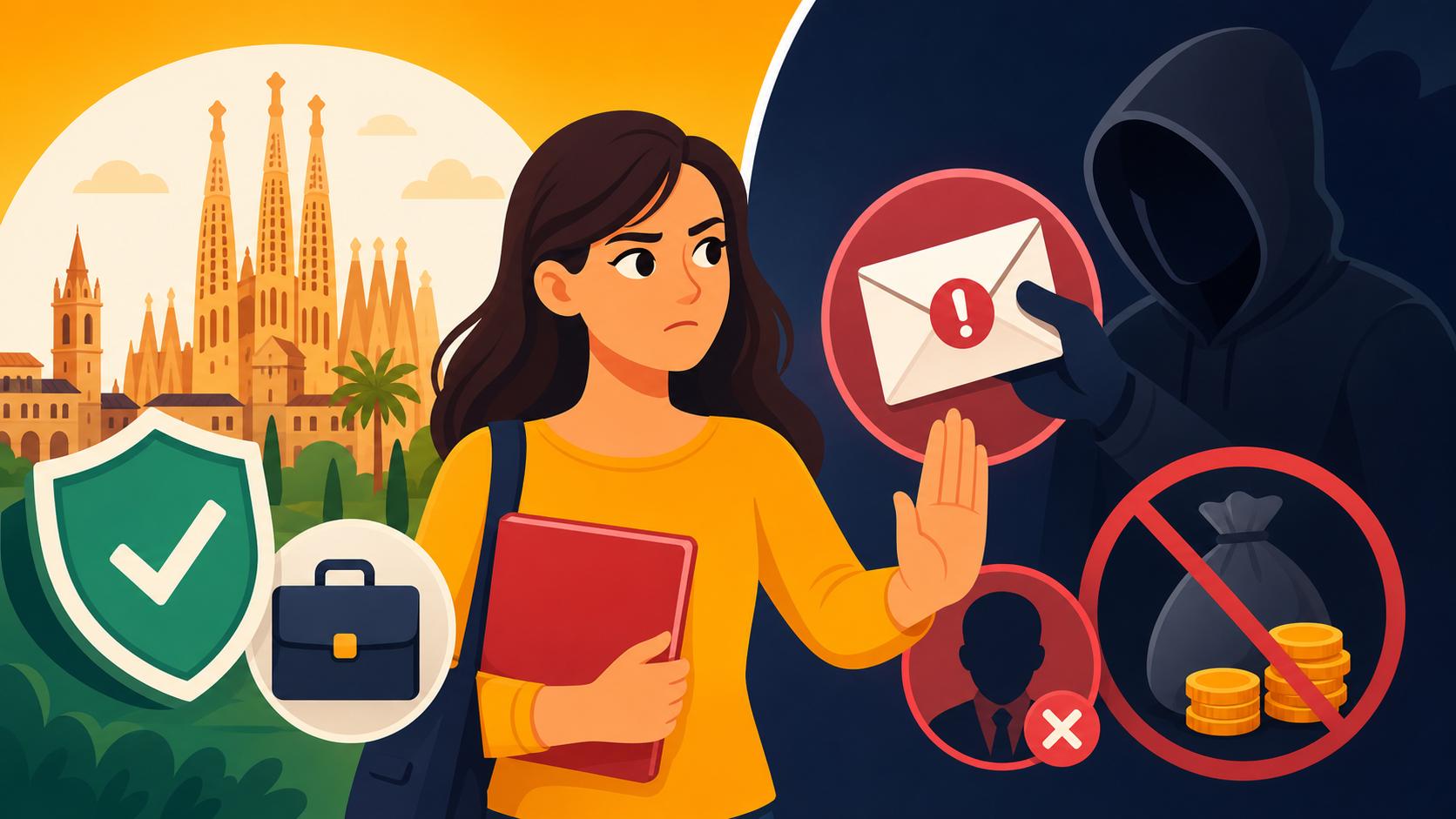
Searching for a job in Spain is already a full-time, high-stress endeavor, but it becomes infinitely more taxing when you realize you are being targeted by predators. I remember sitting in a crowded plaza in Madrid, heart sinking as I realized the "dream" remote role I had just interviewed for was actually a sophisticated phishing attempt. This guide breaks down exactly how to spot and avoid the job scams currently plaguing the Spanish market.
Disclosure: This post may contain affiliate links. We may earn a commission at no extra cost to you if you make a purchase through these links. Read full disclosure.
The Psychological Trap of the Spanish Job Market
The Spanish job market is notoriously competitive, especially for foreigners who are still navigating the complexities of Working in Spain as a Foreigner: Jobs, Contracts, and Rights. Because the "paro" (unemployment rate) has historically been higher than in other EU nations, there is a natural sense of urgency among job seekers. Scammers thrive on this desperation. They know that when you have been sending out dozens of applications through Top Job Search Websites in Spain: How to Use Them Effectively, you might be less likely to scrutinize a sudden "offer" that lands in your inbox or WhatsApp.
Many expats have felt they were "too smart" to be scammed, only to fall for a trap because the timing was perfect. You might be worried about your visa status or your dwindling savings, making you the perfect target for someone promising a high salary with low requirements. This is why it is essential to keep your guard up, even when an offer feels like the "break" you have been waiting for. Learning the local language through resources like SpanishPod101 can actually be a defense mechanism; often, these scams are written in "Google Translate" Spanish or overly formal, unnatural English that a seasoned resident would immediately find suspicious.
Common Job Scams Targeting Foreigners in Spain
The "Pay to Work" scam is perhaps the most frequent and heartbreaking. In this scenario, you are offered a position but told you must first pay for a "mandatory" training course, a background check, or administrative processing for your visa. In Spain, no legitimate employer will ever ask you to pay for the privilege of working. If they mention that you need to send money via a wire transfer to cover "initial setup costs," run the other way. Even if they suggest using a reputable service like Wise to move the money, the request itself is the red flag, not the payment method.
Another prevalent tactic involves data harvesting. Scammers will post high-quality listings that mirror the advice found in Finding a Job in Spain: CV, Interviews, and Networking. Once you apply, they quickly move to "onboard" you, asking for high-resolution scans of your passport, TIE, and How to Get a Social Security Number (NUSS) in Spain. While a real employer does need these documents eventually, they should only be requested after a formal contract has been presented and signed through official channels. If a "recruiter" asks for your bank details and ID before you have even had a face-to-face (or video) interview, they are likely trying to steal your identity or open fraudulent accounts in your name.
Finally, watch out for the "International Client" scam. You are "hired" to receive payments from Spanish clients and forward them to a company abroad, keeping a commission. This is not a job; it is money laundering. You are being used as a "money mule," and in the eyes of the Spanish Hacienda, you are the one responsible for the illicit funds passing through your account.
Real-World Red Flags and How to Verify Companies
The most immediate red flag is the unsolicited WhatsApp message. Legitimate Spanish companies almost never use WhatsApp as a first point of contact unless you have specifically opted into a recruitment platform that uses it. If you receive a message saying, "Hello, I am from the HR department of [Famous Company], we saw your CV on LinkedIn," and they immediately offer a salary of 300 EUR per day for "simple tasks," it is a scam. I always recommend that expats use How to Use LinkedIn to Find Jobs in Spain: Practical Search Tips to cross-reference any recruiter who reaches out. If their profile has only three connections and no history, it is a fake.
Check the email address carefully. A real recruiter from a company like Inditex or Telefónica will never email you from a @gmail.com or @outlook.com address. They will use a corporate domain. Furthermore, look for the "CIF" (Código de Identificación Fiscal). Every legal business in Spain has one. You can look up a CIF on sites like Iberinform to see if the company actually exists and is active. If you are preparing for Common Spanish Interview Questions (and How to Answer in English) but the company won't provide an office address or a landline number, stop the process immediately.
| Scam Type | Initial Contact | The "Hook" | The Goal |
|---|---|---|---|
| The Money Mule | WhatsApp / Telegram | "Process payments for us" | Use your bank for laundering |
| The Training Trap | Fake Job Board Ad | "You're hired, but buy this course" | Stealing "training fees" |
| The Identity Thief | Professional-looking Email | "Send ID for visa processing" | Identity theft / Fraud |
| The Premium Rate | SMS | "Call this number for an interview" | Charging you huge phone fees |
Protecting Your Financial and Personal Data
If you are at the stage where you are Writing a Spanish‑Style CV: Format, Sections, and Examples, remember to be careful about how much personal info you put on public job boards. You don't need to include your full NIE number or your exact home address on your CV. A phone number and email are enough. Once you do land a real job, you will likely want to use Wise to manage your multi-currency needs, especially if you are being paid in Euros but have financial obligations back home. It is a great tool for expats, but remember that its security features only work if you are sending money to people you actually trust.
Understanding Spanish Work Culture: Hours, Holidays, and Workplace Etiquette can also help you spot fakes. If a job offer ignores the standard "convenio" (collective bargaining agreement) rules or offers a salary that is triple the market rate for a junior role, it is likely too good to be true. Scammers rely on the fact that you might not know what a standard "nómina" (payslip) looks like or what the minimum wage is. If you find yourself confused by the terms in a contract, using the lessons on SpanishPod101 to brush up on your business vocabulary can save you from signing something fraudulent or exploitative.
What to Do If You Have Been Targeted
If you have already shared your information or, worse, sent money, do not be ashamed. These scammers are professionals. Your first step should be to contact your bank immediately to freeze your accounts. If you sent scans of your TIE to a scammer, you must report the identity theft to the Policía Nacional. This creates a paper trail in case the scammers try to take out loans in your name.
You should also report the scam to the platform where you found the ad. Whether it was InfoJobs, LinkedIn, or a Facebook expat group, reporting the profile helps protect the next person. In Spain, the "INCIBE" (National Institute of Cybersecurity) has a dedicated helpline for reporting internet fraud. Staying safe requires a community effort. Always trust your gut—if the process feels rushed, if they skip the Common Spanish Interview Questions (and How to Answer in English) phase, or if they demand money for any reason, it is not a job. It is a trap.
Finally, keep a record of all communication. Save the WhatsApp chats, the emails, and the phone numbers. Even if the police cannot catch the person immediately, your data contributes to a larger investigation into the networks operating in the country. Moving to a new country is hard enough; don't let a scammer ruin your Spanish adventure. Keep your What Is ‘Nómina’? Understanding Spanish Payroll Documents expectations realistic and your skepticism high.
Disclaimer
The information provided in this guide is for informational purposes only and does not constitute legal or professional career advice. While we strive to provide accurate and up-to-date details regarding common fraudulent practices in Spain, scammers frequently evolve their tactics. Always consult with the Spanish National Police (Policía Nacional) or a qualified legal professional if you believe you have been a victim of a crime. We are not responsible for any financial losses or data breaches resulting from interactions with third-party job listings.