How to Bargain (or Not) at Spanish Markets
Spanish market etiquette explains when to haggle and when to pay fixed prices at flea markets, grocery stalls, and artisan fairs across Spain.
Explore your new home.
Local transport, weekend getaways, cultural etiquette, and discovering the country beyond the tourist trail.

Spanish market etiquette explains when to haggle and when to pay fixed prices at flea markets, grocery stalls, and artisan fairs across Spain.
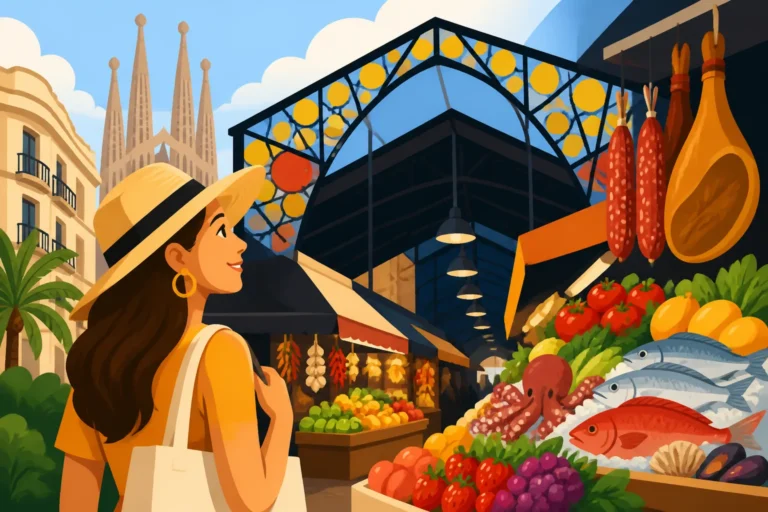
Spanish food markets and famous spots like La Boquería explained through local timing, visitor etiquette, and shopping tips.
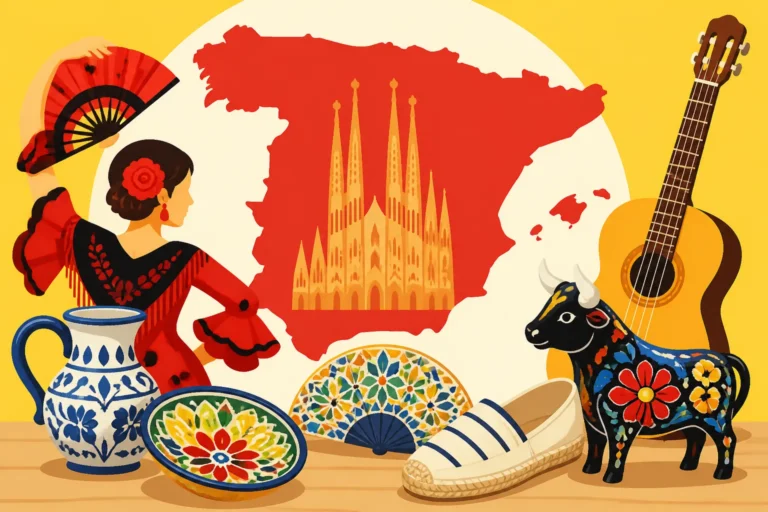
Authentic Spanish souvenirs include regional ceramics, leather goods, handmade fans, and traditional textiles made across Spain.
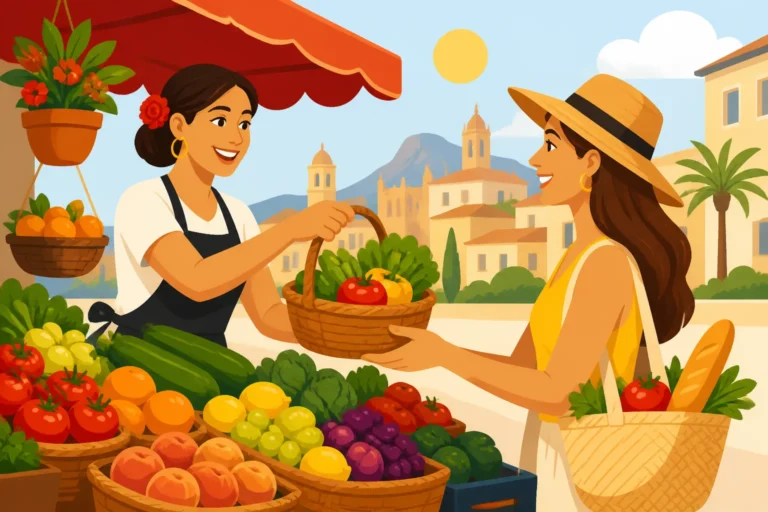
Spanish outdoor market shopping involves mastering unwritten queues, vendor interactions, proper timing, and local payment customs for fresh produce.
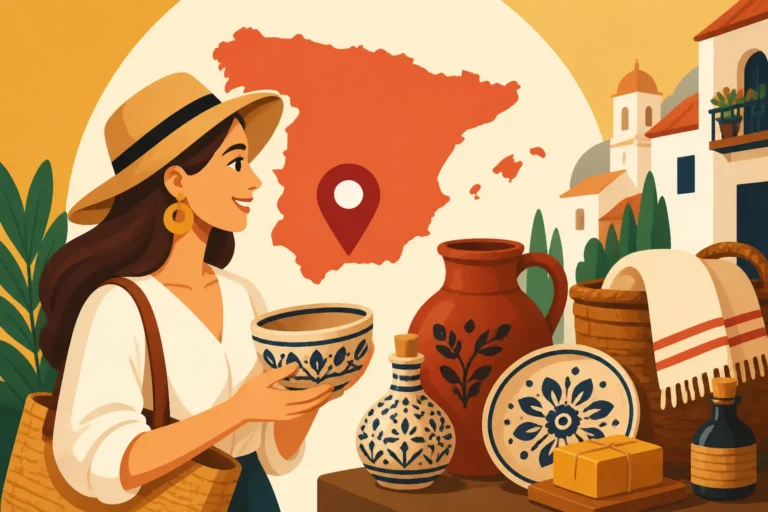
Authentic Spanish craftsmanship reveals certified regional ceramics, leather goods, and handmade textiles across traditional workshops and markets.
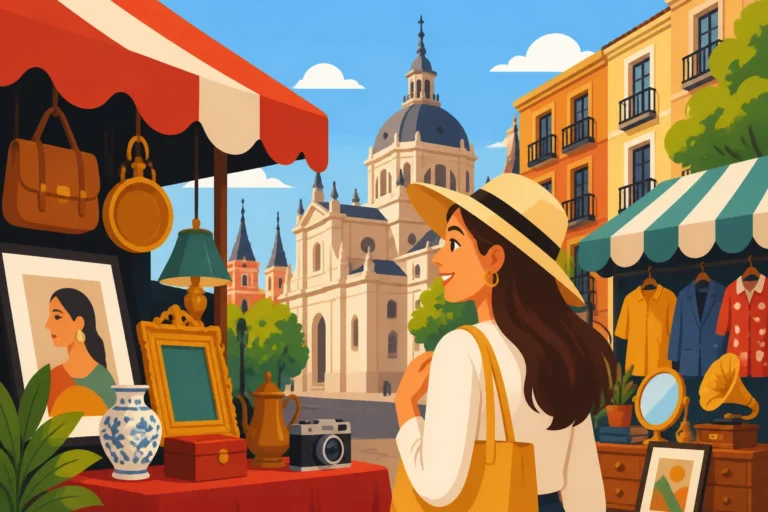
El Rastro market visiting strategies include Sunday timing, La Latina side street antiques, safety tips against pickpockets, and local tapas bars.
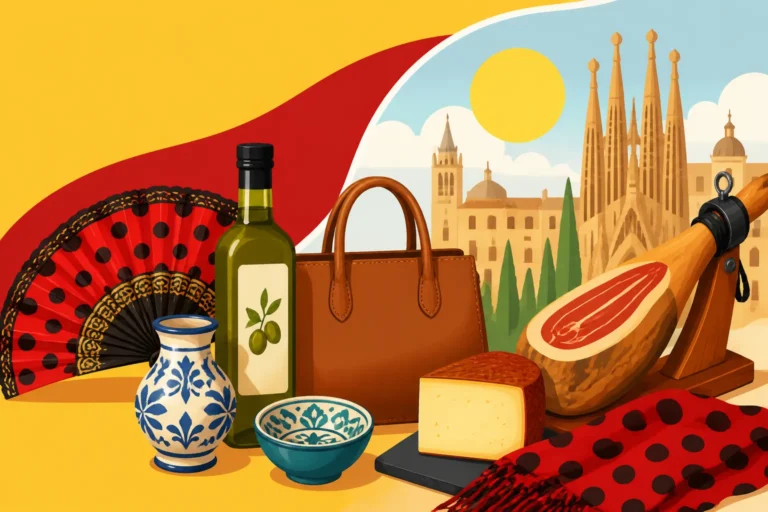
Authentic Spanish products include olive oil, saffron, leather goods, espadrilles, and ceramics, alongside practical tips for purchasing local souvenirs.

Traditional Spanish sales schedules, regional variations, and consumer rights help shoppers time purchases for maximum savings during the Rebajas seasons.

Non-EU travelers shopping in Spain can claim Value Added Tax refunds by using the DIVA system and validating forms at airport kiosks.

Spanish nightlife strategies let visitors experience tapas, rooftop bars, and flamenco shows without staying out past midnight.