Culture Shock Symptoms vs Stress: When to Seek Help (Expat Guide)
Trying to figure out if you are just overwhelmed by Spanish bureaucracy or spiraling into severe culture shock is an incredibly lonely battle. I remember breaking down in tears in a Madrid supermarket simply because I couldn’t find my usual brand of milk. This guide helps you decode your symptoms, separate standard relocation stress from deep cultural fatigue, and find proper help.
Disclosure: This post may contain affiliate links. We may earn a commission at no extra cost to you if you make a purchase through these links. Read full disclosure.
The Expat Emotional Rollercoaster in Spain
Living in Spain is heavily romanticized before you arrive. It is incredibly easy to picture your new life as an endless, sun-drenched parade of tapas, afternoon siestas, and cheap local wine. But the reality of relocating your entire existence across international borders is an administrative and psychological marathon. When you inevitably hit a wall, you need to understand exactly what your brain is going through so you do not blame yourself for perfectly natural psychological reactions.
The Honeymoon Phase vs The Reality Crash
Psychologists have studied the expatriate experience for decades, mapping it onto a highly predictable emotional trajectory known as the U-Curve of cross-cultural adaptation. When you first arrive, you are riding the high of the “Honeymoon Phase.” The late dinners are charming, the rapid-fire Spanish is exciting, and even getting lost in the winding streets of your new neighborhood feels like a cinematic adventure. You are living the European dream that you planned for months or years.
But eventually, the adrenaline wears off. The reality of daily life sets in, and you plummet into the “Frustration” or “Crisis” stage. Suddenly, the charming late dinners mean you are starving at 7:00 PM with nowhere to eat because the kitchens are closed. The vibrant street life translates to agonizing noise keeping you awake when the garbage trucks roll through at 2:00 AM. Every single mundane task requires immense, exhausting mental translation. This precipitous drop in your emotional baseline is where expats begin to confuse standard situational stress with clinical culture shock.
Identifying Normal Relocation Stress
It is entirely normal to feel highly stressed during your first year in Spain. Stress is inherently tied to specific, solvable triggers. For example, trying to understand the dense bureaucracy of the public healthcare system and figuring out the exact paperwork required to navigate it—which you can decode using our guide on What Is a ‘Centro de Salud’ in Spain and How Do You Register?—will naturally spike your cortisol.
You might feel your chest tighten when you have to make a phone call in Spanish to set up your home internet, or when you are trying to figure out how to pay your freelance autónomo taxes. But once that specific administrative task is accomplished, standard stress dissipates. You feel a tangible sense of relief and accomplishment. Normal stress is temporary and situational; it does not permanently alter your personality, your self-worth, or your overarching worldview regarding your new host country.
Recognizing the Deep Symptoms of Culture Shock
Culture shock, however, is not tied to a single bureaucratic hurdle. It is a pervasive, generalized exhaustion that lingers long after your residency paperwork is filed and your apartment is furnished. It is a profound psychological disorientation that occurs when all your familiar, unconscious cultural cues are entirely stripped away, leaving your brain in a constant state of hyper-vigilance.
Physical Toll and Exhaustion
Culture shock manifests aggressively in your physical biology. You might find yourself sleeping for ten or twelve hours a night and still waking up feeling like you ran a marathon. Your digestive system might completely revolt, even if you are eating a phenomenally healthy Mediterranean diet, simply because your gut microbiome is reacting to the chronic release of stress hormones like cortisol and adrenaline.
When your body enters this state of prolonged, unexplainable fatigue, managing any existing health issues becomes ten times harder. If you are already trying to balance your physical health abroad, our insights on Chronic Conditions in Spain: Managing Ongoing Care as an Expat provide vital context. Many expats find that their immune systems crash during this phase, leading to frequent colds or tension headaches. Because local Spanish pharmacies often have limited selections and massive retail markups on holistic wellness products, I highly recommend using global platforms like iHerb to order high-grade immune support. Having trusted, familiar vitamins, probiotics, and adaptogens delivered via iHerb can provide a crucial physical buffer while your brain adapts to the heavy cultural load.
Emotional Burnout and Irrational Anger
Emotionally, the biggest red flag of culture shock is a sudden, aggressive hostility toward Spain. You might catch yourself aggressively criticizing the local culture to your friends back home, complaining bitterly about the lack of customer service, the inefficiency of the postal system, or the way people queue at the local bakery.
This irrational anger is actually a subconscious defense mechanism. Your brain is trying to protect your original cultural identity by violently rejecting the new one. You stop seeing the beauty in the culture and only see the friction. Small inconveniences, like a local grocery store closing for the afternoon siesta just when you needed to buy dinner, suddenly feel like deliberate, malicious personal attacks rather than simple cultural differences. If you catch yourself thinking “I hate this country” over minor inconveniences, you are firmly in the grip of culture shock.
The Trap of Expat Isolation
The most dangerous symptom of severe culture shock is absolute social withdrawal. Because every interaction outside your apartment requires immense energetic output and constant linguistic translation, you simply stop trying. You cancel plans with other expats, you avoid speaking to local Spanish neighbors, and you retreat entirely into the digital comfort of your home country via streaming services and social media.
This isolation breeds severe, clinical depression. You start to believe that you made a massive, irreversible mistake moving abroad, but you feel too ashamed to admit it to anyone back home because you are supposed to be “living the dream.” If your withdrawal reaches a point where you are experiencing very dark, intrusive thoughts, you must prioritize your immediate safety over everything else. Please review our guide on Mental Health Hotlines in Spain: Numbers and When to Use Them to ensure you know exactly who to call if you are spiraling and need immediate, bilingual crisis intervention.
Practical Differences Between Stress and Culture Shock
To help you self-evaluate your current mental state, here is a breakdown of how standard relocation stress differs from the deep, systemic fatigue of culture shock. Understanding these distinctions is the first step toward getting the right kind of help.
| Symptom and Behavior | Standard Relocation Stress | Severe Culture Shock |
| Duration of Feeling | Tied to specific tasks; fades once resolved | Pervasive, lingering for weeks or months |
| Emotional State | Frustrated, overwhelmed, anxious | Apathetic, deeply depressed, isolated |
| View of Host Country | Annoyed by specific, solvable hurdles | Irrational, intense resentment toward the entire culture |
| Physical Toll | Occasional tension headaches, temporary fatigue | Chronic insomnia, digestive failure, absolute exhaustion |
When and How to Get Professional Help in Spain
There is a massive, unspoken stigma among expats about “failing” at living abroad. Admitting that you are absolutely miserable in Spain feels like a personal failure. If your symptoms of culture shock have lasted more than a few weeks and are actively preventing you from leaving your house, maintaining relationships, or performing at your job, it is time to seek professional intervention. You cannot out-stubborn clinical depression.
Bypassing Public System Bottlenecks
While Spain has a phenomenal state-funded medical system, relying on the public sector for acute, English-speaking mental health triage is incredibly frustrating. The waiting lists for a public psychologist can stretch for four to six months. Furthermore, finding a public psychologist who speaks fluent English and understands the specific psychological grief of expatriation is extremely rare. For an honest breakdown of these systemic delays and how the state system functions, see our overview of the Spain Healthcare System for Expats: Public vs Private.
When you are in the thick of culture shock, you cannot wait half a year for an appointment. You need immediate, private care. However, navigating the Spanish insurance market to find a policy that actually covers ongoing psychological therapy without astronomical hidden copayments is exhausting. This is exactly where utilizing a specialized expat broker like Innoinsure saves your sanity and your wallet. A dedicated, bilingual agent from Innoinsure can filter the massive Spanish market and match you with a premium health plan that features extensive psychiatric coverage and a vast network of English-speaking therapists.
By securing your policy through Innoinsure, you guarantee immediate access to the professional support you need without the bureaucratic headache. Once your policy is active, you can learn how to effectively search those networks by reading our advice on How to Find a Therapist in Spain Who Works in English, and understand the legal privacy standards of digital appointments in Online Therapy in Spain: What to Check Before You Book. Understanding the financial structure of these visits is also crucial, which we detail comprehensively in How to Compare Private Health Plans: Deductibles, Co-Pays, Networks and Health Costs in Spain: Typical Co-Pays and Out-of-Pocket Fees.
Supporting Your Nervous System Holistically
Therapy is the definitive long-term solution for untangling cultural trauma, but you also need to physically support your nervous system in the short term. The chronic stress of culture shock keeps your body in a constant state of “fight or flight,” severely depleting your natural biological reserves of magnesium, B-vitamins, and essential immune defenses.
While your local neighborhood pharmacist is brilliant at treating acute physical ailments—a triage process we explain in Can a Pharmacist in Spain Help With Minor Illness? What to Expect—Spanish pharmacies frequently lack the highly specific, premium holistic supplements and adaptogens that many expats rely on back home to calm their nervous systems. Even when they do stock specific herbal remedies, the retail markup for international brands is usually staggering.
To bypass this financial frustration, the international community relies heavily on iHerb. By ordering your daily stress-relief supplements, familiar herbal teas, and high-absorption vitamins directly through iHerb, you gain access to the trusted international brands that actually calm your biology without draining your bank account. Having your specific wellness routine delivered directly to your Spanish door via iHerb ensures that your physical body is fully supported, giving you the stable foundation you need to process your cultural integration in therapy. You are not failing at expat life; you are simply going through a highly documented psychological transition, and with the right support, you will absolutely come out the other side.
References
Primary sources (official)
- American Psychological Association (APA) – Dictionary of Psychology (Culture Shock): https://dictionary.apa.org/culture-shock
- Ministerio de Sanidad (Ministry of Health Spain) – Salud Mental: https://www.sanidad.gob.es/areas/promocionPrevencion/saludMental/home.htm
Other helpful sources
- Expatica – Accessing mental health services in Spain: https://www.expatica.com/es/healthcare/healthcare-services/mental-health-in-spain-170747/
- World Health Organization (WHO) – Mental Health: https://www.who.int/news-room/fact-sheets/detail/mental-health-strengthening-our-response
Disclaimer
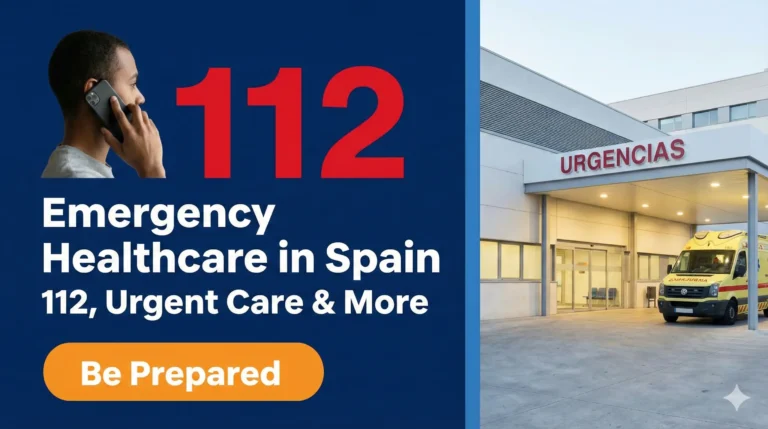
The information provided in this article is for educational and informational purposes only and does not constitute formal psychiatric, medical, or legal advice. Severe culture shock can trigger clinical depression, severe isolation, and anxiety that requires professional medical intervention. Always consult a licensed clinical psychologist, psychiatrist, or medical doctor regarding your specific mental health symptoms. If you are experiencing a severe, life-threatening mental health emergency or having suicidal thoughts while in Spain, please dial 112 or the national suicide prevention line at 024 immediately.