Monastery and Convent Stays in Spain: Booking the Quiet Option
Disclosure: This article contains affiliate links. If you buy through them, we may earn a commission at no extra cost to you. Read our full disclosure.
Traveling through Spain, it’s easy to get caught up in the hustle and bustle of vibrant cities and popular tourist spots. But what if you’re longing for a deeper, more tranquil immersion into the country’s rich history and spiritual heritage? Finding those truly quiet, reflective spaces can feel like searching for a needle in a haystack, especially when most booking platforms prioritize standard hotels. This guide is here to help you unlock the doors to a unique form of accommodation: monastery and convent stays in Spain, showing you how to find and experience these serene retreats.
The Unique Allure of Monastery and Convent Stays in Spain
For those of us who’ve lived here for a while, there’s an undeniable charm to stepping away from the typical tourist trail and finding something truly special. Monastery and convent stays in Spain offer just that – a chance to experience a profound sense of peace, history, and local culture that a five-star hotel simply can’t replicate. These aren't your average accommodations; they are places where time seems to slow down, where centuries of devotion and quiet contemplation permeate the very stones. It’s a chance to live, even for a brief period, within the ancient rhythms of monastic life.
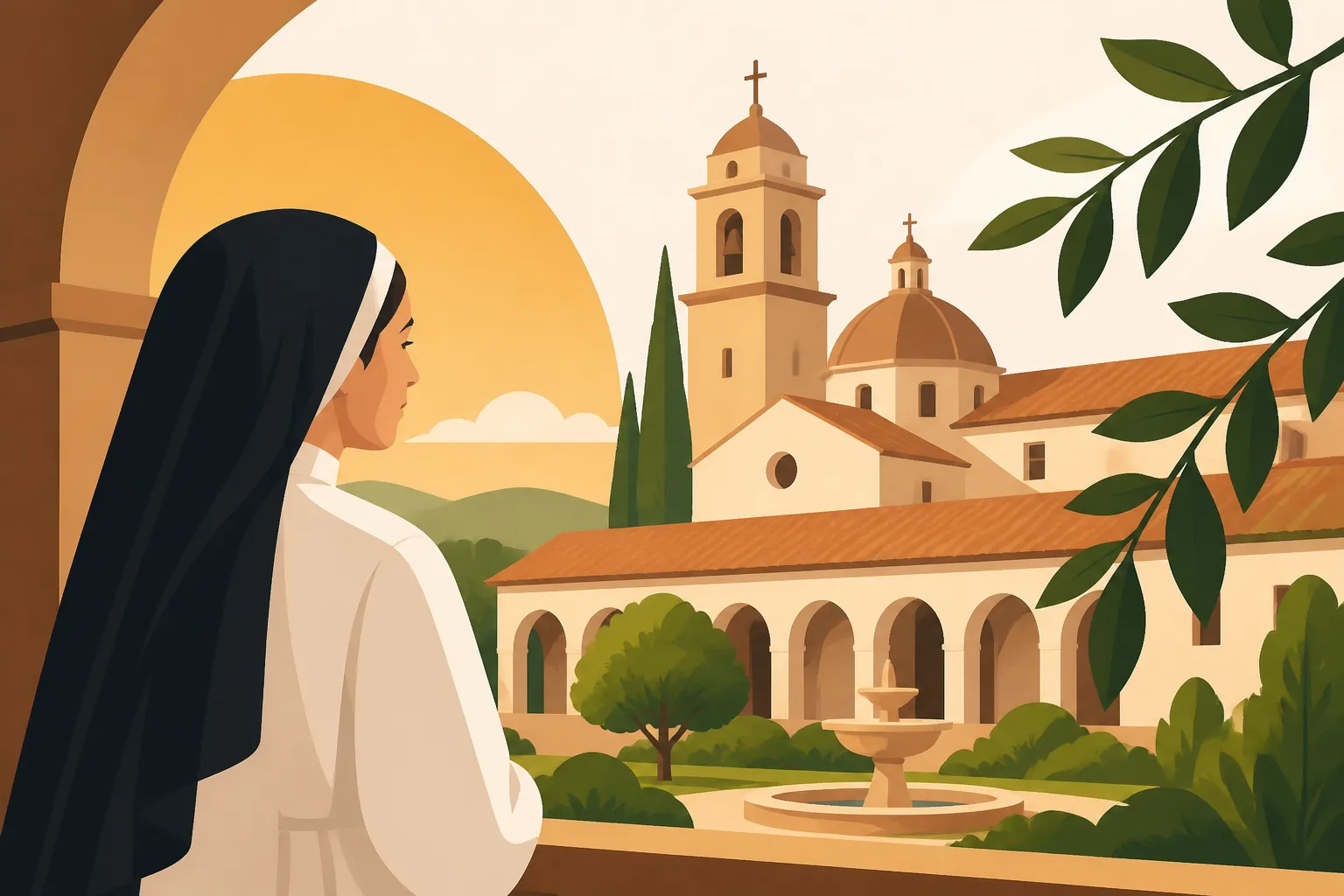
Imagine waking to the gentle peal of bells, strolling through cloistered courtyards bathed in morning light, or simply sitting in reflection where monks and nuns have found solace for generations. These establishments, often called hospederías or casas de espiritualidad, provide simple yet comfortable rooms, usually in wings distinct from the active monastic areas, but still very much part of the complex. They are designed for pilgrims, spiritual seekers, or simply travelers yearning for a profound sense of tranquility. It's an opportunity to switch off, disconnect from digital noise, and reconnect with something more enduring. This unique experience is often found in historical cities like Santiago de Compostela, along pilgrimage routes such as the Camino de Santiago, or tucked away in the serene hills of regions like Catalonia or Andalusia.
More Than Just a Room: An Immersive Cultural Experience
Staying in a monastery or convent isn't merely about having a bed for the night; it's an invitation to a different way of being. You might find yourself sharing simple, home-cooked meals, often prepared with ingredients from the monastery gardens, or attending vespers and lauds if you wish. There’s no pressure to participate in religious services, but the option is often there, enriching your understanding of Spanish spiritual life. Many of these institutions have fascinating histories, housing ancient libraries, beautiful chapels, and stunning artwork that are rarely seen by the general public.
You’ll discover that the very architecture speaks volumes: thick stone walls, quiet cloisters, and often breathtaking views of the surrounding countryside. It’s a chance to feel the pulse of a living history, far removed from the modern world's demands. For expats like us, who are always looking to deepen our connection with Spain, these stays offer an unparalleled perspective on the country’s soul. They often exist in picturesque towns or remote natural settings, providing a perfect base for exploring areas less frequented by mass tourism. If you’re planning on exploring some of Spain’s more tranquil spots, consider how a stay like this could transform your trip.
Navigating the Search: How to Find Your Peaceful Retreat
Now, I know what you’re thinking: “This sounds amazing, but how on earth do I find these places?” It's true, they aren't always listed on every travel site, and sometimes the local websites are only in Spanish, which can be a real headache. But fear not, because modern tools can actually make this quest much easier than you might expect. The trick is knowing where to look and what search terms to use.
Finding these unique stays requires a slightly different approach than booking a standard hotel. Many traditional guidebooks will list some, but the most comprehensive and user-friendly way to browse and book these serene options is often through larger online travel agencies that have expanded their offerings to include diverse accommodation types. This is where platforms like Booking.com really shine. While they list millions of hotels, their extensive filtering system and broad database often include these special properties once you know how to search for them.
Utilizing Online Platforms to Uncover Hidden Gems
When you're looking for a monastery or convent stay, don't just type "hotel." Instead, on a platform like Booking.com, try keywords in the search bar such as "monasterio," "convento," "hospedería," or "casa rural con encanto" (charming country house), sometimes even "casa de espiritualidad." You might be surprised by the results! The key is to be specific and broad at the same time, using Spanish terms where possible. Once you get a few results, examine the property types carefully. Sometimes a property might be listed simply as a "guesthouse" or "hotel rural" but upon closer inspection of the description and photos, you'll see it’s housed within an old convent building or managed by a religious order.
Another tip is to use the map function. Often, these retreats are in quieter, more rural areas, or on the outskirts of historic towns. Zoom in on areas known for their religious heritage or natural beauty. Once you identify a potential region, like the Picos de Europa or a smaller town in Galicia, you can then narrow your search on Booking.com to that specific area. Remember, reviews are your friend! Guests often share details about the atmosphere, the rules, and the overall experience, which can give you a better idea of what to expect.
Here’s a simple table to illustrate how search terms might vary depending on what you’re specifically looking for:
| Search Goal | Recommended Spanish Search Terms (on Booking.com or similar) | What to Look For in Results |
|---|---|---|
| Monastery/Convent Stay | Monasterio, Convento, Hospedería, Casa de Espiritualidad | Property descriptions mentioning "Orden religiosa," "Claustro," "Celda" (cell-like room) |
| Rural Retreat | Casa Rural, Posada, Alojamiento Rural con encanto | Focus on images of stone buildings, gardens, and quiet surroundings |
| Pilgrim Accommodation | Albergue, Hostal, Casa de Peregrinos | Often simpler, sometimes dormitory-style; common along Camino routes |
| Historic Guesthouse | Hotel Histórico, Pensión con historia, Patrimonio restaurado | Properties explicitly stating they are in restored historic buildings |
Direct Booking and Local Research
While Booking.com offers a fantastic starting point for its sheer volume of options and ease of use, some smaller, more traditional hospederías might still prefer direct inquiries or have their own modest websites. Once you've identified a region you're interested in, a quick search for "monasterios con alojamiento [region name]" can sometimes reveal smaller, independent options. Be prepared for a bit more legwork if you go this route – perhaps an email or even a phone call in Spanish.
Local tourism offices can also be surprisingly helpful, especially in less touristed areas. They might have lists of hospederías or casas de acogida (guest houses) that don't have a huge online presence. However, for a streamlined booking process and a wide array of options, particularly if your Spanish isn't quite up to making detailed phone inquiries, Booking.com remains a top choice. It’s a powerful tool to quickly compare availability, prices, and amenities, bringing these unique experiences right to your fingertips.
What to Expect from a Monastic Stay: Rules, Rhythms, and Rewards
Deciding to stay in a monastery or convent in Spain is a truly rewarding choice, but it’s crucial to go in with the right expectations. This isn't your standard holiday resort; it’s an experience rooted in centuries-old traditions. The pace is different, the amenities are often simpler, and there’s a distinct atmosphere of quiet contemplation. Understanding these nuances will ensure your stay is everything you hoped for and more.
One of the first things you'll notice is the rhythm of the day. Life in these places often revolves around prayer times, communal meals, and periods of silence. While guests are rarely expected to adhere to the full monastic schedule, a general respect for the established routines is appreciated. Don't expect a lively bar scene or late-night entertainment; these are places for reflection and rest. Instead, you might find common areas for reading, serene gardens, or even chapels open for personal meditation. It’s an ideal setting for anyone looking to truly stress and culture shock: self-care tips for new expats in Spain and rejuvenate.
Understanding the Etiquette and Facilities
Rules are generally unwritten but understood. Think quiet voices in common areas, respectful dress, and a mindful approach to your surroundings. Some places might have a curfew or specific times for entry and exit, especially in more traditional institutions. Rooms are typically clean, comfortable, and functional, but usually simple. You might find a single bed, a small desk, and a private bathroom, but luxuries like televisions or extensive toiletries are rare. The focus is on providing a peaceful sanctuary, not lavish indulgence.
Meals, if offered, are usually a set menu and served at specific times. They are often wholesome, traditional Spanish fare, and an opportunity to share a meal, sometimes in silence or quiet conversation, with other guests or even members of the community. This communal aspect, while different from dining in a restaurant, can be a beautiful way to connect with the essence of the place.
The True Rewards of a Quiet Retreat
The real reward of a monastic stay lies in the profound sense of peace and perspective it offers. It's a chance to truly disconnect. Without the distractions of modern life, you might find yourself more attuned to your surroundings, to the chirping of birds in the cloister, or the distant sounds of village life. Many expats living in Spain find these retreats invaluable for processing the complexities of living abroad, offering a quiet space to reflect on new experiences, or even just to enjoy some much-needed solitude. If you're pondering topics like mental health in Spain: psychologists vs psychiatrists explained, a tranquil environment can provide an excellent space for self-reflection before seeking professional help.
It's also an opportunity to connect with history in a tangible way. Imagine staying in a place that has stood for hundreds of years, witnessing countless lives and historical events. From the ancient monasteries nestled in the mountains of Aragón to the serene convents hidden within the narrow streets of Seville, each location tells a unique story. These places often serve as a perfect launching point for exploring the surrounding areas, whether it's taking a quiet walk in nature or visiting local historical sites that are off the main tourist circuit. Booking.com listings often include detailed descriptions and photos, so you can get a good sense of the specific rules and amenities each unique property offers before you commit.
Essential Tips for a Respectful and Rewarding Experience
To make the most of your monastery or convent stay in Spain, a little preparation and a respectful attitude go a long way. This isn't just another lodging; it's a living, breathing institution with its own customs and expectations. Embracing this mindset will not only ensure a smooth experience for you but also honor the traditions of your hosts.
One of the most important things to remember is that you are a guest in a spiritual home. While many of these places have opened their doors to the public for financial support, their primary purpose remains spiritual. Therefore, discretion and respect for the tranquility of the environment are paramount. This means keeping noise levels low, especially in hallways and common areas, and being mindful of others who may be seeking silence for their own reflection.
Preparing for Your Stay and Navigating Language
Before you arrive, do a little research. While Booking.com will give you a good overview, a quick search for the specific monastery or convent online might reveal more detailed information about their history, community, and any particular expectations for guests. If you’re not fluent in Spanish, having a few key phrases ready can be incredibly helpful. Simple greetings, how to ask for meal times, or polite ways to ask questions about the facilities can make a big difference. Remember, even a little effort to speak the local language is always appreciated by Spaniards, especially outside of major tourist hubs. This is a perfect scenario to put into practice your knowledge from a guide like Spanish language and everyday communication for visitors.
Pack simply and modestly. Think comfortable, respectful clothing suitable for a quiet environment. Remember, these are not places for fashion statements, but for introspection. Many places are in older buildings, so a shawl or an extra layer might be welcome, even in warmer months, as stone buildings can be cool. If you are travelling with medications, it's wise to bring what you need, as pharmacies might not be immediately accessible, especially in more remote locations. Read up on traveling with medication in Spain: practical carry-on tips before you go.
Maximizing Your Serene Getaway
Once you're there, allow yourself to unwind and embrace the slower pace. Take advantage of the unique surroundings. Wander through the gardens, sit quietly in a cloister, or simply read a book in your room. Many guests find great joy in observing the daily life of the community from a respectful distance. If you're interested in attending a service, discreetly inquire about the schedule. Most religious communities are welcoming but prefer guests to be informed and respectful of their sacred spaces.
Remember that a monastic stay is not just about the accommodation, but the entire atmosphere. It's an opportunity for a digital detox, a chance to reconnect with yourself, and a deep dive into Spain's profound cultural and spiritual heritage. Whether you’re on a pilgrimage, seeking solace, or simply looking for a unique travel experience, a monastery or convent stay, easily discoverable and bookable through platforms like Booking.com, offers a tranquil escape unlike any other. It’s an unforgettable way to truly experience the heart of Spain.
Disclaimer
This article is for general informational purposes only and does not constitute professional advice. Laws, prices and regulations vary by location and change over time. Consult a qualified professional for guidance on your specific situation.