Boutique and Design Hotels in Spain: When the Price Jump Pays Off
Disclosure: This article contains affiliate links. If you buy through them, we may earn a commission at no extra cost to you. Read our full disclosure.
Oh, the hotel hunt in Spain! It can be a real minefield, can't it? You spend hours scrolling, everything starts to look the same, and you wonder if you're ever going to find that special place. You want something with character, a touch of elegance, maybe a story behind its walls, but you keep seeing endless beige rooms. This guide is for anyone who's felt that pang of disappointment and is ready to understand why sometimes, paying a little extra for a boutique or design hotel on platforms like Booking.com isn't just a splurge, it's an investment in an unforgettable Spanish experience.
What Even Is a Boutique or Design Hotel in Spain? Beyond the Beige and Generic
Let's face it, we've all stayed in those perfectly functional, utterly forgettable chain hotels. The ones where you could be in any city in the world. And while they have their place, Spain, with its vibrant culture, stunning architecture, and rich history, deserves better than generic. This is where boutique and design hotels step in, offering a completely different kind of stay. They're not just rooms with beds; they're destinations in themselves.
Beyond the Chain: Defining Boutique Charm
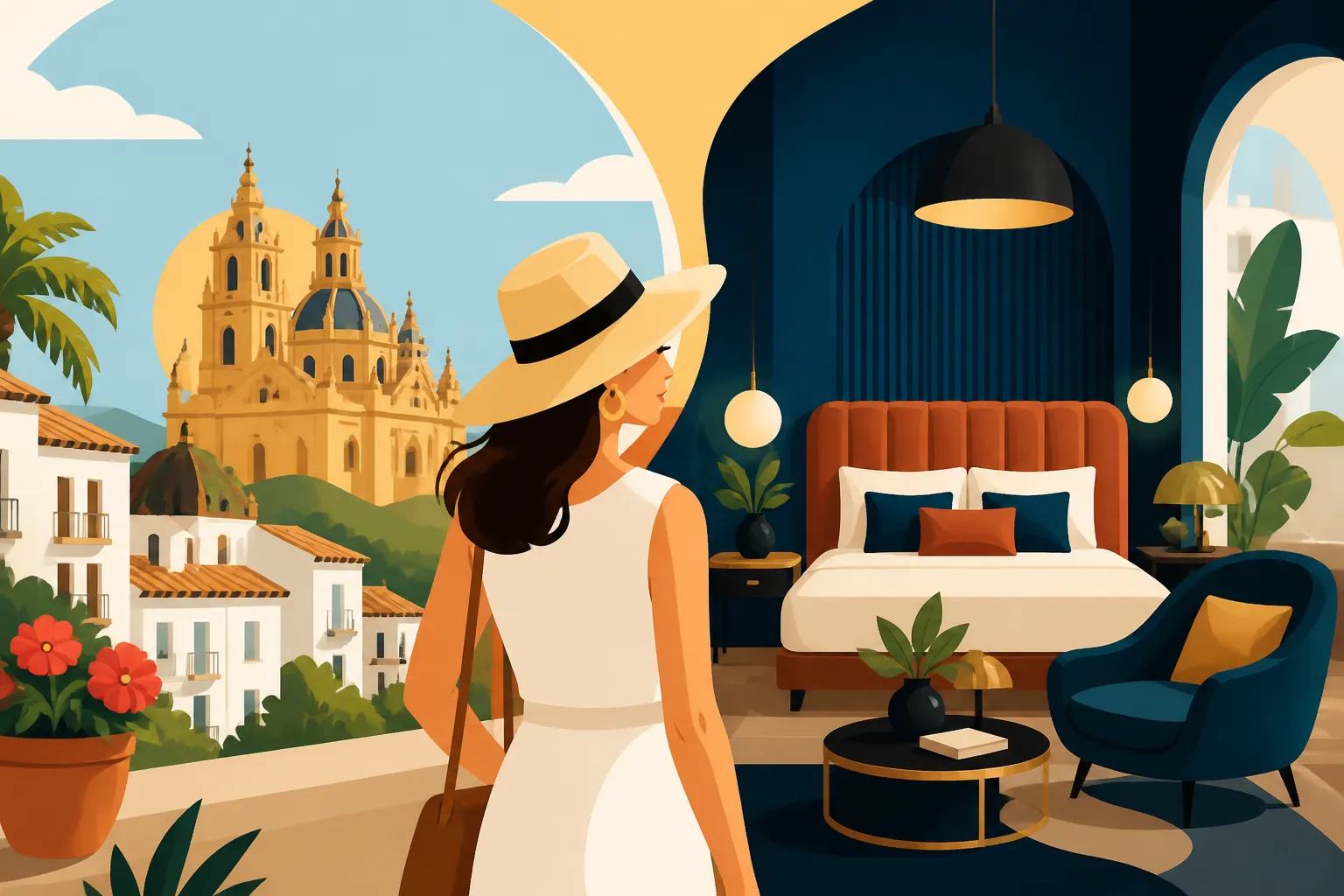
A boutique hotel, to me, is like finding that perfect, one-of-a-kind vintage dress in a sea of fast fashion. It's often smaller, more intimate, and fiercely independent. These places usually have a strong personality, reflecting either the historical essence of their building, the unique vibe of their neighborhood, or the specific vision of their owner. Think of a beautifully restored palacete (small palace) in Seville's Santa Cruz quarter, with a secret patio garden and rooms adorned with antique tiles and Moorish arches. Or perhaps a charming guesthouse carved out of an old fisherman's cottage along the Costa Brava, each room decorated with local art and textiles.
The charm here is palpable. It’s in the personalized service, where the staff remembers your coffee order or offers genuine, insider tips on the best local tapas bar that isn't overrun with tourists. It's in the common areas that feel more like a stylish living room than a lobby, inviting you to linger. These aren't just places to sleep; they’re places to experience. You won't find thousands of identical rooms across the globe; each boutique hotel is a standalone gem, meticulously curated to offer something distinct. This uniqueness is often what draws expats and seasoned travelers who are tired of the cookie-cutter approach and are specifically looking for a more authentic connection to Spain.
The Art of Design: More Than Just Pretty Furniture
Then there are design hotels, which often overlap with the boutique concept but place an even stronger emphasis on aesthetics and architectural innovation. These are spaces where every detail, from the lighting fixtures to the choice of linens, has been thoughtfully considered by designers, architects, or even artists. They often push boundaries, featuring bold modern art, striking minimalist interiors, or avant-garde concepts that make the hotel feel like an extension of a contemporary art gallery. Imagine walking into a hotel in Madrid's Gran Vía area where the lobby is a dramatic installation, the rooms feature bespoke furniture by local artisans, and even the bathroom tiles are a work of art.
The point of a design hotel isn't just to look good, though that's certainly part of it. It’s about creating an atmosphere, a mood, a sensory experience that enhances your stay. The clever use of light, texture, and space can transform a simple room into a tranquil sanctuary or an inspiring creative hub. You might find innovative eco-friendly materials, smart technology seamlessly integrated into the decor, or unique communal spaces that foster interaction. These hotels are often a reflection of modern Spanish creativity, blending traditional elements with cutting-edge design. When you’re browsing options on Booking.com, you’ll often spot these hotels immediately by their distinctive visual flair – they just look different.
The Tangible Value: Why That "Price Jump" Makes Sense
Okay, so we've established that these hotels are cool. But let's get real: they often come with a higher price tag. Is it just for bragging rights on Instagram? Absolutely not. The "price jump" often translates into a superior overall value that can profoundly impact the quality of your trip to Spain. It's about what you gain beyond just a bed for the night.
An Experience, Not Just a Stay
This is probably the biggest differentiator. A boutique or design hotel aims to immerse you, not just house you. Remember that feeling of being just another room number? You won't get that here. From the moment you check in, there's an emphasis on personalized service. The front desk staff might offer you a welcome drink of local cava, provide a map with hand-drawn recommendations for hidden viewpoints or the best churrería, or even book a table at that impossible-to-get-into restaurant you heard about. This level of attention can turn a good trip into a truly memorable one.
Consider a boutique hotel in Barcelona's Gothic Quarter. Instead of navigating endless corridors, you might find yourself in a beautifully restored medieval building with only a dozen rooms. The breakfast might feature artisanal local cheeses and fresh-squeezed orange juice from Valencian orchards, served in a sun-drenched courtyard. The hotel might even organize exclusive tours, like a private flamenco lesson or a tasting of local wines. This isn't just accommodation; it's a curated extension of your Spanish adventure. When you're searching on Booking.com, pay close attention to the descriptions of services and amenities – this is where the experiential value shines through.
Superior Comfort and Amenities
Let's talk creature comforts. The "price jump" often means an upgrade in the tangible aspects of your stay. We're talking about incredibly comfortable beds with high-thread-count sheets and pillow menus, luxurious bathrooms stocked with high-end, often locally sourced, toiletries, and showers that feel like a spa experience. The rooms are typically designed for optimal relaxation, often with better soundproofing, climate control, and thoughtful touches like fresh flowers, a curated selection of books, or a top-notch Nespresso machine.
Beyond your private room, the common areas are equally enhanced. You might find a chic rooftop terrace with panoramic city views (perfect for that evening copa), a serene library for quiet contemplation, or a stylish bar serving innovative cocktails. Many design hotels boast small, but exquisitely designed, pools or wellness areas. These spaces are extensions of your room, providing places to unwind, socialize, or simply enjoy the ambiance. You’re not just escaping the heat in your room; you’re luxuriating in a carefully crafted environment. This attention to detail in amenities is a strong indicator that the higher cost is genuinely reflected in quality and comfort, and you can often see these details highlighted in guest reviews on Booking.com.
Prime Locations and Hidden Gems
Boutique and design hotels often pride themselves on their location. They might be nestled in the heart of a historic old town, like the maze-like streets of Cádiz, offering unparalleled access to cultural sites and vibrant local life right outside your door. Or they could be pioneers, transforming up-and-coming neighborhoods into trendy destinations, like some of the stylish spots popping up in Valencia's Ruzafa district.
This strategic placement means you're often steps away from the best tapas, charming independent shops, and iconic landmarks. You're not spending precious vacation time commuting from a generic hotel on the outskirts of town. Even if the hotel is in a quieter area, it’s usually chosen for a specific reason – perhaps stunning natural views, a sense of serene escape, or proximity to a particular attraction. The ability to walk out your door and immediately feel immersed in the local culture, or to return to a peaceful haven after a day of exploring, adds immeasurable value to your trip. This convenience and immersion are key elements that make the cost worthwhile, giving you more time to explore places like the bustling markets or the quiet plazas. For those interested in Staying Healthy in Spain: Preventive Care, Vaccines, and Wellness, a central location can also mean easier access to local pharmacies or health centers if needed.
Navigating the Options and Making Your Choice
With so many incredible options popping up across Spain, how do you even begin to choose? It can feel overwhelming, but with a few strategic tips, you can pinpoint the perfect boutique or design hotel for your next adventure.
What to Look For: Key Features and Considerations
When you're ready to dive into the world of boutique and design hotels, keep these things in mind:
- Reviews are Gold (but read between the lines!): Platforms like Booking.com are invaluable for their user reviews. Don't just look at the overall score. Read what people are saying. Are they raving about the service, the unique decor, the comfortable beds, or the amazing breakfast? Conversely, do recurring complaints about noise, staff, or cleanliness surface? Look for patterns, both positive and negative. If you're particular about certain aspects, like a quiet room, pay extra attention to comments on that.
- Visual Storytelling through Photos: High-quality photos are crucial. Do they convey a consistent aesthetic? Do the common areas look inviting? Are the rooms bright and thoughtfully arranged? Look for details that tell you about the hotel's personality. If all the rooms look exactly the same, it might not be as "boutique" as it claims.
- Neighborhood Vibe: Research the hotel's location. Is it in a bustling city center, a tranquil historic quarter, or a trendy, up-and-coming area? Does the neighborhood match the kind of experience you're seeking? For example, if you want a quiet retreat, a hotel right on a lively plaza might not be your best bet, even if it's stunning. Consider your priorities: do you want to be near Madrid, Barcelona, and Spain's Great Cities: Explorer's Guide or perhaps a more relaxed coastal town?
- Unique Amenities and Services: What sets this hotel apart? A rooftop pool, a Michelin-starred restaurant, an honesty bar, free bike rentals, a spa, or personalized concierge services? These extras are often where the "price jump" truly pays off. Some even offer cooking classes or wine tastings on-site, further enhancing your cultural immersion.
- Sustainability and Local Focus: Many boutique and design hotels, especially in Spain, are committed to sustainability, using local products, and supporting local artists and communities. If this is important to you, look for mentions of eco-friendly practices or partnerships with local businesses.
Finding Your Perfect Fit: Using Booking.com to Discover Gems
This is where Booking.com truly shines for finding those unique, special places. It's not just for big chains; it's a treasure trove for independent hotels too, if you know how to use it.
Start by entering your destination and dates, as usual. Then, here's how to dig deeper:
- Filter, Filter, Filter! On the left-hand side, look for filters like "Property Type." You might see options like "Boutique Hotel" or "Design Hotel" directly. If not, look for "Hotels" and then apply other filters that align with the boutique experience, such as "Star Rating" (often 4- or 5-star for these), "Review Score" (aim for 9.0+), or "Amenities" like "Spa," "Pool with a view," or specific dining options.
- Use Keywords in the Search Bar: Sometimes, simply searching "boutique [city name] hotel" or "design [city name] hotel" directly on Booking.com can yield great results.
- Explore the Map View: The map view is fantastic for understanding the neighborhood. You can see how close a hotel is to the cathedral in Santiago de Compostela, the beach in San Sebastián, or your favorite tapas street in Granada. This helps you assess if the location truly matches your itinerary and desired vibe.
- Dive into Guest Reviews: As mentioned, read them! Booking.com allows you to filter reviews by categories like "Couples," "Solo travelers," or "Family with young children," which can be super helpful for understanding if the hotel caters to your specific needs. Pay attention to comments on the "atmosphere," "style," and "staff."
- Check the "Facilities" and "Room Features" sections: These often list specific design elements, unique amenities, or special touches that aren't immediately obvious from the photos but add significant value. Does it mention a specific architect or artist? That's a strong clue.
Using these tools on Booking.com allows you to move beyond simply seeing pictures and actually start envisioning your stay, making an informed decision about where your money is best spent. It empowers you to find places that truly embody the spirit of Spanish hospitality and design.
Real-World Scenarios: When to Splurge and When to Save
Deciding whether the "price jump" for a boutique or design hotel is worth it often comes down to the specifics of your trip. There are definitely times when it’s an absolute game-changer, and other times when a more standard option just makes more sense.
When a Boutique Stay is Absolutely Worth It
There are certain occasions when treating yourself to a boutique or design hotel is not just a luxury, but a vital part of the experience. These are the moments when the hotel itself becomes a cherished memory.
- Special Occasions: A honeymoon in Mallorca, a significant anniversary in Toledo, or a milestone birthday celebration in a luxurious finca in Andalusia. For these trips, the hotel is an integral part of the celebration. The unique ambiance, personalized service, and exquisite details of a boutique stay elevate the entire event, making it truly unforgettable. Imagine a private rooftop dinner at your design hotel in Valencia, overlooking the City of Arts and Sciences, or a couples' massage at a tranquil boutique spa in the hills of Girona.
- Short, Immersive City Breaks: If you're spending just a few days in a vibrant city like Madrid or Barcelona, a boutique hotel can maximize your immersion. You want to feel connected to the city's pulse even when you're relaxing. These hotels often reflect the local culture and artistic scene, offering a curated experience that's far more engaging than a generic room. The central, charming location often means you can easily explore on foot, grabbing a quick espresso at a local cafe before heading to the Prado Museum or enjoying a late-night stroll back after a flamenco show. This is particularly true if you plan to explore Spanish Customs, Etiquette, and Social Life, as these hotels often have staff who are excellent cultural guides.
- Creative Retreats or Solo Travel: For those seeking inspiration or a peaceful sanctuary, a design-focused hotel can be incredibly motivating. The aesthetics, quiet spaces, and thoughtful amenities can foster creativity. Solo travelers often appreciate the personal attention and the sense of safety and community that a smaller, more intimate hotel can provide, without sacrificing privacy. You might find a quiet reading nook or a charming patio perfect for journaling or planning your next adventure.
- Foodie Adventures: Many boutique hotels are home to exceptional restaurants, often helmed by innovative chefs focused on local ingredients. If your trip revolves around culinary exploration, choosing a hotel that boasts an acclaimed dining experience or a unique breakfast spread can be a huge bonus. You’re not just eating well; you’re dining in an architecturally stunning or historically significant setting. You can often check for these culinary offerings directly on Booking.com and read reviews of the hotel's restaurant.
When a More Standard Option Might Suffice
Let's be realistic, not every trip calls for a full boutique experience. There are plenty of times when a more practical, budget-friendly option is the smart choice, and that's perfectly okay!
- Long Family Trips with Young Children: While some boutique hotels are family-friendly, many are designed with adult serenity in mind. If you're traveling with energetic kids who primarily need space to run, a pool, and perhaps specific child-friendly amenities, a larger chain hotel or an apartment rental might be more suitable. Kids often prioritize a big pool over bespoke art, and the extra cost for design elements might be lost on them.
- Budget-Conscious Travel: If your primary goal is to stretch your euros as far as possible, and you plan to spend most of your time out exploring, then a clean, comfortable, but no-frills hotel is perfectly adequate. The money saved on accommodation can be reallocated to experiences like Traveling Around Spain: Trains, Buses, Flights, and Car Hire or enjoying more delicious Spanish Food and Drink: A Practical Culture Guide. You'll still have an amazing time in Spain without the added hotel expense.
- Business Trips Focused Solely on Work: If you're in Spain primarily for conferences, meetings, or a whirlwind work trip, and your hotel room is merely a place to crash and catch up on emails, then the intricate design or personalized charm of a boutique hotel might go unappreciated. Convenience, a good desk, and reliable Wi-Fi often take precedence.
- Quick Overnight Stays or Between Destinations: For a brief stopover between cities, or if you're arriving late and leaving early, the unique elements of a boutique hotel simply won't have time to be enjoyed. In these cases, proximity to transport hubs, efficiency, and a comfortable bed are the main requirements.
The key is to match your accommodation choice to your trip's purpose, your priorities, and your budget. Spain offers incredible options across the spectrum, and knowing when to indulge in that special "price jump" is all about understanding what truly adds value to your travel experience.
Comparing Your Options: Chain vs. Boutique/Design
To help visualize the differences, here's a quick comparison of what you often get with a typical chain hotel versus a boutique or design hotel in Spain. This isn't a hard-and-fast rule, of course, but a general guideline to help you weigh the "price jump."
| Feature | Typical Chain Hotel | Boutique/Design Hotel |
|---|---|---|
| Aesthetics/Style | Standardized, often functional, consistent branding. | Unique, curated, strong personality, design-led concepts. |
| Size/Scale | Often larger, many rooms, sometimes multiple locations. | Smaller, intimate, fewer rooms, independent. |
| Service Level | Efficient, professional, can feel impersonal. | Highly personalized, attentive, often remember your name. |
| Amenities | Standard gym, pool (sometimes), basic toiletries. | High-end toiletries, unique common areas, rooftop terraces, bespoke bars, curated art, luxury bedding. |
| Location | Can be central, or on city outskirts, often near business districts or transport hubs. | Often in historic centers, charming neighborhoods, or architecturally significant areas. |
| Dining | Buffet breakfast, generic restaurant options. | Focus on local, artisanal, often gourmet breakfast, signature restaurant/bar. |
| Overall Vibe | Predictable, comfortable, functional. | Experiential, memorable, inspiring, immersive. |
| Target Audience | Business travelers, large groups, budget-conscious. | Couples, solo travelers, design enthusiasts, those seeking unique experiences. |
| Value Proposition | Consistency, reliability, often lower price point. | Unique experience, luxury, local immersion, aesthetic pleasure. |
Disclaimer
This article is for general informational purposes only and does not constitute professional advice. Laws, prices and regulations vary by location and change over time. Consult a qualified professional for guidance on your specific situation.