Dental and Optical Care in Spain: What Global Policies Actually Pay
Disclosure: This article contains affiliate links. If you buy through them, we may earn a commission at no extra cost to you. Read our full disclosure.
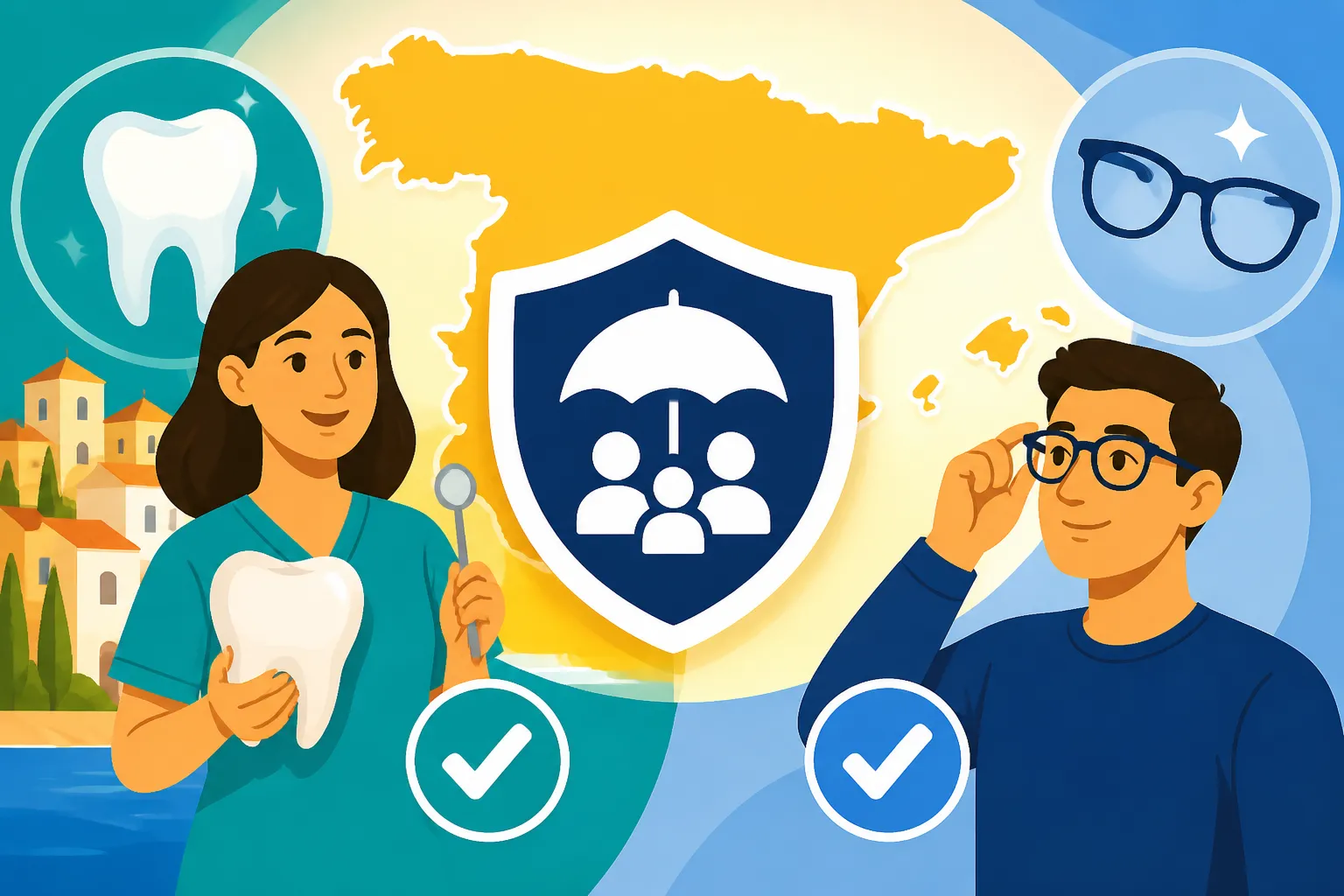
One of the trickiest things about settling into life in Spain, beyond the labyrinthine bureaucracy for residency, is figuring out healthcare for those "extra" bits that don't always fit neatly into the public system. Many expats are caught off guard by the limited coverage for dental and optical care, leaving them scrambling to understand what our insurance actually pays for. This guide will meticulously break down the realities of dental and optical care in Spain and show you how a robust global policy can be your saving grace.
Understanding Dental Care in Spain for Expats
Let's face it, when you first get your Spanish Health Card (Tarjeta Sanitaria), you imagine a comprehensive safety net. For general medical needs, it largely is! But then you get a toothache, or a cracked filling, and suddenly, you're hit with the reality that your sparkling new public health coverage rarely extends to your teeth. It’s a common frustration, and one that many of us have had to navigate firsthand.
Public vs. Private Dental Care: The Stark Reality
The Spanish public healthcare system (Sistema Nacional de Salud) is fantastic for most medical emergencies and general practitioner visits, but its dental provision for adults is, to put it mildly, quite basic. If you have an urgent infection or need a tooth extracted, the centro de salud might handle it or refer you to a public dental service, but don't expect much beyond that. Routine check-ups, cleanings, fillings, root canals, crowns, bridges, and all cosmetic procedures like teeth whitening are almost exclusively handled by private dental clinics.
For children, the situation is a bit better. Public healthcare often provides more extensive dental care for minors, including check-ups, fluoride treatments, and some fillings, depending on the region. However, for adults, the expectation is that dental care is a private expense. This means that without specific private dental coverage, you'll be paying out-of-pocket for pretty much everything. This is where many expats feel the pinch, having come from countries where dental care might be integrated into a national health service or standard private insurance.
Typical Costs for Common Dental Procedures
The costs in private dental clinics across Spain can vary significantly depending on the region (major cities like Madrid or Barcelona tend to be pricier), the clinic's reputation, and the complexity of the procedure. However, it's safe to say that without insurance, these bills can add up quickly.
Here’s a general idea of what you might expect to pay in a private clinic:
- Routine Check-up and Cleaning: €50 – €100
- Filling (composite): €70 – €150 per tooth
- Extraction (simple): €80 – €150
- Root Canal Treatment: €200 – €500 per tooth (excluding crown)
- Dental Crown (porcelain/ceramic): €300 – €600 per crown
- Dental Implant (excluding crown): €700 – €1,500
- Orthodontics (braces/aligners): €2,000 – €5,000+
These figures are just averages, but they highlight why relying solely on the public system for dental needs in Spain isn't feasible for most expats. This is where a robust international health insurance plan becomes not just a convenience, but a financial necessity.
How Global Policies Can Bridge the Gap
This is precisely where a good global health policy steps in to save the day, especially for those navigating the initial years in Spain. Most comprehensive international health insurance plans recognize the limitations of public dental care in many countries and offer specific dental benefits. Some plans include basic dental coverage as standard, while others offer it as an optional add-on, allowing you to tailor your policy to your needs.
For instance, a flexible travel medical insurance like SafetyWing is designed with the unique needs of digital nomads and remote workers in mind, meaning it understands that you might not have access to full public health benefits for everything, particularly dental. While primarily focused on medical emergencies and urgent care, it often includes provisions for acute dental pain relief, which is a lifesaver when you're caught off guard by a sudden toothache. More comprehensive long-term expat health policies available through SafetyWing’s offerings can extend to cover routine dental check-ups, cleanings, and even some major dental work, albeit often with waiting periods and annual limits. It’s crucial to look at the specifics of any policy, but the key takeaway is that these global policies are built to address the gaps you find in local public systems like Spain's. They provide a financial cushion that the centro de salud simply can't offer for your pearly whites.
Navigating Optical Care in Spain as a Foreign Resident
Just like dental care, optical care in Spain often catches expats off guard. You might be used to having your eye exams or even a contribution towards new glasses covered by your national health service or standard private insurance in your home country. Here in Spain, that's generally not the case for most foreign residents, at least not through the public system.
The Public System’s Limited Scope for Eye Care
The public healthcare system in Spain does cover visits to an ophthalmologist (oftalmólogo), which is an eye doctor who specializes in medical and surgical eye conditions. If you have a serious eye condition, an infection, glaucoma, cataracts, or another medical issue affecting your eyes, you'll typically be referred to an ophthalmologist through your GP at the centro de salud. These visits, and any necessary treatments or surgeries for medical conditions, are covered by the public system.
However, routine eye exams to check your vision for glasses or contact lenses, and the cost of the glasses or contact lenses themselves, are almost never covered. This is considered a private expense. So, if your vision is blurry, and you just need new lenses or frames, the public system won't assist. This can be a significant unexpected cost, especially if you need prescription eyewear regularly.
Private Optical Services and Associated Expenses
For all your non-medical eye care needs, you'll head to a private optician (óptica or optometrista). These are ubiquitous in Spanish cities and towns, often looking very stylish and modern. Here, you can get a comprehensive eye exam, choose frames, order prescription lenses, and purchase contact lenses and solutions.
The costs, again, are entirely out-of-pocket without private insurance that specifically includes optical benefits. Here's a rough idea of what you might pay:
- Routine Eye Exam (by optometrist at an óptica): €30 – €60 (sometimes free with purchase of glasses/contacts)
- Prescription Glasses (frames + basic lenses): €80 – €300+ (depending on frame brand, lens type, coatings, etc.)
- Contact Lenses: €20 – €50 per box (monthly lenses, often need multiple boxes per year)
- Prescription Sunglasses: €100 – €400+
While these are manageable expenses for a one-off purchase, they become a recurring cost every few years or annually for contact lens wearers. It's yet another area where expats need to factor in potential costs beyond their regular healthcare budget. This is why having an international plan with optical benefits can make a world of difference.
Maximizing Your Optical Benefits with an International Plan
When you’re relying on your local public system in Spain, optical care (for routine vision needs, not medical issues) is usually a blind spot in terms of coverage. This is where an international health insurance policy can truly shine, giving you peace of mind and cushioning the financial blow of needing new glasses or contacts.
Many global health policies, especially those designed for long-term expats, include optical benefits or offer them as an optional add-on to your core plan. These benefits can range from covering a portion of your annual eye exam to providing a contribution towards the cost of prescription glasses or contact lenses. For example, the expat health insurance options provided by SafetyWing, which are tailored for individuals living abroad long-term, often come with these optical benefits built-in or as an easily selectable upgrade. Imagine not having to sweat the cost of that annual eye check-up or being able to choose those stylish new frames without dreading the total bill!
With a policy like SafetyWing's, you'd typically visit any private óptica for your eye exam and new eyewear, pay out-of-pocket, and then submit a claim for reimbursement. It's a simple process that puts you in control, allowing you to choose your preferred optician rather than being limited to public services. This proactive approach to insurance means you can plan for your optical needs instead of reacting to unexpected expenses, ensuring your vision remains clear without blurring your budget.
Choosing the Right Global Policy for Your Dental and Optical Needs in Spain
When you're navigating the complexities of healthcare in a new country like Spain, it’s easy to focus on the big stuff – hospital visits, doctor appointments – and overlook the day-to-day essentials like dental and optical care. But these are precisely the areas where international health policies truly prove their worth, filling the significant gaps left by the public system. Finding the right policy isn’t about just getting any insurance; it's about finding one that genuinely fits your life and anticipates these common expat needs.
Key Features to Look for in a Policy
Before you sign on the dotted line, take a deep dive into the policy details. It might seem tedious, but it will save you headaches and unexpected bills down the road. Here are the crucial features to scrutinize when evaluating a global health policy, especially for dental and optical care in Spain:
- Deductibles and Co-pays: Understand how much you'll pay out-of-pocket before your insurance kicks in (deductible) and what percentage you'll still be responsible for after the deductible is met (co-pay). Lower deductibles mean higher premiums but less out-of-pocket at the point of service.
- Annual Limits: Dental and optical benefits often have annual maximums. This is the total amount the insurance company will pay for these services within a policy year. Make sure these limits are realistic for your anticipated needs. If you know you'll need extensive dental work, a higher limit is essential.
- Waiting Periods: This is a big one! Many policies have waiting periods for certain benefits, especially major dental work (e.g., 6-12 months for fillings, 12-24 months for crowns or orthodontics). This prevents people from signing up just for expensive procedures and then cancelling. Plan ahead!
- Network Flexibility: Does the policy restrict you to a specific network of providers, or can you visit any licensed dentist or optician in Spain? For dental and optical, having the flexibility to choose a clinic based on reviews, location, or English-speaking staff is a huge plus.
- Types of Coverage: Distinguish between routine, major, and emergency dental coverage. Routine usually includes check-ups and cleanings. Major includes things like root canals, crowns, and implants. Emergency dental only covers sudden, acute pain or accidental damage. For optical, check if it covers routine eye exams, and if it contributes to glasses or contact lenses.
- Claim Process: How easy is it to submit a claim? Is it online? What documentation is required? A streamlined process makes life much easier.
Why SafetyWing Stands Out for Comprehensive Coverage
When we talk about global policies designed for the modern expat, SafetyWing truly shines, particularly when it comes to areas like dental and optical care that often get overlooked in traditional insurance. What makes SafetyWing a standout choice for those living in Spain, especially for digital nomads and long-term residents, is its inherent flexibility and understanding of international living.
While the base travel medical plan, Nomad Insurance, is excellent for unexpected medical emergencies (including some acute dental pain relief), SafetyWing also offers more comprehensive expat health insurance options like Remote Health. This is where you get the robust coverage you need for routine dental and optical. Remote Health isn't just about covering catastrophic events; it's about providing a holistic health safety net that includes those everyday needs.
With Remote Health, you can often find benefits for:
- Routine Dental Care: Annual check-ups, cleanings, and sometimes basic fillings.
- Major Dental Treatment: Contributions towards root canals, extractions, crowns, and other more complex procedures, often after a reasonable waiting period.
- Optical Care: Coverage for annual eye examinations and a contribution towards prescription glasses or contact lenses.
This level of coverage means you’re not caught off guard by the out-of-pocket costs of a cracked tooth or needing new lenses. SafetyWing understands that living abroad means needing access to good quality private care for these services, and their policies reflect that by integrating them directly or offering clear add-on options. This means you can visit any private clinic you prefer in Spain, pay, and then easily claim your reimbursement online. It’s peace of mind, knowing that your health, from your eyes to your teeth, is well looked after, no matter where your Spanish adventure takes you. If you're looking for a policy that truly understands the nuances of expat life and covers those essential "extras," exploring SafetyWing's offerings is an excellent next step.
Practical Steps to Utilize Your Benefits in Spain
Having a global policy like SafetyWing is one thing; knowing how to actually use it in Spain for your dental and optical needs is another. The good news is, it’s generally straightforward once you understand the process.
- Find Your Provider: Spain has an abundance of excellent private dental clinics and ópticas. You don't need a referral from a public GP for these. Many clinics in larger cities or expat-dense areas will have English-speaking staff. You can search online for "dentista inglés Barcelona" or "óptica English-speaking Malaga" or simply use Google Maps and look at reviews. Don't be afraid to visit a few clinics for consultations or price comparisons, especially for bigger dental procedures. You might also ask local expat groups for recommendations.
- Verify Coverage: Before your appointment, it's always a good idea to quickly review your specific SafetyWing policy documents to confirm what exactly is covered for your dental and optical needs, including any deductibles, co-pays, or waiting periods. This prevents surprises.
- Book Your Appointment: You can usually book directly by phone, email, or through the clinic's website. Be upfront if you require an English speaker.
- Attend Your Appointment & Pay: Go to your appointment. For most dental and optical services in Spain, you will pay for the service upfront. Make sure to get a detailed invoice (factura) that clearly itemizes the services received, the cost, and the clinic's details. This is crucial for your claim.
- File Your Claim: This is where your global policy really comes into play. For SafetyWing, you'll typically log into your online portal and submit a claim. You'll need to upload your detailed invoice, potentially your diagnostic reports (like an eye test result or X-ray for dental), and fill out a claim form. The process is usually designed to be intuitive. Keep copies of all documents for your records.
- Reimbursement: Once your claim is processed and approved, the reimbursement will be sent to your nominated bank account.
Remember, the beauty of a comprehensive international policy is the freedom to choose your provider and get the care you need without being tied to a specific network that might not be convenient or English-speaking. It's a key part of making your life in Spain feel more settled and secure. For general health questions, you might still want to know how to book GP appointments in Spain or understand the Spain Healthcare System for Expats: Public vs Private.
Real-World Scenarios and Expert Advice
Living in Spain as an expat means encountering unique situations, especially when it comes to healthcare that falls outside the public system's typical scope. Let's walk through some real-world examples and offer practical advice to help you manage your dental and optical needs effectively. It's about being prepared, not surprised!
Hypothetical Situations and Solutions
Imagine these scenarios, which are all too common for expats in Spain:
Scenario 1: The Sudden Toothache
You're enjoying a lovely tapas dinner, and suddenly, a sharp pain shoots through your molar. It's Friday evening, and your centro de salud is closed.
- Public System Reality: For an adult, public dental is unlikely to help beyond prescribing pain relief, if you can even get to a public urgencias that evening for a general doctor. Most public dental services are only for dire emergencies like severe trauma or life-threatening infections, and often during working hours.
- Global Policy Solution (e.g., SafetyWing): With a policy like SafetyWing's Remote Health, you can find an emergency private dentist, often listed through online directories or expat groups. You'd go, get the immediate pain addressed (e.g., temporary filling, antibiotics for an infection), pay the bill, and then submit a claim for reimbursement. This means you get fast, effective care when you need it most, without waiting through the weekend in agony. Even the travel medical plan, Nomad Insurance, often covers acute dental pain relief, which is a massive relief in such situations.
Scenario 2: Needing New Glasses
Your prescription has changed, or your old frames have seen better days. You just need a routine eye exam and new spectacles.
- Public System Reality: The public system won't cover your eye exam or the cost of new glasses. You'll visit an óptica and pay the full amount out-of-pocket.
- Global Policy Solution (e.g., SafetyWing): If your comprehensive SafetyWing plan (like Remote Health) includes optical benefits, you'd head to any óptica you choose. Get your eye exam, pick out your new frames and lenses, pay, and then submit the detailed factura to SafetyWing for reimbursement, up to your policy's annual limit. This transforms an unexpected expense into a planned one, easing the financial burden.
Scenario 3: Routine Dental Check-up and Cleaning
You just want to keep your oral hygiene in check, as you've always done.
- Public System Reality: You'll need to book an appointment with a private dentist and pay the full fee for the check-up and cleaning.
- Global Policy Solution (e.g., SafetyWing): Many expat health plans, including SafetyWing's Remote Health, cover routine dental check-ups and cleanings. You go to your chosen private dentist, pay for the service, and then file a claim. This encourages proactive health management rather than waiting until a problem becomes an emergency.
Beyond the Basics: Preventive Care and Regular Check-ups
It's tempting to put off dental and optical care when you know it's going to be an out-of-pocket expense. However, regular preventive care is always cheaper in the long run. A routine dental cleaning can prevent cavities and gum disease, saving you from costly root canals or extractions. Similarly, regular eye exams can detect changes in vision or underlying health conditions before they become serious.
Many global policies, specifically the more comprehensive long-term expat plans like those offered by SafetyWing, emphasize preventive care. By covering routine check-ups and cleanings, these plans actually make it easier and more affordable to maintain good health. Don't overlook these benefits – they're designed to keep you healthy and save you money by preventing major issues.
Important Considerations for Long-Term Expats
As a long-term expat in Spain, you'll likely integrate a mix of public and private healthcare. Your public Tarjeta Sanitaria will be invaluable for GP visits, specialist referrals (for general health), and hospital care. However, for those specific areas like routine dental and optical care, a robust private global policy becomes your essential companion.
Consider the following:
- Complementary Coverage: Think of your global policy as complementing, not replacing, your public health access in Spain (if you're eligible for the public system). It fills the gaps that the public system doesn't cover for non-medical reasons.
- Annual Reviews: Review your policy annually. Your needs might change, or the policy terms could be updated. Ensure your coverage still aligns with your dental and optical requirements.
- Language Barrier: While many clinics in tourist areas and big cities have English-speaking staff, learning some basic Spanish Medical Terminology can always be helpful, especially in smaller towns. If you anticipate significant communication challenges, some larger private clinics might offer medical interpreters in Spain.
- Documentation: Always keep meticulous records of all your medical appointments, invoices, and claims. This is good practice for any insurance, but especially vital when you're dealing with international policies and potentially different healthcare systems.
By being proactive and choosing a global policy that prioritizes these often-overlooked aspects of health, you can ensure a smoother, less stressful, and more financially predictable healthcare experience as an expat in Spain.
| Aspect | Public Healthcare (Adults) | Private Healthcare (No Specific Policy) | Global Private Policy (e.g., SafetyWing Remote Health) |
|---|---|---|---|
| Dental Coverage | Limited (basic emergencies, extractions) | Full cost paid out-of-pocket | Comprehensive (routine, major, emergency, subject to limits/waiting periods) |
| Optical Coverage | Limited (medical conditions, referrals to ophthalmologist) | Full cost paid out-of-pocket (exams, glasses, contacts) | Comprehensive (routine eye exams, contribution to glasses/contacts, subject to limits) |
| Provider Choice | Assigned public dental/ophthalmology | Any private dentist/óptica of your choice | Any private dentist/óptica of your choice |
| Typical Costs (Out-of-pocket) | Minimal (mostly emergency only) | €50-€1500+ per procedure (dental), €30-€400+ (optical) | Deductible + Co-pay (if applicable), then reimbursed up to limits |
| Waiting Times | Can be long for public dental referrals | Minimal for private appointments | Minimal for private appointments (but waiting periods for benefits) |
| Language Support | Varies; typically Spanish | Many offer English-speaking staff in expat areas | You choose your provider, often easier to find English-speaking staff |
Disclaimer
Please remember that this information is for general guidance only and is based on typical expat experiences and general policy offerings in Spain. Healthcare regulations and insurance policies can change. Always consult directly with your chosen insurance provider and review your specific policy documents for the most accurate and up-to-date details regarding your coverage. It is also advisable to confirm coverage specifics with your chosen dental or optical clinic before undergoing treatment.