Insuring Children in Spain: Family Plans vs Individual Policies
Disclosure: This article contains affiliate links. If you buy through them, we may earn a commission at no extra cost to you. Read our full disclosure.
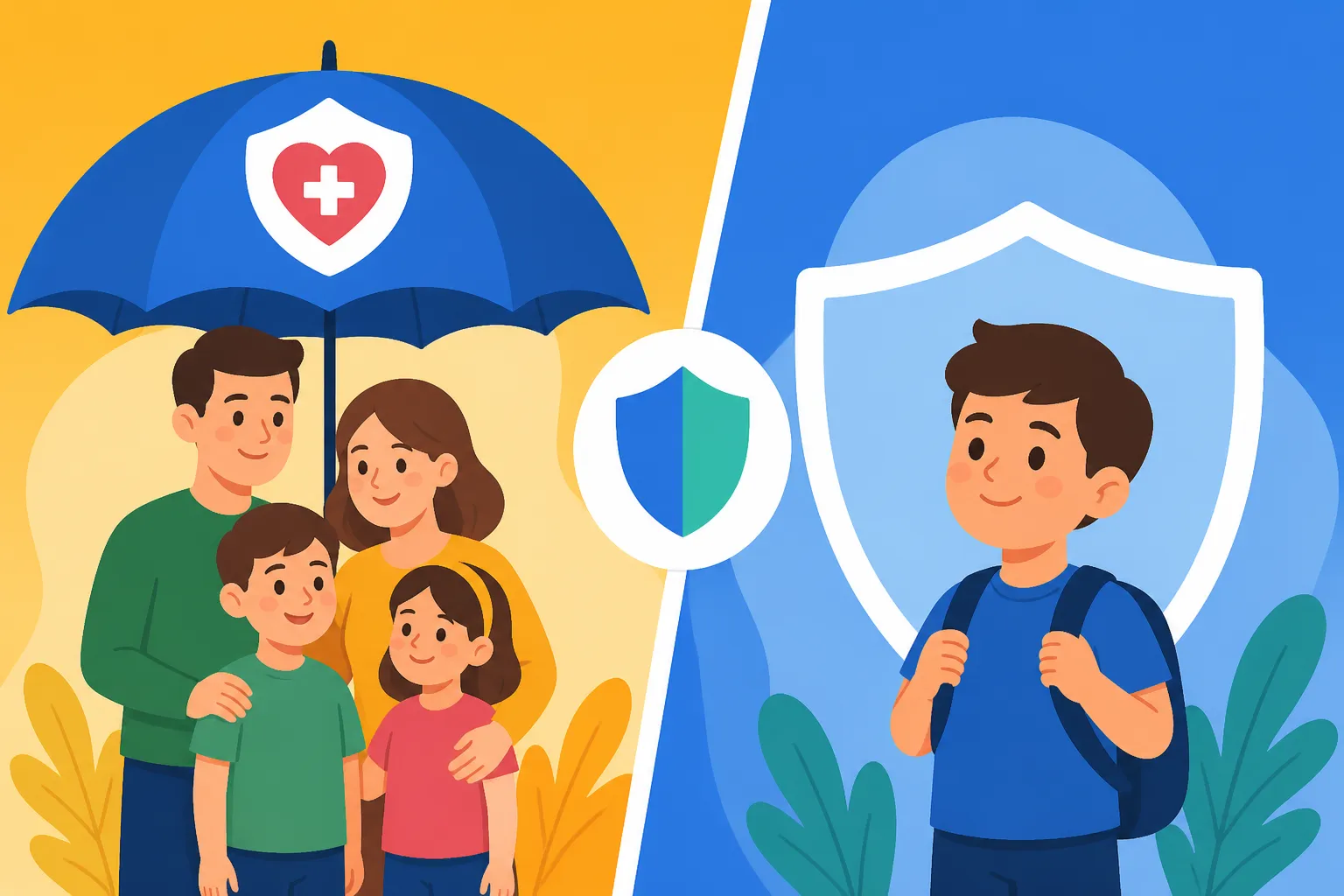
As expat parents in Spain, one of the biggest headaches, beyond battling bureaucracy for your own papers, is making sure your little ones are properly covered if they get sick. It’s not just about finding a doctor; it’s about navigating an entirely new system while worrying about your child’s well-being. This comprehensive guide will walk you through the labyrinth of insuring children in Spain, delving into the pros and cons of family health insurance plans versus individual policies, so you can make an informed decision for your unique family situation.
Understanding Spain's Healthcare System for Families
Moving to Spain, you’ll quickly learn that the healthcare system is a bit of a two-sided coin: public and private. For families, especially those with young children, understanding both sides is absolutely crucial. You want the best for your kids, and that often means exploring all available options, not just settling for the first thing you hear about.
Public Healthcare for Children: What's Covered?
Spain boasts a truly commendable public healthcare system, or Sistema Nacional de Salud (SNS), which is generally accessible to legal residents who contribute to social security. Once you and your family are properly registered, typically by getting your Tarjeta Sanitaria, your children will have access to a local pediatra (pediatrician) at your designated centro de salud. These public pediatricians are excellent for routine check-ups, vaccinations, and common childhood illnesses. They follow the national vaccination schedule rigorously, which is fantastic for peace of mind.
However, the reality for many expat families is that while the public system is comprehensive, it can come with its own set of challenges. Waiting times for non-urgent specialist appointments can be lengthy, sometimes stretching into weeks or even months for certain consultations or diagnostic tests. Imagine your child needing to see a specialist for a recurring issue, and you're told the earliest appointment is two months away. It’s enough to make any parent pull their hair out, especially if you're used to quicker access in your home country. Plus, the language barrier can be a significant hurdle. While many doctors are wonderful, finding one who speaks fluent English, especially outside of major cities, isn't always a guarantee. This can make explaining delicate symptoms or understanding complex diagnoses incredibly stressful when it concerns your child.
Why Consider Private Healthcare for Kids?
This is where private healthcare often enters the picture for expat families. The primary drivers for choosing private insurance are usually speed, choice, and language. With private insurance, you generally get much faster access to general practitioners and specialists. No more agonizing waits; you can often get an appointment within a few days, sometimes even the same day. This can be a game-changer when your child is unwell, and you want answers and treatment sooner rather than later.
Another huge benefit is the ability to choose your own doctors and hospitals from a broader network, including many English-speaking medical professionals. This freedom of choice is invaluable, allowing you to find a pediatrician you truly connect with, who understands your concerns, and who can communicate clearly in a language you’re comfortable with. Many private clinics also offer more flexible appointment times and a generally more streamlined, less crowded experience, which can make visits with children much less stressful. For those families who travel frequently or might eventually move elsewhere, the international coverage often included in private plans, such as those offered by SafetyWing, can be a huge advantage, providing peace of mind no matter where your adventures take you. Having the flexibility to seek medical care outside of Spain, knowing your children are covered, is something many expat parents prioritize.
Navigating the Bureaucracy as a Parent
Let's be honest, bureaucracy in Spain can feel like a full-time job, and adding children to the mix just amplifies it. For public healthcare, you'll need to make sure your empadronamiento is up to date, and then you can usually apply for your Spanish Health Card (Tarjeta Sanitaria) at your local centro de salud. This process involves a fair bit of paperwork, including proof of residency, your NIE, and your social security number. It can be a real challenge to get all the ducks in a row, especially when you're also trying to manage a household and potentially a new job. For comprehensive guidance, check out our post on How to Get a Spanish Health Card (Tarjeta Sanitaria): Step‑by‑Step.
Private insurance, while cutting through some of the public system's red tape, has its own administrative steps. You'll need to research providers, compare plans, and fill out applications. The good news is that many private insurers have English-speaking agents and online portals that simplify the process. They understand that international families need accessible solutions. Still, understanding the intricacies of "co-pays," "deductibles," and "exclusions" in a new language, or even in English but applied to a Spanish system, can be daunting. You want to be absolutely sure your child's specific needs, like pre-existing conditions or ongoing treatments, are covered.
The Nitty-Gritty of Family Health Insurance Plans
When you’re looking into private health insurance in Spain, family plans often seem like the obvious choice. After all, you’re a family unit, so why not get a single policy that covers everyone? On the surface, it makes perfect sense, but as with all things in expat life, the devil is in the details.
What Do Family Plans Typically Include?
A family health insurance plan typically covers all members of your immediate family under one policy, usually including two parents and their dependent children. The coverage scope will vary significantly between providers, but generally, these plans offer:
- Access to general practitioners and specialists: You get to choose from the insurer’s network, often with direct access to specialists without a referral, which is a huge time-saver when you need to see a Pediatric Care in Spain: Choosing a Pediatrician.
- Hospitalization and surgery: This is a core component, covering inpatient stays, surgical procedures, and related medical care.
- Diagnostic tests: X-rays, MRI scans, blood tests, and other diagnostics are usually included.
- Emergency care: Coverage for urgent situations, although it’s always wise to understand the specific protocols for Emergency Healthcare in Spain: 112, Urgent Care, and What to Expect with your chosen insurer.
- Maternity care: If you're planning on expanding your family, maternity benefits are often a crucial part of a family plan, though waiting periods usually apply.
- Dental and vision: Sometimes these are included as basic coverage, or available as add-on modules.
- International coverage: Many plans popular with expats, like those offering travel medical insurance, or comprehensive health policies from providers such as SafetyWing, often include provisions for emergency medical care outside of Spain. This is incredibly valuable for families who travel frequently for holidays or to visit family back home, ensuring that a sudden illness or accident abroad doesn’t become a financial disaster.
The benefit of having everyone on one plan is often the simplicity of administration and sometimes, a slight cost saving compared to purchasing multiple individual policies.
Pros and Cons of Opting for a Family Policy
Let’s talk turkey about the ups and downs.
Pros:
- Administrative Ease: One policy, one renewal date, one point of contact. This can drastically reduce the administrative burden, which is a blessing for busy expat parents already juggling so much. Imagine not having to keep track of multiple policy numbers or separate paperwork for each child.
- Potential Cost Savings: Many insurers offer a discount when you bundle multiple family members onto a single plan. While not always the case, it's a common incentive that can make family plans more appealing from a budgeting perspective.
- Consistent Coverage: Everyone generally receives the same level of benefits, meaning no child is left with lesser coverage than another, which brings a degree of fairness and predictability.
- Convenience for Appointments: Often, if you're seeing a family doctor, having everyone under one policy can simplify booking and record-keeping, especially if you have an appointment for yourself and a child on the same day.
Cons:
- Less Customization: This is the biggest drawback. A family plan might be a "one-size-fits-all" solution that doesn't perfectly fit every individual's unique health needs. If one child has specific ongoing medical requirements that differ greatly from another, a generic family plan might not offer the tailored coverage you desire without expensive add-ons.
- Pricing for Diverse Needs: If you have, say, a very healthy parent and child, but another child with significant pre-existing conditions, the premium for the entire family might be driven up by the cost of covering the highest-risk individual. This can make the overall plan less cost-effective for the healthier members.
- All or Nothing: If you decide to switch insurers, you usually have to move the entire family. This can be restrictive if you find a better individual deal for one member but want to keep the existing coverage for others.
- Risk of Price Hikes: Renewal prices are based on the entire family's claims history. A few unlucky years of high medical expenses for one family member could lead to a significant premium increase for everyone.
Common Exclusions and Fine Print to Watch Out For
Before you sign on the dotted line, you absolutely must scrutinize the fine print of any family policy. Insurers are businesses, and they have terms and conditions. Here are some common areas where you need to be particularly vigilant:
- Waiting Periods: Almost all private health insurance policies in Spain impose waiting periods for certain treatments, especially for more expensive procedures, maternity care, and pre-existing conditions. For children, this is vital. If your child has a known condition, ensure it's covered and understand how long you need to wait before treatment can commence.
- Pre-existing Conditions: This is a huge one. Many policies will either exclude pre-existing conditions entirely or apply significant waiting periods and surcharges. If your child has a chronic illness or any medical history that might be considered "pre-existing," declare it transparently and understand the implications fully.
- Geographic Coverage: Check if the policy only covers Spain or if it includes international coverage, which is a major benefit offered by flexible plans like SafetyWing. This is especially important for expat families who frequently travel. Does it cover emergencies when you're visiting family back home? What about routine care if you're temporarily living in another country? These details matter.
- Co-payments (Co-pagos): Many plans in Spain come with co-payments, which are small fees you pay for each visit or service. While they keep monthly premiums lower, they can add up quickly, especially with children who might have frequent doctor visits. Understand the co-payment structure and how it impacts your Health Costs in Spain: Typical Co‑Pays and Out‑of‑Pocket Fees.
- Limits and Sub-limits: Look for annual or lifetime limits on certain treatments or types of care. Some policies might have a generous overall limit but a much smaller sub-limit for things like psychological therapy or specific types of rehabilitation.
- Network Restrictions: Ensure the hospital and doctor network aligns with your preferences, especially if you have specific pediatricians or clinics in mind. Some policies restrict you to a very specific list of providers, while others offer more flexibility.
Reading these documents can feel like a chore, but it’s critical for your family’s financial and medical security. Don't be afraid to ask for clarification on anything you don't understand, preferably in writing.
Exploring Individual Health Insurance Policies for Children
While family plans offer convenience, there are very real scenarios where an individual policy for your child (or children) might actually be a smarter, more tailored approach. It allows for a degree of flexibility and specificity that a broad family plan sometimes can't match.
When an Individual Child Policy Makes Sense
You might think individual policies are just for adults, but they absolutely have their place for children too, particularly in certain family dynamics or situations.
- Differing Health Needs: Imagine you have three children. One has a chronic condition requiring specific, ongoing specialist care and therapies. Another is generally healthy, only needing routine check-ups. The third has a minor allergy that might need occasional consultations. A single family plan might not adequately or cost-effectively cover the child with the chronic condition without driving up the premium for the healthier siblings. With individual policies, you could get a highly specialized plan for the child with complex needs and a more basic, cost-effective plan for the healthier ones.
- Parents with Public Healthcare: Perhaps you and your partner are fully integrated into Spain's public system and are perfectly happy with your care. However, you might want faster access to pediatricians and specialists for your children, or peace of mind regarding English-speaking doctors. In this scenario, purchasing individual private policies just for your kids makes perfect sense. It complements your public coverage without you having to double-insure yourselves unnecessarily.
- Digital Nomad or Frequent Traveler Families: If your family's lifestyle involves a lot of international travel, or you're digital nomads constantly on the move, flexibility is paramount. A plan like SafetyWing, which operates more like travel medical insurance but can be extended for long periods and includes home country coverage for certain scenarios, might be ideal. You could have a base policy for your children that covers them wherever you are, or complement it with a local individual plan in Spain. This ensures seamless coverage, whether you’re exploring the Canary Islands or visiting grandparents in another continent.
- Budgeting Flexibility: Sometimes, it comes down to managing the monthly outflow. If a family plan feels too expensive, breaking it down into individual costs might allow you to stretch your budget further, perhaps by choosing different levels of coverage for each family member based on perceived risk or need.
Advantages and Disadvantages of Standalone Coverage
Just like family plans, individual policies for children come with their own set of pros and cons.
Advantages:
- Tailored Coverage: This is the strongest argument. You can literally build a policy around a child's specific medical history, current needs, and potential future requirements. Does your child need extensive physiotherapy? You can ensure that module is robust. Do they have excellent health? A more basic plan might suffice. This level of customization ensures you're not paying for coverage you don't need, or conversely, that you're not underinsured for critical issues.
- Cost Efficiency (in certain cases): As mentioned, if one family member has very high-cost needs, separating them onto an individual plan might prevent their higher premium from inflating the entire family's cost. You could then find more competitive rates for the other, healthier individuals.
- Independent Renewal and Portability: Each policy renews independently. This means if you find a better deal for one child, you can switch their policy without affecting the others. It also offers more flexibility if children move away for university or eventually become financially independent; their policy can simply be converted or transferred.
- "Top-Up" for Public System Users: For families who primarily use the public system but want a safety net for quick specialist access or specific treatments for their kids, an individual private policy acts as an excellent "top-up," providing the best of both worlds without paying for full family private coverage.
Disadvantages:
- Increased Administrative Load: Managing multiple individual policies means more paperwork, more renewal dates to track, and potentially multiple points of contact with different insurers. For busy parents, this can feel like an extra burden.
- Potentially Higher Overall Cost: While individual policies can be cost-effective for differing needs, if all your children have similar, relatively low-risk profiles, a family plan might still offer a better bundled rate. You need to do the math carefully.
- Coordination Challenges: If different children have different insurers or different levels of coverage, coordinating care, especially if multiple children are ill simultaneously or need to see the same specialist, can become more complex.
- No Family-Wide Deductible/Out-of-Pocket Max: Some family plans offer a family-wide deductible or out-of-pocket maximum, meaning once the family collectively hits that limit, subsequent covered expenses are fully paid. Individual policies won't have this shared benefit, meaning each child's deductible/max needs to be met individually.
Comparing Costs and Coverage: Individual vs. Family
The decision between individual and family plans ultimately boils down to a thorough comparison of costs versus the scope of coverage you need for each child.
Cost Factors:
- Premiums: Get quotes for both options. Don't just look at the total family plan premium; ask for individual quotes for each child and then sum them up. You might be surprised.
- Co-payments: Factor in the co-payments per visit or service. If your children are frequently at the doctor, even small co-pays can accumulate quickly, so a plan with higher premiums but zero or very low co-pays might be more economical in the long run.
- Deductibles: Understand if there's a deductible (the amount you pay out-of-pocket before insurance kicks in) and whether it applies per person or per family.
- Age and Health of Children: Younger, healthier children generally have lower individual premiums. As they get older or if they develop health issues, premiums can increase.
- Add-ons: Any extra coverage for dental, vision, or specific therapies will add to the cost, whether it’s a family or individual plan.
Coverage Factors:
- Specific Medical Needs: Does the plan offer comprehensive coverage for any specific conditions your child has? This is where individual customization often shines.
- Provider Network: Does the plan give you access to the doctors and hospitals you want? Do they offer How to Find an English‑Speaking Doctor in Spain (Practical Guide)?
- International Travel: For expat families, international coverage is a significant point. SafetyWing, for example, offers global coverage that can be invaluable for children traveling with their parents. They truly understand the nomadic lifestyle and the need for continuous, flexible protection.
- Waiting Periods: Always check these, especially for new conditions or if you're switching from public to private.
To help visualize, here’s a simple table comparing the general characteristics:
| Feature | Family Health Insurance Plan | Individual Child Health Insurance Policy |
|---|---|---|
| Administrative Burden | Lower (one policy, one payment) | Higher (multiple policies, separate management) |
| Cost Savings Potential | Often offers bundled discounts | Potentially lower for differing needs, higher for similar low-risk children |
| Customization | Limited, "one-size-fits-all" | High, tailored to each child's needs |
| Flexibility to Switch | Low (must move entire family) | High (can switch individual child's policy) |
| Pre-existing Conditions | Can impact entire family premium | Affects only the individual child's policy |
| International Coverage | Varies, often included in expat-focused plans like SafetyWing | Varies, check for global options |
| Bureaucracy | One application, but can be complex | Multiple applications, but each simpler |
Key Considerations When Choosing an Insurance Plan for Your Kids
Choosing the right health insurance for your children in Spain isn't a decision to take lightly. It impacts their health, your finances, and your peace of mind. Beyond the family vs. individual debate, several critical factors should guide your choice.
Coverage Scope: Local vs. International Benefits
For expat families, this is often one of the most significant differentiators between policies.
- Local Coverage: A purely local Spanish health insurance policy will cover your children for medical treatment within Spain, typically within a specific network of doctors and hospitals. This is excellent if you plan to stay in Spain long-term and rarely travel outside the country. It ensures your children have access to local pediatricians, specialists, and emergency care right where you live. However, if your child becomes ill while visiting relatives back home or on a family holiday to Portugal, for instance, a purely local policy won't help you. You'd be relying on travel insurance, or paying out of pocket.
- International Coverage: This is where many expat-friendly providers, especially those catering to a mobile lifestyle like SafetyWing, shine. An international health insurance plan provides coverage not just in Spain, but often globally. This means if your child falls ill while traveling in France, or needs emergency treatment during a visit to your home country, they are covered. For families who frequently travel, or for digital nomads whose "home base" might shift, this is an indispensable feature. The peace of mind knowing your children are protected no matter where they are in the world is truly invaluable. However, always check the specifics:
- "Home Country" coverage: Does it cover short visits back to your passport country?
- Emergency vs. Routine: Is it only for emergencies outside Spain, or does it cover routine care too?
- Network: Does it provide access to a network of providers abroad, or is it reimbursement-based?
When you’re Choosing a Private Health Insurer in Spain: What to Compare, the international element should be high on your list if travel is part of your family’s life.
Cost Factors: Premiums, Co-pays, and Deductibles
Understanding the financial structure of a health insurance policy is paramount. It’s not just about the monthly premium; it's about the total potential out-of-pocket costs.
- Premiums: This is your regular, recurring payment. It's the most obvious cost, and typically, lower premiums mean higher co-pays or deductibles elsewhere.
- Co-payments (Co-pagos): These are fixed fees you pay for specific medical services, like a doctor's visit, a specialist consultation, or a diagnostic test. For instance, a policy might have a €10 co-pay for a pediatrician visit. If your child is prone to ear infections and sees the doctor frequently, those €10 fees can quickly add up. Some plans have zero co-pays but higher premiums; others have high co-pays and lower premiums. You need to assess your family's likely usage.
- Deductibles: This is the amount you have to pay out of your own pocket before your insurance company starts paying for covered medical expenses. For example, if you have a €500 deductible, you'd pay the first €500 of eligible medical costs in a policy year, and then the insurer pays the rest (up to policy limits). Some policies have no deductible, which means the insurer starts paying from the first euro of covered costs. High deductibles typically mean lower premiums, making them suitable for families who anticipate minimal medical expenses and want to save on monthly costs but are prepared to pay a lump sum if a major incident occurs.
Always ask for a clear breakdown of all potential costs, not just the monthly premium. Don't be shy about running hypothetical scenarios: "What if my child needs to see a specialist every month?" or "What if they break a bone and need surgery?"
Language Barriers and Provider Networks
Moving to Spain and not being fluent in Spanish is a common reality for many expats, and this is where language support in healthcare becomes critical, especially when discussing your child's health.
- English-Speaking Providers: Many private health insurance providers in Spain cater to the international community and have networks that include English-speaking doctors, specialists, and even entire clinics. This is a huge comfort for expat parents. You want to be able to fully understand a diagnosis, treatment plan, and ask questions without a language barrier adding to your stress. Make sure your chosen insurer can provide a list of English-speaking pediatricians and relevant specialists in your area.
- Provider Network (Cuadro Médico): Each private insurer has a network of approved doctors, hospitals, and clinics, known as their cuadro médico. You need to check if this network is robust in your specific area and includes the types of specialists your children might need. Does it include reputable pediatric hospitals or clinics? Are there enough choices of pediatricians, or just one or two distant options? Some policies offer "reimbursement" where you can see any doctor you choose, pay upfront, and then claim a percentage back from the insurer. This offers maximum flexibility but requires more upfront payment and paperwork.
- Customer Service Language Support: Beyond the doctors, how easy is it to communicate with the insurance company itself? Do they have English-speaking customer service lines, online portals, or apps? This can make a huge difference when you need to book an appointment, understand a bill, or file a claim.
Flexibility for Travelers and Digital Nomads
For families living a truly international life, whether traveling for work, pleasure, or embracing the digital nomad lifestyle, traditional insurance models can be incredibly rigid. This is precisely why flexible solutions have become so popular.
- Continuity of Coverage: If you’re often moving between countries, or even just spending extended periods outside Spain, having an insurance plan that provides continuous coverage without interruption is vital. You don't want gaps in protection, especially for children.
- Ease of Management: Managing insurance across multiple countries or having to switch policies every few months is a nightmare. Solutions designed for global citizens, like SafetyWing, offer straightforward online management, allowing you to extend coverage, manage claims, and access policy details from anywhere in the world. This is not just a convenience; it’s a necessity for those who value geographical freedom.
- Emergency Repatriation/Evacuation: For serious medical emergencies abroad, especially in places with less advanced healthcare, international plans often include benefits for medical evacuation or repatriation back to a high-quality medical facility or even your home country. This is an incredibly important safety net for families, often overlooked until a crisis hits.
- Home Country Coverage: Some international policies, including certain SafetyWing plans, even offer limited coverage in your country of citizenship for a certain period, which can be a relief when you’re visiting family. This avoids the need for separate travel insurance for every short trip home.
This level of flexibility is often what sets truly expat-friendly plans apart. They recognize that an expat family's needs extend far beyond Spain's borders.
Making the Right Choice for Your Family's Needs
Deciding on the best health insurance for your children is a deeply personal decision, influenced by your family's unique circumstances, financial situation, and future plans. There's no single "best" answer, but by carefully weighing all factors, you can make the most informed choice.
Assessing Your Family's Health Needs and Future Plans
Before you even start looking at policies, take a moment to honestly assess your family's health profile and what the coming years might hold.
- Current Health Status: Do any of your children have pre-existing conditions, chronic illnesses, or ongoing therapy needs? These will heavily influence which policies are suitable and their cost. Be prepared to provide detailed medical history for each child.
- Anticipated Needs: Are your children at an age where they're prone to frequent accidents or illnesses (e.g., toddlers in daycare)? Are they involved in high-impact sports? Do you plan to expand your family in the near future (maternity coverage)? Understanding your likely usage will help you select appropriate levels of coverage and evaluate the impact of co-pays.
- Travel Habits: How often do you travel outside Spain with your children? Do you frequently visit your home country or other destinations? If so, robust international coverage is a must. If you’re looking for comprehensive international coverage that travels with you, SafetyWing is built for exactly this kind of mobile lifestyle, offering peace of mind across borders.
- Long-Term Residency vs. Mobility: Do you envision your family staying in Spain indefinitely, or is there a strong possibility of moving to another country in a few years? If mobility is high on your agenda, a flexible, internationally recognized policy will serve you better than one strictly tied to the Spanish system.
- Language Comfort: How comfortable are you dealing with medical situations in Spanish? If the language barrier is a significant concern, prioritize plans with extensive English-speaking networks and customer support.
Take some time to really sit down with your partner and discuss these points. It’s a foundational step to ensure you don’t overpay for things you don’t need, or worse, find yourselves underinsured when it matters most.
Balancing Cost, Convenience, and Comprehensive Care
The eternal triangle of insurance: you rarely get all three perfectly, so it's about finding your family's sweet spot.
- Cost: While nobody wants to break the bank, skimping too much on health insurance can be a false economy. Balance monthly premiums with potential out-of-pocket costs (co-pays, deductibles). A slightly higher premium might save you a lot if your child needs frequent specialist care. Look into what "extras" are included, like wellness programs or dental coverage, and decide if they justify the cost.
- Convenience: For busy expat parents, convenience often translates to peace of mind. This means easy access to doctors (without long waits), a good network of local providers (especially pediatricians), English-speaking staff, and efficient claims processing. The ability to manage your policy online or via an app, like with many modern insurers including SafetyWing, significantly adds to convenience. Imagine needing to schedule an urgent appointment for your child and being able to do it via your phone in minutes, rather than navigating a phone tree in Spanish or waiting on hold.
- Comprehensive Care: This refers to the breadth and depth of the coverage. Does it cover major illnesses, surgeries, and long-term conditions? What about mental health support for children, which is increasingly important? Are alternative therapies (if you use them) included? Ensure the policy’s limits are sufficient for potential catastrophic events, not just routine care. For children, it’s also important to check Child Vaccination Schedule in Spain: A High‑Level Overview and whether it’s fully covered.
Sometimes, a hybrid approach might be best: relying on the public system for very basic needs (if eligible) and using a private plan as a robust backup for specialists, emergencies, and international travel.
Navigating the Application Process
Once you’ve done your homework and narrowed down your options, it's time for the application. This can be another point of frustration for expats, but with preparation, it doesn't have to be a nightmare.
- Gather Documents: You'll typically need your NIE/TIE, empadronamiento (proof of address), passport, and potentially bank details for direct debit payments. For your children, you’ll need their identification and potentially birth certificates.
- Medical Questionnaires: Be prepared to fill out detailed medical questionnaires for each family member. Be completely honest and thorough. Failing to disclose pre-existing conditions can lead to claims being denied later, which is the last thing you want when your child needs care.
- Compare Quotes Thoroughly: Don't just pick the cheapest option. Get detailed quotes from at least 2-3 different reputable insurers. Look beyond the headline premium and compare the full terms: waiting periods, co-pays, deductibles, exclusions, and network specifics. Our guide on Private Health Insurance for Spain Visas: What Policies Must Include can also offer useful criteria for comparison.
- Seek Clarification: If any terms are unclear, ask. Don't assume. Get answers in writing if possible. Many insurers have dedicated expat support teams who are used to these questions.
- Consider Global Solutions: For those valuing utmost flexibility and global reach, a policy from SafetyWing can be an excellent choice. Their application process is designed for a global clientele, often being entirely online and streamlined, reflecting their understanding of the modern expat and digital nomad family. They prioritize making health insurance accessible and straightforward, freeing you up to focus on your family, not paperwork. Whether you're planning on staying in Spain for a while or might be on the move, SafetyWing offers adaptable plans that cater to the evolving needs of expat families.
Insuring your children in Spain is a foundational step in building a stable life here. By carefully considering the nuances between family and individual plans, scrutinizing the fine print, and thinking about your family’s unique needs and future aspirations, you can make a choice that truly offers peace of mind. Take your time, ask questions, and secure the best possible health coverage for your little ones.
Disclaimer
The information provided in this article is intended for general guidance only and does not constitute professional financial, legal, or medical advice. Healthcare regulations, insurance policies, and eligibility criteria in Spain can change frequently and may vary by region. Always consult with a qualified insurance broker, legal professional, or healthcare expert to obtain advice tailored to your specific situation before making any decisions regarding health insurance or healthcare in Spain.