Scooter and Motorbike Rentals in Spain: Why Travel Policies Often Won’t Pay
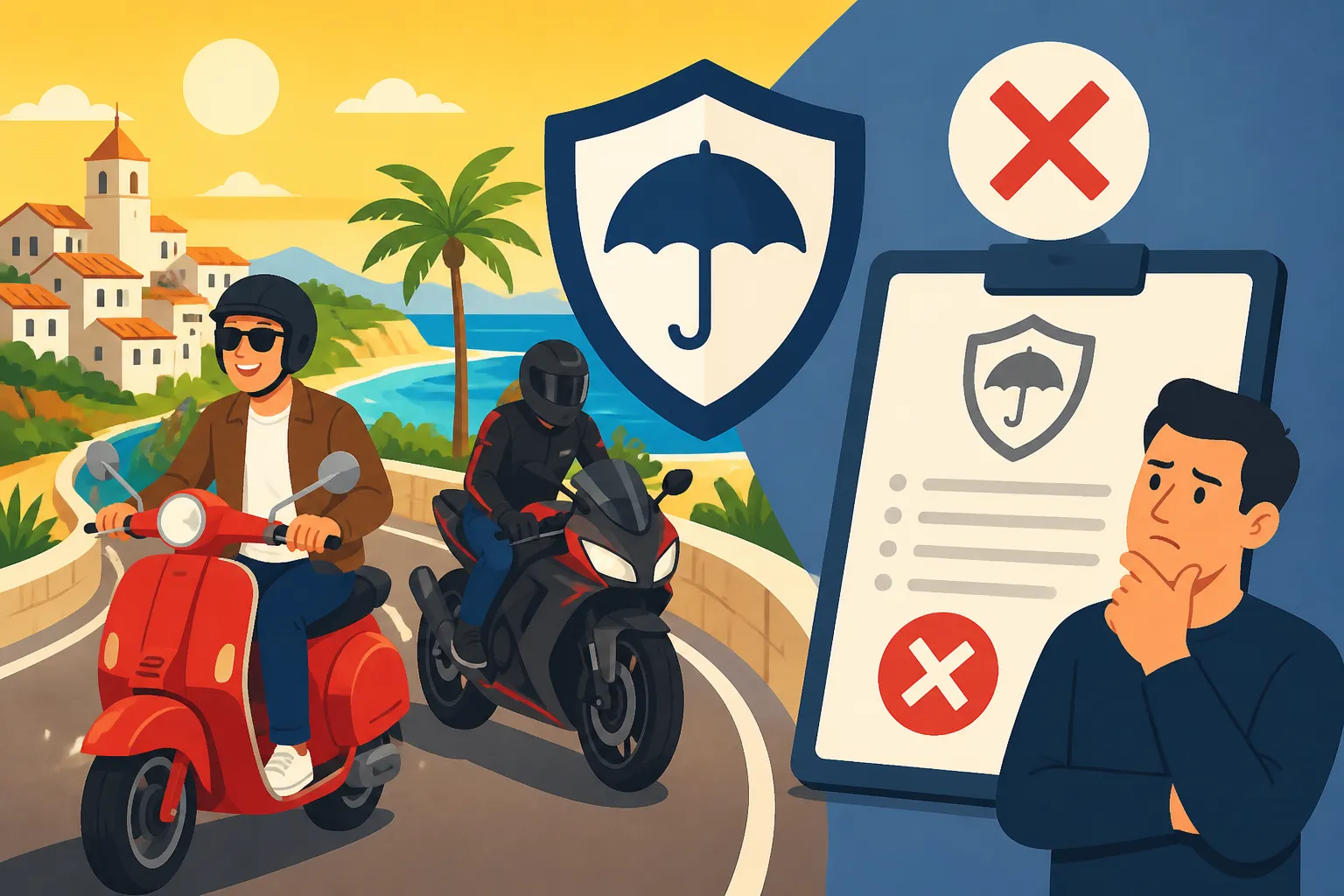
Ah, the romance of zipping through a Spanish city on a scooter or feeling the wind on your face as you explore the coastline on a motorbike! It's an image many of us expats and tourists dream of, a true taste of freedom in this beautiful country. But let me tell you, that dream can turn into a financial nightmare if you're not armed with the right travel insurance. Many policies, the very ones you thought would protect you, have a nasty habit of saying "adiós" to claims involving two-wheeled rentals, leaving you stranded with eye-watering medical bills and repair costs. This guide is here to unpick that often-confusing reality and introduce you to a solution that actually has your back: SafetyWing.
Disclosure: This post may contain affiliate links. We may earn a commission at no extra cost to you if you make a purchase through these links. Read full disclosure.
The Allure of Two Wheels in Spain and the Hidden Risks
There’s something undeniably captivating about renting a scooter or motorbike in Spain. The idea of weaving through narrow cobblestone streets, parking with ease in bustling cities like Barcelona or Seville, or cruising along the winding roads of Mallorca or the Costa del Sol. It paints a picture of unparalleled freedom and adventure that a car just can't quite capture. Many of us arrive, fall in love with the idea, and rush to the nearest rental shop, thinking our standard travel insurance will cover any bumps in the road. Oh, how I wish that were true for everyone.
The Romance of the Open Road vs. Reality
I’ve seen it countless times – expats, myself included in my younger, more naive days, getting swept up in the Spanish lifestyle. The sun is shining, the sangria is flowing, and suddenly, that 125cc scooter looks like the perfect way to explore a hidden cove or beat the afternoon traffic. The rental process often seems straightforward: flash your ID, sign a form, and off you go. But what many don't realize is that beneath that veneer of simplicity lies a complex web of insurance exclusions and legal requirements that can quickly turn a picturesque ride into a catastrophic financial burden.
The reality of Spanish roads, especially in tourist hotspots or larger cities like Madrid, can be a steep learning curve. The traffic can be intense, the parking rules confusing, and local drivers often have a more assertive style than what you might be used to. Add to that the less-than-perfect road surfaces you sometimes find outside the main arteries, and you've got a recipe for potential trouble. It's not about being a bad driver; it's about acknowledging the inherent risks that come with riding a motorbike in an unfamiliar environment, and ensuring you’re adequately prepared for them.
Common Misconceptions About Rental Insurance
One of the biggest pitfalls I've observed is the assumption that your existing comprehensive travel insurance or the basic insurance offered by the rental company will simply cover everything. This is a massive misconception. Let's break it down:
- Rental Company Insurance is Basic: When you rent a scooter, the rental company (like a popular chain such as Cooltra or smaller local outfits) will provide some form of insurance, usually basic third-party liability. This is legally mandatory in Spain, meaning it covers damage you cause to other vehicles or property, and injury to third parties. Crucially, it rarely covers damage to their scooter (unless you pay for an extra Collision Damage Waiver, or CDW) and almost never covers your own medical expenses or injuries if you’re at fault, or even if you’re not. You might be responsible for a hefty deductible, or franquicia, before their policy kicks in for the bike itself.
- Standard Travel Insurance Exclusions: Most generic travel insurance policies are designed for typical holiday activities. They often have specific clauses excluding "hazardous activities," which can include motorbiking, especially if the engine size exceeds a certain limit (often 50cc, 125cc, or even 250cc, depending on the policy). Furthermore, they almost always require you to be properly licensed in the country of rental and to adhere to all local laws (like wearing a helmet). Fail any of these, and your policy is usually instantly void. This is where many expats get caught out, because they assume their policy is broad enough, but the fine print says otherwise.
This gap is precisely why a robust solution is so critical. You need something that understands the unique needs of a traveler, especially one exploring Spain on two wheels, and that's where a specialist provider like SafetyWing truly shines.
Why Most Travel Insurance Policies Say "¡Adiós!" to Motorbike Accidents
It's a harsh reality, but the majority of conventional travel insurance policies are simply not set up to cover the risks associated with scooter and motorbike rentals in Spain. They view these activities through a very conservative lens, often classifying them as inherently high-risk. This isn't about being unadventurous; it's about understanding the financial mechanisms at play and protecting yourself.
The Devil is in the Details: Exclusions You Need to Know
When you delve into the labyrinthine policy documents of many travel insurers, you’ll quickly hit a wall of exclusions. These aren't hidden in secret codes; they're usually there in plain English (or Spanish, if you're lucky!). Here are some of the most common ones that will leave you high and dry:
- Engine Size Limits: This is perhaps the most frequent culprit. Many policies will explicitly state they won't cover incidents involving motorbikes or scooters over a certain engine capacity – say, 50cc, 125cc, or sometimes even 250cc. In Spain, 125cc scooters are incredibly popular for rentals because they can be ridden with a standard B (car) license if you've held it for at least three years and are over 21. If your policy has a 50cc limit, that popular 125cc rental instantly puts you out of coverage.
- Unlicensed Riding: You absolutely must have the correct and valid license for the vehicle you are riding in Spain. For a 50cc scooter (moped), a moped license or any car license is usually sufficient. For a 125cc scooter, you need a B license held for at least three years if you're over 21, or an A1 motorbike license. For larger bikes, an A2 or A license is required. If you ride without the correct license, or if your license is expired, invalid, or not recognized in Spain, your insurance will be worthless. This isn't just a travel insurance exclusion; it's a legal requirement that, if breached, voids virtually all coverage.
- Helmet Laws and Other Safety Gear: Spain has strict helmet laws – it's mandatory for both rider and passenger, always. Some policies might also have clauses about other safety gear. If you’re found to not be wearing a helmet at the time of an accident, your insurer will use this as grounds to deny your claim. It's a no-brainer for safety anyway, but legally and financially, it's non-negotiable.
- "Hazardous Activities" Clause: Many insurers lump motorbiking into a broad category of "hazardous activities" which they either exclude entirely or only cover if you pay an additional premium and explicitly declare it. This can also extend to racing, off-road riding, or other high-risk scenarios, even if you just happen to fall in a slightly more challenging area.
Imagine this: you're cruising through the picturesque Sierra de Grazalema, the wind in your hair on a 150cc motorbike. You misjudge a turn, or a patch of gravel, and suddenly you’re on the ground, with a broken arm and a damaged bike. If your standard travel policy only covers up to 125cc, you’re looking at full out-of-pocket costs for your emergency medical treatment in Spain, plus the bike repairs. It's a terrifying thought, but it's a very real scenario. This is why having comprehensive coverage, like that offered by SafetyWing, which is designed with these activities in mind, is an absolute game-changer.
Understanding Different Levels of Coverage (and Their Gaps)
Navigating the murky waters of insurance can feel like trying to translate Spanish legal jargon after a couple of cañas. Let's clarify the types of coverage you might encounter when renting a scooter or motorbike in Spain, and where the crucial gaps often lie:
- Third-Party Liability (Mandatory): This is the basic, non-negotiable insurance provided by the rental company. It covers others – their property, their vehicle, their injuries – if you cause an accident. It does not cover damage to your rental scooter or your own medical expenses.
- Collision Damage Waiver (CDW) / Theft Protection: Often offered as an optional extra by rental companies. CDW typically covers damage to the rental scooter itself, usually with a high deductible (the franquicia) that you're still liable for. Theft protection covers the cost of the bike if it's stolen. These are good for the bike, but still leave you personally exposed.
- Personal Accident Insurance (PAI): Sometimes an optional add-on from the rental company, this might offer limited coverage for your own injuries or even death in an accident. However, the limits are often low, and it might not cover all types of medical treatment or long-term care, especially after you leave the immediate emergency situation.
The most significant and often overlooked gap is the coverage for your own personal injuries and medical treatment. While Spain has an excellent public healthcare system, if you’re not registered or don’t have an EHIC (for EU citizens) or comprehensive private insurance, you could face substantial bills, particularly in private clinics or for follow-up care. Rental company PAI is often insufficient. This is where a dedicated travel insurance like SafetyWing truly comes into its own, providing a safety net for those personal medical costs that neither the rental company nor many standard travel policies will touch. For more details on what to expect for your personal health, check out our guide on the Spain Healthcare System for Expats: Public vs Private.
Navigating Rental Agreements and Local Laws in Spain
Before you even think about putting on that helmet, you need to understand the nitty-gritty of rental agreements and, more importantly, the specific laws governing two-wheeled vehicles in Spain. Ignoring these can lead to more than just an insurance headache; we're talking fines, legal troubles, and complete abandonment by any insurer.
What to Look for in Your Rental Contract
That stack of papers they hand you at the rental desk might look daunting, especially if your Spanish isn’t fluent. But trust me, reading it carefully – or having a Spanish-speaking friend review it – is paramount. Don’t let the excitement of your adventure overshadow due diligence.
Here’s what you absolutely must scrutinize in your scooter or motorbike rental contract in Spain:
- Deductible (Franquicia) Amount: This is the most crucial financial detail. It’s the amount you are personally liable for in case of damage or theft before the rental company's insurance (if you bought extra CDW) kicks in. These can be surprisingly high, often ranging from €500 to €2,000 or more. Make sure you know exactly what this number is. If you drop the scooter and it costs €800 to fix, and your deductible is €1000, you’re paying the whole €800.
- Fuel Policy: Most rentals will be "full-to-full" or "same-level-to-same-level." Be clear on this to avoid surprise charges when you return the vehicle.
- Damage Inspection: Before you even start the engine, meticulously inspect the scooter for any existing scratches, dents, or damage. Take photos or a video from all angles. Point out every single imperfection to the rental agent and ensure it's noted on the contract. This protects you from being charged for pre-existing damage upon return.
- Emergency Contact Information: Make sure you have clear instructions on what to do in case of an accident or breakdown, including emergency phone numbers for the rental company and local police/emergency services (112).
- Terms and Conditions on Use: Check for clauses that restrict where you can ride (e.g., no off-roading), who can ride (only named drivers), and what invalidates the contract (e.g., riding under the influence, without a helmet).
- Personal Injury Coverage: Directly ask, "Does this rental insurance cover my own medical expenses if I have an accident?" The answer will almost certainly be "no" or "very limited." This reinforces the need for your own personal travel medical insurance, like the comprehensive Nomad Insurance from SafetyWing.
Spanish Road Rules, Licensing, and Helmet Laws
Spain takes road safety seriously, and rightfully so. Not only are these rules about preventing accidents, but adhering to them is also critical for maintaining any insurance coverage you do have. Break a rule, and you've given your insurer an easy out.
- Licensing:
- 50cc Scooters (Ciclomotor): If you're 18 or older, your standard car driving license (B) from an EU/EEA country is generally sufficient. If you're from a non-EU country, you'll need an International Driving Permit (IDP) alongside your national license, or potentially exchange your license depending on your country of origin and residency status.
- 125cc Scooters/Motorbikes: This is where most expats get confused. If you have an EU/EEA B (car) license, you can ride a 125cc scooter/motorbike after holding that license for at least three years, and you must be over 21. If you don't meet these criteria, you need a specific A1 motorbike license. Again, for non-EU licenses, an IDP is usually required. Always confirm the specific requirements with the DGT (Dirección General de Tráfico) or a reliable rental company.
- Larger Motorbikes: For anything above 125cc, you'll need the appropriate A2 or A category motorbike license.
- Mandatory Helmets: I cannot stress this enough. Helmets are 100% mandatory for all riders and passengers on all scooters and motorbikes, regardless of engine size or speed, everywhere in Spain. No exceptions. This isn't just a recommendation; it's the law. Not wearing one is a serious offense that can lead to heavy fines, points on your license (if you have a Spanish one), and crucially, will void any insurance.
- Other Key Rules:
- Speed Limits: Adhere to posted speed limits.
- Lane Splitting: While you'll see locals doing it, lane splitting can be risky and may not be covered by insurance in an accident.
- Parking: Park only in designated motorcycle parking spots (often marked with white lines and a motorcycle symbol). Incorrect parking will result in fines or towing.
- Drinking and Driving: Spain has strict limits. Don't risk it. Zero alcohol is always the safest bet.
For a deeper dive into Spanish driving regulations, you might find our article on Driving in Spain: Road Rules, Fines, and What Surprises Expats incredibly helpful. Understanding these local nuances is not just about avoiding trouble; it’s about making sure your SafetyWing policy has your back, because even the best policy requires you to abide by local laws.
The SafetyWing Solution: A Breath of Fresh Air for Adventurous Expats
After all this talk of exclusions and hidden clauses, you might be thinking, "Is it even worth it to rent a scooter in Spain?" Absolutely! But you need the right protection. This is where SafetyWing truly differentiates itself, offering peace of mind to those of us who want to explore beyond the usual tourist bus routes.
How SafetyWing Stands Apart for Motorbike Enthusiasts
What makes SafetyWing a genuine hero in the travel insurance landscape for scooter and motorbike enthusiasts? It's their understanding of the modern traveler, particularly digital nomads and those who embrace a more adventurous lifestyle. Unlike many traditional travel insurance providers, SafetyWing's Nomad Insurance is designed to be flexible and comprehensive, specifically addressing many of the common exclusions we've discussed.
Here’s why it’s a game-changer:
- Medical Coverage for Accidents: This is the big one. While many policies shy away from motorbiking, SafetyWing’s Nomad Insurance generally does cover medical expenses arising from scooter and motorbike accidents, provided you are properly licensed for the vehicle you are operating in Spain and are wearing a helmet. This includes emergency medical treatment, hospital stays, and even emergency dental care. This is personal medical coverage for you, the rider, which is precisely what most rental company insurances lack.
- Worldwide Coverage: Whether you're cruising the streets of Valencia or exploring the back roads of Galicia, SafetyWing covers you in Spain and beyond, making it ideal for those who hop around or use Spain as a base for wider European adventures.
- Flexible and Subscription-Based: Their Nomad Insurance works on a monthly, subscription basis, which is perfect for long-term travelers and expats. You can start and stop it as needed, offering unparalleled flexibility compared to rigid annual policies.
- Travel-Related Benefits: Beyond medical, the policy typically includes other critical benefits like travel delay, lost checked luggage, and emergency evacuation. While our focus here is on two-wheeled adventures, it’s a holistic travel safety net.
- Clearer Stance on Motorbike Use: While always check the most current policy wording (as these things can evolve!), SafetyWing's general approach is to cover you as long as you are following the law and acting responsibly. This means having the correct license and wearing a helmet, which are non-negotiables for any safe rider anyway. This stands in stark contrast to policies that simply blanket-exclude engine sizes.
Consider Maria, a digital nomad from Canada living in Málaga. She rents a 125cc scooter to explore the Pueblos Blancos. She has her Canadian B license, valid for over three years, and an IDP. She's always wearing her helmet. If she has an unfortunate accident and needs medical attention, her SafetyWing policy would kick in for those crucial medical costs, saving her from potentially ruinous bills. This is the peace of mind you simply can't put a price on.
Practical Steps to Ensure Your Coverage with SafetyWing
Having the right policy is one thing; ensuring you activate and maintain its validity is another. Here are the practical steps to make sure your SafetyWing coverage works for you when renting a scooter or motorbike in Spain:
- Read the Latest Policy Wording: This is rule number one for any insurance. While I'm giving general advice, policy details can change. Go to the SafetyWing website and carefully review the specific terms and conditions for their Nomad Insurance, paying close attention to sections on "Adventure Sports," "Hazardous Activities," and "Motorbike/Motor Scooter" usage. Confirm engine size limits, if any, and any specific requirements.
- Ensure You Have the Correct License: As hammered home earlier, this is non-negotiable. If you're from the EU/EEA, ensure your B license meets the three-year requirement for 125cc. If you're from outside the EU/EEA, make sure your International Driving Permit (IDP) is valid and accompanies your national license. Remember, if you’re riding something bigger, you need the appropriate A2 or A license.
- Always Wear a Helmet: Not just for your own safety, but because it’s a legal requirement that will almost certainly be a condition for any insurance claim. No helmet, no coverage, simple as that.
- Adhere to Rental Company Terms: Follow all the rules set out in your rental contract. This includes designated riding areas, fuel policies, and reporting any damage immediately.
- Document Everything: In the unfortunate event of an accident, document everything. Take photos of the scene, the vehicles involved, any injuries, and collect contact details of witnesses. Obtain a police report (atestado policial) if possible, especially for anything more than a minor scrape. This information will be vital for your SafetyWing claim.
- Understand the Claims Process: Familiarize yourself with how to file a claim with SafetyWing before you need to. Knowing who to call and what documents you'll need can reduce stress during an already difficult time.
By taking these steps, you're not just buying a policy; you're investing in true peace of mind. SafetyWing's Nomad Insurance offers comprehensive medical coverage that truly supports the adventurous spirit of exploring Spain on a scooter or motorbike.
Making Smart Choices for Your Spanish Adventure
Exploring Spain on two wheels can be an incredible, unforgettable experience. But like any adventure, it comes with its risks. The key is to mitigate those risks, especially the financial ones, by making informed choices. Don't let the allure of a cheap rental override the common sense needed to protect yourself.
Before You Rent: A Checklist for Peace of Mind
Let's distill everything we've discussed into a simple, actionable checklist to keep you safe and covered before you even lay hands on that scooter or motorbike in Spain:
- Licensing Check: Do you have the correct and valid license for the vehicle you intend to rent in Spain (e.g., EU B license for 125cc if held for 3+ years and over 21, or IDP + national license for non-EU)?
- Helmet Confirmed: Will the rental company provide an appropriate, well-fitting helmet for both you and any passenger? (Remember: mandatory).
- SafetyWing Policy Activated: Have you purchased and thoroughly read your SafetyWing Nomad Insurance policy, confirming its coverage for scooter/motorbike accidents under the relevant conditions (licensing, helmet, legal riding)?
- Bike Inspection: Before driving off, meticulously inspect the rental scooter/motorbike for existing damage. Document everything with photos/video and ensure it’s noted on the contract.
- Rental Contract Review: Read the rental agreement carefully. Understand the deductible (franquicia), fuel policy, and what to do in case of an accident.
- Emergency Contacts: Have the rental company's emergency number and the general Spanish emergency number (112) programmed into your phone.
- Local Road Rules: Briefly review local Spanish road rules, especially regarding parking, speed limits, and alcohol consumption, before you set off. Our guide on Driving in Spain: Road Rules, Fines, and What Surprises Expats is a great resource.
- Payment Method: Ensure you have a credit card with sufficient funds for the rental deposit, as this is almost universally required. Our guide on Money for Travel in Spain: Cards, Cash, and ATMs can help with payment options.
By following this checklist, you’re not just hoping for the best; you're proactively preparing for any eventuality. This kind of preparation ensures your adventure remains exhilarating rather than terrifying. And for general safety tips while enjoying your Spanish travels, don't forget to check out Staying Safe in Spain: Practical Safety Tips for New Residents.
The Real Cost of a "Cheap" Rental
It's tempting to opt for the cheapest rental you can find, and maybe skimp on those "extra" insurance options the rental company tries to upsell you on. "My travel insurance will cover it," you might think. But as we've explored, that's often a dangerous gamble. The true cost of a "cheap" rental without adequate personal medical coverage can be astronomical.
Imagine a scenario: you’ve rented a scooter for a mere €25 a day. You decline the €15/day CDW, figuring the €800 deductible isn't worth covering. While riding in a busy city, a car unexpectedly pulls out, and though it’s not entirely your fault, you swerve, fall, and sustain a broken leg.
- Ambulance and Emergency Care: An ambulance ride and initial emergency room visit could easily run into hundreds, even thousands of euros if you need tests or overnight observation, especially in a private clinic.
- Surgery and Hospital Stay: A broken leg might require surgery and a multi-day hospital stay. This could be tens of thousands of euros.
- Follow-up Care: Rehabilitation, physical therapy, medication – these ongoing costs can quickly add up.
- Repatriation: If your injuries are severe, you might need special medical transport to get back to your home country, which is incredibly expensive.
- Scooter Damage: On top of your medical woes, the scooter is damaged. You're liable for the full €800 deductible (or more, if it's considered negligence).
- Lost Trip Costs: You can no longer enjoy your trip, perhaps losing out on pre-booked accommodation or flights.
Without a robust travel medical insurance like SafetyWing, every single one of those personal medical costs comes directly out of your pocket. That €25/day "cheap" rental suddenly costs you more than your entire year's salary. It's a sobering thought, but it's a reality many foreigners in Spain have faced.
Investing in a reliable policy like SafetyWing isn't an extra cost; it's an essential part of your adventure budget. It allows you to explore the wonders of Spain on your own terms, with the confidence that comes from knowing you're protected, even if things take an unexpected turn. For incidents, both minor and major, understanding What to Do After a Minor Accident in Spain: Insurance and Care Steps is paramount, and knowing How to Call 112 in Spain: What to Say and What Happens Next is crucial for emergencies. Make the smart choice; your future self (and your wallet) will thank you.
| Aspect of Coverage | Typical Rental Company Insurance | Standard Travel Insurance (Generic) | SafetyWing Nomad Insurance (for motorbikes) |
|---|---|---|---|
| Damage to Rental Bike | Basic (with high deductible/franquicia) | Usually NO (unless specific add-on for rental vehicles) | NO (focuses on your medical) |
| Theft of Rental Bike | Basic (with high deductible/franquicia) | Usually NO | NO (focuses on your medical) |
| Third-Party Liability (Damage/Injury to Others) | YES (mandatory, basic) | Often NO, or very limited (rely on rental co.) | NO (covered by rental company) |
| Your Own Medical Expenses (Accident) | NO or very limited (unless PAI add-on) | Often NO (due to exclusions like engine size, "hazardous activities") | YES (if licensed, helmet worn, legal) |
| Emergency Evacuation | NO | Sometimes (check policy) | YES |
| Repatriation of Remains | NO | Sometimes (check policy) | YES |
| Engine Size Exclusions | N/A (covers their bike) | Common (e.g., excludes >50cc, >125cc) | Less restrictive (focus on legal riding) |
| License/Helmet Compliance | Assumed (voids if not met) | Strict requirement (voids if not met) | Strict requirement (voids if not met) |
| Flexibility | Fixed to rental period | Fixed to trip duration | Monthly subscription, flexible |
Disclaimer
The information provided in this guide is intended for general informational purposes only and does not constitute legal, financial, or insurance advice. While we strive to provide accurate and up-to-date information, rules and regulations in Spain, as well as insurance policy terms, can change. Always consult with the relevant authorities, a qualified legal or financial professional, and read your specific insurance policy documents carefully before making any decisions related to travel, rentals, or insurance in Spain. We are not affiliated with any specific insurance provider beyond general information sharing and encourage you to perform your own due diligence.